
•
Discover the cost to winterize a sprinkler system, including average prices, key cost factors, and tips to save. Learn what impacts your estimate and how to budget.
Blow frozen pipes and hidden hoses away

Sprinkler systems are incredibly convenient for lawns and gardens. But when colder months come and the grass dies until spring, winterizing your sprinklers is a good idea. If it's been especially rainy, temporarily turning your sprinkler system off can help you save for that rainy day. We'll walk you through how to blow out a sprinkler system with an air compressor.
The biggest part of the prep work for this project is buying the right air compressor. Think about how you use a can of compressed air to blast crumbs out of your keyboard. You're essentially doing the same thing to blow the excess water out of your sprinkler heads, except you need a more powerful tool (but not one so powerful that it knocks them out of the ground).
For most sprinkler systems, you need an air compressor that produces air with a volume of at least 30 to 50 cubic feet per minute (CFM) and pressure of 40 to 80 pounds per square inch (PSI). Air compressors capable of pushing out 100 CFM are powerful enough to blow out most sprinkler systems quickly and efficiently. Volume usually doesn’t need to be above 100 CFM.
PSI shouldn’t be under 40 because the air compressor won’t create enough pressure to force the excess water out, but too much pressure will damage the pipes. The type of pipes you have will also determine the best PSI. Don’t go above 80 PSI if your pipes are made of PVC. Similarly, polyethylene pipes can only withstand up to 50 PSI.

Your first priority is ensuring that water from the main line doesn't keep flowing into the sprinkler system. This is accomplished by turning the isolation valve. Check your lawn for a panel and backflow preventer. This is where the valve should be.
Depending on how your sprinklers are set up, the valve might be in the ground on either side of your home. You'll see pipes that flow to the sprinkler zones and the valves that control access to the water main.
Shut the isolation valve off (turn it counterclockwise) and look for the faucet located near it. Place a bucket underneath the faucet and open up the faucet so that the water from the sprinklers can drain.
Look for the airflow valves on your air compressor. Make sure that they're closed before using the water blow-out adapter to connect the air compressor to the sprinkler system.

Your sprinklers won’t all be blown out simultaneously. Instead, you’ll need to work in small zones. Open each sprinkler one at a time, starting with the zone farthest away from the main line. This creates a path for the compressed air to travel and ensures that the intense pressure doesn't damage your sprinkler system.
If your yard is hilly or has other uneven terrain, you'll want to create sprinkler zones based on elevation instead of distance. Open the sprinklers on the highest points first, then finish with the sprinklers on lower ground.
It's crucial to create these sprinkler zones and open the sprinklers in this order. Otherwise, your sprinkler system won’t be sufficiently empty after blowing it out, which can cause mechanical or icy chaos. Blowing them out simultaneously can also cause severe damage and injuries.
Once you've opened all the sprinklers in the correct order by zone, close the backflow valves so that the air will flow in the opposite direction. Put on your safety glasses and check that the sprinklers in the farthest (or highest) zone are open.
Slowly open the air compressor valve and set the air pressure to an appropriate level based on what your sprinkler system's pipes are made of. Gradually increase the PSI as needed, but be careful not to go too high.

If enough pressure is coursing through the sprinkler system from the air compressor, you should see water shooting from the sprinkler heads in the farthest zone. Keep the sprinklers open until they've stopped spraying and the zone is totally depleted.
Repeat this process for each sprinkler zone until they've all been completely blown out.
You'll want to ensure that the water has been thoroughly blown out of the sprinklers.
Open and close the sprinklers in each zone as needed until you've run the air compressor through each of them and gotten those last bits of water out. Once this is done, shut off the air compressor and disconnect it.
Now that the water is blown out of the sprinkler system, the compressed air has to go, too.
Release the trapped air by repeatedly opening and closing the manual drain valve and the valves on the backflow preventer. Do this for about 5 to 10 minutes to return the air pressure back to normal. This will prevent ruptures and dislodging of pipes, sprinkler heads, and other components.
After the air pressure is back to where it should be, you can close the valves on the backflow preventer and manual drain valve. The system is blown out until you are ready to use it again.
Hiring a local sprinkler service can cost about the same as doing it yourself. Ultimately, this depends on the type of air compressor you need and the size and complexity of your sprinkler system. Winterizing a sprinkler system costs anywhere from $60 to $130, which often includes blowing out the sprinklers or alternative methods. This can sometimes cost less than the air compressor itself.
Safety is another factor to consider. If you've never used an air compressor or blown out an irrigation system before, you will probably want to hire a professional. They have the proper equipment to handle different sizes and types of sprinkler systems. Using the wrong air compressor or PSI can cause serious injury. Additionally, blowing out your sprinklers incorrectly can damage them, meaning you’ll incur the cost of a brand-new sprinkler system, which (as you likely know) isn’t exactly budget-friendly.
Cody did a great job!
 Itzelpainting
Wonderful. I am going to have them remove and replace my driveway in the spring.
 All Star Paving and Sealing
Did an amazing job transforming my yard. Also installed sod in places, would recommend to everyone.
 Cardinal Landscaping & Construction LLC
Always been satisfied with the service work and how they have taken care of my pool.
Bill Gerhardt sold the company to his employees at the end of 2019, apparently without a workable succession plan and without notifying prospective customers of this fact. Most aspects of the maintenance contract have not been fulfilled: no installation of anual plantings per contract, no...
They show up and they did take us on as a client which seems to be a problem with other lawn care providers. We have multiple properties and this one was located close to downtown and no one really wants to mess with it.
I was very happy with the service provided by AK Irrigation. They responded quickly to my email, and the woman I spoke with was polite and professional. I was able to get an appointment that same week. <br /> The technician (Tyler) arrived on time. He was very knowledgeable, and worked...
 AK Irrigation
The worker came out when he was supposed to come. He informed me he would honor the Angie's List deal, but would not do any more work for me since my son in law owns lawn care company as well, even though they do not do the same type of work. He said he did not feel comfortable giving me...
 Bello Giardino LLC
E & L Lawn Care was super. They were very responsive before and after service. They were efficient and were able to complete the job within 1 day. I have had concern about one section of sod - the owner was pro-active and did a visit to evaluate. I have no doubt they will stand behind...
 E&L lawn care
From average costs to expert advice, get all the answers you need to get your job done.
Discover the cost to winterize a sprinkler system, including average prices, key cost factors, and tips to save. Learn what impacts your estimate and how to budget.
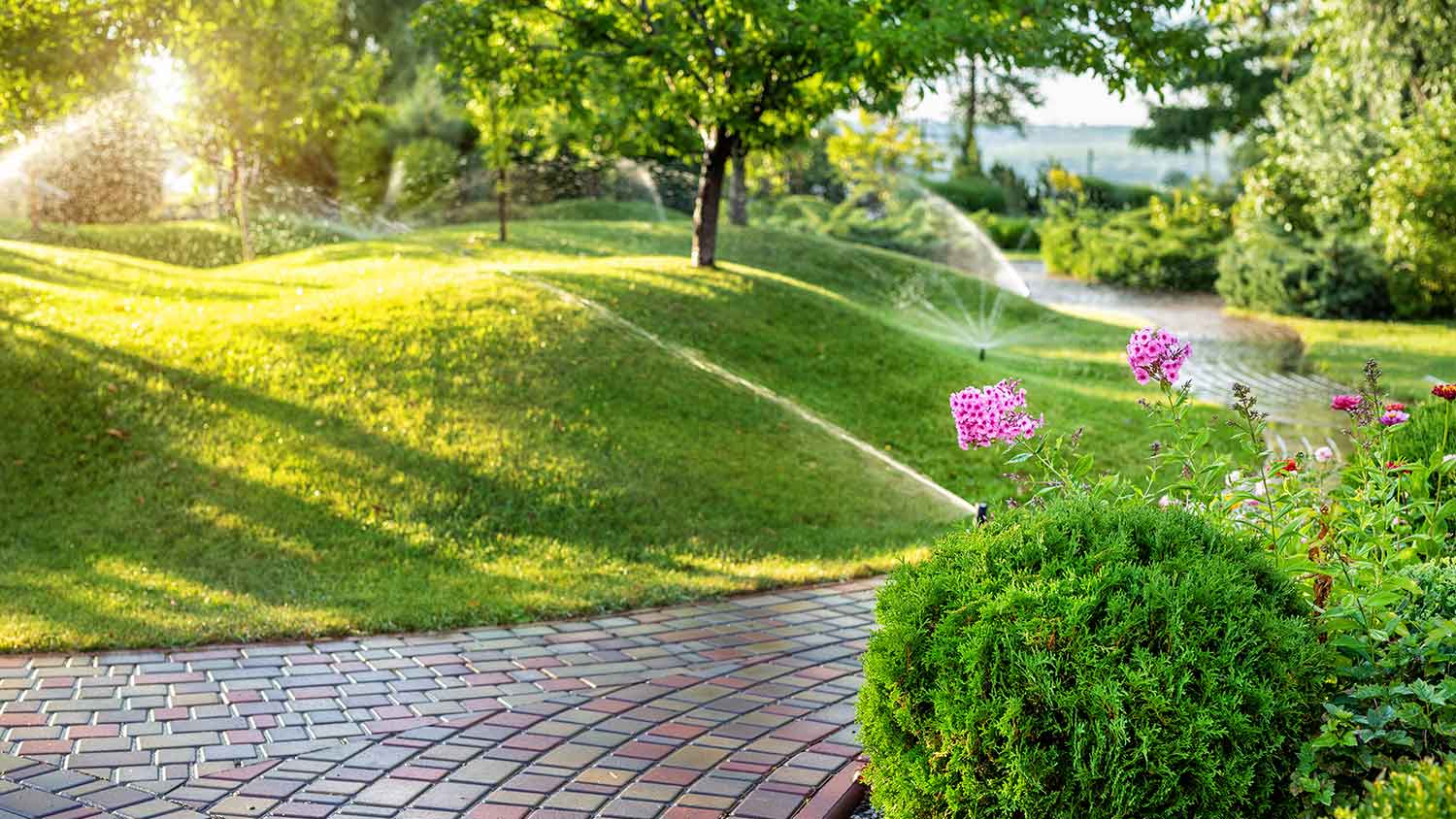
A lawn sprinkler can make light work of watering your yard. Find out how much a sprinkler system installation costs based on lawn size, system type, and other factors.
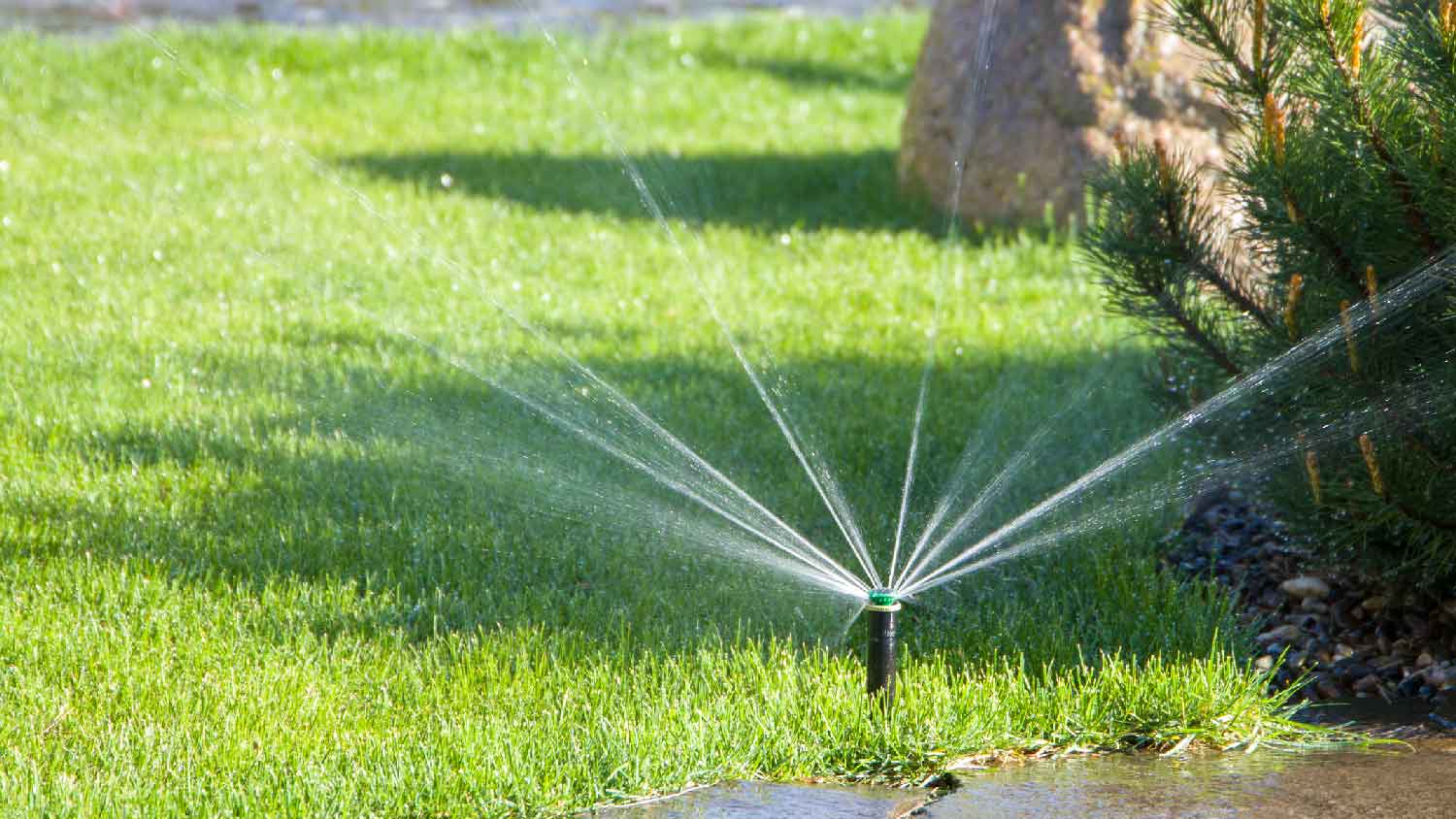
Winterizing your lawn sprinkler system is a must. You can DIY it, but it’s better to know who to call to blow out sprinklers correctly.
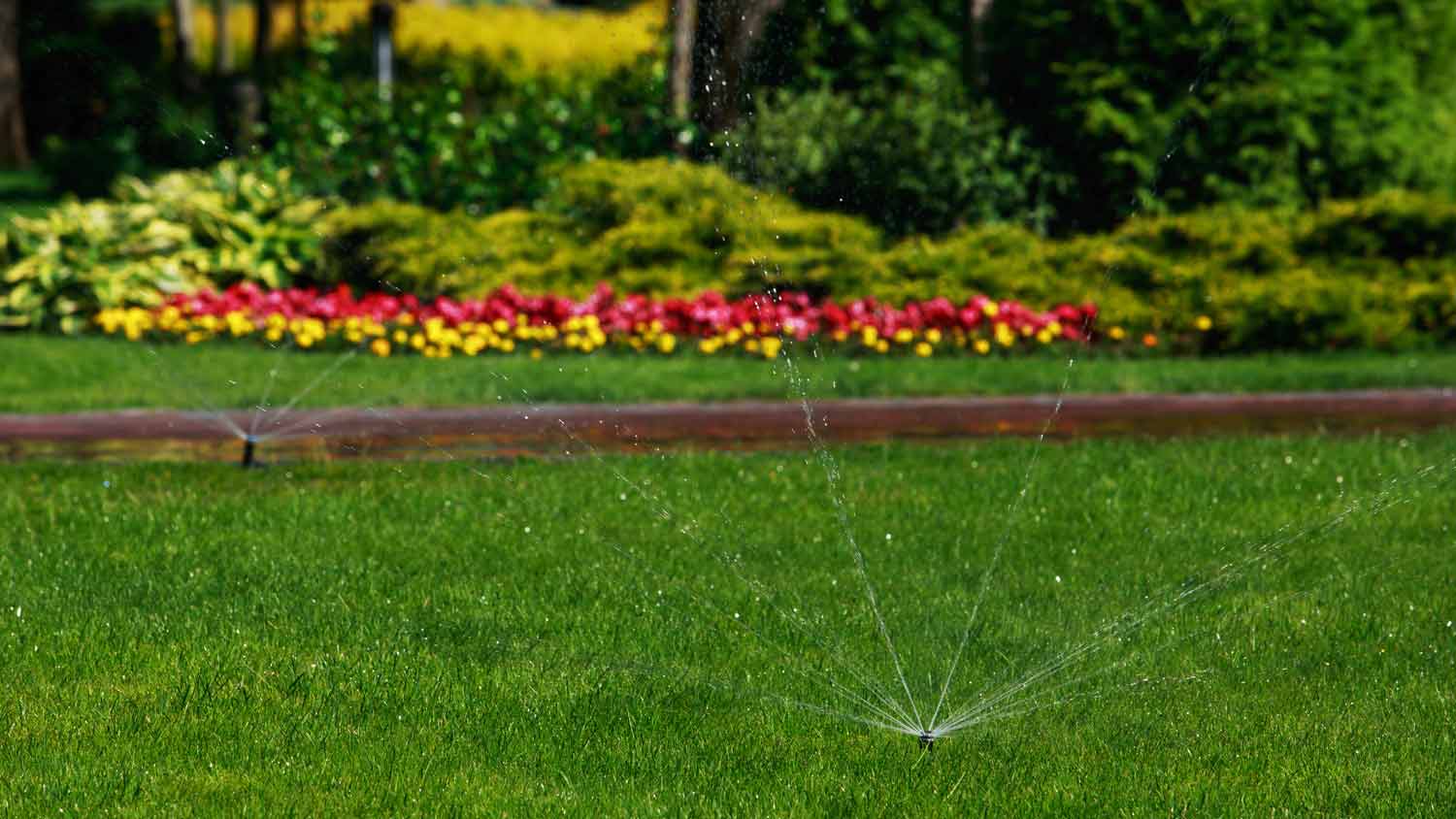
If your sprinkler head is popping up but not spraying, you could have a clog. Learn the main causes of this problem and how to fix them.
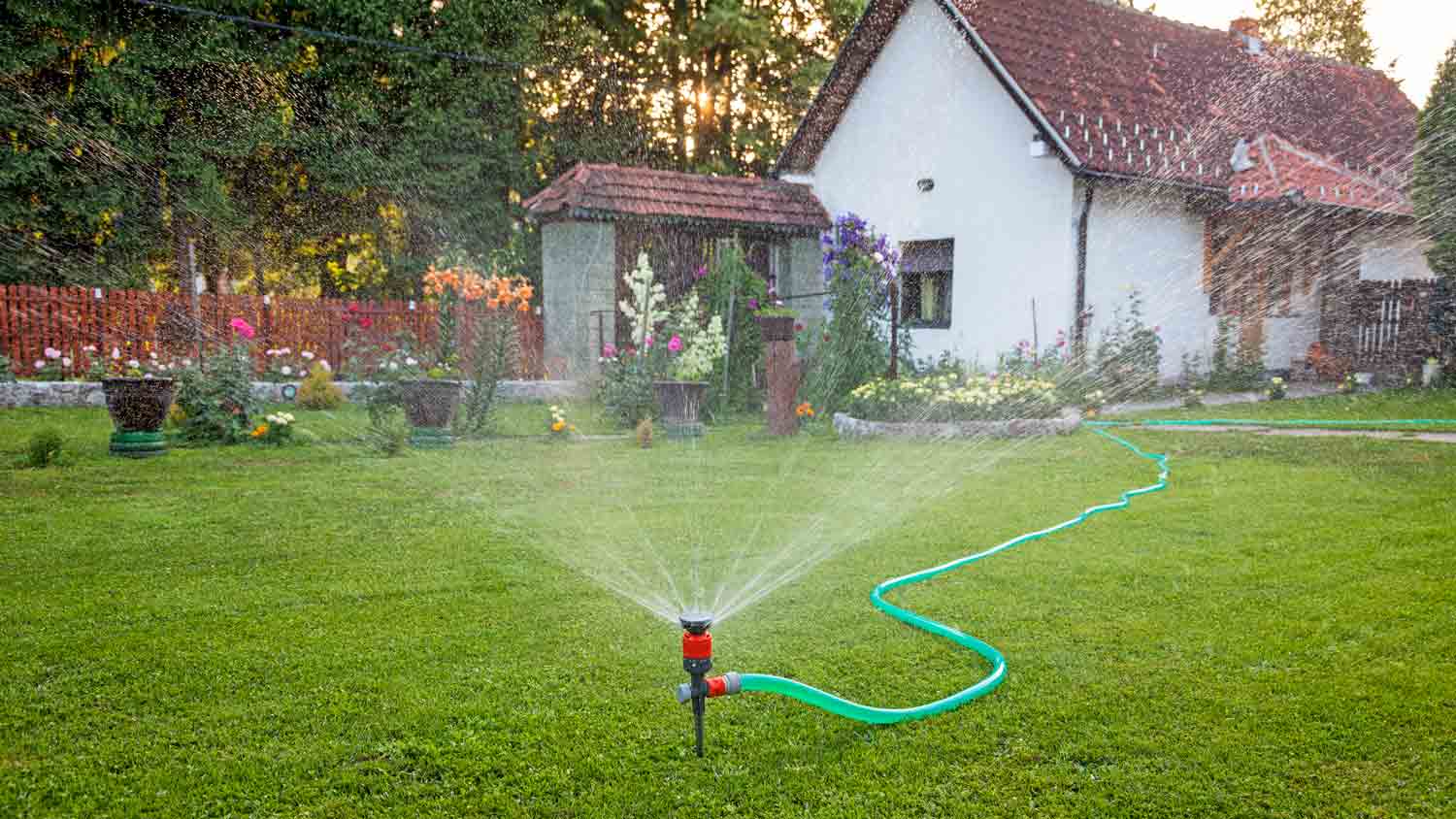
Need to repair a sprinkler or install a new one? Learn the parts of the sprinkler system and how they all work together to water your lawn and garden.

Is your sprinkler system on the fritz? Discover our troubleshooting tips and steps for how to fix a sprinkler system so your lawn can stay lush and healthy.