
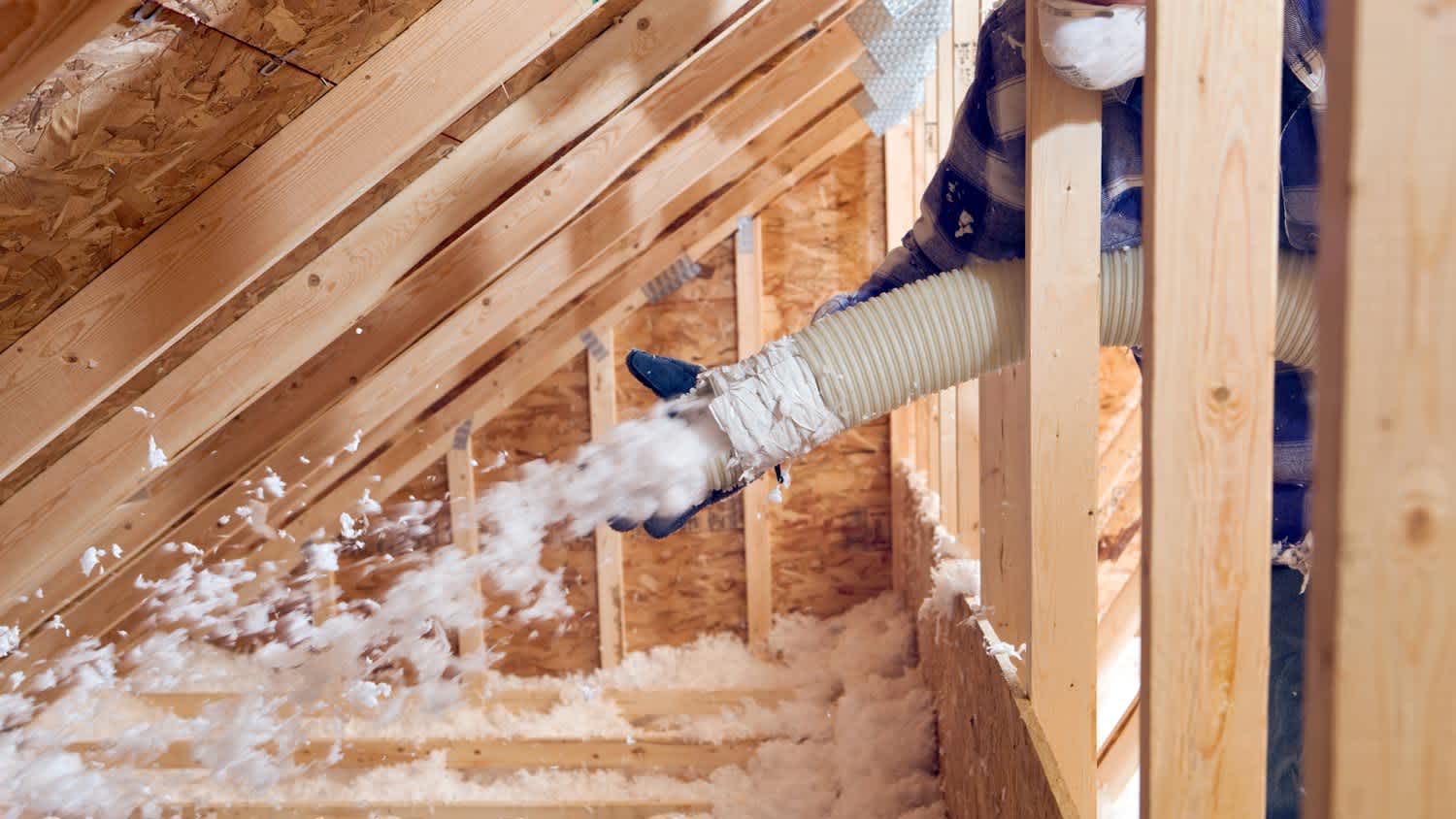
Learn the key factors that influence the cost of renting a blown-in insulation machine.
What to know before you blow

Your climate zone sets an insulation level called R-value, it tells you how many inches of loose-fill insulation your attic needs.
Fiberglass, cellulose, and mineral wool deliver different insulation per inch, so your attic needs different depths to hit your R-value goal.
You calculate the amount by determining your area's square footage, choosing your insulation type, and dividing by the coverage per bag the manufacturer provides.
Hiring a local insulation company takes the guesswork out of calculating coverage and helps your attic follow regional requirements for proper R-value protection.
Your home may suffer from poor insulation even if insulation exists in the attic or walls. Eventually, all blown-in types of insulation will settle to some degree. While most types have life spans of up to 30 years, settling insulation can reduce its R-value over time.
Whether you're adding blown-in insulation over existing insulation or starting from nothing for a remodel or new build, here's how to determine how much you'll need for your project.

There are multiple types of home insulation. Batts, rolls, and spray foam versions are popular in ceiling, attic, and wall applications. Rigid foam board types have several uses, including common applications for basement walls and crawlspaces.
When it comes to attic insulation, blown-in insulation is the go-to material for many builders, and local insulation pros. Blown-in insulation types are also available for use when insulating walls without removing the drywall while installing other types would require wall covering demolition and rebuilding. Attic blown-in insulation is available in several material choices, each with its own features and benefits.

Other blown-in insulation types are available, including hemp and sheep wool. However, the primary and most common ones are fiberglass, cellulose, and mineral wool.
Called loose-fill fiberglass, this material consists of glass fibers loosely woven together. Its construction creates numerous air pockets between the fibers that slow heat transfer to provide its insulating qualities. Loose-fill fiberglass can also irritate your skin if you come into direct contact with it. Its installation requires plenty of protective clothing and gear to keep the material off your skin and out of your lungs. Its R-value is less impressive than other blown-in types, but it costs less overall.
Cellulose blown-in insulation is a solid middle-ground choice. Made mostly from shredded and recycled paper and wood products, then treated for fire and mold resistance, cellulose combines a relatively high R-value with moderate pricing. You'll still need protective gear when installing. However, cellulose is gentler if your skin comes in contact with it.
Wool insulation is available in natural types, as well as the most common one, mineral wool or Rockwool. Created from leftover industrial materials, mineral wool has a wide range of R-values, with some reaching 3.8, which is higher than other loose-fill types. However, it also carries a higher price tag. In return for higher prices, homeowners get excellent fire resistance and noise reduction benefits.
The type of blown-in insulation material you choose often comes down to cost. However, it's essential to understand the insulating qualities of each type when deciding the right material for your home's needs.
| Types of Blown-in Insulation | R-value per Inch of Thickness | Inches Necessary for R-38 Protection |
|---|---|---|
| Fiberglass | 2.5–3.5 | 11–15 |
| Cellulose | 3.2–3.7 | 10.5–12 |
| Wool | 3.0–3.8 | 10–12.75 |

Your total cost for blown-in insulation will depend largely on the area size of your project or your home and how thick your insulation needs to be for your climate zone to achieve the best energy efficiency and value.
Follow these steps to calculate the amount of blown-in insulation you need.
Determine the R-value of existing insulation if you're installing new material over existing material.
Choose the type and R-value of the blown-in insulation you'll use.
Determine the square footage of the area and the thickness you'll need to achieve the R-value goal.
Divide the sum by the insulation volume in each bag. The manufacturer of the product you choose provides this figure.
According to Angi data, 54% of homeowners report having blown-in insulation in their attics. Other common locations for this essential home insulation are inside the walls and ceilings.
While installing blown-in insulation is possible as a DIY project, some factors must be considered before doing so.
DIY blown-in insulation installation requires full protective clothing and equipment to stay safe.
You'll need to rent a blower machine and have a partner help with installation.
A comprehensive understanding of insulation and attic ventilation principles is necessary to avoid damaging your home.
A local attic insulation installer will have access to regional code requirements to ensure your project meets building code specifications and the proper R-value amounts.
Professional installation will come with a quality warranty and insurance protection in case something goes wrong during installation.
Correctly installing insulation can be difficult. Health and safety risks are involved; therefore, we highly recommend contacting a pro to ensure the job is completed safely and correctly.

If you’re good people wanting to do business with good people, hire Matt. He is a consummate professional and utterly competent. He installed a water heater in my home at a price that beat competitors by hundreds of dollars with a promise to support the unit for its life (even after its 6 yr...
 Greene's Plumbing Services
I would recommend this company to anyone! He showed up on time, was friendly, completed a very difficult repair on our dryer vent cover, was responsive, and pricing was extremely fair and competitive. I would have him back to do any of our repairs or cleanings without hesitation!
 U.S.A. Dryer Vent, LLC
Best cleaning I've had at my property
I conferred with 2 other contractors before Armstrong Electric. Nick and his crew showed me that the project was not as convoluted as the other contractors made it appear to be. They completed the entire project on time. They were professional, friendly and cleaned up after at completion. I...
 ARMSTRONG ELECTRIC, LLC
Our exterior looks brand new thanks to Custom Paint Jobs LLC. Theyre the best in town!
 Custom Paint Jobs, LLC
Excellent experience with hiring Tether House to Mount our 77’ Samsung TV in our bedroom. Fast, friendly, and knowledgeable. Highly recommend.
 Tether House
The techs on my project, Shawn and Cliff, were great. They were prompt, courteous, and efficient. I am very happy with the results and would definitely contact Mr. Electric for any future electrical projects.
 Mr. Electric of Columbus
We had our houses windows and back door replace this summer by Window Depot USA of Central. He gave us grate advise and saved my family lots money. The team did a fantastic job with installation. If you need help, they sure get job done right!
 Window Depot USA of Central Ohio
Beginning with the estimate, Larry and Peyton were super helpful in getting my new condo's interior re-painted. Not only was the job well done, but also done in a super timely manner as promised.
 Five Star Painting of Plain City and Powell
Great job...edging and pre clean up went well with a great job with seal coat. Friendly, efficient and professional.
 All Star Paving and Sealing
From average costs to expert advice, get all the answers you need to get your job done.
Learn the key factors that influence the cost of renting a blown-in insulation machine.
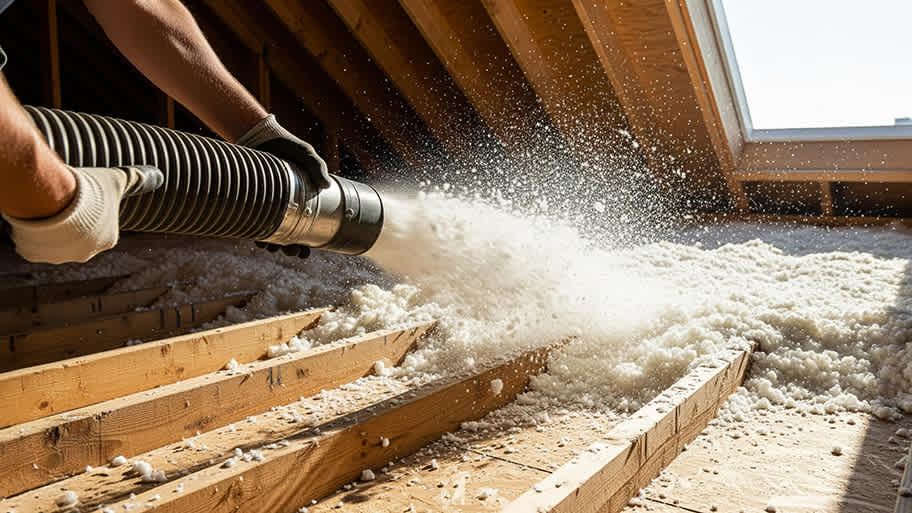
The cost of blown-in insulation costs varies depending on the type of insulation, labor, prep work, and more. Learn more about the cost factors in this guide.

New insulation can make your home more comfortable and boost energy efficiency. Use this insulation cost guide to get an accurate estimate for the installation.
If you’re wondering what blown-in insulation is, keep reading to discover everything you need to know about this type of insulation for your home.
Are your energy bills spiking or rooms feeling drafty? Learn about blown-in insulation installation costs, urgency signs, and how to hire a local pro.
Read our step-by-step guide and learn how to remove fiberglass insulation. Our instructions will help you remove this tricky material quickly and safely.