

Droughts can cause lasting damage to lawns. Keep your lawn alive and well by following these tips on how to save your lawn during a drought.
The grass isn’t always greener on the other side, but these tips can help

Drought-stressed grass needs one to two inches of water per week during summer, and you should split waterings into shorter intervals to reduce evaporation.
Cool-season grasses require up to 20% more water than warm-season varieties like Bermuda or zoysia, making your grass type choice critical for drought-prone areas.
Dethatching your lawn before drought season helps moisture reach roots more effectively, as thatch absorbs water quickly and dries out before reaching the soil.
Hiring a local lawn dethatching professional removes the tight layer of dead stems and roots that blocks moisture absorption, helping your grass stay healthier during dry conditions.
It’s no secret that droughts are hard on your lawn. According to recent reports, 14% of the United States has experienced a moderate to severe drought every year for the majority of the last century. That’s a lot of grass that’s probably looking a little brown, and more than a few drought-stressed trees that could probably use some TLC.
Unfortunately, saving a drought-stressed lawn isn’t as simple as taking out your garden hose. In fact, you may not legally be allowed to water your lawn during an active drought if you live in an area that has introduced water restrictions. So, what do you do? Here’s how to keep your grass green during a drought.
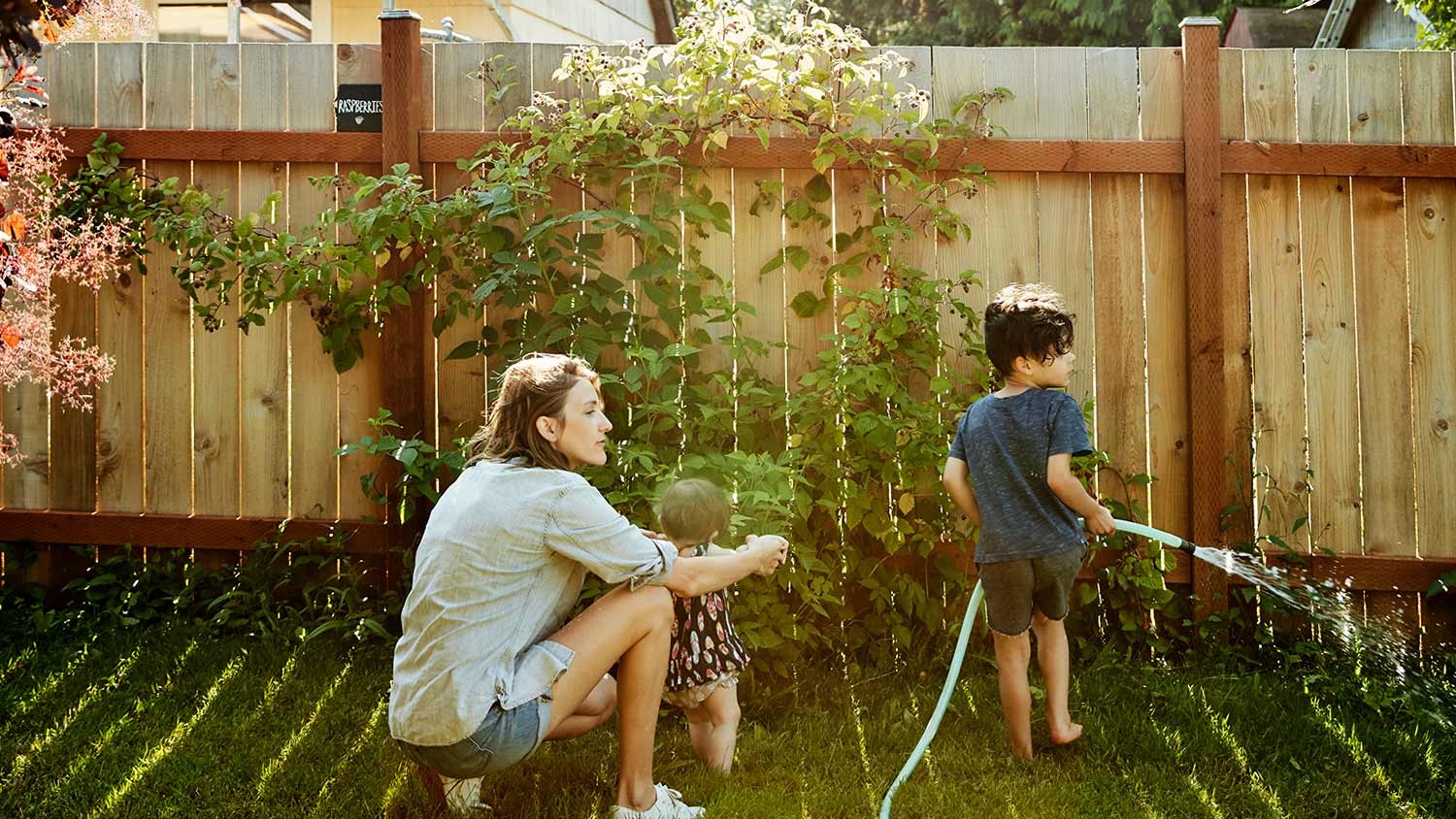
Watering is the obvious way to help drought-stressed grass but it’s not always feasible. If there are no water restrictions in place, how often you need to water your lawn depends on a few different factors. In spring, you may only need to water it once or twice, but in the heat of summer, you should:
Water your lawn two to three times a week.
Ensure your lawn gets one to two inches of water per week.
As a general rule, water your lawn as soon as your grass starts to wilt or change color. If you're in a climate with particularly high temperatures, make sure you split up waterings to account for evaporation. Keep in mind that some grasses turn yellow or brown when they go dormant. In this case, they may not need water at all or only require a very small amount.
Following drought safety protocols is important, but sometimes homeowners have the urge to dump a ton of water on their lawn as soon as drought restrictions are lifted. This action does more harm than good because your delicate, drought-stressed grass can’t handle it. Water your lawn in 15- to 20-minute intervals, with one to two days between watering. The water needs time to saturate the soil and reach the roots.

To keep your grass green during a drought, avoid additional stress. You should minimize damage whenever possible: don’t walk on your grass, don’t drag garbage bins or other equipment across your lawn, and don’t use your mower to get rid of weeds. The main goal is to avoid disturbing the delicate leaf system, which is more prone to damage when it can’t get enough water.
Though you should generally avoid messing with a drought-stressed lawn, detaching can help it better absorb moisture (even if there’s not a lot of moisture to go around). Regularly-mowed lawns accumulate what’s known as thatch, a tight layer of dead and living grass stems, leaves, and roots. Thatch can cause a bunch of problems, but the main issue is that it absorbs a lot of water and dries out very quickly. To ensure your lawn gets the most moisture possible, hire a local lawn dethatching service.
The best way to keep your grass green during a drought is to start early. Before drought season, aerate your lawn. During this process, a local lawn care service will poke small holes into your lawn. These holes will help moisture reach the roots, which is critical when rainstorms are few and far between.
During a drought, your grass will grow slowly. It may even stop growing altogether. Until your lawn is back in good health, avoid mowing whenever possible. If you do want to mow your lawn, mind the mower height. Choose the highest setting. The taller the grass, the deeper it can root and the better it will store water.
Warm-season grasses like Bermuda grass or zoysia grass have deep root systems that make them drought resistant. They can thrive on as little as an inch of water a week. Cool-season grasses, on the other hand, need up to 20% more water.
If you live in an area with frequent droughts, you may want to consider planting a warm-season variety. If you live in a climate that requires cool-season grass, opt for tall fescue because it has the deepest root system. Another option is to ditch your grass entirely in favor of a xeriscape landscape design that doesn’t need water.
D1 Roofing delivers outstanding service from beginning to end, backed by a strong warranty and expert teams. I highly recommend them for their excellence in meeting and surpassing expectations with unmatched communication. Choosing D1 Roofing was flawless decision
 Division 1 Roofing LLC
We had our houses windows and back door replace this summer by Window Depot USA of Central. He gave us grate advise and saved my family lots money. The team did a fantastic job with installation. If you need help, they sure get job done right!
 Window Depot USA of Central Ohio
Wonderful. I am going to have them remove and replace my driveway in the spring.
 All Star Paving and Sealing
We were having 2”x 2” tile installed . There was a small installation error and the new additional replacement tile was from a different lot and the colors didn’t match. Joe assured us that he would rectify everything , which he did without hesitation. We decided to go with the 18” x 36” tile...
 CarifaTile
We had a 20+ year old landscape lighting system that needed replacement. Midwest Lightscapes worked with us to design a much improved lighting system, lighting the exterior of the house and the back yard. Installation of the 45 light system took one and one-half days, and went very smoothly....
 Midwest Lightscapes
Did an amazing job transforming my yard. Also installed sod in places, would recommend to everyone.
 Cardinal Landscaping & Construction LLC
They show up and they did take us on as a client which seems to be a problem with other lawn care providers. We have multiple properties and this one was located close to downtown and no one really wants to mess with it.
The worker came out when he was supposed to come. He informed me he would honor the Angie's List deal, but would not do any more work for me since my son in law owns lawn care company as well, even though they do not do the same type of work. He said he did not feel comfortable giving me...
 Bello Giardino LLC
E & L Lawn Care was super. They were very responsive before and after service. They were efficient and were able to complete the job within 1 day. I have had concern about one section of sod - the owner was pro-active and did a visit to evaluate. I have no doubt they will stand behind...
 E&L lawn care
From average costs to expert advice, get all the answers you need to get your job done.
Droughts can cause lasting damage to lawns. Keep your lawn alive and well by following these tips on how to save your lawn during a drought.

Grass can look dull or dead for many reasons, but you don’t have to spend months trying to revive it. Here’s a guide for how to make grass green fast.

Conserving water is always wise—even without water restrictions. Here’s how to navigate a drought to protect yourself, your community, and your lawn.

Summer heat and droughts can make lawn and garden care challenging. Here are some summer landscape tips that’ll keep your lawn and garden looking healthy.

Growing a lush lawn doesn’t have to be hard, but it requires more than just watering and mowing. Here’s how to keep grass green for a healthier-looking lawn.
Find out how often you should water your lawn season by season with our expert guide, whether you've got cool or warm season grass or a new or established lawn.