
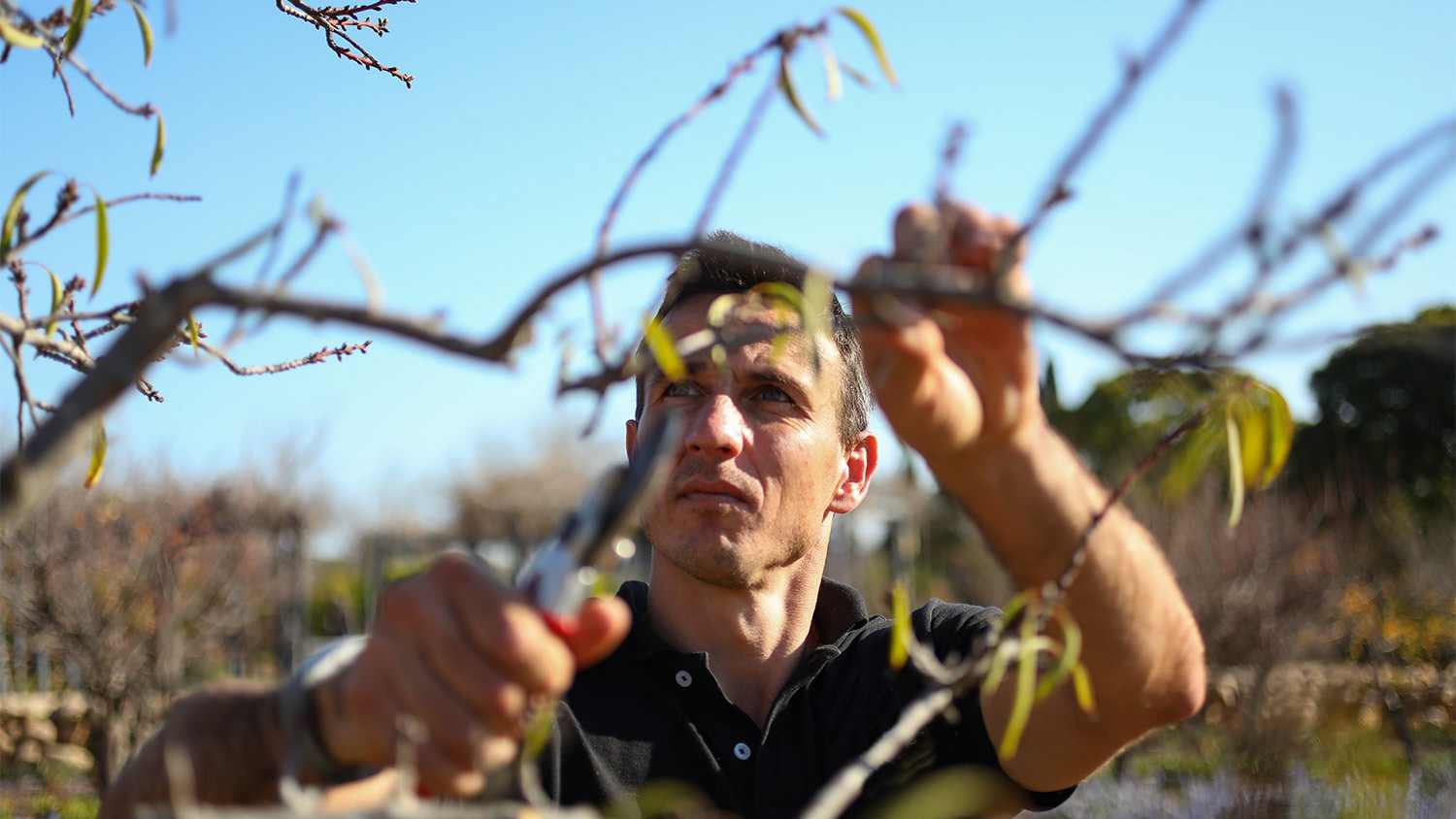
Trimming your bushes is one of the less costly aspects of landscaping, and it’s helpful to bundle many trimming services together to save money.
Follow these tips and tricks for removing prickly thorn bushes

Thorn bushes grow aggressively and spread quickly, so you need to remove the entire root system to prevent regrowth in your yard.
Expect to pay $450 to $3,750 for professional bush removal, with costs around $100 per bush for smaller thorn bush projects.
You should wear thick gloves and safety goggles when pruning thorny branches, then dig deep to remove all roots before disposing of the remnants.
Hiring a local landscaping professional keeps you safe from cuts and ensures complete root removal, preventing thorn bushes from returning to your property.
Thorn bushes take care of themselves by providing a protective layer of thorns that keep animals from eating them. To humans, however, they’re invasive plants that can become dangerous for household pets and kids. If you want to learn how to get rid of thorn bushes and tackle the thicket of thorns on your property, we’ve got you covered. Follow our step-by-step guide to using the right tools and disposal measures to get the job done.
Thorn bushes, also often called prickly bushes, are a type of woody plant characterized by their sharp, pointed thorns along the vines. These thorns serve various purposes within nature, including deterring herbivores, but they can quickly take over and become a nuisance to humans.
Thorn bushes come in different species, each with unique characteristics and thorn arrangements. Common examples include rose bushes, blackberry and blueberry bushes, and hawthorn bushes. While these plants can add aesthetic value to gardens and landscapes, their thorns often pose challenges for maintenance and landscaping. Plus, they grow and spread incredibly quickly, so you’re looking at a dangerous mess without proper care.
If you have a shovel, shears, and a good pair of gardening gloves, removing a thorn bush shouldn’t cost anything. These project supplies will cost less than $50.
However, if you need to hire a landscaper to get rid of or prune large expanses of bushes, you’ll likely have to pay an hourly or flat rate for this kind of work. Professional bush removal costs between $450 and $3,750, but for smaller projects like removing a few thorn bushes, you’ll likely pay less. Landscaping pros typically classify every 5 feet of hedges as one bush, with the average price of around $100 per bush.

With thorn bushes, you don’t want to go into the project unprepared. If you do, you could wind up with cuts in your hands and a yard full of cut-up, prickly mulch. To ensure you’re prepared, take the following steps.
Different plant species act entirely differently than others, so ensuring you know the plant you’re dealing with is vital. Different thorn bush species have unique growth patterns, root systems, and responses to removal techniques.
If you can, take a picture with your smartphone, many of which offer plan identification tools built into your camera app. There are also separate apps like PictureThis or PlantNet. You can also go old-school and grab a plant identification book or head to your local greenhouse and show an employee a picture. Knowing the specific species will help you plan an effective removal strategy tailored to the characteristics of the bushes you're dealing with.
After you know what type of thorn bush you’re dealing with, ensure you have the right tools to remove them safely. Here's a list of essential tools:
Thick gloves: The sturdier the gloves the better, as thorny plants can easily go through thin cloth gloves and cut your hands.
Long-handled pruning shears: With thorn bushes, using long-handled shears helps you keep your distance from thorns.
Pruning saw: While not always necessary for smaller bushes, for overdrawn patches, this saw is helpful for thicker branches that pruning shears can’t get through.
Closed-toed shoes: Wear shoes that protect your feet from thorns and other hazards. Avoid sandals and other open-toed shoes.
Safety goggles: Protective eyewear will help shield your eyes from thorns, debris, and dirt.
Tarp or heavy-duty trash bags: You don’t want to leave the thorn remnants all over your yard, as this can be dangerous. Use heavy trash bags for collecting and disposing of thorny branches and debris. Or, take a tarp, fill it up, and bring the brush to your town’s dump or trash facility.
First aid kit: It never hurts to have a first aid kit on hand in case of any cuts or injuries during the removal process.

While it may seem simple on the surface, plants are complex systems, and getting rid of them requires a systematic approach to ensure a thorough and effective removal process.
Start by carefully pruning the thorn bushes to reduce their size and make the removal process more manageable.
Use long-handled pruning shears at the top of the plant and cut the vines into manageable pieces. As you work your way down the bush, you may need to use a pruning saw to cut away thicker stocks. Cut the plant down as far as possible until you have a few places to put your hands that aren’t covered in thorns.
After you remove the thorny parts of the bush, one of the critical aspects of removal is ensuring that you eliminate the entire root system. If not, the plant will continue to grow. Use a shovel or digging tool to excavate around the base of the bush. Grip on the plant head or roots and rip them from the ground, ensuring you get the entire system out.
Depending on the size of the plan, the root system may be quite extensive. If this is the case, you’ll have to dig deeper than you think to reach the entire system.
Properly disposing of thorn bush remnants ensures you don’t step on thorns later on. It also helps the plant from rerooting in multiple places. Bundle the cut branches together and throw them in trash bags or transport them to your local dump.
If you don’t want to remove your thorn bushes entirely, other strategies exist for maintaining them so they don’t overrun your yard. Consider the following tips to effectively handle thorny situations:
Camouflage thorn bushes with other plants: Planting dense, non-thorny plants around thorn bushes can help disguise their presence or blend it into a more visually appealing garden.
Create natural barriers around bushes: Use organic materials like mulch or gravel to create barriers around thorn bushes. This method helps prevent new growth but also adds an aesthetic touch to your landscaping.
Install root barriers: To prevent the spread of thorn bush roots into unwanted areas, install root barriers in the soil. While often used for trees, these barriers help kill trees and bushes' root systems, or at least contain them and limit the bush's expansion.
Apply natural repellents: Experiment with natural repellents, such as a mixture of garlic and vinegar, sprayed on thorn bushes. This helps discourage growth and can kill the top of the plan, making it easier to pull out the root system down the line.
Engage in sustainable pruning: Instead of traditional pruning, understand when to trim bushes and adopt sustainable pruning techniques. This option involves selectively removing branches to promote a more natural and aesthetically pleasing shape while minimizing the impact on the bush.
You may need to hire a professional landscaping team near you if you need to remove many overgrown thorn bushes. As long as you’re willing to get a little dirty, anyone can learn to remove a thorn bush. Individuals can safely prune and dig up smaller thorn bushes using basic tools, such as gloves, pruning shears, and a shovel. For larger patches or invasive bushes, professional assistance from a landscaper may be helpful since they have the tools and equipment necessary to take care of the job quickly.
Custom Paint Jobs LLC made our home feel like a piece of art. Thank you for your creativity!
 Custom Paint Jobs, LLC
Window Depot did an amazing job on my deck. I wasnt sure what I wanted to do, but their composite decking was affordable and will last a long time. I am excited to have family over, and I am no longer embarrassed by my backyard. Jeff and the ground crew were polite, respectful, and caring for...
 Window Depot USA of Central Ohio
First of all, the gentleman I dealt with (Cam?) was very responsive to my many questions and concerns throughout the project, which is a huge plus to me. From the first time I met him for the estimate all the way til the completion of the job, he and his crew were professional and respectful....
 All Star Paving and Sealing
We had a 20+ year old landscape lighting system that needed replacement. Midwest Lightscapes worked with us to design a much improved lighting system, lighting the exterior of the house and the back yard. Installation of the 45 light system took one and one-half days, and went very smoothly....
 Midwest Lightscapes
Another great success for me on home advisor. This company did an awesome job on my landscaping and stayed within my budget. The best part, the work was complete within 2 days of my initial request. Professional and responsive. I highly recommend!
 Blue Ring Residential Services, LLC
The company no showed on me twice. The 2nd time was no call no show. They were responsive to set up the first appointment to perform the "landscape cleanup". 3 hours after their initial scheduled appointment time they called me to let me know they had some "problem" with the truck and their...
 Ruby Home and Hauling Services
Received ideas for future landscape plans...quote to do the work seemed a bit high but I did not have any other quotes to compare it to, so perhaps that is the going rates. <br />
 Landscapes By Terra, Inc
All around they have done a really great job. <br /> I have used JL Landscapes for the past 8 years. I own and operate my own commercial/residential real estate company where we own, operate, and maintain our own properties. JL Landscapes has been our exclusive landscaper for both our...
 J.L. Landscapes
Bought a half a cord of firewood from Pitzer with stacking last month. I waited to report so I could see how the wood burned. <br /> <br /> I have three pet peeves regarding landscapers, but Pitzer scored "A"s regarding all three. First, rather than having customers "leave a message" and...
 Pitzer Landscaping
I left a message on Sunday requesting to schedule a time to obtain an estimate/walk-through and received a return call in the morning of the following Monday. Mark worked with me and agreed to schedule the estimate/walk-through for the following Saturday. When Mark arrived for the...
From average costs to expert advice, get all the answers you need to get your job done.
Trimming your bushes is one of the less costly aspects of landscaping, and it’s helpful to bundle many trimming services together to save money.

Digging up a bush can be difficult, and trimming it down won’t prevent it from coming back. So, what kills bushes instantly? Find out more.
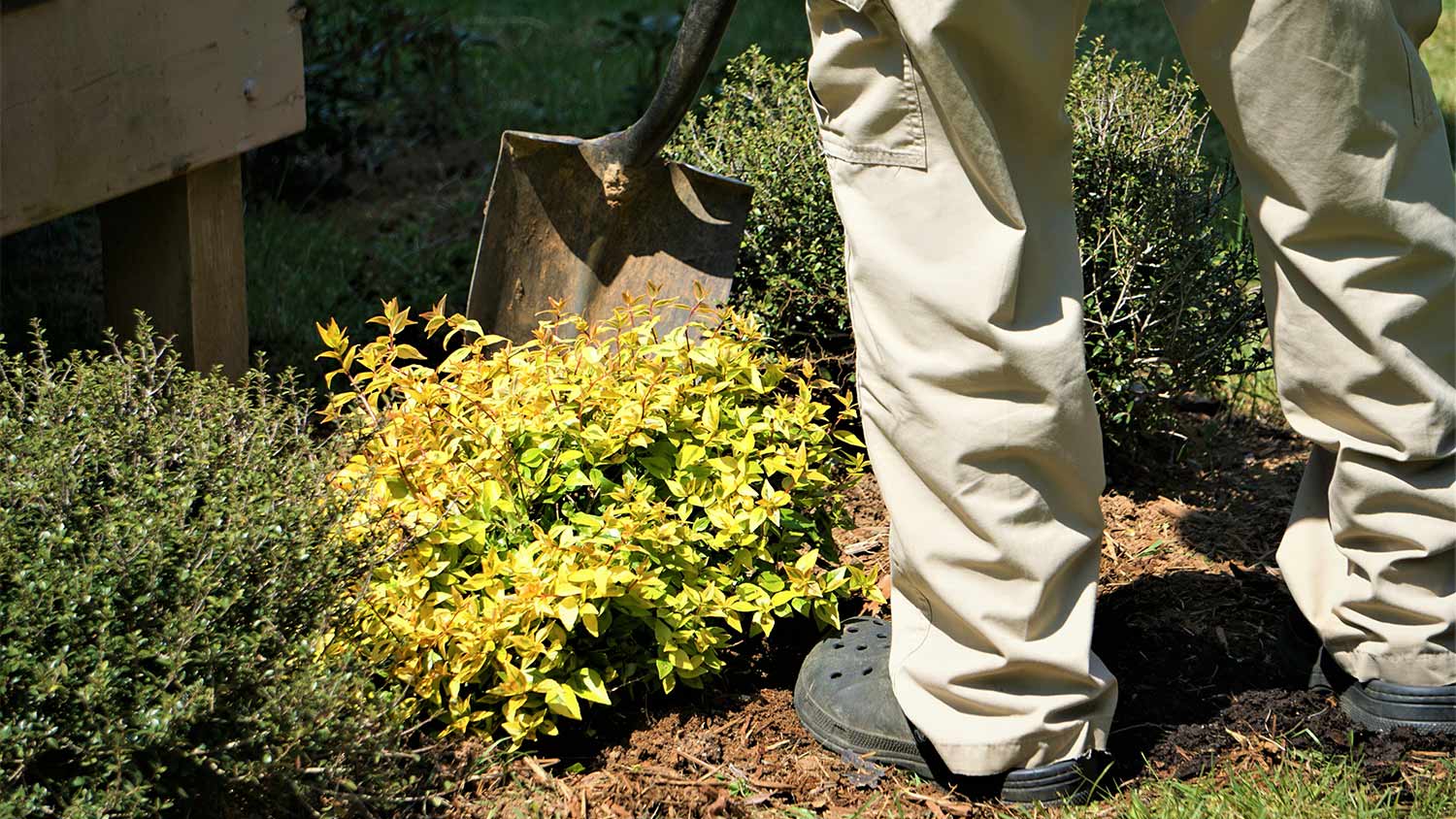
If you need to get rid of a bush, here’s how to handle this project in a few simple steps. Follow our step-by-step instructions.

Know who to call to remove bushes from your landscaping when necessary to ensure professional service, options, and results.
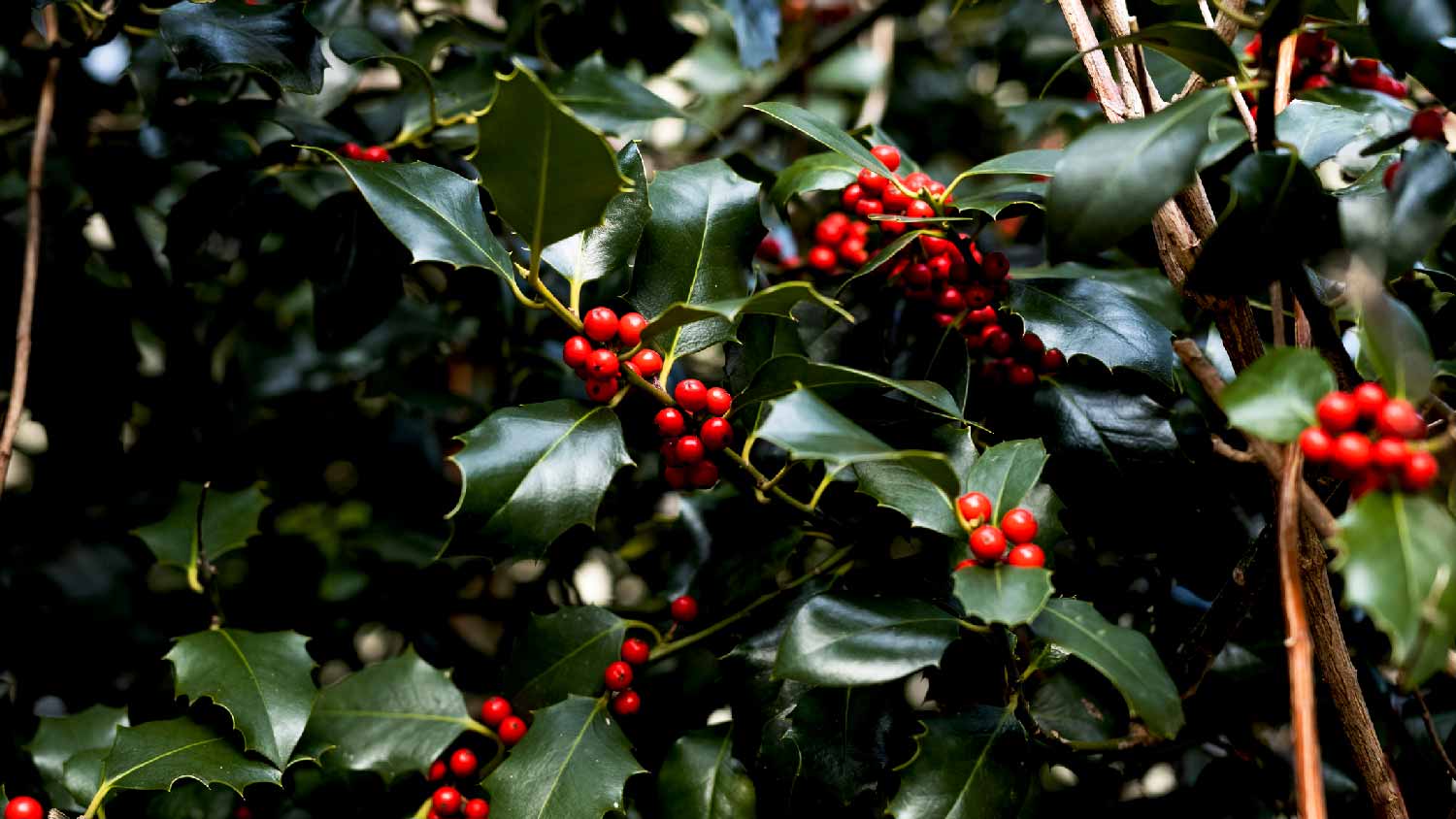
Hiring a pro isn’t necessary when removing holly bushes. This guide can help you make quick work of the holly bush removal process.
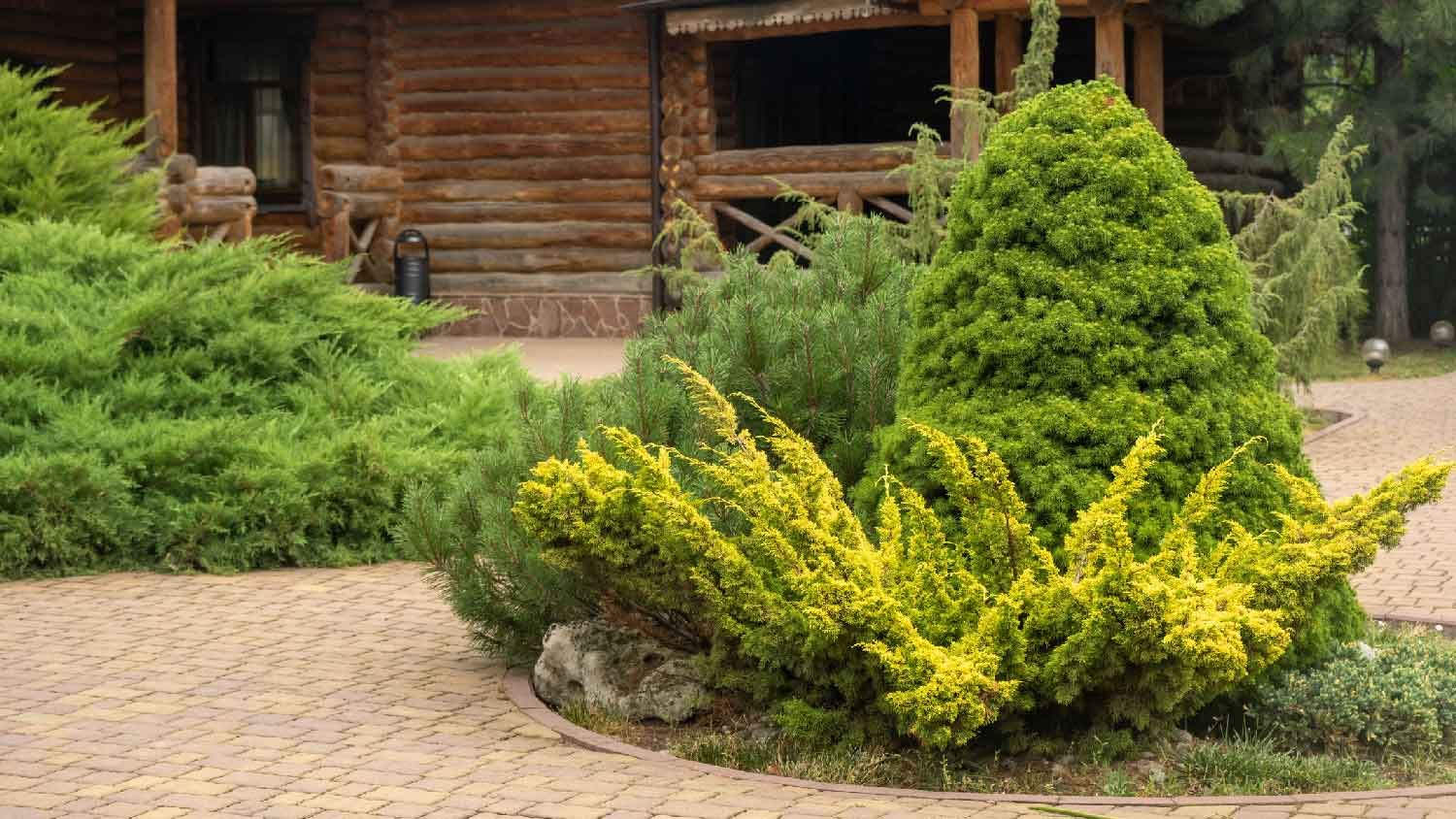
Learn how to remove juniper bushes, regardless of their size, in four simple steps to make room for other landscaping or eliminate an overgrown bush.