
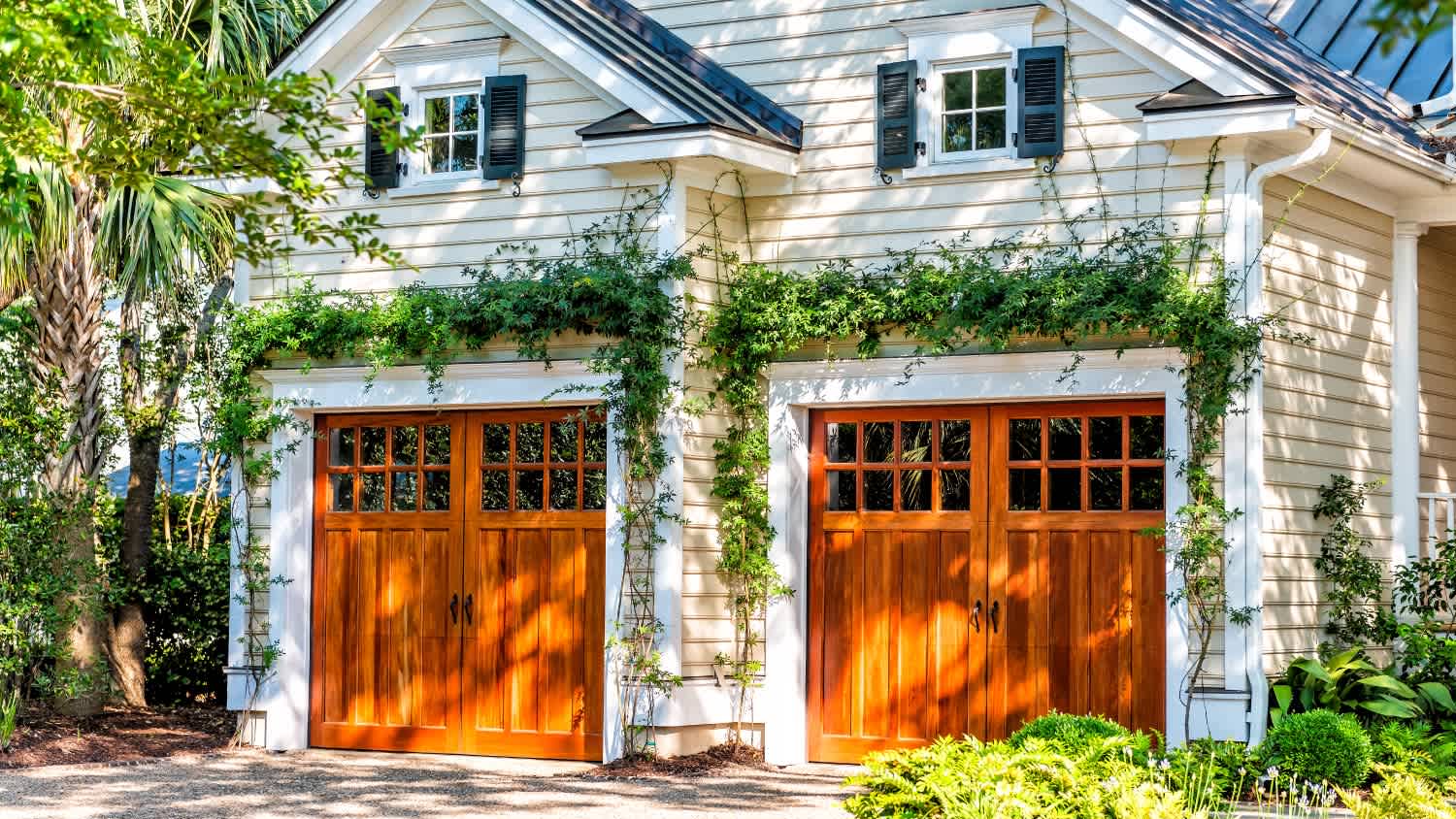
Ivy might look pretty, but you probably don’t want it in your garden. Learn how much it’ll cost to remove ivy by type, treatment method, and more.
Companion plants prove that sometimes things are better in pairs

Growing Clematis and Wisteria together creates stunning spring blooms, with clematis filling sparse areas as your wisteria matures and both plants thriving on trellises.
Clematis produces wispy seed heads after blooming, while wisteria leaves behind velvety pods, giving your garden visual interest even when flowers fade in summer.
You need to prune each climbing plant based on its unique needs, as their individual growth patterns and pruning schedules differ throughout the growing season.
Hiring a local gardening professional provides reliable support for managing vigorous growers and ensuring both plants receive proper care without overwhelming your landscape.
The right combination of climbing plants can help give your home’s exterior a springtime refresh—especially as they start blooming on a garden trellis or trailing down a hanging basket. How do you find the perfect match? Climbing plant combinations are a delicate balance of texture, color, smell, season, and temperament.
In general, your companion plants should be able to tolerate the same conditions and work together. Think of perennials that mask annual die-back or vines with staggered blooming seasons. A local gardener or landscape designer in your area will be able to tell what works best in your backyard, but these amazing climbing plant combinations can help spark some inspiration.

Clematis—which is part of the buttercup family—is a broad genus of climbing perennial herbs that produce colorful blooms in shades of red, purple, pink, and blue. They have a reputation for growing beautifully alongside climbing roses, especially because roses have a relatively short flowering season and their sturdy stems give clematis a surface to climb.
Pick a species that won’t overwhelm the roses with robust growth. Plants in the Jackmanii group tend to do best. This includes Clematis ‘Comtesse de Bouchard,’ clematis ‘Victoria’ (Clematis viticella), and Clematis ‘star of India’—but if your roses are pastel hues, Clematis jackmanii is a clear winner. The rich purple blooms create a bold contrast.

If you’re looking for garden fence ideas, bring honeysuckle to the top of your list. This climbing plant does best when grown on a fence or trellis. Nonetheless, a gorgeous landscape is about more than what meets the eye—it’s also about what meets the nose.
The main draw of honeysuckle is the sweet-smelling blossoms in shades of yellow, orange, and red. They emit a heavy, almost fruity, smell that’s well-paired with sweet rocket, a tall-growing biennial plant with pink or white blooms.
Both plants emit the most fragrance in the evening, making them a lovely plant combination for summer nights. Though not a climber itself, sweet rocket will fill in the lower part of your garden, while honeysuckle can give your space some height.

Both golden hop and Clematis ‘polish spirit’ are perennials—but this climbing plant combination factors in flowering. Clematis generally only blooms from midsummer to early autumn, but golden hop has gorgeous foliage throughout spring, summer, and fall. When flowers finally appear, golden hop’s lime green leaves offer a contrasting backdrop that makes the stunning purple petals look even brighter.

If plants had personalities, you could say black-eyed Susan (Rudbeckia hirta) is laid-back. As long as you don’t disturb the roots, give it adequate water, and place it in adequate sunlight, it should last the whole season. In warm-weather climates, the vine may even act as a short-lived perennial—though it can border on invasive because it rigorously self-seeds.
With bright yellow blooms, black-eyed Susan perfectly pairs with morning glory, especially if you choose a variety with blue or purple blooms (the colors opposite on the color wheel). This duo grows beautifully in full sunlight and will make great patio plants. Potting black-eyed Susan and putting it in a pavement-heavy area where it can’t self-seed can help keep it under control.

Looking to grow some climbing veggies? Get ready to add to your list of edible landscape hacks. Pole beans and cucumbers are among the best climbing plant combinations to add to your edible greenery.
These companion plants actually help each other grow. Beans have a root system that boosts nitrogen levels in the soil, essentially self-fertilizing. Unfortunately, they’re also susceptible to over-fertilization. If they absorb too much nitrogen, you’ll have a large bean plant with a tiny harvest.
Cucumbers are heavy feeders and need a lot of nutrients. They’ll help balance out nitrogen levels for your beans. With proper care, these plants should have a bountiful harvest.

Climbing hydrangeas and Virginia creeper (Parthenocissus quinquefolia) get a bad wrap for being vigorous growers. They don’t always play nice with other plants—snuffing out those that are more delicate—but together, they help each other chill out. It just depends on the variety.
Both moonlight hydrangea and Chinese Virginia creeper are self-clinging. That means they can climb on their own using aerial roots, but hydrangea usually needs support as it matures due to its substantial vines. Chinese Virginia creeper—a more laid-back version of the original Virginia creeper—is up to the task. It’s a strong enough grower to support hydrangea but not so much that it suffocates the plant.

The wisteria and Clematis ‘Rubens’ (Clematis montana ‘Rubens’) pairing is another excellent garden trellis idea. These two climbing plants are a perfect contrast—with clematis offering small, pink blooms and wisteria producing larger purple blooms.
They generally grow together, blooming in the spring and early summer (depending on your USDA Zone). In fact, clematis can fill out your wisteria plant if areas become sparse as your plant matures. When the season is over, wisteria will leave behind velvety pods that look like beans, and clematis will offer whimsical, wispy seed heads that are fluffier than your best dandelion.
Remember that climbing plant combinations aren’t a one-size-fits-all solution. Even when intertwined, each climbing plant has unique pruning needs. Some vines can damage masonry and may even be invasive in certain USDA Plant Hardiness Zones.
Custom Paint Jobs LLC made our home feel like a piece of art. Thank you for your creativity!
 Custom Paint Jobs, LLC
Window Depot did an amazing job on my deck. I wasnt sure what I wanted to do, but their composite decking was affordable and will last a long time. I am excited to have family over, and I am no longer embarrassed by my backyard. Jeff and the ground crew were polite, respectful, and caring for...
 Window Depot USA of Central Ohio
First of all, the gentleman I dealt with (Cam?) was very responsive to my many questions and concerns throughout the project, which is a huge plus to me. From the first time I met him for the estimate all the way til the completion of the job, he and his crew were professional and respectful....
 All Star Paving and Sealing
We had a 20+ year old landscape lighting system that needed replacement. Midwest Lightscapes worked with us to design a much improved lighting system, lighting the exterior of the house and the back yard. Installation of the 45 light system took one and one-half days, and went very smoothly....
 Midwest Lightscapes
Another great success for me on home advisor. This company did an awesome job on my landscaping and stayed within my budget. The best part, the work was complete within 2 days of my initial request. Professional and responsive. I highly recommend!
 Blue Ring Residential Services, LLC
The company no showed on me twice. The 2nd time was no call no show. They were responsive to set up the first appointment to perform the "landscape cleanup". 3 hours after their initial scheduled appointment time they called me to let me know they had some "problem" with the truck and their...
 Ruby Home and Hauling Services
Received ideas for future landscape plans...quote to do the work seemed a bit high but I did not have any other quotes to compare it to, so perhaps that is the going rates. <br />
 Landscapes By Terra, Inc
All around they have done a really great job. <br /> I have used JL Landscapes for the past 8 years. I own and operate my own commercial/residential real estate company where we own, operate, and maintain our own properties. JL Landscapes has been our exclusive landscaper for both our...
 J.L. Landscapes
Bought a half a cord of firewood from Pitzer with stacking last month. I waited to report so I could see how the wood burned. <br /> <br /> I have three pet peeves regarding landscapers, but Pitzer scored "A"s regarding all three. First, rather than having customers "leave a message" and...
 Pitzer Landscaping
I left a message on Sunday requesting to schedule a time to obtain an estimate/walk-through and received a return call in the morning of the following Monday. Mark worked with me and agreed to schedule the estimate/walk-through for the following Saturday. When Mark arrived for the...
From average costs to expert advice, get all the answers you need to get your job done.
Ivy might look pretty, but you probably don’t want it in your garden. Learn how much it’ll cost to remove ivy by type, treatment method, and more.
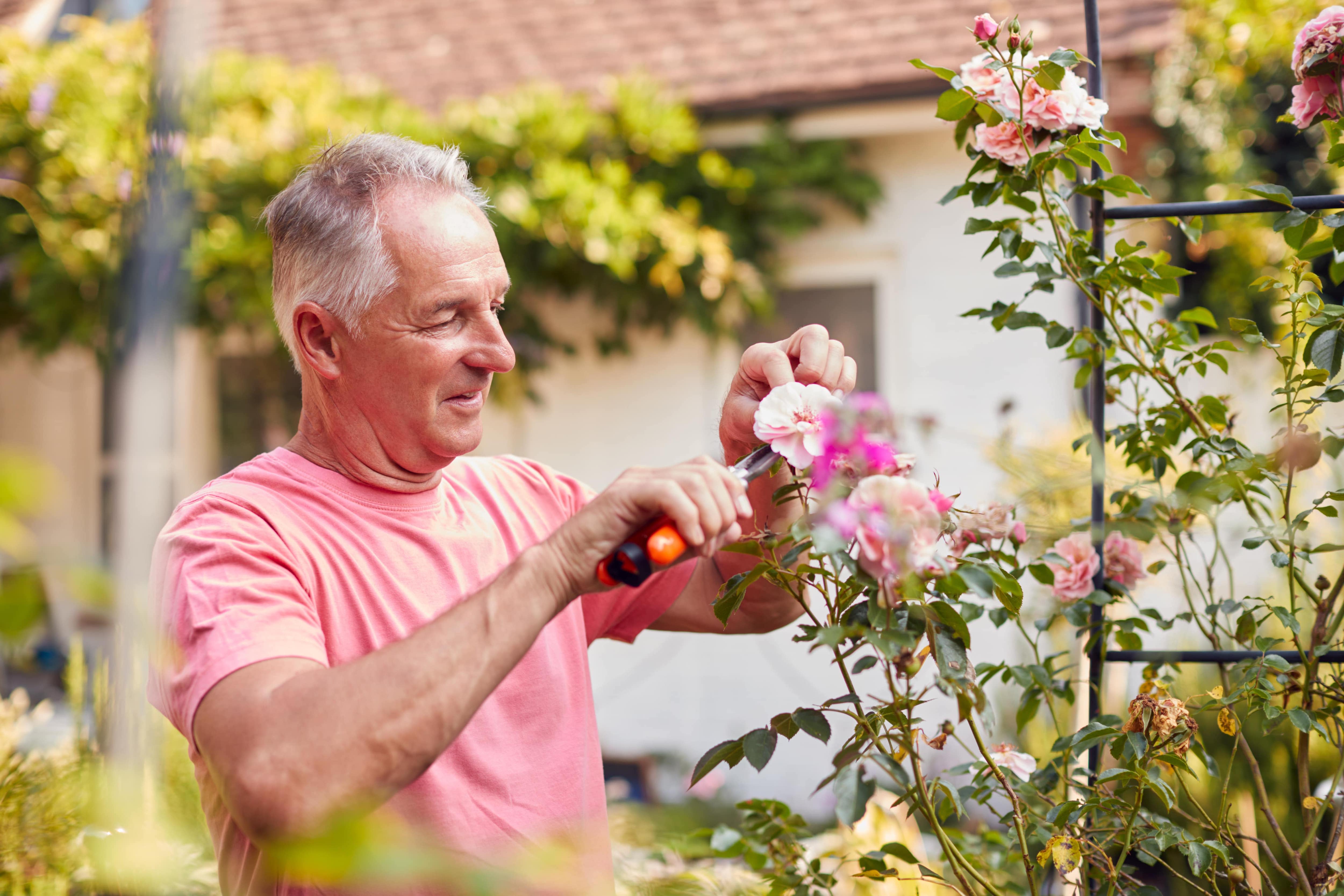
Don’t let a mess of vines take over your garden. Add a trellis to help your plants grow vertically. Use this guide for trellis ideas from simple to extravagant.
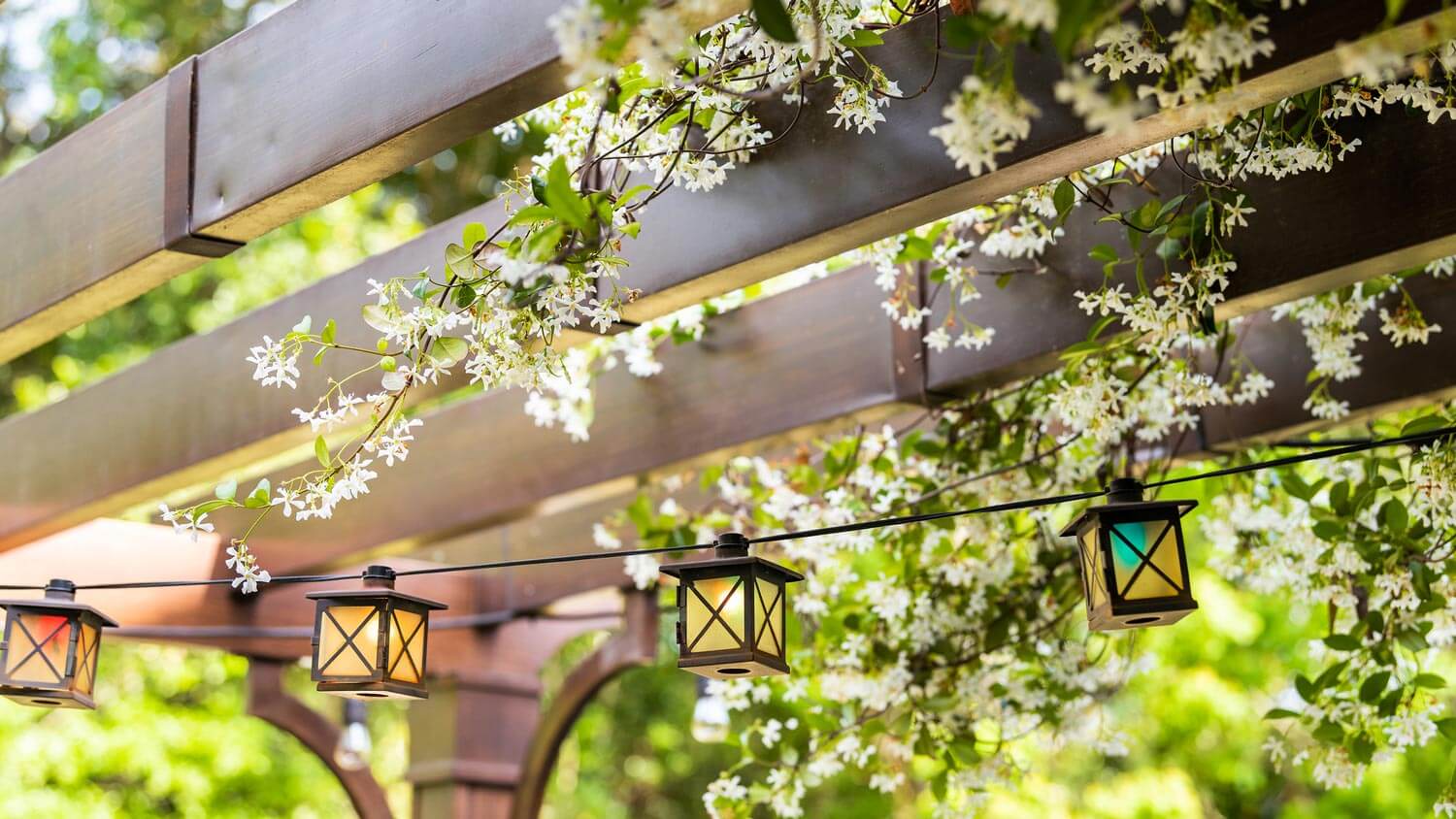
Climbing plants range from flowering morning glories to the colorful bougainvillea. Here are 13 top annual and perennial picks to climb up your pergola.
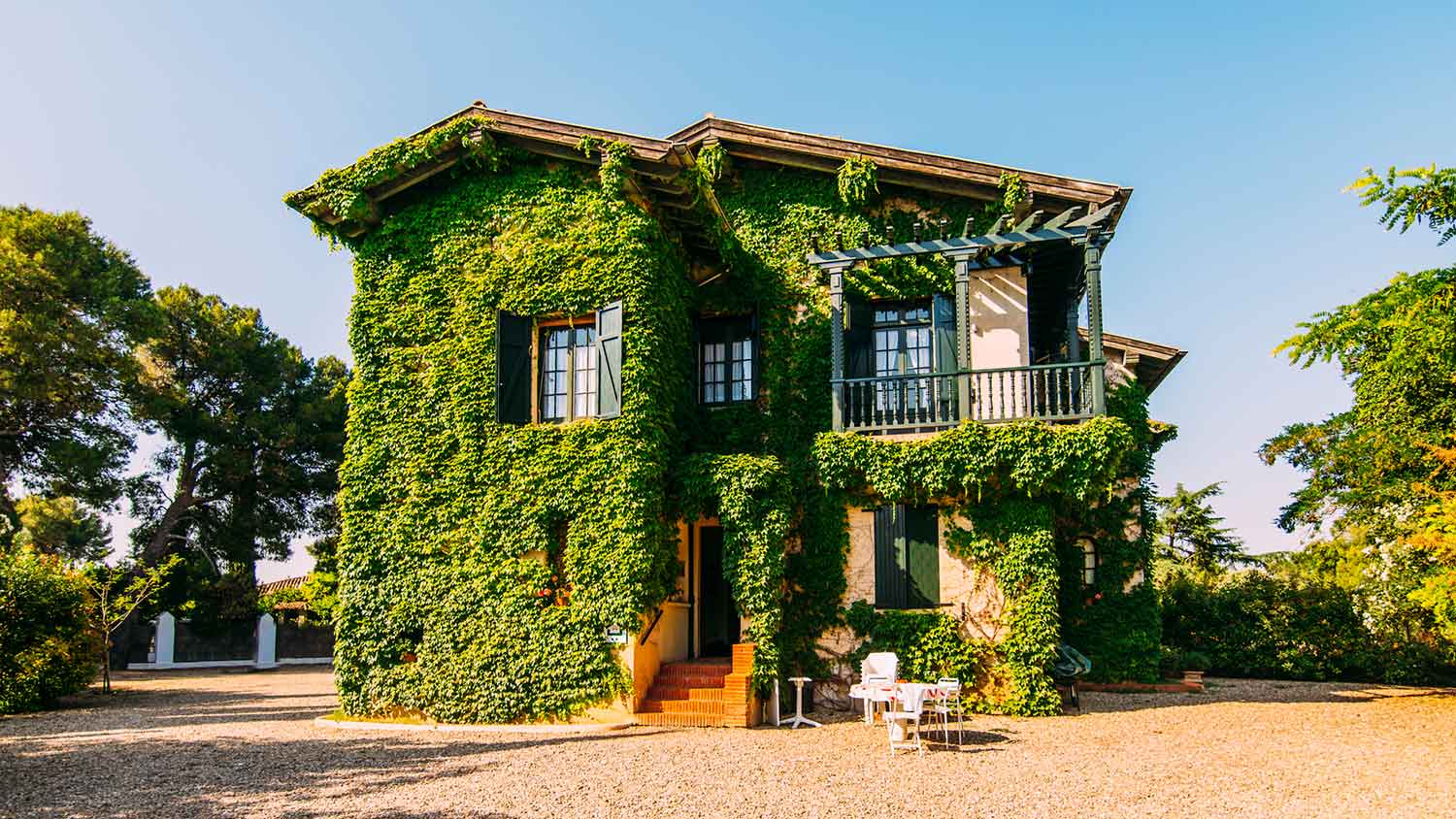
There’s nothing like an ivy-covered green facade or a veranda draped in wisteria—but some vines can cause damage. Learn the pros and cons of vines on a house.
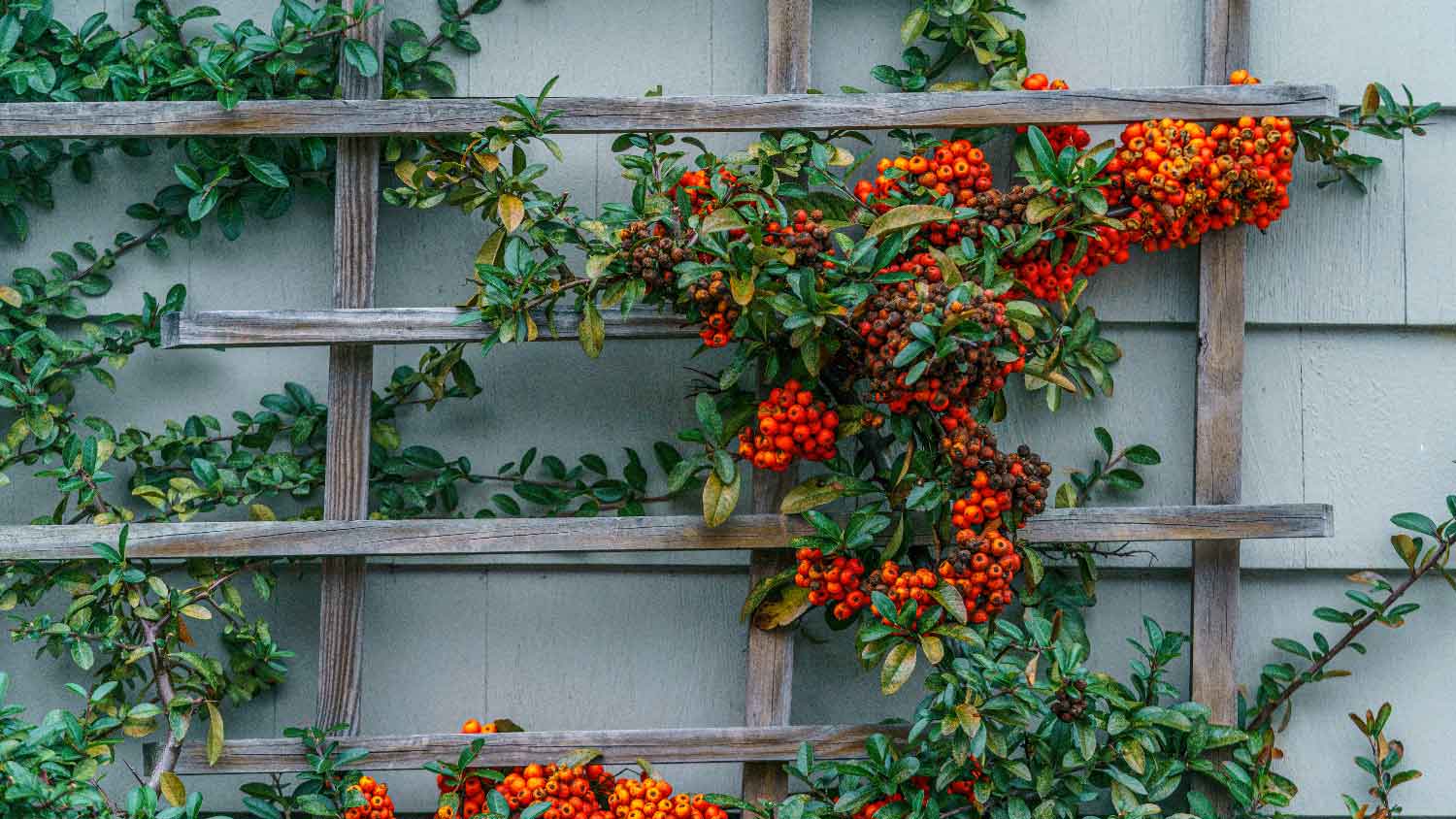
Learn how to install a trellis on a fence the easy way. Get ready to provide your plants with vertical support.
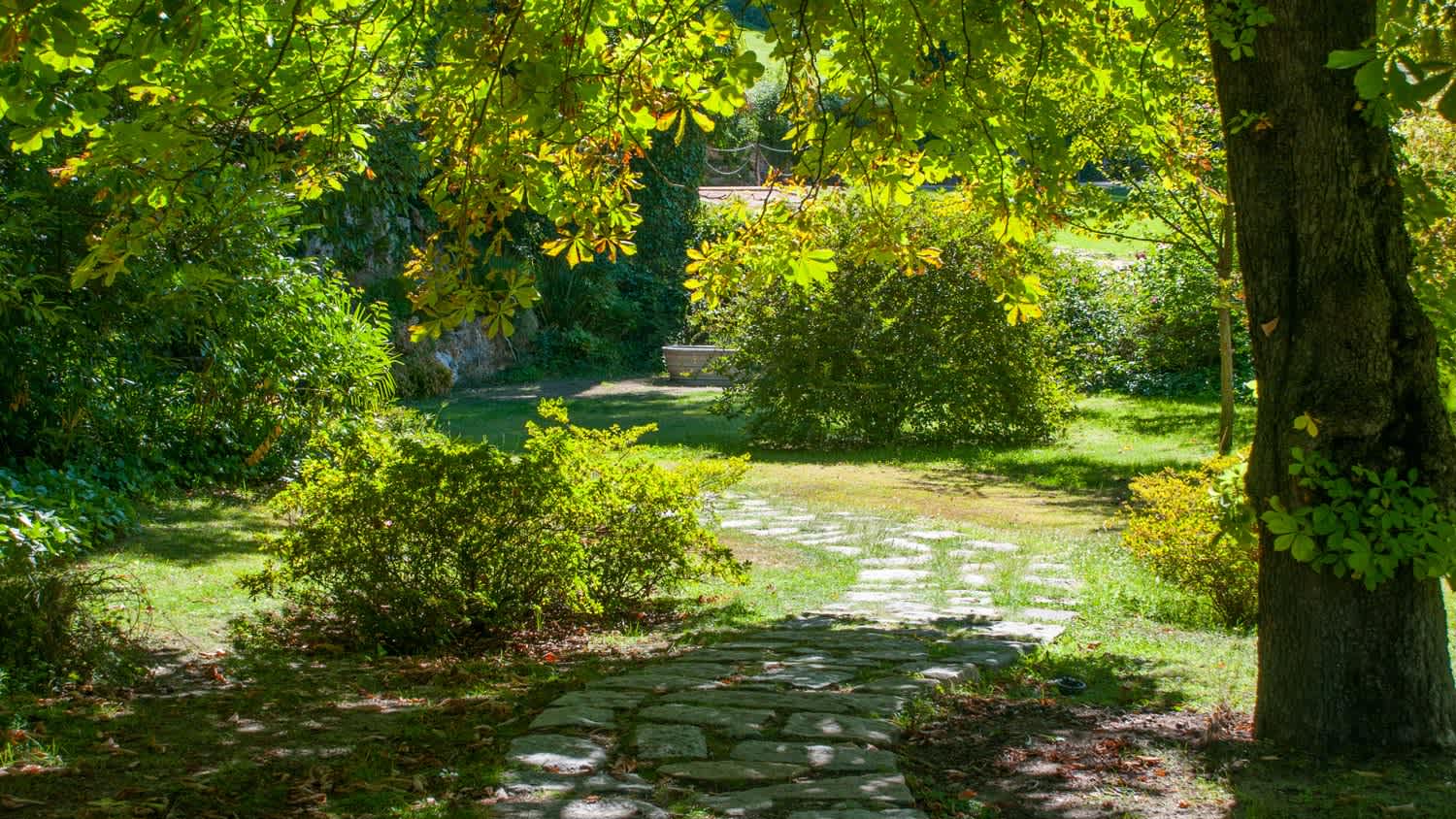
Are you looking for plants to include in your shaded gardens? Read on for the best varieties to choose.