
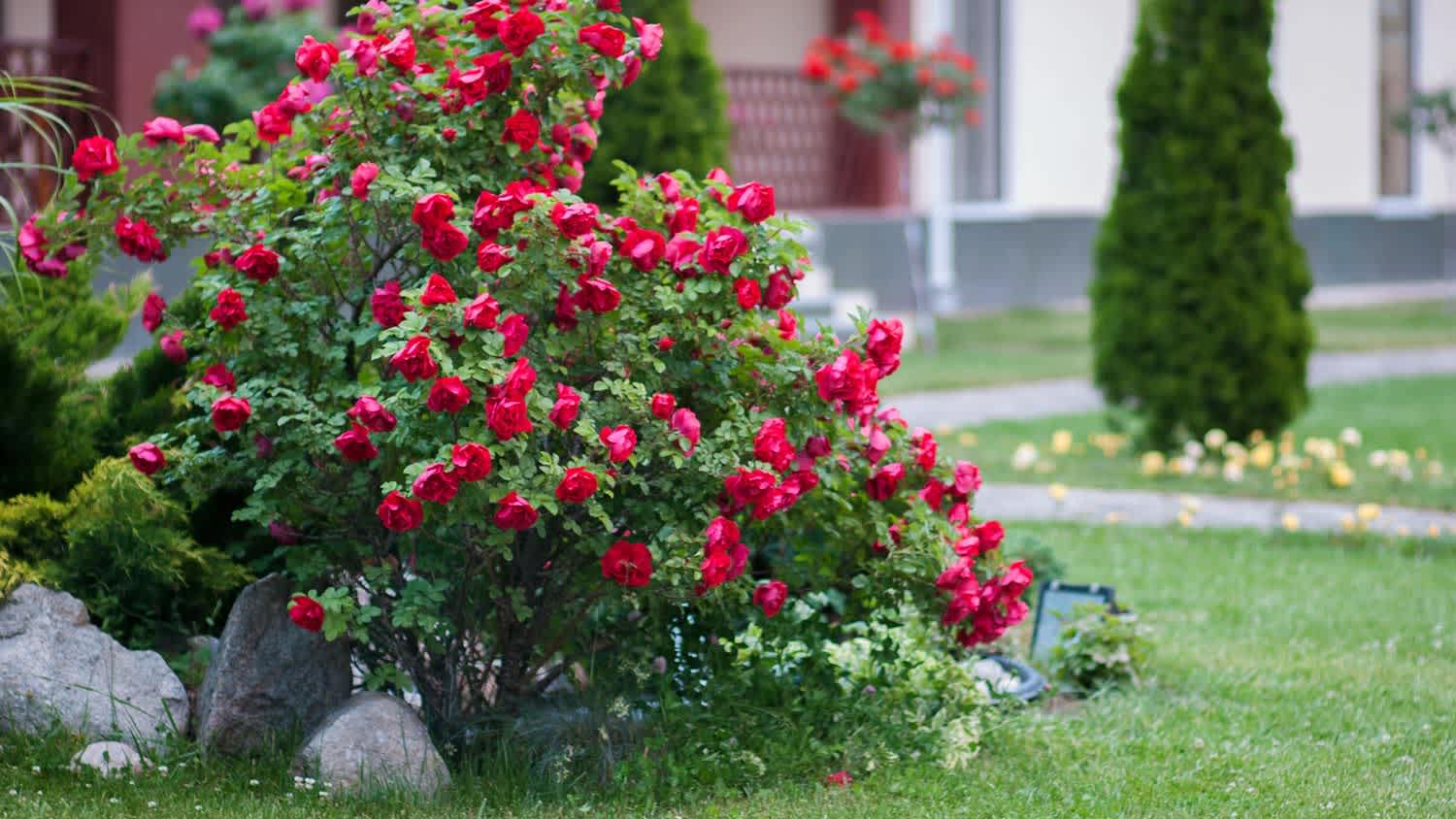
Proper rose bush care comes down to planting, watering, fertilizing, and pruning properly. Read on to learn how to help your blooms thrive.
Take the mystery out of growing your own rose bush

The best time to plant rose bushes depends on your climate and whether you're starting with bare-root or potted plants after the last frost.
Landscapers charge $25 to $85 to plant rose bushes, and you'll need soil amendments like compost or bone meal for healthy growth.
Your rose bush needs at least six hours of direct sun daily, well-draining soil with a pH around 6.5 to 7, and consistent watering at the roots.
Hiring a local tree planting service professional removes the guesswork from choosing varieties and handling tricky growing conditions, so your roses thrive from the start.
Once you discover how to plant a rose bush properly, you'll wonder what all the mystery is about. The thought of taking on this seemingly difficult gardening task causes many of us to avoid trying to grow roses. However, by following a few simple steps and adhering to basic rose-centric gardening principles, you can easily achieve success and enjoy your very own happy, healthy rose bush.
Rose planting and growing success starts by making a few decisions. Similar to committing to other gardening and landscaping plants, you'll want to know what you're getting yourself into before deciding if a rose bush is right for you.
Roses take some maintenance to keep them healthy. Much like understanding how to correctly trim bushes to keep them happy, successful rose bush ownership is more than a plant-and-forget-it project. You'll also need to care for your roses with regular maintenance to ensure they grow healthily.
The first step is to learn about your hardiness zone and which rose varieties will grow best in your location. Next, choose the type of rose plant you would like that's appropriate for your climate. You can choose from a long list of options in most climate areas, including hybrid, climbing, shrub, tree, landscape, and other varieties.
Head to your local home or gardening center to pick out a potted or bare-root rose in the variety you desire. A gardening expert at the store can likely help you pick one that will work in your location and offer other planting suggestions.
Depending on your yard or garden's conditions, you may have to invest in soil supplements like compost blended soil or other organic matter, such as bone meal. Otherwise, the cost of planting a rose bush is limited to the plant itself. Future costs may include rose-specific fertilizer and pest control products.
Like other yard and garden living things, if you hire out your landscaping, you may wish to add annual rose bush pruning to your landscaping budget along with the cost of trimming bushes and any other extras beyond basic yard care. Landscapers may charge between $25 to $85 to plant plants like rose bushes.
The climate conditions in your area and the variety of roses will determine the best planting time. Bare-root roses require a relatively early start to allow their roots to get a jump start before they begin leafing out. Start bare-root roses after the last frost while the daytime temperature is between 40 and 60 degrees Fahrenheit and the nights stay above freezing.
If you choose a potted variety, you can wait a few extra weeks until it warms up, as potted ones already have a functioning root system to rely on once in the ground or a new container.
After deciding on the type of rose to add to your outdoor space based on its compatibility with the growing conditions in your location, the rest of the job is straightforward by following some simple but critical steps.

The simplest rose-planting method is transplanting a rose bush from the store's pot to a larger container. Growing a rose in a container means more frequent watering. However, the benefits include having the ability to place the container in the best possible growing spot and moving it to shield it from bad weather when necessary.
Create a rich growing medium by mixing a couple of handfuls of compost with well-draining soil.
Partially fill the new planting container to a level that will support the base of the rose plant an inch or two below the top of the pot.
Remove the rose from its original container by turning the pot on its side and gently pulling the plant free.
Use your fingers to loosen the plant's soil and roots.
Place the root ball into the new container and add soil around it, gently compacting the dirt with your fingers as you go.
When the soil reaches the height of the top of the roots at the base of the plant, water it thoroughly.
If desired, add mulch or decorative but water-permeable organic material over the bare soil.

Planting a potted rose bush in the ground is almost as simple as transplanting it to a new pot. However, you may need to amend the soil if it's poor.
Create a hole where you wish to plant your rose bush about twice the width of the rose's pot and several inches deeper than its depth.
If necessary, amend the removed soil with compost or bone meal. Avoid using fertilizer or plant food in the mix.
Place several inches of the amended soil back into the hole so the level can support the plant at a height where the base is level with the ground.
Loosen the root ball with your fingers and place the plant in the hole.
Add more amended soil around the root ball until it equals the ground height.
Water your new rose bush thoroughly.
Add mulch over the ground near the plant if you wish or if you live in a particularly arid location.

Planting a bare-root rose bush in the ground or a container is the same process as above, but with additional considerations over planting a potted version.
Soak the roots of the new rose plant in water for up to 12 hours.
Prune the rose to six or eight inches tall, making your cut approximately ½ inch above an outward-facing bud eye.
Dig a hole similar in size to when planting a potted rose bush, plus a couple of extra inches.
Amend the soil, if necessary, with compost or bone meal by mixing several handfuls in with the existing soil.
With the amended soil, create a mound several inches tall in the center of the bottom of the hole.
Separate the roots of the rose plant and drape them over the mound while placing the plant in the hole.
Add amended soil around the roots and plant base until the knob where the roots meet the plant itself is just below the soil surface.
Water thoroughly and add mulch around the plant base to retain moisture.
Like you would when cutting down a tree, following steps in a particular order will help to ensure success. Here are some additional tips to help you confidently care for your new rose bush.
Wear heavy gardening gloves to avoid touching the thorns with bare hands when working with rose bushes.
Check that the rose bush type is appropriate for your climate before choosing one.
Rose plants can grow successfully in many soil types as long as they drain well. However, ensure the soil you use is neutral to slightly acidic. Amend the soil if necessary to obtain a pH of around 6.5 to 7.
Mulch around young roses to help retain water in the soil. This step is crucial when planting bare-root versions or if the climate is arid.
Plant your rose in an area that receives at least six hours of direct sun daily. However, in hot locations, don't allow much more than that amount of sun.
When watering your roses, direct the water to the roots instead of sprinkling it over the leaves.
Watch for signs of rot or disease and follow up as soon as possible if a condition arises.
Prune your rose bush by clipping stems just above outward-facing eye buds to create a fuller look and healthier plant.
While planting and growing a rose bush may sound intimidating, ensuring success is just a matter of following a few steps with patience. However, hiring a tree planting professional is best if you'd rather enjoy some roses while skipping the planting process, especially if your yard has tricky growing conditions that require a professional's touch. A local landscaper or local tree-planting service can handle the project so you can free your time for other activities.
Custom Paint Jobs LLC made our home feel like a piece of art. Thank you for your creativity!
 Custom Paint Jobs, LLC
Window Depot did an amazing job on my deck. I wasnt sure what I wanted to do, but their composite decking was affordable and will last a long time. I am excited to have family over, and I am no longer embarrassed by my backyard. Jeff and the ground crew were polite, respectful, and caring for...
 Window Depot USA of Central Ohio
First of all, the gentleman I dealt with (Cam?) was very responsive to my many questions and concerns throughout the project, which is a huge plus to me. From the first time I met him for the estimate all the way til the completion of the job, he and his crew were professional and respectful....
 All Star Paving and Sealing
We had a 20+ year old landscape lighting system that needed replacement. Midwest Lightscapes worked with us to design a much improved lighting system, lighting the exterior of the house and the back yard. Installation of the 45 light system took one and one-half days, and went very smoothly....
 Midwest Lightscapes
Another great success for me on home advisor. This company did an awesome job on my landscaping and stayed within my budget. The best part, the work was complete within 2 days of my initial request. Professional and responsive. I highly recommend!
 Blue Ring Residential Services, LLC
The company no showed on me twice. The 2nd time was no call no show. They were responsive to set up the first appointment to perform the "landscape cleanup". 3 hours after their initial scheduled appointment time they called me to let me know they had some "problem" with the truck and their...
 Ruby Home and Hauling Services
Received ideas for future landscape plans...quote to do the work seemed a bit high but I did not have any other quotes to compare it to, so perhaps that is the going rates. <br />
 Landscapes By Terra, Inc
All around they have done a really great job. <br /> I have used JL Landscapes for the past 8 years. I own and operate my own commercial/residential real estate company where we own, operate, and maintain our own properties. JL Landscapes has been our exclusive landscaper for both our...
 J.L. Landscapes
Bought a half a cord of firewood from Pitzer with stacking last month. I waited to report so I could see how the wood burned. <br /> <br /> I have three pet peeves regarding landscapers, but Pitzer scored "A"s regarding all three. First, rather than having customers "leave a message" and...
 Pitzer Landscaping
I left a message on Sunday requesting to schedule a time to obtain an estimate/walk-through and received a return call in the morning of the following Monday. Mark worked with me and agreed to schedule the estimate/walk-through for the following Saturday. When Mark arrived for the...
From average costs to expert advice, get all the answers you need to get your job done.
Proper rose bush care comes down to planting, watering, fertilizing, and pruning properly. Read on to learn how to help your blooms thrive.
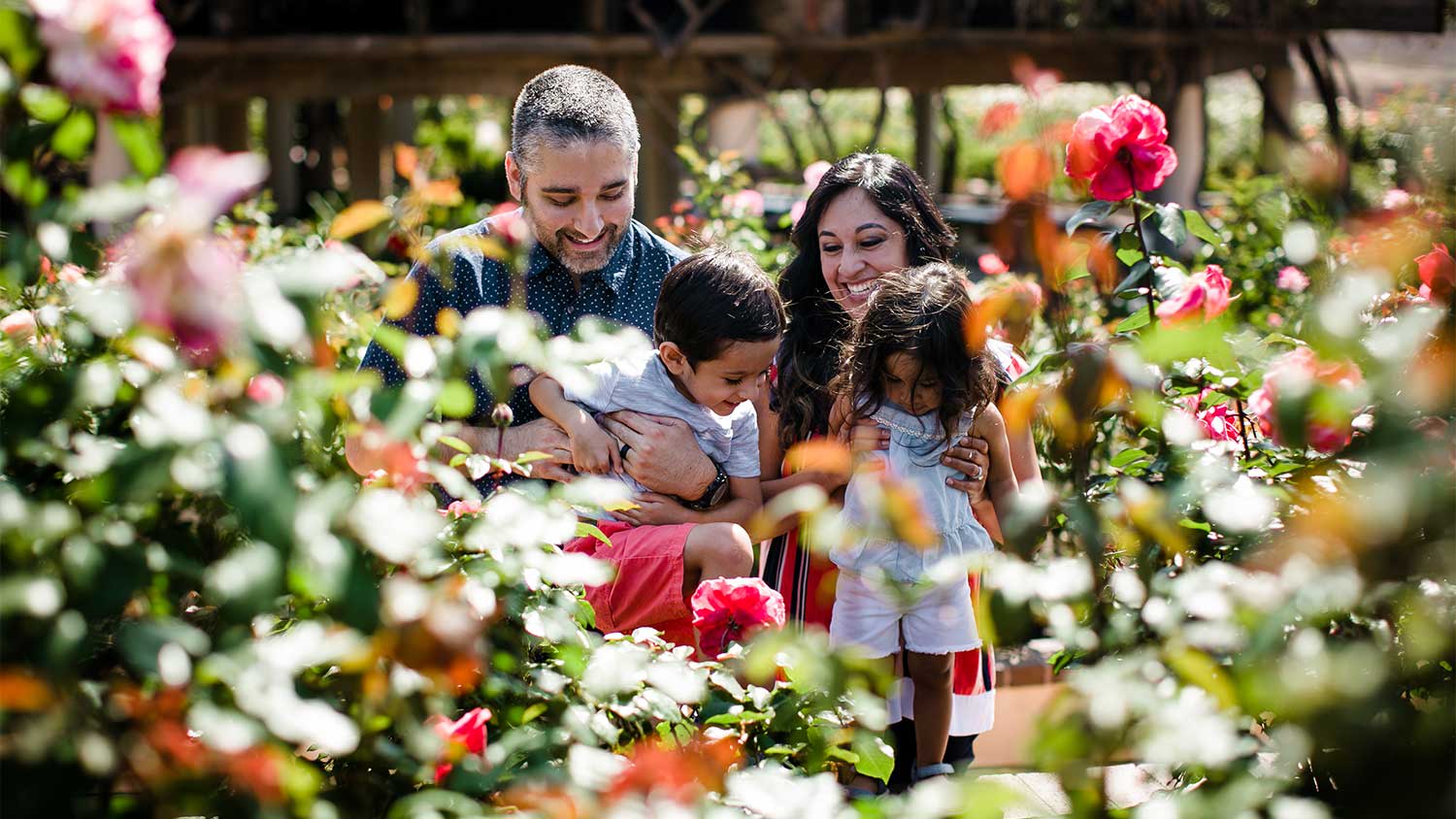
A good trim goes a long way for your garden roses. Learn how to trim a rose bush in these simple steps.
It’s important to trim bushes and shrubs, but each plant type prefers a certain time of year to be trimmed. Learn when to trim bushes and shrubs in this guide.
Hoping to reinvigorate your current garden with a few new blooms, veggies, or trees? We'll take it step by step, from choosing new plants to helping them grow.
Know who to call to revive a bush that's struggling or showing signs of distress to diagnose and fix or manage the problem if possible.
Epsom salt can work wonders in a garden—especially if your soil is lacking. Here’s how to use Epsom salt for plants.