
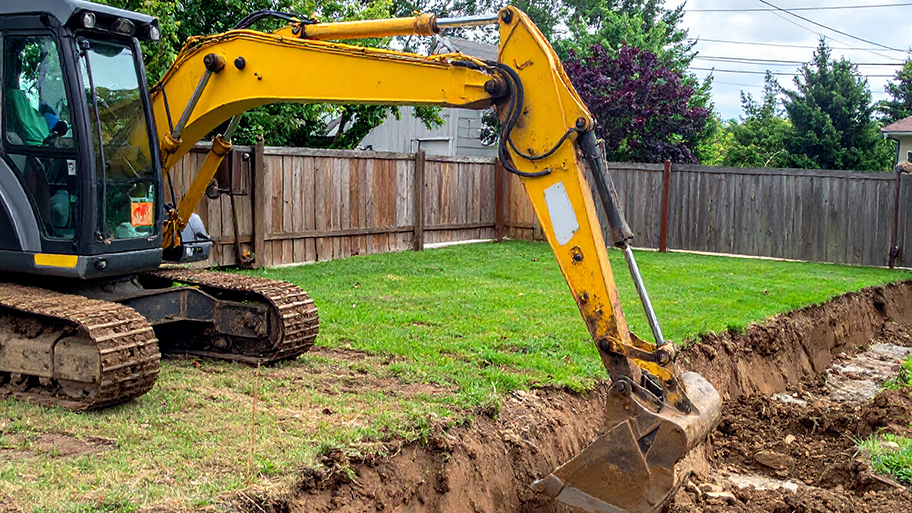
Digging a trench is usually the first step in a larger home project. Our trenching cost calculator breaks down the factors that affect the price tag of this job.
Gotta get diggy wit’ it

The trencher depth you need depends on your utility type and local guidelines, with walk-behind models digging up to 4 feet and ride-on trenchers reaching 6 feet.
Expect to pay $400 to $1,200 per 100 linear feet for professional trench digging, so planning ahead helps you budget accurately for your project.
Your soil type and terrain determine which trencher works best, as dense or rocky ground requires more powerful ride-on models for efficient digging.
Hiring a local excavation company provides reliable support with permit requirements and utility line marking, keeping your project safe and on schedule.
If you want to add plumbing to your pole barn or electrical to a shed, you’ll need to dig a trench to run the utility lines underground. Most residential-use trenchers can dig 12 inches to 6 feet deep, depending on the type of trencher. Larger models can reach up to 18 feet deep. Check out more important info about how deep a trencher will dig and what type of trencher to use for your project.
A non-commercial-use trencher will dig between 1 foot and 6 feet deep, depending on the type of trencher. Larger models for more complex jobs can reach up to 18 feet deep.
Here are the most common types of trenchers:
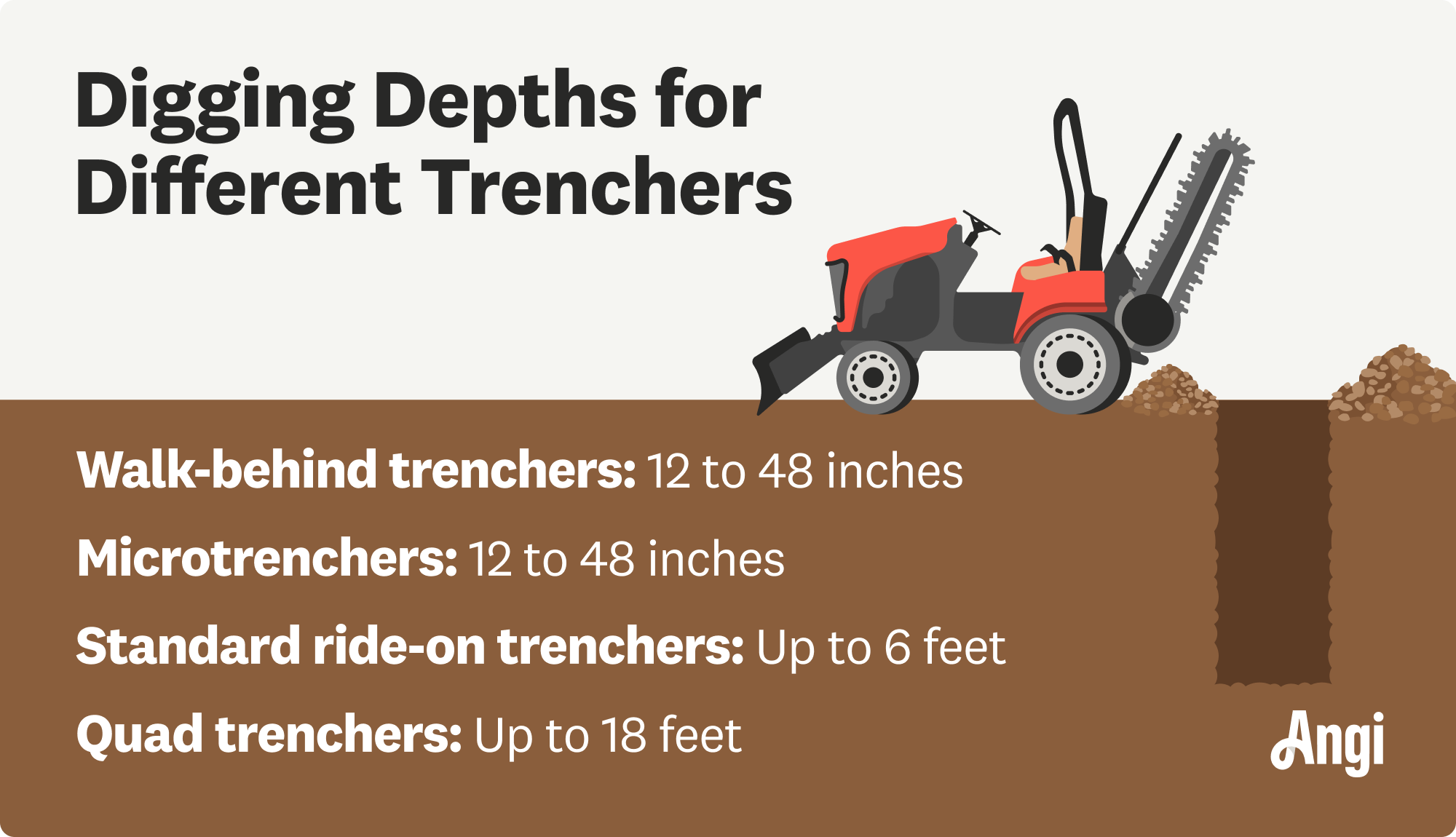
Walk-behind trenchers: 12 to 48 inches deep and 8 inches wide
Microtrenchers: 12 to 48 inches deep and 5 inches wide
Standard ride-on trenchers: Up to 6 feet deep and 16 inches wide
Quad trenchers: Up to 18 feet deep and 48 inches wide
When you look for trenchers, review the specs to ensure the machine can dig the depth and width you need for your project, local guidelines, and utility type. If you need some extra help planning, call an excavation pro near you for a little guidance.
There are several types of trenchers to rent or buy, each designed for different projects, depths, and terrain.
Walk-behind trenchers are ideal for short-term, small trenching projects, such as digging a trench less than 4 feet deep and 8 inches wide. Walk-behinds work well on properties with space constraints, and they don’t cause as much damage to the terrain as other types. They are more labor-intensive than ride-ons, but they’re far less labor-intensive than digging with a shovel.
Walk-behinds are less expensive to buy or rent because they don’t offer the same power and depth as ride-on models.
Microtrenchers are ride-on trenchers that dig deep, narrow trenches, cutting through everything from dirt to asphalt and pavement. Within a slender cut, less than three inches wide, micro trenchers cause minimal damage to the surrounding environment. Microtrenchers are ideal for installing cables in shallow trenches that are 4 feet deep or less.
Ride-on trenchers are drivable diggers, making them faster and less labor-intensive than walk-behinds and shovels. These trenchers can handle dense and rocky soil with ease. Rise-ons are great for projects longer than 250 feet, trenches wider than 8 inches, and trenches up to 6 feet deep. If you have a long trench to dig or multiple trenches, it makes sense to rent a ride-on trencher, but you’ll need to learn how to operate the machinery safely and accurately.
Quad trenchers are heavy-duty, powerful ride-on trenchers that are great for digging deeper than a standard ride-on. Quads can dig up to 18 feet deep and 48 inches wide. They also have different attachments to move material, place pipes, or backfill soil.
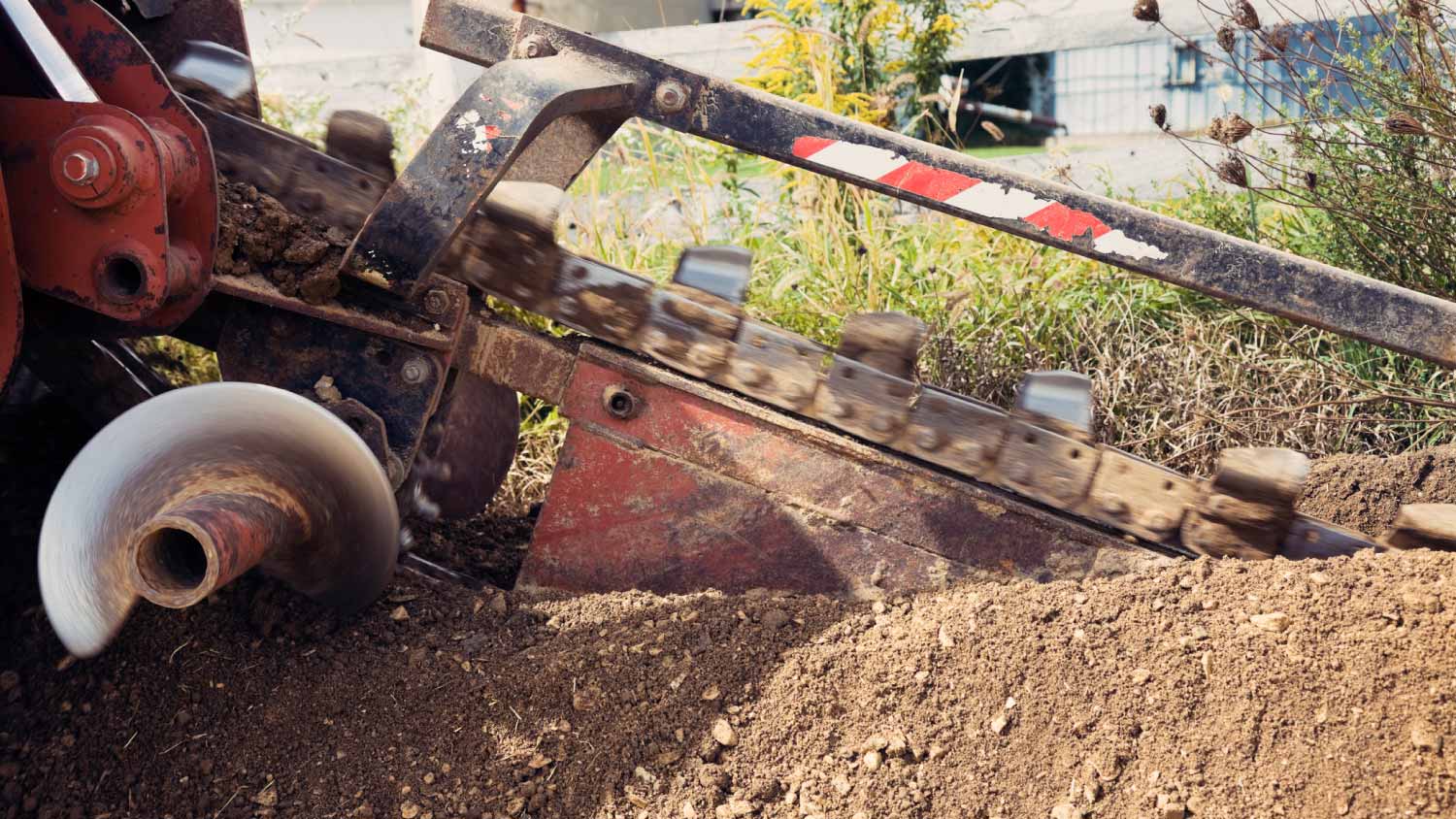
To ensure a smooth and effective dig, make sure you’re familiar with your property’s soil conditions and terrain and that you have a clear plan of action for your project. Here are the main factors to consider when choosing a trencher type:
Depth and width of the trench needed
Type of soil
Type of terrain (i.e., hilly, rocky, full of roots)
Obstructions and space restrictions
Surrounding environment and ecosystem
Familiarity and comfort level operating machinery
Time allocated to complete the project
Budget
Before trenching, check your local guidelines to see if a permit is required and if there are any special regulations for the utilities you’re installing. You should also call the 811 dig line. They’ll mark all underground utilities so that you can avoid personal injury, a gas leak, or damage to an existing utility line.
Before just setting it to “dig” and wishing yourself luck, learn how to use a trencher to ensure safe operation. If you don’t know what you’re doing, you could damage your property or hurt yourself or others. There’s also a very real risk of death if you’re not 100% sure how to safely operate a trencher. If you’re not confident about the job, contact local excavation companies to receive quotes and discuss your project.
Amazing job. Efficient and quick without compromising quality. Basement feels brand new. Would use them again in a heartbeat.
 AffordaPro Restoration
This company is my go to resource for all my post renovation clean ups. They get the place spotless! All we have to do after is stage the place and sell, sell, sell! They are super professional and have some amazing scent that is left in every property. I highly recommend!
 The Royal Sanitation Group
Custom Paint Jobs LLC took our exterior from drab to fab! We couldnt be happier.
 Custom Paint Jobs, LLC
We had our houses windows and back door replace this summer by Window Depot USA of Central. He gave us grate advise and saved my family lots money. The team did a fantastic job with installation. If you need help, they sure get job done right!
 Window Depot USA of Central Ohio
Beginning with the estimate, Larry and Peyton were super helpful in getting my new condo's interior re-painted. Not only was the job well done, but also done in a super timely manner as promised.
 Five Star Painting of Plain City and Powell
Great job...edging and pre clean up went well with a great job with seal coat. Friendly, efficient and professional.
 All Star Paving and Sealing
Did an amazing job transforming my yard. Also installed sod in places, would recommend to everyone.
 Cardinal Landscaping & Construction LLC
Very knowledgable, very respectful and did a great job. They take pride in their work and it shows. I would highly recommend Dad's Home Repair and Excavation.
 Dad's Home Repair & Excavation
They do good work, were quick to respond, and their prices were as reasonable as plumbing work can be. They were fairly good with the sewer cleaning, and I have no complaints with their work, but I had to go beyond what they could do and get some excavation work done.
 ARS / Rescue Rooter Columbus
From average costs to expert advice, get all the answers you need to get your job done.
Digging a trench is usually the first step in a larger home project. Our trenching cost calculator breaks down the factors that affect the price tag of this job.

If you’re building a new home, you might need to consider the cost of digging out a basement. Use this pricing guide to get an estimate for the project.
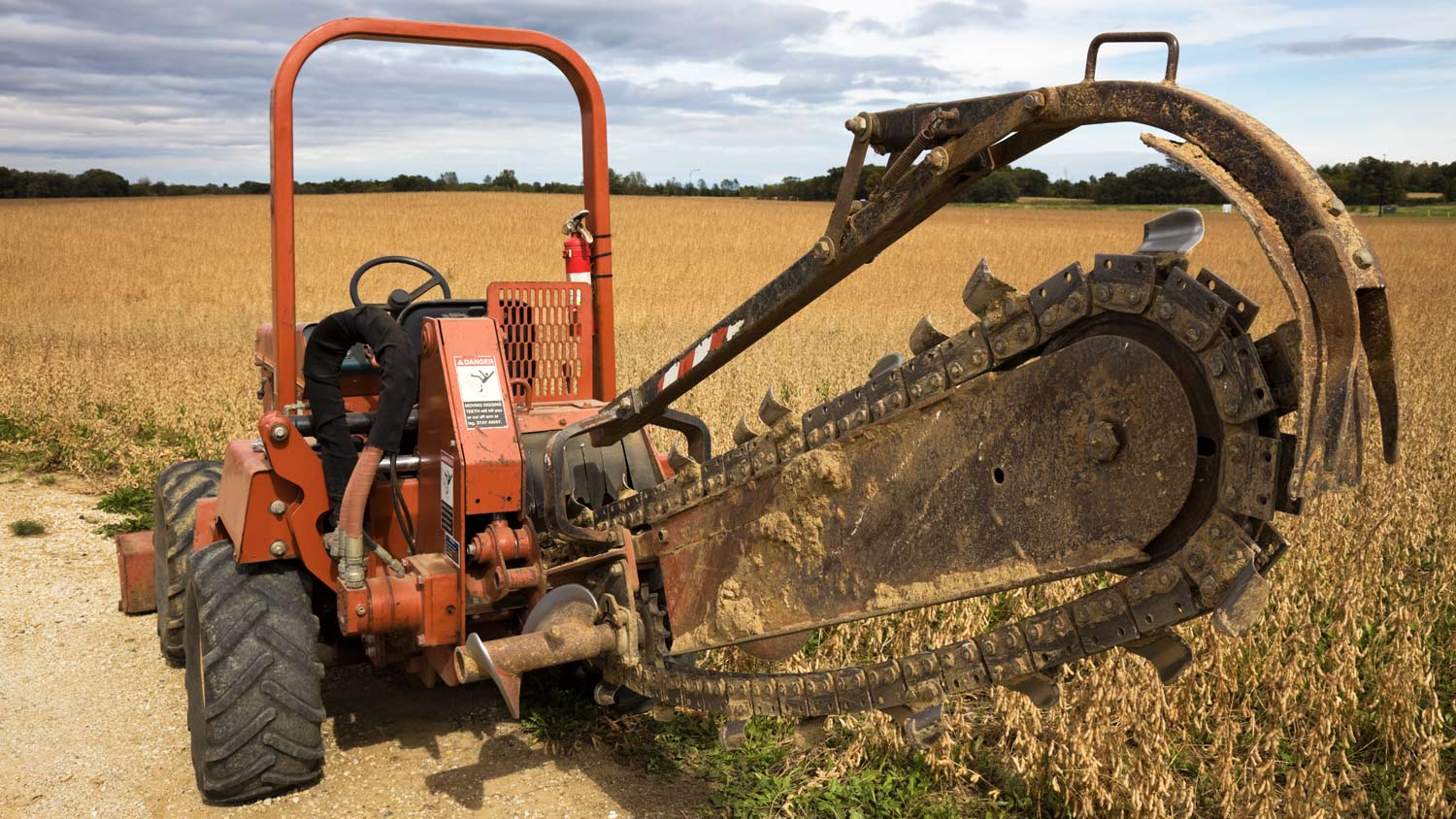
If you need to dig a trench, you might be tempted to do it yourself instead of hiring a pro. So, how much does it cost to rent a trencher? Let’s break it down.
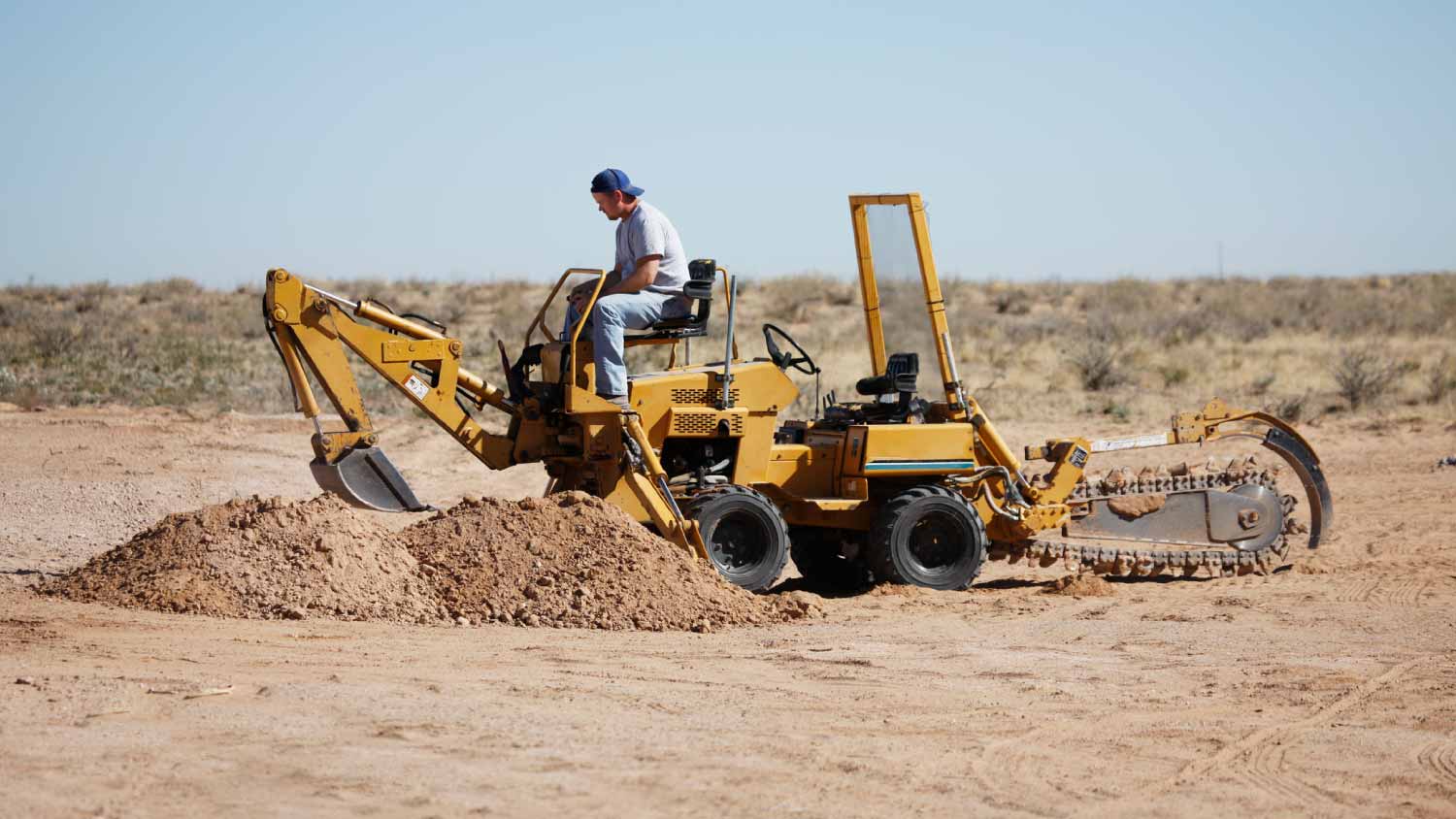
When planning to trench, you may be concerned about rocky ground. Can a trencher go through rock? Find out what your trencher can cut through in this guide.
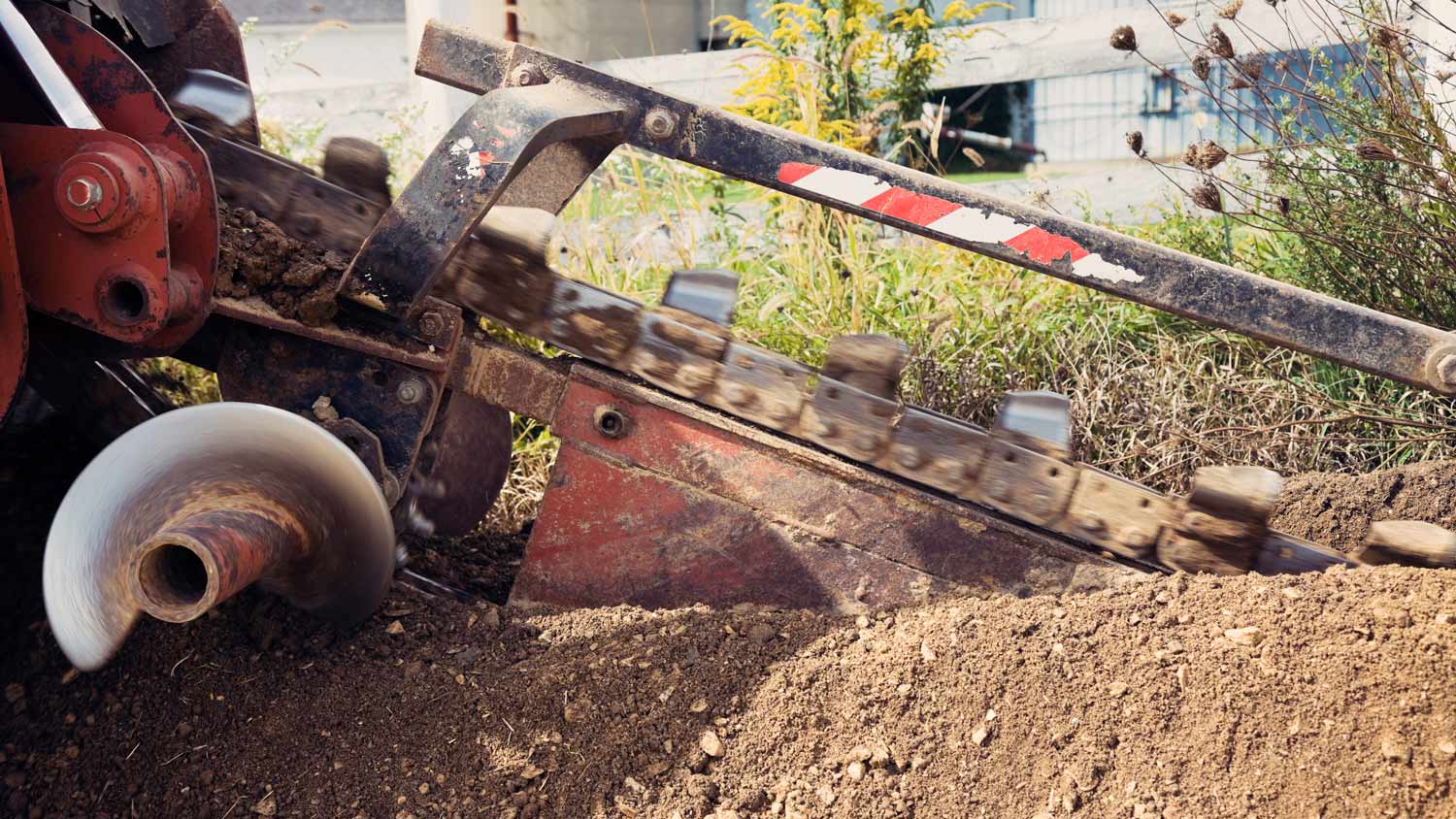
Using a trencher is more efficient than using a shovel when excavating. Here’s a basic guide on how to use a trencher for your next project.
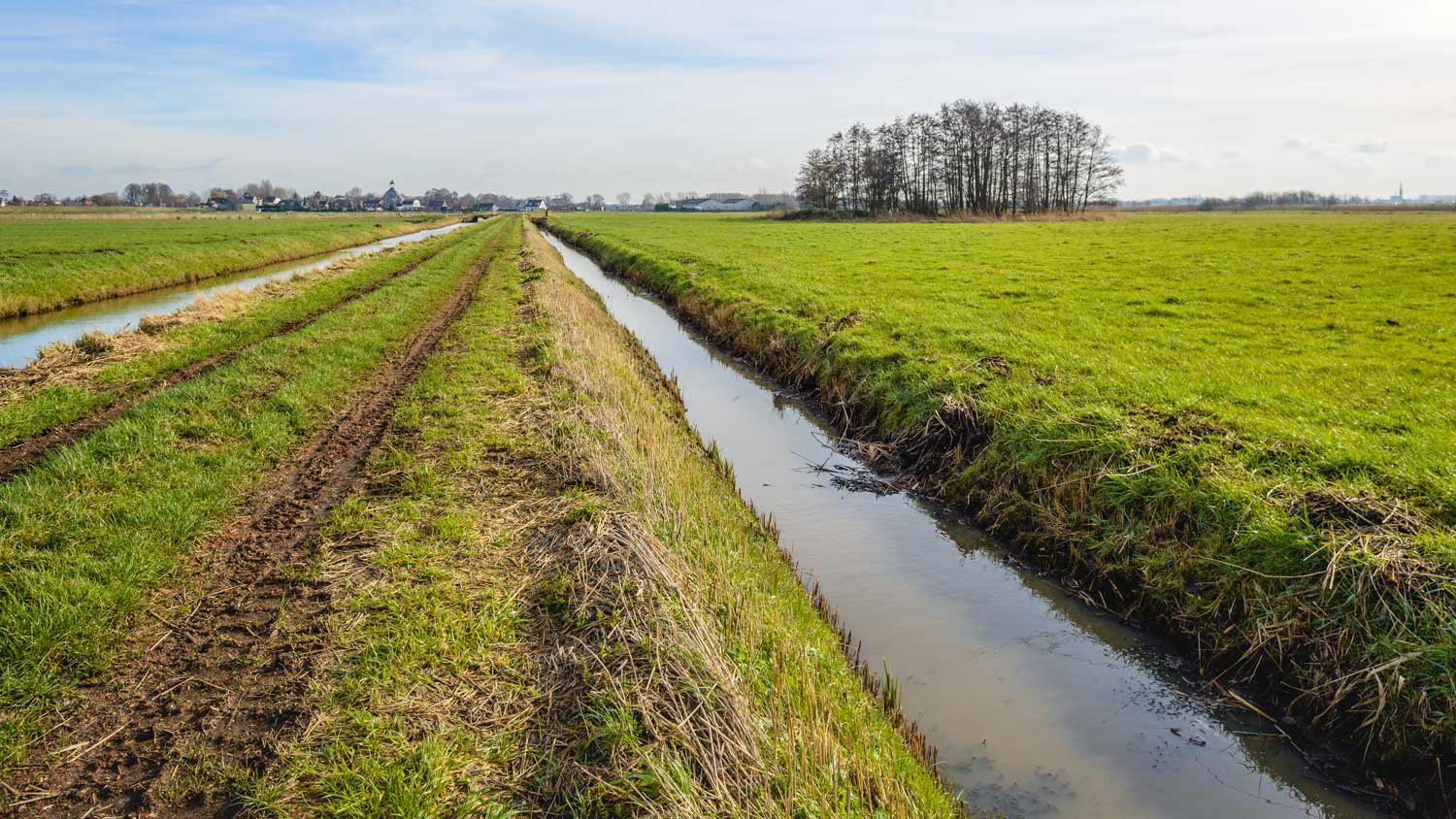
Trenches and ditches both involve excavation, but they serve different purposes. Unsure which one you need? Let’s compare a trench versus a ditch.