
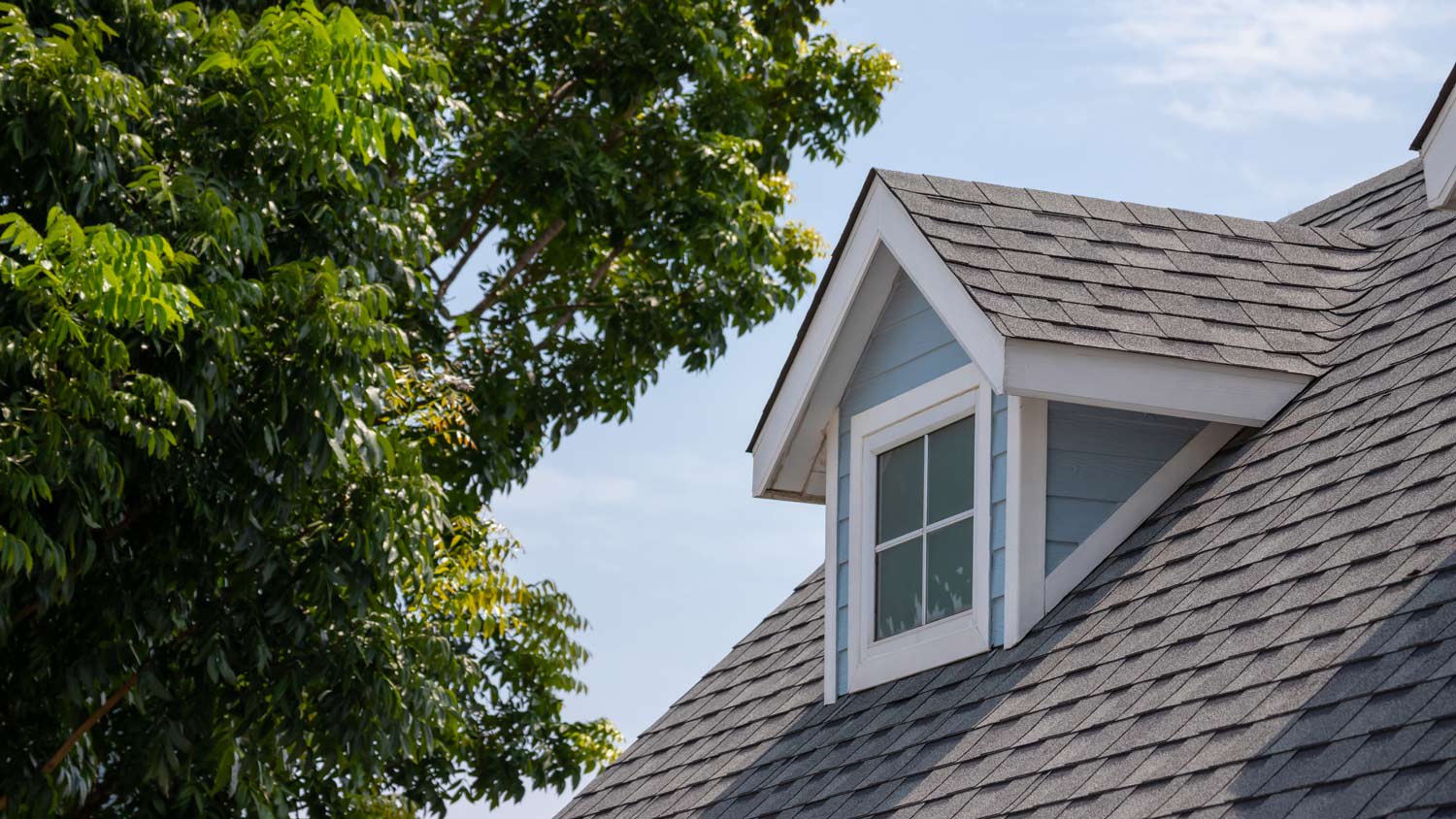
Sealing your roof can help preserve its life span—you just have to choose the right coating. This guide will help you budget for your total roof coating cost.
Here’s the skinny on gaps between your roof and walls

Gaps between your roof and walls can be intentional builders' gaps for ventilation, or they can signal water damage, pest entry, or structural issues.
Expect to pay around $1,650 for professional expanding foam spray installation, while DIY sealants cost as little as $20 for smaller repairs.
Seal smaller gaps with spray foam or silicon caulk to prevent leaks, or install wire mesh to keep pests out while maintaining airflow.
Hiring a local roof and siding professional provides reliable help with flashing repairs and gap diagnosis, keeping your home protected from water and pest damage.
Everyone wants a solid home, so it can be disconcerting to find a gap between your exterior walls and roofing. Surprisingly, though, those gaps may be intentional—builders often leave slight gaps to allow building materials to expand. However, large gaps can let in pests and water, and they can be a sign of a bigger underlying problem.
Here’s what you should know about how to fill gaps between the roof and walls.
The decision of whether to fill gaps between your roof and wall isn’t as simple as it might seem. Sometimes these gaps are intentional and even necessary; and, sometimes they’re the result of poor construction, wear and tear, damage, aging, or precursors to bigger problems.
Before you fill a gap between your roof and wall, you need to determine if the gap is a problem. You may be able to do this yourself, based on the location and size of the gap, or you may want to call a local roofing or siding contractor near you for an expert opinion.
One of the best ways to tell if a gap needs to be filled is its location and size. If the gap is relatively small, and is located on the outside of your home, under the eaves and between your roof and the siding, it’s most likely a builder’s gap. This is intentional space that’s left to allow for attic airflow, and the subtle shifting of construction materials. Most of the time, this gap doesn’t need to be filled; however, if you have issues with pests of water entering your home through this crack, you can seal it with flashing, a drip edge, flexible spray foam, wire mesh, or another substance that still allows for movement and airflow.
If the gap is large or growing, missing attachment points like screws, is the result of obvious damage, is located along the length of the gutter system, allows pests and water to enter your home, or is causing other issues–you should seal it. If the gap is growing increasingly wide, you should consult with a pro to confirm it isn’t the result of a foundational or structural problem.
The cost to fill a gap between your roof and wall will vary greatly, depending on the cause and severity of the gap, its location, and the repair method used. On the low end, a DIY patch using spray foam or an inexpensive wire mesh–to keep pests out and the air circulating–can cost as little as $20, or nothing at all if you already have the supplies. Hiring a pro to apply expanding foam spray around your entire home will cost around $1,650. A gap that is the result of a foundational or structural issue can cost thousands of dollars to fix.
If the cracks are related to an old or damaged roof, or if the leaks turn out to be roof leaks rather than from a gap, you should talk with a roofing company about how to fix a leaking roof or roof repair costs.
There are a couple different approaches homeowners can take to fill a gap between their roof and wall. Factors may include:
Age of your roof
Accessibility of your roof
Size of the gap
Your main concern (i.e., insulation, weather, pests)
Look carefully at the space at the top of your home, then choose an appropriate solution from the steps below.
There are three main ways you can fill a gap between your roof and wall. The best method for your job will depend on your specific problem, so you’ll need to determine the best solution for your situation.

Best for: New roofs recently installed by a contractor
If the gap between your roof and wall is brand new, this might be an issue to take up with your roofing contractor. Read your contract carefully, then without making accusations, call to inquire about the gap. Ask them to come close the space as soon as possible—especially if cold weather is around the corner.
A roofing professional may install new flashing in the area, or apply one of the same sealants you might use for an older roof-wall gap. But if you just paid for a new roof, your contractor should finish the job they started, especially if closing the gap is contingent on shingles that still need to be removed, or other incomplete work.
Best for: Surprise or sudden leaks and insulation issues
Gaps between the roof and an adjacent wall, like a second story or dormer, most likely need sealing up to prevent leaks, insulation issues, and rodent infestations. Two popular sealants for this kind of project are caulk and expanding spray foam. Both will help close the gap between your roof and wall and insulate your home.
Use spray foam for smaller (1- to 6-inch gaps) that are free of objects
Use silicon construction caulk for insulation and weather-proofing or an exterior-based caulking product for outdoor application
The cost to hire a roof expanding foam spray pro could be around $1,650. If you choose to tackle it yourself, note that spray foam shouldn’t be used near electrical boxes, near ceiling light boxes, or directly on top of your roof.
Best for: Keeping animals out and eave ventilation gaps (which are intentional)
Some gaps, such as an eave gap between the top of the wall and the underside of the roof are there for attic ventilation. Without it, moisture could build up and cause a plethora of other issues.
If your main concern is animals and other pests getting under your roof or into your attic, you might consider installing a wire mesh along the gap instead of using a sealant. This option works well for homeowners living in warm or drier climates, where rain seeping in isn’t as big an issue.
Measure the gap and purchase an appropriately sized outdoor wire mesh. Using a staple gun, carefully attach the mesh wire to close the gap. (For safety reasons, it’s best to do this with a partner holding the ladder below.)
If you’re reasonably handy and have some experience with similar home repairs, it is possible to fix a roof gap yourself. You can also hire a professional; they’ll likely be able to do the job faster and already have the tools and materials on hand. This can also save you a lot of time and keep you safe, as you won’t need to climb up and down a ladder.
If you’re not sure whether your roof gap is a problem, or whether you need to hire out the job, it’s a good idea to have a contractor come and assess the issue and give you a bid for any work they recommend. This will help you know whether the gap needs attention and whether the fix is a big or small job.
Mitchell and the crew were top tier i am so happy with my new roof
 Home Genius Exteriors
D1 Roofing delivers outstanding service from beginning to end, backed by a strong warranty and expert teams. I highly recommend them for their excellence in meeting and surpassing expectations with unmatched communication. Choosing D1 Roofing was flawless decision
 Division 1 Roofing LLC
This place took $25,000 for a flat roof job with a five-year warranty and never returned to fix the leaks that were caused by their work. These people are not professionals and should not be doing this type of work. They incorrectly changed the pitch of the roof, and caused more damage than...
The technician was very professional and friendly. He answered all my questions and was very thorough. He left the fireplace area very clean . He inspected from the roof and advised me as to other work that might need to be done. There was no pressure there. I was very satisfied with the...
 Supreme brick & chimney
I am really impressed with their timeliness and turnaround. Mitchell came out, and we decided to move forward with their pricing. Our roof was on within a week, and we could not be happier with their team! Amazing company, great prices and honest, dependable craftsmanship. I highly recommend...
 Window Depot USA of Central Ohio
Manuel Calvillo is the best option in the area for roofing and you won't be disappointed.
They damaged multiple items on my property, including a marble slab used as a table top, tried to hide it, and refused to pay or replace. Arrived day one without a ladder to access roof & delayed a day. Left a mess in back yard; didn't wear face masks; no show by owner to property to see damages
 Grants Tree Service
I've hired Gary/Cherokee Roofing for two different homes, work quality, responsiveness, and completion have been great both times. And the prices quoted were very competitive. I would definitely hire again.
Lyle did a great job removing asbestos shingles from our front porch roof. They worked together with our roofer to make sure that the new roof was able to be installed on the same day that Lyle removed the asbestos shingles.
 Lyle Environmental
Bradley Builders did a good job replacing the roof on our front porch. They color-matched the existing shingles on the rest of the house and installed a metal ridge roll since we live in a historical neighborhood. They did the job while we were out of town. When we got back, everything was...
 Bradley Builders, Inc.
From average costs to expert advice, get all the answers you need to get your job done.
Sealing your roof can help preserve its life span—you just have to choose the right coating. This guide will help you budget for your total roof coating cost.
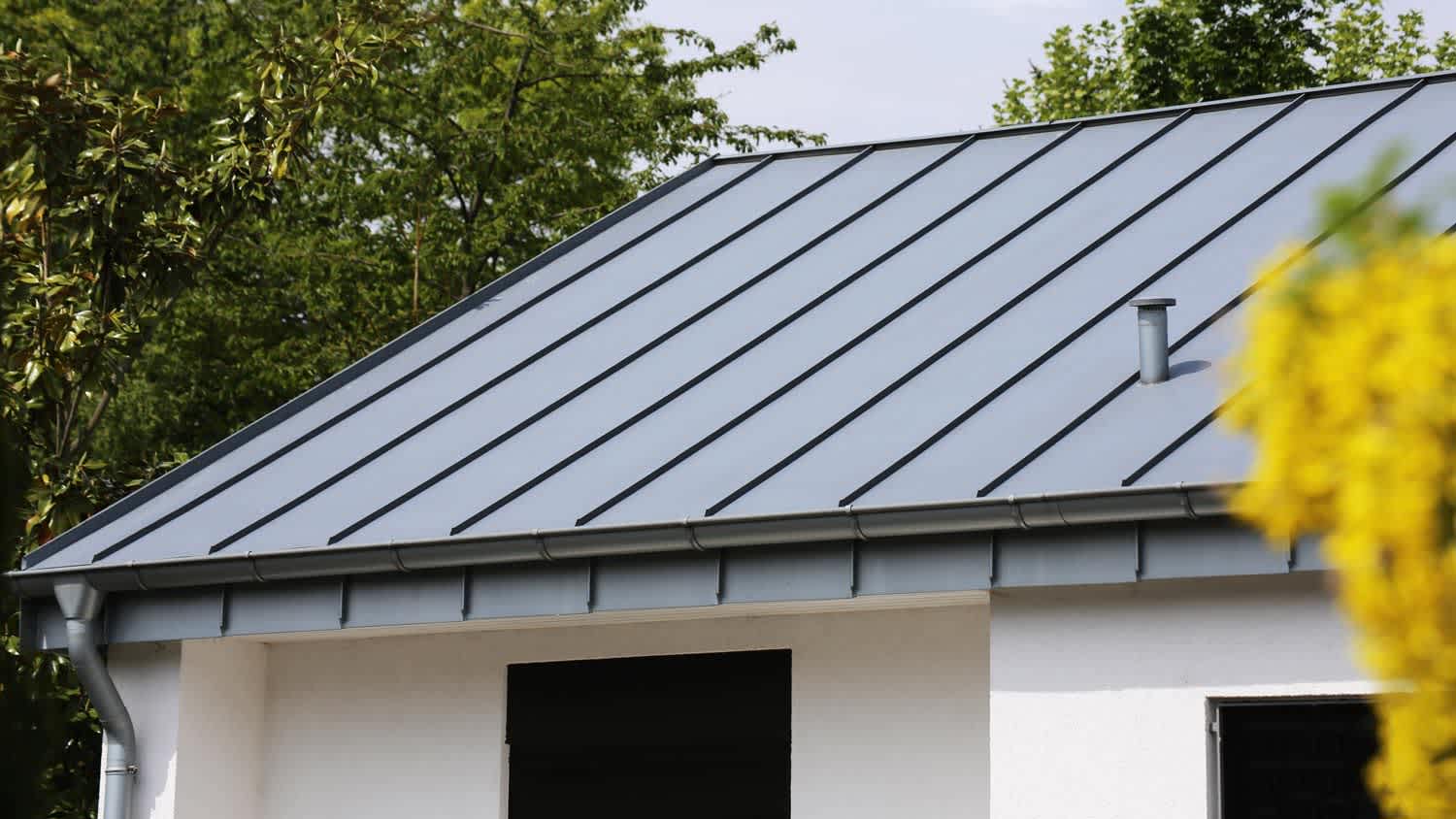
A standing seam metal roof is a long-lasting, durable option for your home. Learn how much a standing seam metal roof costs and what can affect the price.
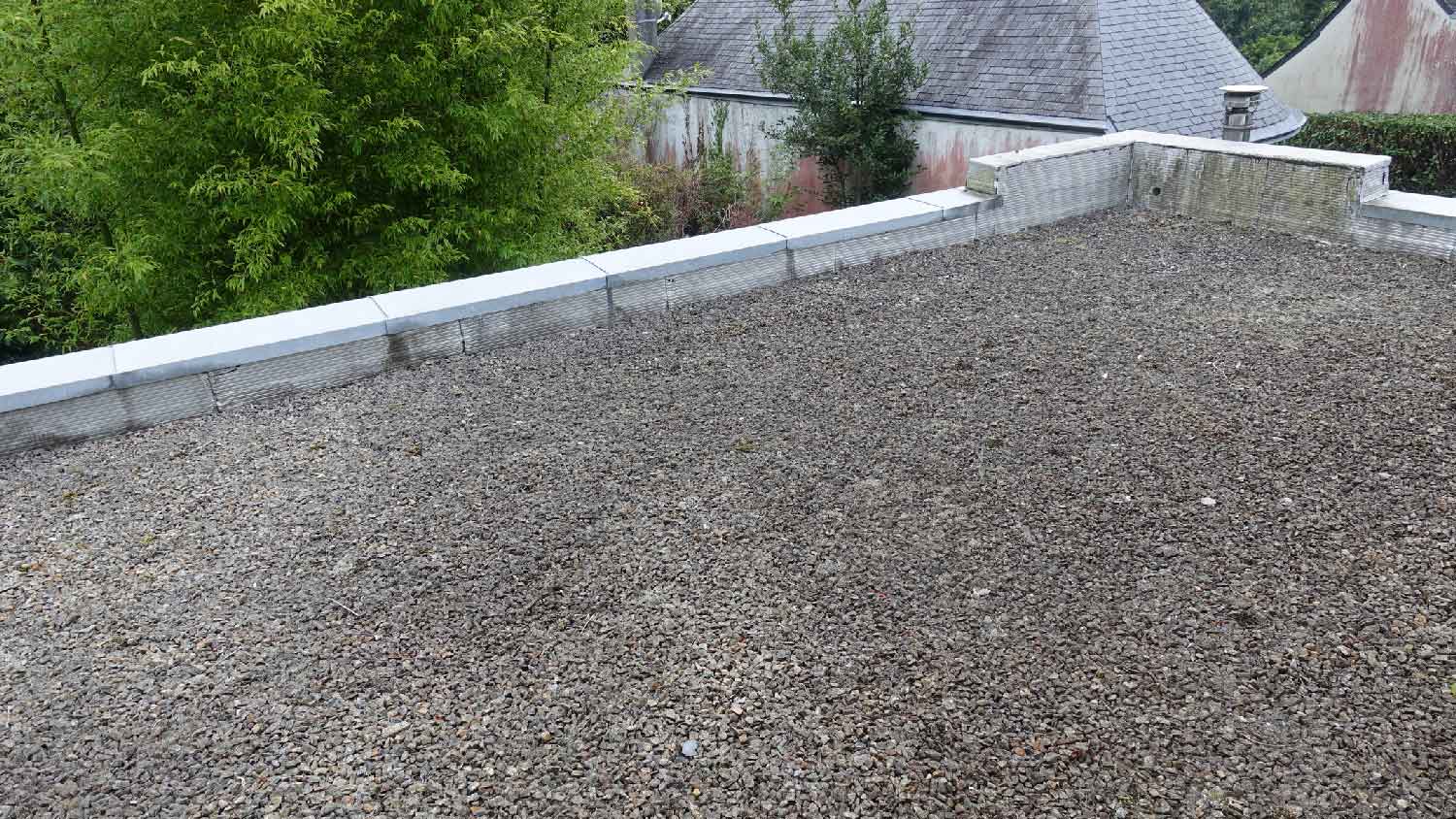
If you need a new flat roof, learn about tar and gravel roof costs and what can affect your total to make sure you budget accurately.
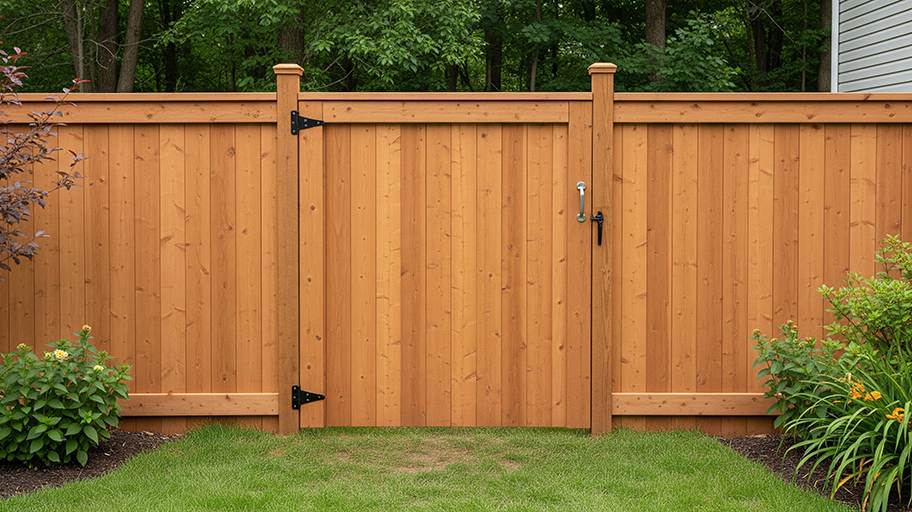
If your gate has significant space underneath, your yard isn’t fully secure. This guide offers three easy methods for how to fix a gap under a fence gate.

Yes, you can fix gaps in laminate flooring. Use these helpful tips to repair end gaps and parallel gaps in floating laminate wood floors.
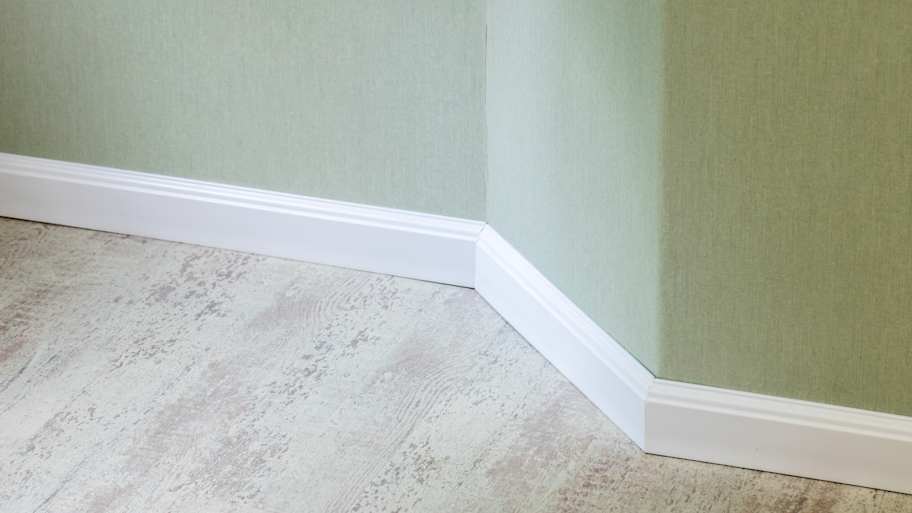
Learn how to close gaps between your floor and baseboard with caulk, molding, or strips. Discover the best methods for different gap sizes in this DIY guide.