
Fiber cement siding is more durable and attractive than vinyl. Learn about the cost to install fiber cement siding to see if it’s a fit for your project.
Come to a concrete decision on what type of reinforcement is best

Fiber mesh concrete uses small fibers mixed throughout the slab, while rebar-reinforced concrete relies on a steel grid for reinforcement.
Rebar-reinforced concrete is more affordable and widely available, but fiber mesh concrete helps reduce surface cracking with reinforcement mixed throughout the slab.
Fiber mesh concrete adds flexibility that helps your slab handle freeze-thaw cycles and soil movement, which supports fewer cracks over time.
Hiring a local concrete driveway professional helps you choose the right reinforcement for your project and ensures proper installation for long-lasting results.
Concrete is an incredibly durable building material when it has some type of reinforcement for added strength and longevity. The two primary options for strengthened concrete are fiber mesh concrete and rebar-reinforced concrete. In this guide, we’ll explain the differences between fiber concrete and rebar-reinforced concrete to help you decide which is the best and most valuable option for your next concrete project.
Fiber concrete is reinforced with small strips of carbon fiber that your concrete professional mixes directly into the concrete before pouring. This creates more uniform support and reinforcement throughout the concrete, reducing the risk of cracking and uneven settlement. Rebar-reinforced concrete has a grid of steel rebar running through the middle of the slab. Rebar-reinforced concrete is less flexible and more prone to cracking, but it’s more affordable and widely available.

Fiber mesh concrete has small pieces of carbon fiber mixed directly into it. When the concrete cures around the fibers, they create a web of reinforcement that adds tensile strength to the slab and helps reduce the risk of cracking on the surface.
| Pros | Cons |
|---|---|
| Less likely to crack | More expensive |
| Tensile strength | Harder to DIY |
| More flexible | Limited availability |
| Ideal for thin slabs |
Best for:
Non-foundation slabs, like patios and driveways
Slabs in colder climates, where greater flexibility improves lifespan
Areas with clayey soil that expands and contracts with moisture changes
The carbon fiber strips in fiber mesh concrete hold the slab together better and with more uniformity than steel rebar, which makes fiber mesh slabs less likely to crack on the surface. Two advantages of concrete with embedded fiber are increased slab lifespan and less need for concrete repairs and resurfacing.
Carbon fiber is more flexible than steel, so fiber mesh concrete can flex more than rebar-reinforced concrete. This makes it a better option in areas that see a lot of ground movement, whether from frost heave through your sand or gravel sub-base in colder climates or contraction and expansion where there’s a high concentration of clay in the soil.
Finally, rebar is really only a suitable option if your slab is more than 3 inches thick. For projects like concrete countertops, concrete dining tables, and some walkways and sidewalks, fiber mesh concrete is a better option and allows for thinner slabs with similar strength.
Fiber mesh concrete is more expensive than rebar-reinforced concrete, in part because it’s a newer reinforcement option. Fewer companies offer fiber mesh concrete, so you’re less likely to be able to find a contractor that offers it, and you’ll spend more on the installation once you do find a professional.
Mixing carbon fiber uniformly into concrete requires access to a concrete mixer, so it’s a more challenging project to DIY.

Rebar-reinforced concrete has a mesh of steel rebar running through the middle of it. The steel bars provide tensile strength to the concrete, making it less likely to crack. However, since the rebar forms a grid in the middle of the slab and isn’t distributed throughout, the concrete has less tensile strength and is more likely to crack, especially under heavy loads.
| Pros | Cons |
|---|---|
| More affordable | Tensile strength |
| Widely available | More likely to crack |
| Easier to DIY | Low flexibility |
| Support | Thick slabs only |
Best for:
Home foundations
DIY concrete applications
Areas that see minimal soil movement
Rebar reinforcement has been the go-to option for strengthening concrete for over a century, and for good reason: it can support more weight. Not only is it the tried and true method, but virtually every concrete professional will be familiar and comfortable with it, making it more widely available and affordable.
If you’re DIYing your concrete project, rebar reinforcement is the way to go. You’ll still need to make sure you install the rebar properly, but you can get away without a commercial concrete mixer, making it an easier project to tackle yourself.
Rebar-reinforced concrete is durable and strong, but it’s more likely to crack under heavy loads because of its lower tensile strength. As a result, you’ll need concrete repairs and maintenance more often.
Steel rebar has no flexibility, so your concrete slab won’t either. This also means an increased risk of cracking, especially if you live in an area that sees extreme temperature fluctuations or where expansive soil is an issue.
Finally, rebar reinforcement isn’t always possible for thinner slabs, so projects like concrete countertops or concrete pavers may not work with rebar. You could opt for diamond mesh as an alternative, but this provides less strength than rebar.
When you’re deciding which type of concrete reinforcement will work best for you, make sure you consider the following factors.
Rebar-reinforced concrete has a grid of rebar running through the middle, so you won’t have any reinforcement material visible on the surface. Fiber mesh concrete will have visible fibers on the surface, which makes for a less appealing appearance.
Those visible fibers on the surface of fiber mesh concrete allow fewer customization options, too. You can stamp rebar-reinforced concrete, polish it, add a salt finish, and much more that just isn’t viable with fiber mesh concrete.
Carbon fiber is more flexible than steel rebar, and the fibers sit uniformly throughout your slab. As a result, your concrete will have greater tensile strength, will be able to resist soil movement better, and will be less likely to crack, requiring fewer repairs in the long run.
Rebar reinforcement costs less and is more widely available, so you’ll have less trouble hiring a concrete contractor that offers this option.
Fiber mesh concrete is technically easier to install. Since the fibers are mixed throughout the concrete, you don’t have to worry about keeping your rebar grid in the center of the slab while you pour. However, rebar-reinforced concrete is easier to DIY because you don’t need access to a commercial mixer to get a uniform distribution of fibers.
Both fiber concrete and rebar-reinforced concrete are relatively easy to repair, and the concrete repair costs will be similar.
Archie did a good job cleaning up the driveway before he laid down the sealer. It looks good. He was gracious and even helped me bring up my groceries. His rate was comparable to another company who came out to give me a quote and he talked to me personally rather than just text me a quote...
 Pro Seal Roofing & Paving
Wonderful. I am going to have them remove and replace my driveway in the spring.
 All Star Paving and Sealing
Working with Peter and his crew was a breeze. They were exceptionally polite and did a neat job to repair and seal our driveway. I will definitely talk to them first for additional work.
 Central Paving
The preformed a really good job the staff is incredible never been so happy with my home, A brand new driveway is like a face lift!!
 Pristine Paving
We recently had our office sidewalk repaired and CT Concrete did an "Outstanding" job. They were quick, friendly and the job is "flawless". I would highly recommend CT Concrete for any of your concrete/sidewalk needs.
Called Mark on a Thursday morning. Not really knowing if he could help me or not. I was having driveway, flooding issues due to a clogged channel drain and I was trying to figure out what direction to take. Heavy rains had come on Monday and again on Thursday leading to flooding in my garage...
 Mark Rodgers Construction
It went really well! The concrete looks, they even did some patch work on my buildings parking lot. That was such a plus! <br />
 AmeriCoat Asphalt & Concrete
Jand J has provided services for clients of mine for 15 years or maybe longer. They are always honest with their recommendations, providing good advice to my clients and competitive pricing. All three of the structural engineers whom I have dealt with in recent years have Jand J on their...
We first had Mark fix the back patio and liked his work so much we had him make a brick patio on the side of the house. When we decided to change our concrete walkway to brick, we wanted Mark to do the job because his prices were fair and he did such good work on t he other two projects.
 Mark Monnette Masonry
Mr. Lewis was extraordinarily responsive. At the time we realized that the concrete could not be repaired, we had intended to put our house on the market. We were anxious to get the work complete so that we wouldn't delay marketing the house. Mr. Lewis promptly returned our calls, provided...
From average costs to expert advice, get all the answers you need to get your job done.
Fiber cement siding is more durable and attractive than vinyl. Learn about the cost to install fiber cement siding to see if it’s a fit for your project.
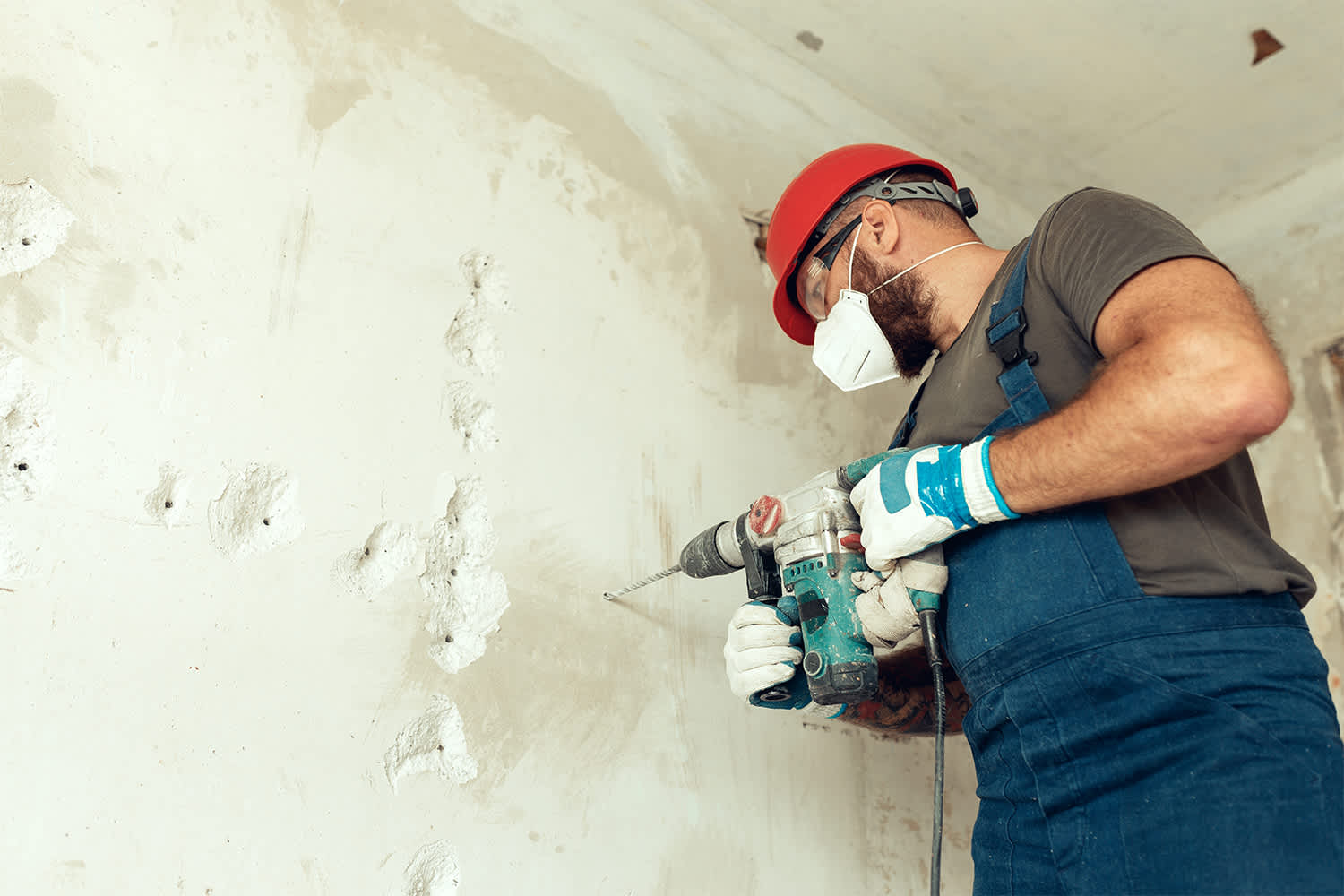
Time to get rid of that old chipped and crumbling walkway? Concrete removal costs can add up, but you have options to simplify the process. Learn more here.
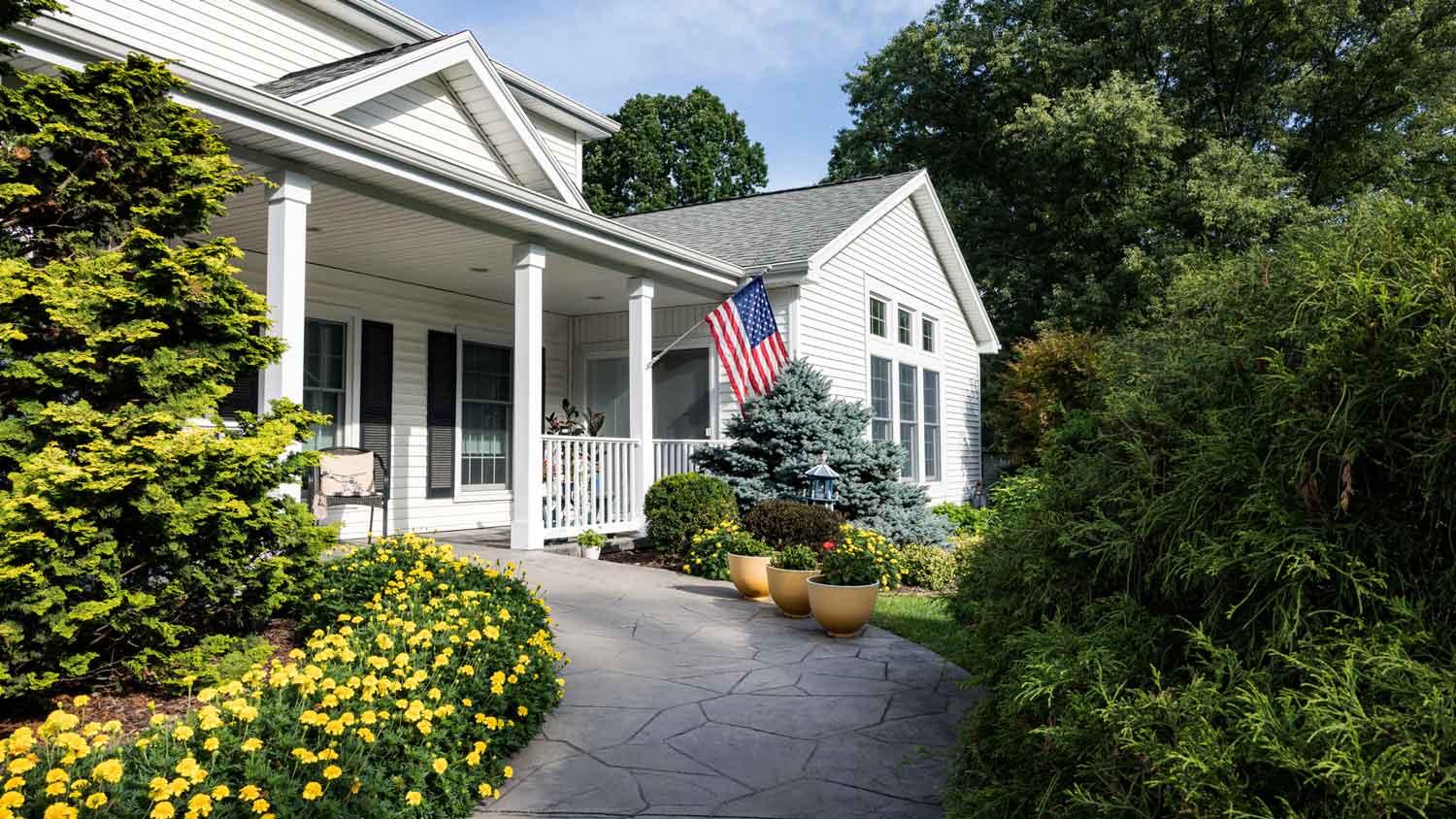
Looking to spruce up your home’s exterior and add some value? Use this concrete walkway cost guide to estimate the price of installing new paths.
Rebar is used to reinforce structures such as your foundation or driveway. Learn average rebar prices and how to budget for your project in this helpful guide.
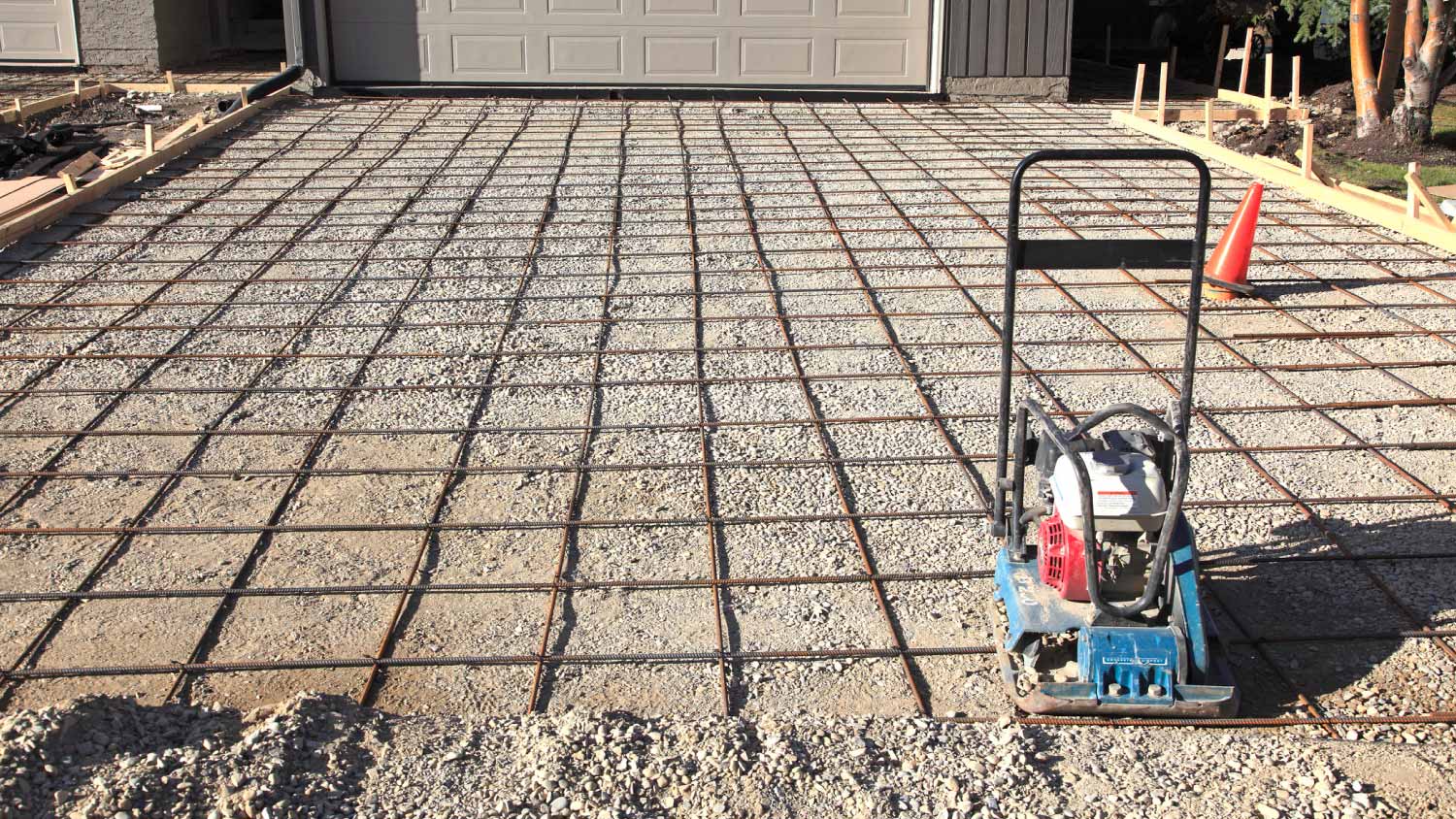
How much rebar do I need? This calculator will help you estimate for your concrete project so that you can map out your materials and budget.

When it comes to fiber cement siding vs. brick, fiber cement can mimic the look of brick but has different properties. Keep reading to see which one is best.