
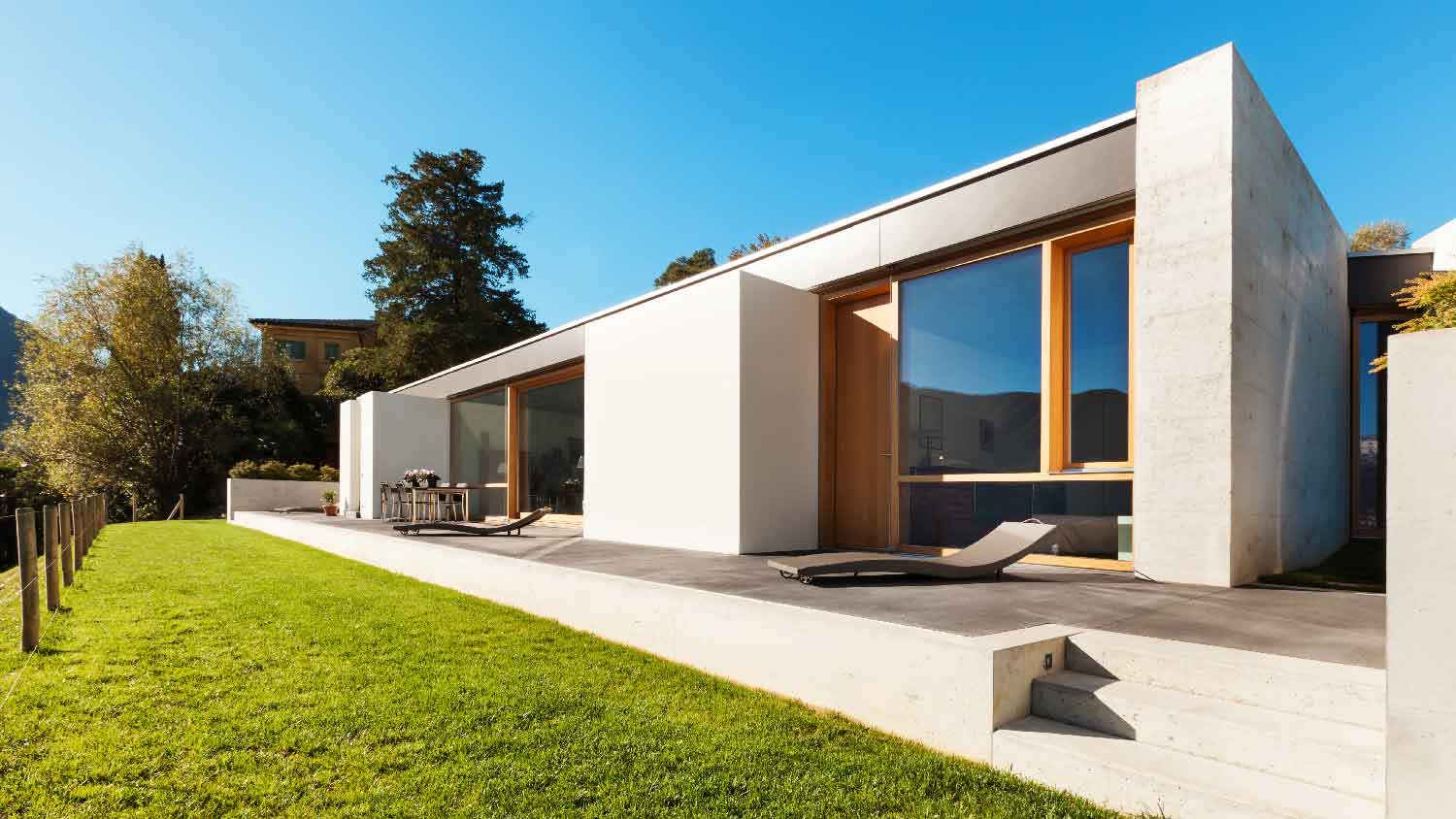
Concrete is a more durable building material than lumber. Learn how much a concrete house costs to build and what factors may affect your pricing.
Durability and easy maintenance aren’t the only advantages of concrete

The advantages of concrete include long-lasting durability that helps your driveway last 30 to 50 years with proper care and maintenance.
Concrete installation costs $4 to $15 per square foot, which is higher than asphalt but balanced by lower maintenance costs over time.
You extend your concrete driveway’s performance by prepping the base, adding fiber or mesh reinforcement, and cutting control joints to limit cracking.
Hiring a local concrete driveway professional helps confirm the right mix and installation steps, reducing early cracking and extending your driveway’s life.
Concrete is underfoot more than you realize. This durable material might have strictly been utilitarian in the past, but it’s become a versatile part of home-building and remodeling in the last few decades. Stamped, stained, and cast, the advantages of concrete make it a clear contender for driveways, foundations, walls, and more.

Concrete is a mix of cement, large and small aggregates, and water. The water and cement act as a paste that binds the aggregates together into a tough, durable material. The types and blend of aggregates and the water ratio determine the final product's weight, density, and strength.
According to the American Concrete Institute, an organization that’s studied and standardized concrete use and continues to innovate in the concrete industry, aggregates used in concrete vary and may include but are not limited to:
Brick chips
Crushed stone
Volcanic cinder
Gravel
Sand
Clay
Pumice
Shells
Standard concrete, like that used for driveways, typically has coarse aggregates mixed with sand. Other types may have smaller aggregates mixed with more water to make the concrete smoother for countertops or sinks.
No two building projects are exactly the same. However, there are few where concrete can’t be used in some capacity, whether indoors or out. Concrete brings clear advantages to outdoor uses, but those same strengths make it a definite contender for countertops, floors, and unique decorative designs, too.
The growing number of aggregate blends used to make concrete continues to expand the ways you can use it. Pros can:
Stamp it to look like brick or stone
Mix in a stain to create different colors
Cast it into different shapes
Entire homes are made of concrete, with different types offering added insulation.
How long concrete lasts (often 30 to 50 years for a concrete driveway) makes it a good long-term investment. Keep in mind that the life of the concrete varies by the concrete mix used, freeze-thaw cycles, and the use of deicers.
For concrete projects, like installing a driveway, you can improve the life of the concrete by:
Properly preparing the ground underneath
Mixing with the recommended water ratio
Using adequate fiber or mesh reinforcements
Adequately scoring the concrete
Additionally, concrete’s durability can balance concrete slab costs, which are generally higher than other materials. Keep in mind that if you’ve got a big project, a concrete driveway pro near you will make sure to use the right concrete mix and may create a custom mix to maximize the life of your concrete.
Concrete needs minimal maintenance, especially if you install it correctly. You can repair or coat it if you want, but that's not generally needed to maintain the structural integrity. You may need to repair cracks or deice in the winter to prevent damage from contraction and expansion. However, there's no need to seal every few years like you do asphalt.
According to the U.S. Department of Housing and Urban Development (HUD), concrete can resist wind and water damage, some of the benefits as a building material. You often use it to construct buildings in areas prone to hurricanes and other extreme weather conditions.
While the pros often outweigh the cons, it’s important to weigh the disadvantages of this material for your specific project and location. Your budget and geography could make concrete a less desirable option.
Installation costs: Concrete costs more at about $4–$15 per sq. ft. compared to asphalt at around $5–$7 per sq. ft.
Low tensile strength: Tensile strength relates to the forces needed to pull the concrete apart, and concrete’s tensile strength is relatively low. Concrete can’t expand and contract like asphalt. Consequently, it can crack in climates with extreme temperature differences.
Heavy: Weight might not matter for a driveway, but a concrete counter or sink may require reinforced cabinetry to support the concrete’s weight.

You can use concrete for everything, from driveways and foundations to countertops and sinks. You can buy bags of concrete mix ready to blend with the correct amount of water. However, you have to follow the directions carefully. Too much water weakens the concrete, while too little prevents the aggregates and cement from binding correctly. New concrete cracking isn't unheard of if the water ratio isn't correct.
Different types of concrete work better in certain circumstances and conditions. It takes time working with concrete to know which type to use and when. Professionals have the necessary experience and often mix their own concrete, adjusting the aggregates and water to fit the job, making pros a good choice for larger projects.
Concrete isn’t the only choice for home-building projects. It’s useful to know the differences between concrete and its competitors to make sure you get the right material for your project.

When you’re talking about driveways, you’re probably pitting asphalt versus concrete. The two are similar in some ways but different in how and when they’re used. Asphalt is made with a petroleum-based binder that’s mixed with sand and a small, fine aggregate. You also have to heat asphalt when mixing and installing for it to flow properly. Asphalt can only cover flat surfaces because it doesn’t hold its structure the way concrete does.
Concrete often gets confused with cement, and some people use the terms interchangeably. But they’re not the same. Cement is a binding agent and an ingredient used to make concrete. You can use cement alone in some cases, but it’s more prone to cracking and breaking down than concrete. Learn more about concrete versus cement.
Mortar is another material that’s similar to but not quite the same as concrete. Mortar is made of sand, cement, and water but no large aggregate. This material acts more like an adhesive and is commonly used by bricklayers.
Archie did a good job cleaning up the driveway before he laid down the sealer. It looks good. He was gracious and even helped me bring up my groceries. His rate was comparable to another company who came out to give me a quote and he talked to me personally rather than just text me a quote...
 Pro Seal Roofing & Paving
Wonderful. I am going to have them remove and replace my driveway in the spring.
 All Star Paving and Sealing
Working with Peter and his crew was a breeze. They were exceptionally polite and did a neat job to repair and seal our driveway. I will definitely talk to them first for additional work.
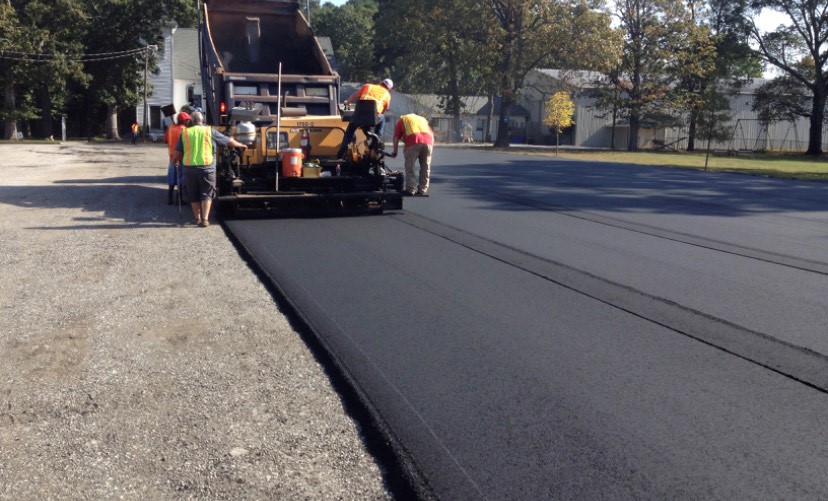 Central Paving
The preformed a really good job the staff is incredible never been so happy with my home, A brand new driveway is like a face lift!!
 Pristine Paving
We recently had our office sidewalk repaired and CT Concrete did an "Outstanding" job. They were quick, friendly and the job is "flawless". I would highly recommend CT Concrete for any of your concrete/sidewalk needs.
Called Mark on a Thursday morning. Not really knowing if he could help me or not. I was having driveway, flooding issues due to a clogged channel drain and I was trying to figure out what direction to take. Heavy rains had come on Monday and again on Thursday leading to flooding in my garage...
 Mark Rodgers Construction
It went really well! The concrete looks, they even did some patch work on my buildings parking lot. That was such a plus! <br />
 AmeriCoat Asphalt & Concrete
Jand J has provided services for clients of mine for 15 years or maybe longer. They are always honest with their recommendations, providing good advice to my clients and competitive pricing. All three of the structural engineers whom I have dealt with in recent years have Jand J on their...
We first had Mark fix the back patio and liked his work so much we had him make a brick patio on the side of the house. When we decided to change our concrete walkway to brick, we wanted Mark to do the job because his prices were fair and he did such good work on t he other two projects.
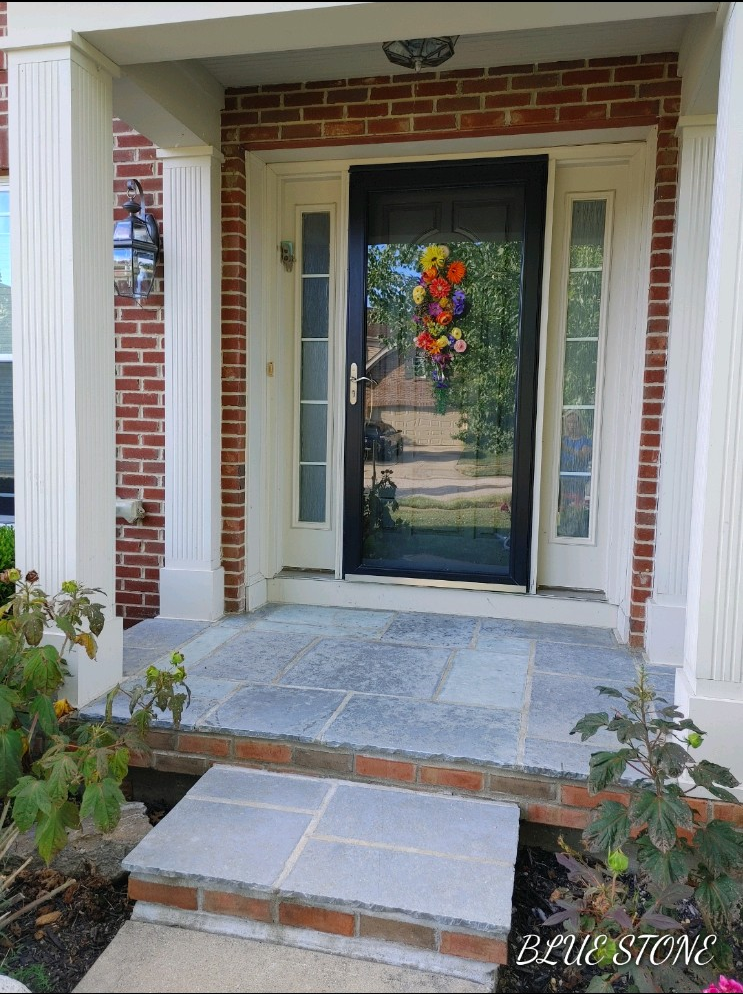 Mark Monnette Masonry
Mr. Lewis was extraordinarily responsive. At the time we realized that the concrete could not be repaired, we had intended to put our house on the market. We were anxious to get the work complete so that we wouldn't delay marketing the house. Mr. Lewis promptly returned our calls, provided...
From average costs to expert advice, get all the answers you need to get your job done.
Concrete is a more durable building material than lumber. Learn how much a concrete house costs to build and what factors may affect your pricing.
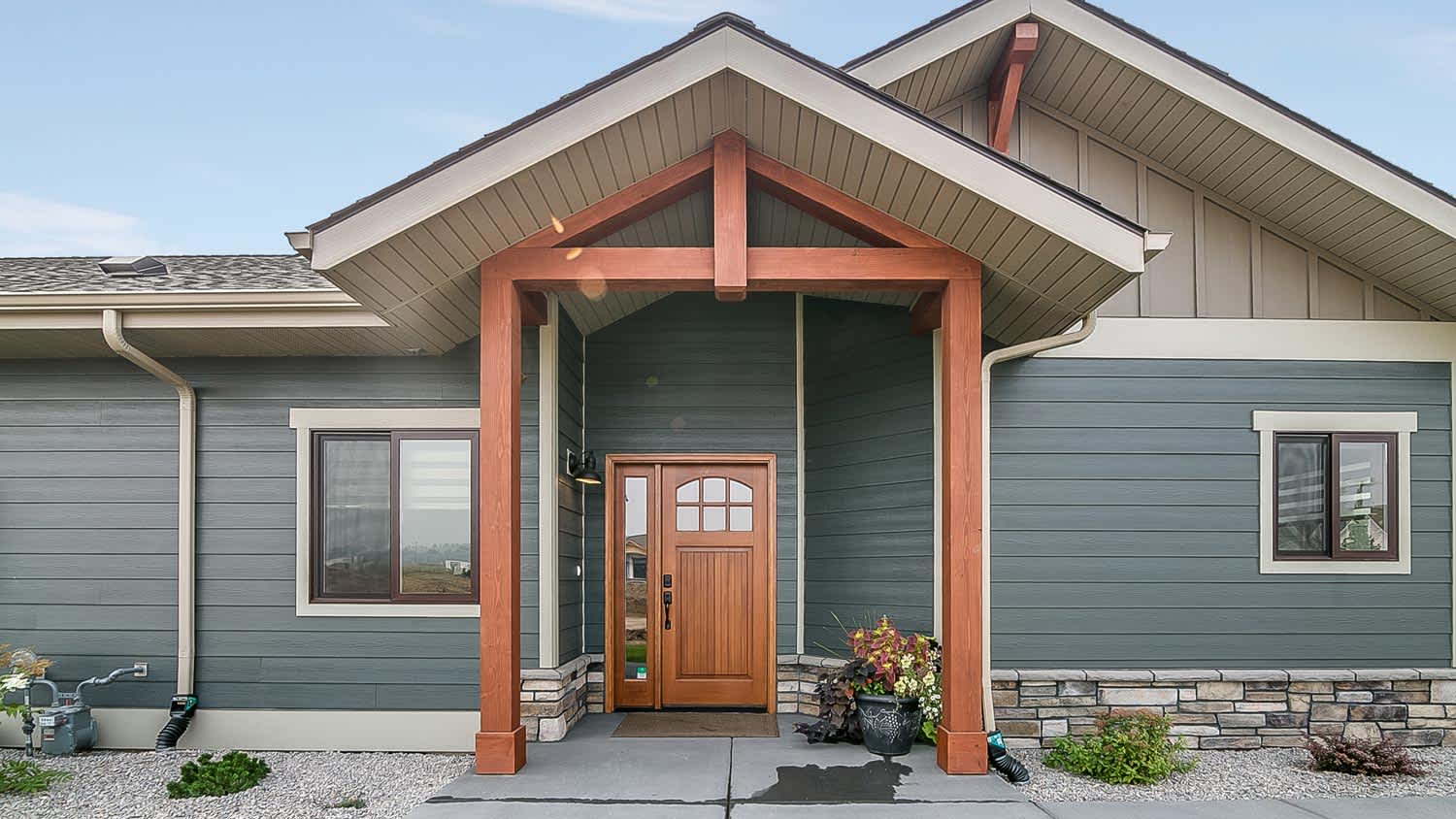
Concrete plays a role in more than just your foundation. No matter where you need the extra stability, here's how to determine your concrete slab cost.
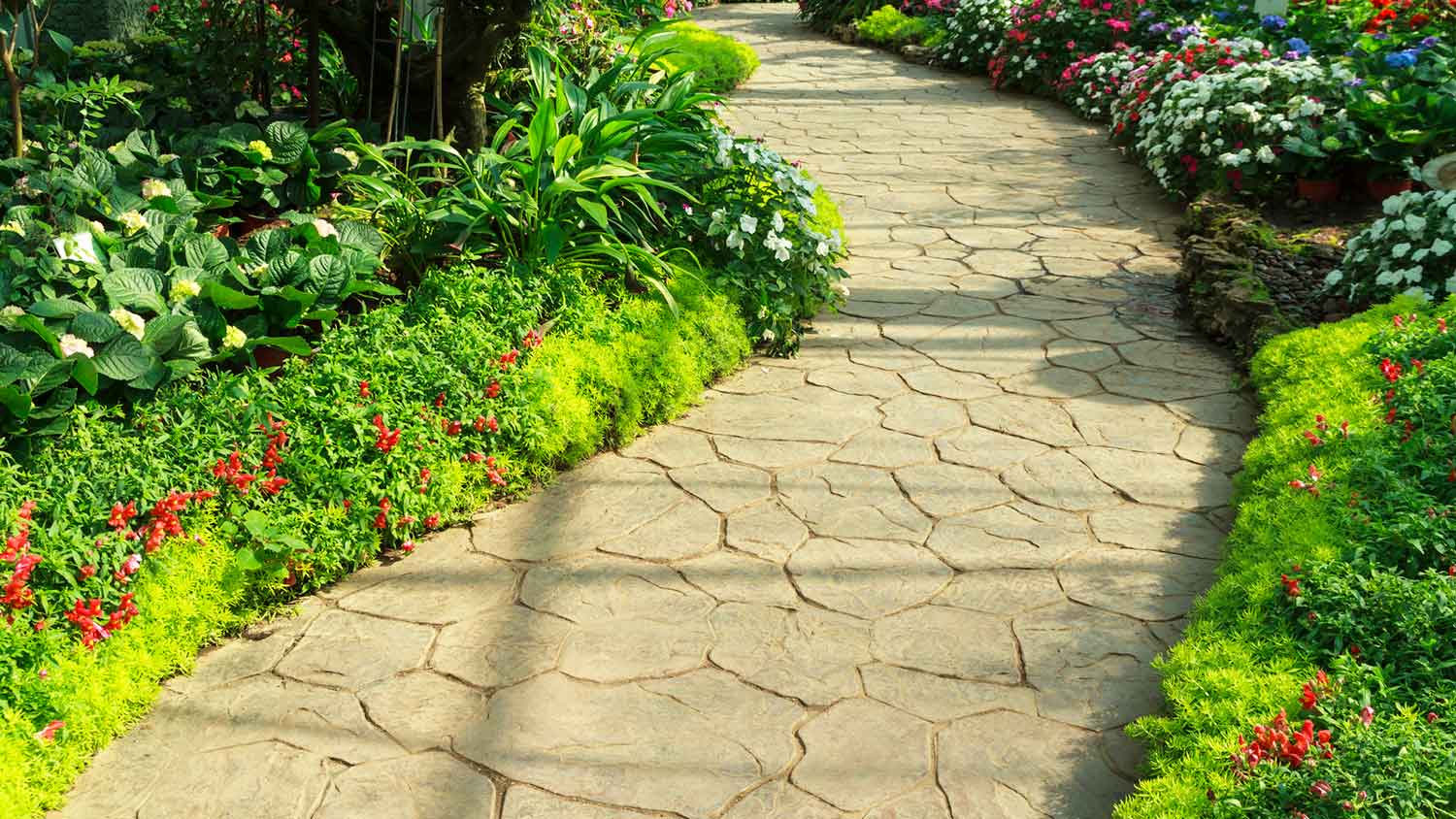
Discover stamped concrete cost. Learn about installation prices, cost factors, and how to save on your stamped concrete project.

Ready to add another DIY skill set to your list? Here's a step-by-step guide on how to make concrete for your next project like a professional.
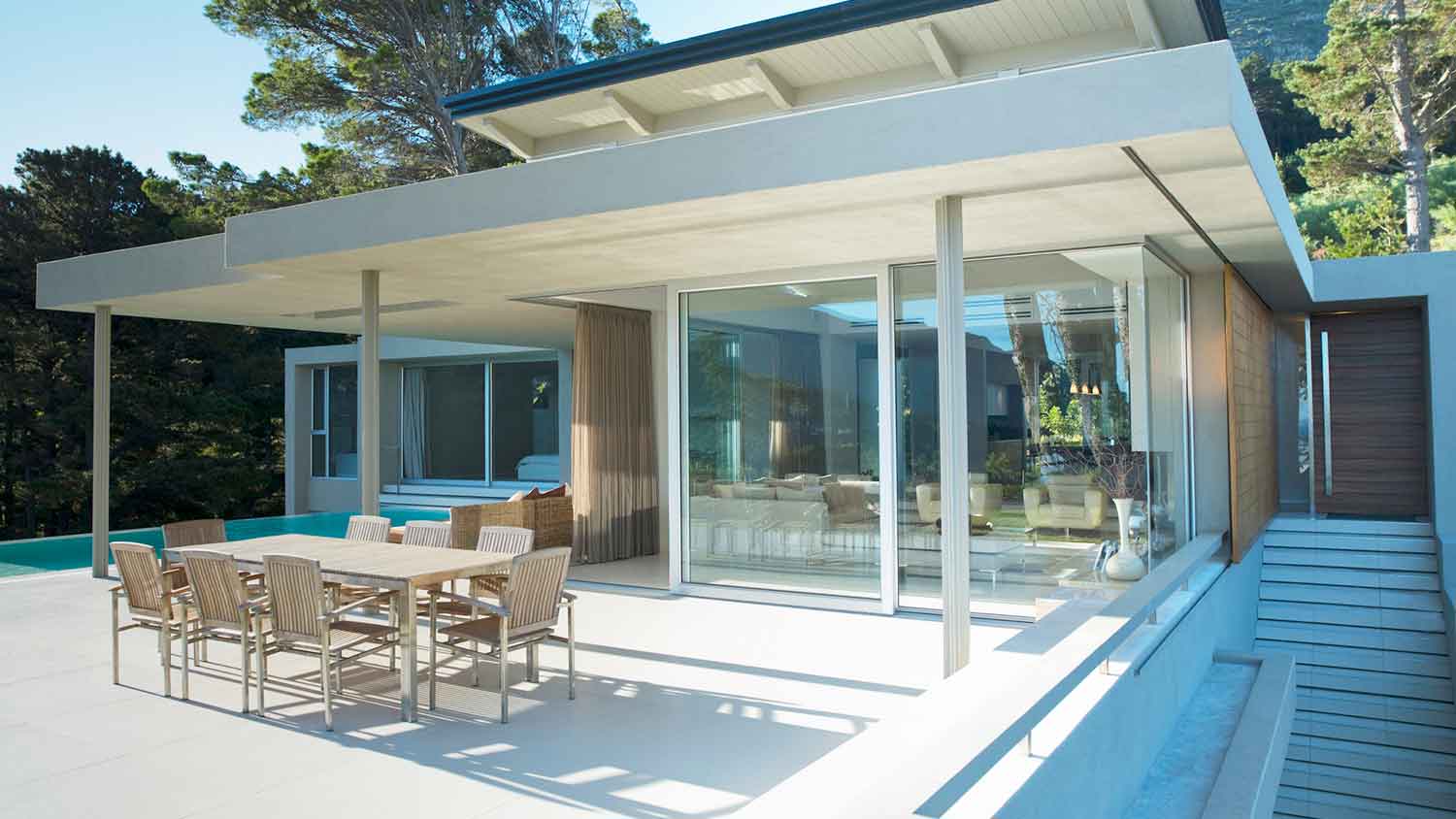
Not sure what type of concrete is best for your project? Learn about the differences between fiber concrete versus rebar-reinforced to get started.
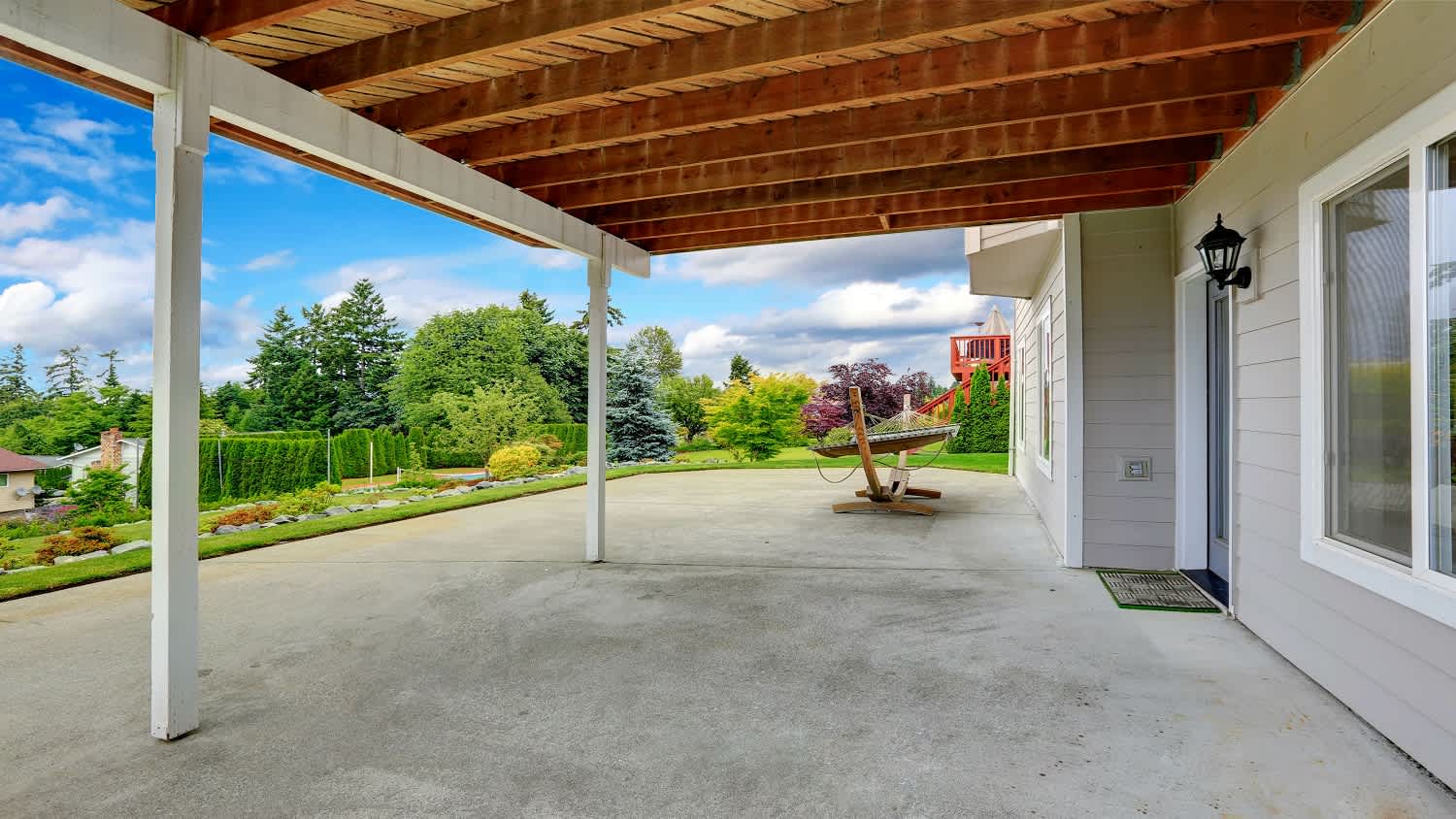
Cement and concrete often get confused for each other, but there’s a big difference. Compare concrete vs. cement so you get the right material for your project.