
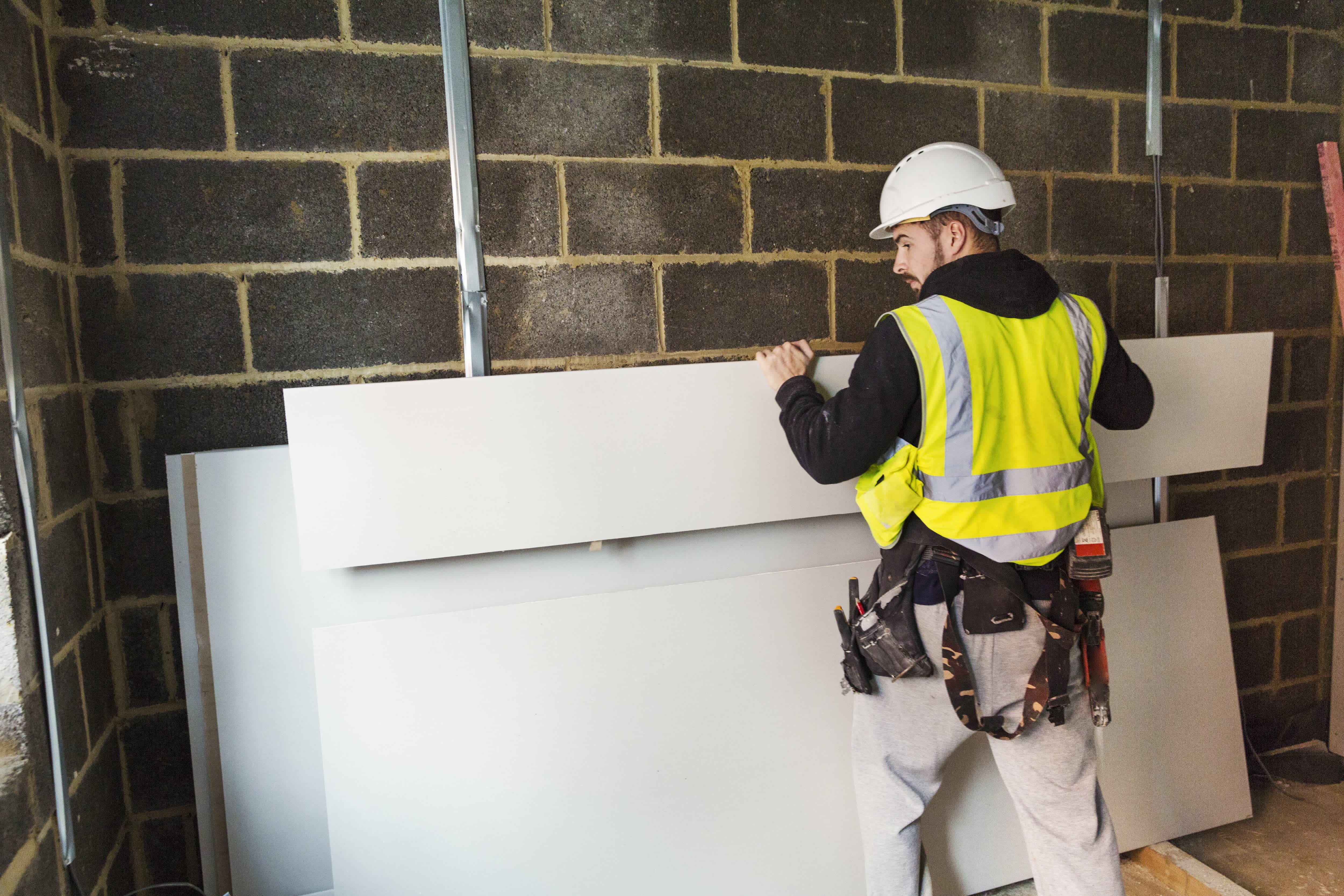
The terms drywall and Sheetrock are often used interchangeably, but one is a brand and one is a specific product. Find out which one you need in this guide.
Here’s how a board made of paper and pressed powder can be strong enough to hold up your house


Drywall is a building material made of gypsum sandwiched between two sheets of paper, creating a strong board that holds up to 10 pounds without anchors.
Different types of drywall use materials like fiberglass, wax, or resin to add moisture resistance, fire protection, or soundproofing, depending on where you install them.
Working with drywall creates fine dust containing silica and can expose you to mold spores or fiberglass, so proper ventilation and safety gear protect your health.
Hiring a local drywall professional keeps your home safe during installation or repairs, especially when handling cutting, sanding, or working with moisture-resistant or fire-rated materials.
You used to need to slather wet plaster over your walls in multiple, slow-drying layers to build your home. Today, all you need to do is hang a few sheets of drywall. But what is drywall made of? These boards contain gypsum, just like plaster, but it’s already dried, hardened, and ready to hang. Learn more about the different components of drywall below.

A sheet of drywall is made of three layers: paper, a gypsum blend, and another layer of paper. Some drywall also contains other ingredients and additives, depending on the type.
The main ingredient in drywall—about 90% of it—is gypsum: a soft, naturally occurring mineral that is also used in plaster, fertilizers, and sidewalk chalk. It’s also why you’ll hear drywall sometimes referred to as “gypsum wallboard” or “gypsum board.” Part of the reason gypsum is used in making drywall is because it’s naturally fire-resistant.
To make a drywall board, manufacturers crush, heat, and partially dehydrate gypsum. The resulting powder is re-mixed with water and additives to form a paste, which is then spread between paper and dried to form a board with rock-like hardness. Finished drywall can hold as much as 10 pounds of weight without anchors or reinforcement. A sheet of drywall itself weighs between 50 and 70 pounds, with most of the weight coming from the gypsum.
On each side of the gypsum layer is a cellulose paper backing. This paper makes drywall boards easier to handle, store, and transport. The paper facing on drywall also allows for a smooth finish on your wall after mudding with joint compound and painting.
However, the paper is susceptible to mold damage, especially when used in wet rooms such as kitchens and baths. That’s why pros often use moisture-resistant drywall or add plastic behind drywall in moisture-prone rooms.
Drywall may also contain additives that lend the drywall different properties, such as soundproofing or moisture resistance, depending on their use.
| Drywall Material | Added Properties |
|---|---|
| Mica | Workability, crack resistance |
| Fiberglass | Strength, fire resistance |
| Resin | Moisture resistance |
| Wax | Moisture resistance |
| Plasticizers | Workability |
| Perlite | Soundproofing |
| Vermiculite | Soundproofing, fire resistance |
| Boric acid | Strength, fire resistance |
| Wood fibers | Flexibility, soundproofing |
| Fly ash | Strength, moisture resistance |
Using different materials allows drywall manufacturers to create different types of drywall that are suitable for different needs. For example:
Greenboard: When manufacturers seal the paper on a drywall board with a waxy coating, they increase its water resistance. The result is a type of drywall called greenboard because the paper is often green in color.
Type X: Some types of drywall, such as Type X and Type C, have fiberglass added to the gypsum core. This is designed to provide extra fire resistance, making it a good choice for ceilings, garages, homes with fireplaces, or anywhere you need to reduce the risk of fire spread.
Paperless: Using fiberglass on either side of the gypsum core instead of a paper backing can inhibit the growth of mold. This “paperless drywall” is especially useful for rooms with higher moisture levels. However, you still wouldn’t want to drywall over tile or use it in shower stalls.

Cutting and sanding drywall creates a fine, silica-containing dust that can irritate your eyes, nose, throat, and lungs. Similarly, wet drywall can harbor mold spores that can cause allergic reactions, including difficulty breathing. And the fiberglass in some types of drywall can irritate your skin, eyes, and lungs.
That’s why it’s important to wear plenty of personal protective equipment (including a respirator mask and goggles) and properly ventilate the area when working with drywall. The easiest way to stay safe while working with drywall is to leave these jobs to a local drywall pro who already has all the safety equipment.
Crystalline silica is a toxic dust that's often generated during drywall installation, which can cause respiratory issues if exposed over time. A professional drywall installation company has the right tools to protect your home and ensure safe air quality after your project is completed.

Some homeowners have reported health problems and corrosion that may be related to drywall imported from China between 2001 and 2009. The components of this drywall may release corrosive sulfuric gases, which can be a safety hazard. If you believe you have “problem drywall,” the U.S. Department of Housing and Urban Development recommends hiring a professional to replace it.
If you want to install, repair, or replace drywall safely, hire a drywall installer. They’ll have the appropriate know-how and equipment to do the job properly.
Cancelled appointment two hours after they were supposed to come for drywall work.
 Hutch And Sons Drywall Services
Cole has been handling plumbing and general contracting for our four properties over the past three years, and he’s always done a great job. Most recently, he installed a sink and countertop in our retail store where none existed before, and it turned out exactly how we needed. He’s...
 ANB Renovations LLC
I would recommend this company to anyone! He showed up on time, was friendly, completed a very difficult repair on our dryer vent cover, was responsive, and pricing was extremely fair and competitive. I would have him back to do any of our repairs or cleanings without hesitation!
 U.S.A. Dryer Vent, LLC
I cant stop admiring my newly painted walls. Custom Paint Jobs LLC made my house feel brand new.
 Custom Paint Jobs, LLC
Excellent experience with hiring Tether House to Mount our 77’ Samsung TV in our bedroom. Fast, friendly, and knowledgeable. Highly recommend.
 Tether House
Excellent customer service and knowledge. I was recommend to him from my neighbour. My front door and window came in great and were installed beautifully perfectly, I m very satisfied with their excellent work, so decided to order one more big bow window for my living room. I cant wait for...
 Window Depot USA of Central Ohio
Would hire again. Wall looks great. Happy with job.
 Central Paving
Involved an extensive bathroom remodel, including removing tub & installing walk in shower, new drywall, custome tile work to ceiling, plumbing, etc. Overall, job was done on time and on budget. Nick & his team were very professional and had high attention to detail. Quality was great. Highly...
 Stamos Flooring and Remodeling LLC
We have had a great experience with Rising Height for the past five years on a number of miscellaneous renovation projects. They laid flooring for us and had a very good sub do the finish. Installed drywall for a vaulted ceiling, finished an attic/loft with new subfloor, framing and drywall,...
 Rising Height Unlimited
Mr. Lopez was super nice and professional. He repaired our drywall just as he described during the estimate phase. Our dining room wall looks great again! Thanks Mr. Lopez!
From average costs to expert advice, get all the answers you need to get your job done.
The terms drywall and Sheetrock are often used interchangeably, but one is a brand and one is a specific product. Find out which one you need in this guide.
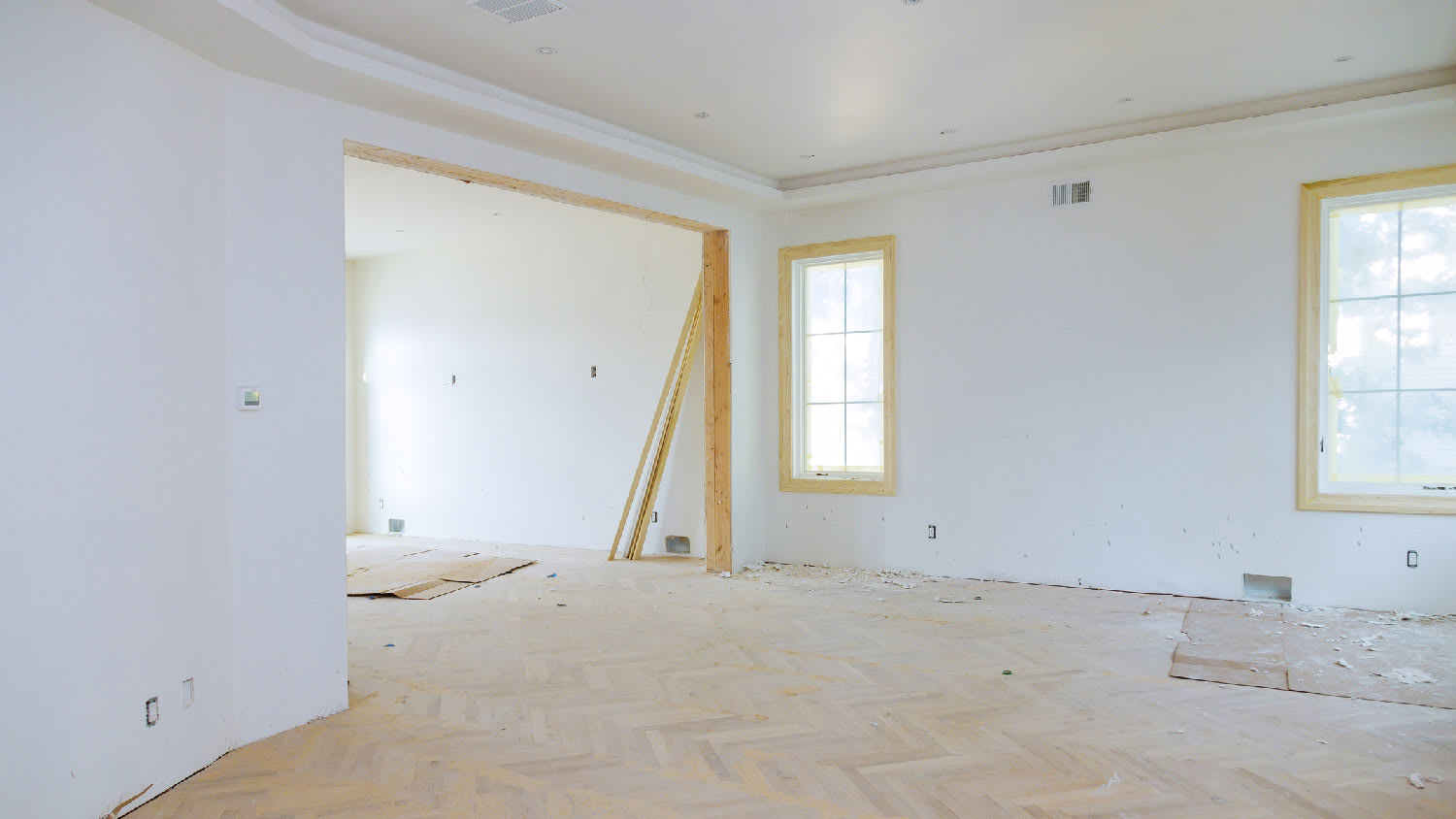
When it comes to putting up new walls, you have more options than just drywall. Compare OSB versus drywall to see which is best for your needs.
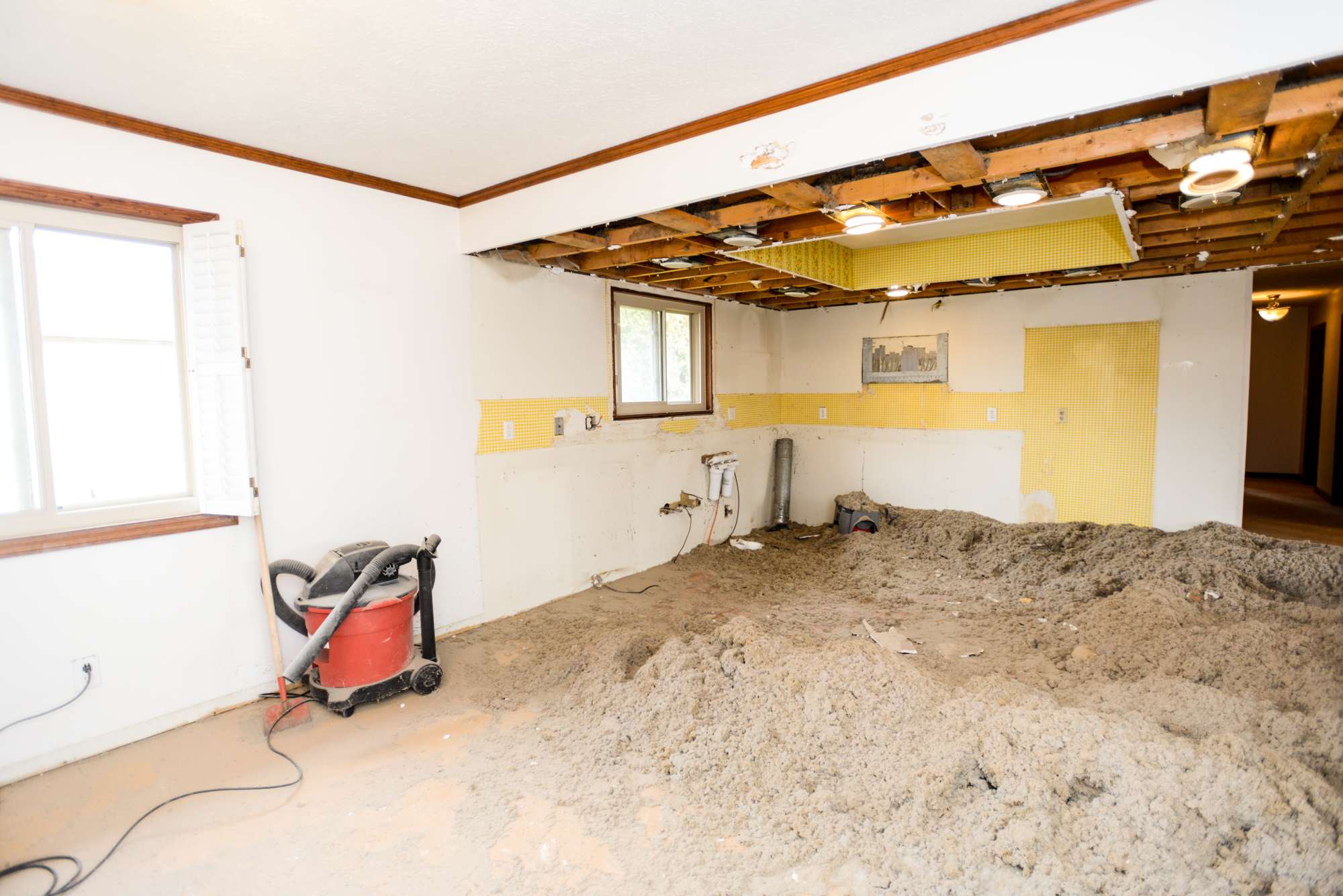
Know what to look for when determining if the drywall in your home is safe or a hidden toxin.
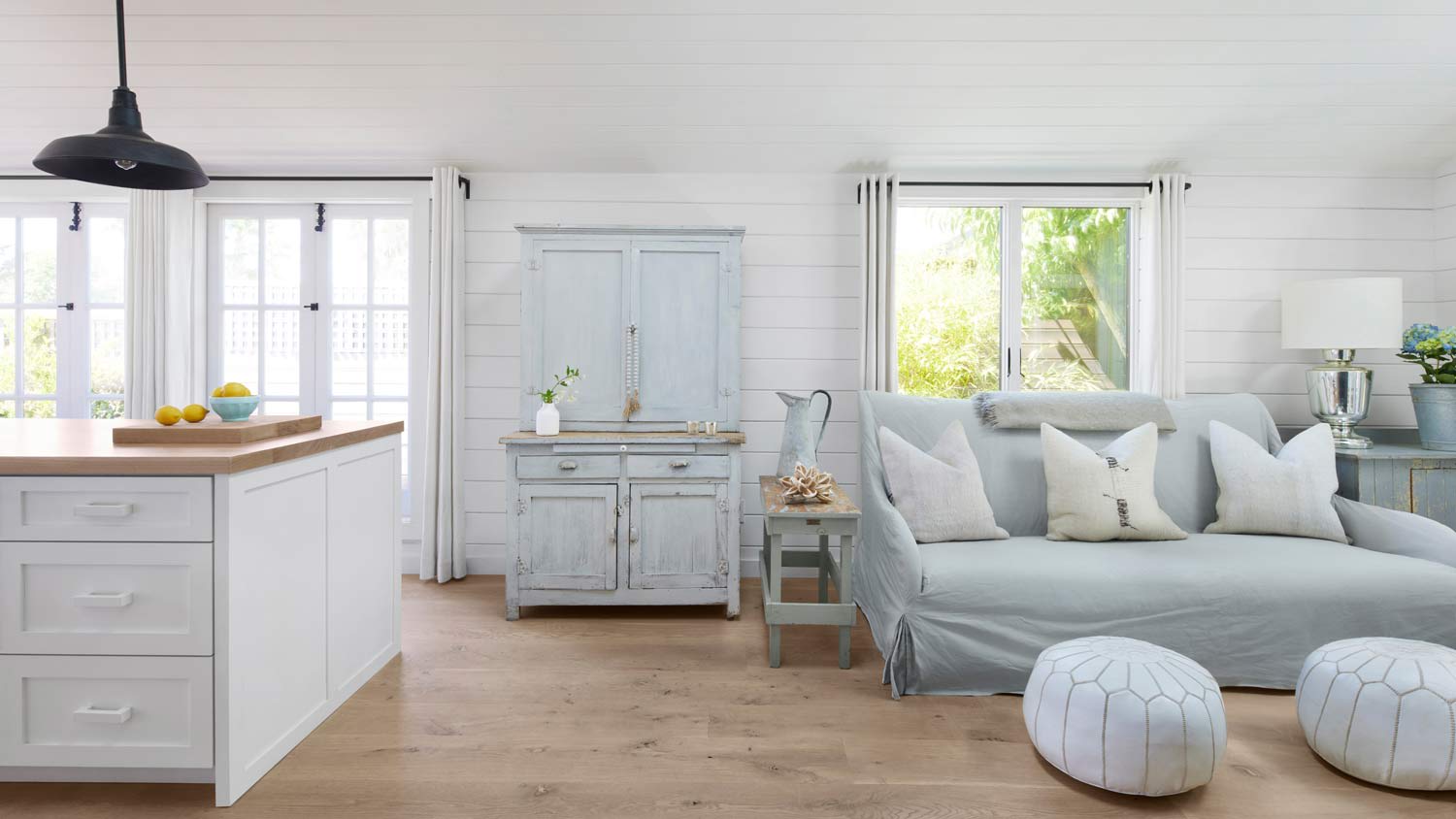
When it comes to choosing between shiplap vs drywall, you need to take cost, appearance, and durability into account. Read on to learn more about each option.
All drywall is fire-resistant, but the fire rating tells you how resistant. Use this guide on drywall fire rating to make sure you use the right product.
Wondering what causes drywall to crack? Here are nine common reasons for drywall cracks and how to diagnose the problem and fix ugly drywall cracking.