



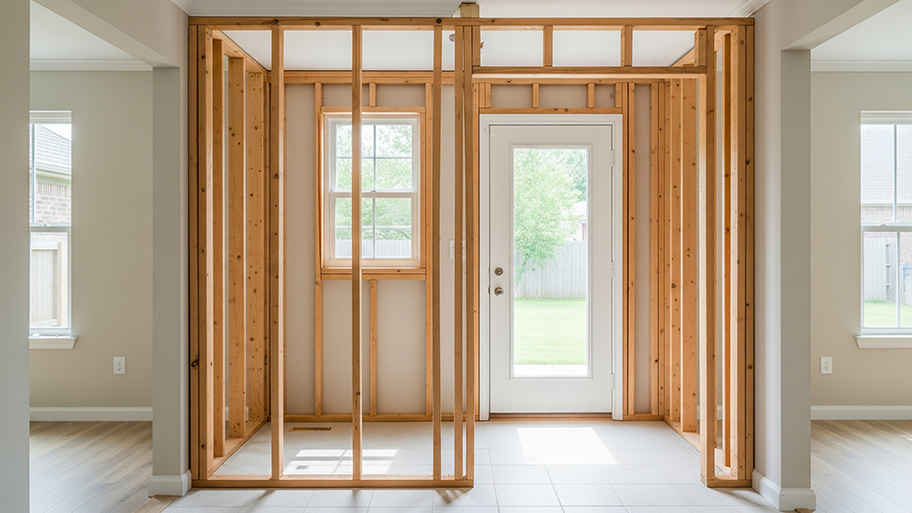
Sometimes, all your home needs is a new wall to make a room or provide an updated function to an existing space. Learn how much it costs to install a new wall.
Stay calm and talk through issues to avoid stress and even more expense


It’s reasonable for home improvement projects to go over the estimate by 5% to 20% of the total project quote.
Look at your contract and ask for details from your contractor about price increases.
Aim to find a solution between you and your contractor, as replacing a contractor can be even more expensive and stressful.
If necessary, you can take more formal routes, such as hiring an attorney or filing a claim in small claims court.
So you got a contract estimate for your kitchen remodeling project or bathroom renovation. As the project went on, your general contractor informed you that it would cost more than they originally thought. They might even send you a final bill that shocks your system.
Here’s a step-by-step guide of what to do when a contractor goes way over the estimate. You want to be sure they're charging you what they should and find a solution where you both feel comfortable.
While extra charges can be unnerving, especially if it's thousands of dollars, it's wise to remain calm and not make assumptions about your contractor.
Many home improvement projects have unforeseen costs, whether they be labor, materials, or repair work that's necessary before the reno happens. An estimate is just an estimate, and it can be reasonable for the final cost to be anywhere from 5% to 20% above the estimate. That’s why it’s always important to stick to your budget and account for a bit of cushion before you begin any project.
When you have a mindset to collaborate, chances are your results will be better—and you'll be far less stressed in the process.

If you have a written contract with your contractor or even a text exchange, look back at your agreement. Often, contractors use non-binding language and state that there could be charges on top of the estimate.
Look at what your initial project scope included. If an item isn't detailed out, such as sanding and painting the crown molding, you may see that come up in the final painting bill.
If your home remodeling agreement didn't specify how to handle change orders or what to do in the case of extra expenses, you might not have much leverage in negotiating final costs. In an ideal world, your contract should outline the project's scope, what's included in the quote, and how to handle change orders.
Once you have a good idea of what your contract says (if you have one), talk with your contractor about any discrepancies. If you significantly changed your project, such as upgrading from vinyl to wood floors, the price will be higher even if you never explicitly talked about the increase.
Have a detailed conversation with your local contractor on the phone or in person about the unexpected costs and their reasons. Get an itemized invoice or write down the specifics yourself. Plan out what you’ll say and stay calm.
Paying more than you were expecting may be the answer, but be sure to double-check what your contractor is charging versus what you're getting. Consider negotiating any aspects that you feel are unfair or unnecessarily expensive. The vast majority of contractors are hardworking, trustworthy people, but just like in any profession, some individuals may overcharge you.
Above all, focus on finding a financial solution and getting your project completed. Finding another contractor to jump in partway can be challenging and more expensive in the long run. You also don't want your kitchen cabinets half-finished, or your bathtub ripped out with no one to do the replacement.
You can ask for opinions and advice from other professional contractors and homeowners, or consult an attorney, although they can cost up to $120 per hour.
After any conversation with your contractor, write an email with the key bullet points. Your note can be as simple as, “Hey Chad, thanks for chatting today. We talked about how adding four extra can lights would cost $900 more than your initial quote. Send me a reply with ‘yes’ to let me know we’re in agreement.”
Written documentation helps both parties know what’s going on and can also help in court—if it ever gets to that point.
If you’re unable to resolve issues or payment discrepancies with your contractor, it may be time to take more formal action. You may or may not have a ton of legal leverage, depending on what’s in your contract.
If your contractor is threatening you or you still feel like you’re being overcharged, consider these options:
Send a registered letter detailing your contract terms and your expectations.
File a complaint with the Better Business Bureau and let the contractor know you’re doing so, which is often enough leverage to come to an agreement with them.
Contact your local district attorney’s office to file a fraud complaint or formal police report.
File a claim in small claims court or hire an attorney.
If you drag your feet on paying, your contractor may become frustrated and file a lien against your home. Heated debates are not only expensive (hiring a lawyer), but you may end up spending more and causing yourself extra stress.
The best way to avoid issues with a contractor is to vet at least three local pros and do your research. Always be wary of contractors that advertise free home repair estimates or contract estimates. Talk to their references, get a detailed quote, and—before the project begins—a contract. The agreement should include how to handle change orders and price increases.
Precision and professionalism define Custom Paint Jobs LLC. We couldnt be happier.
 Custom Paint Jobs, LLC
Window Depot did an amazing job on my deck. I wasnt sure what I wanted to do, but their composite decking was affordable and will last a long time. I am excited to have family over, and I am no longer embarrassed by my backyard. Jeff and the ground crew were polite, respectful, and caring for...
 Window Depot USA of Central Ohio
Great tree company, very professional and honest. Glad we found them, they had the best pricing
We used Unique Hardwood Floor LLC three years ago to work on the floors of a 70 year old home that needed a great deal of work. Some floors needed repairs, some were replaced and others just needed to be refinished. It was a complicated job as they needed to blend the old and the new to...
 Unique Hardwood Floor LLC
They did really extensive work and did an amazing job. It took about six months altogether, but they did a very good job for our waterworks. Our neighborhood has a lot of older houses that have a kind of like a low basement, and ours was unfinished, and won't do with semi-finished and not in...
This company does excellent work. The carpentry work is outstanding and we were very pleased with the final results. The only drawback is they are very expensive. The craftsmen that did our work Al and Micah were extremely pleasant to work with and offered useful suggestions any time we ran...
 Elite Home Remodeling Inc
From average costs to expert advice, get all the answers you need to get your job done.
Sometimes, all your home needs is a new wall to make a room or provide an updated function to an existing space. Learn how much it costs to install a new wall.

Strong floor joists are the key to a structurally safe home. The cost of floor joist repair will often come down to what is causing the problem.

Recessed living rooms used to be popular but have fallen out of favor. This guide discusses the cost to raise a sunken living room to modernize your home.

How much of a tip is enough when tipping contractors? We cover which contractors you should tip, how much that tip should be, and when you should avoid tipping.
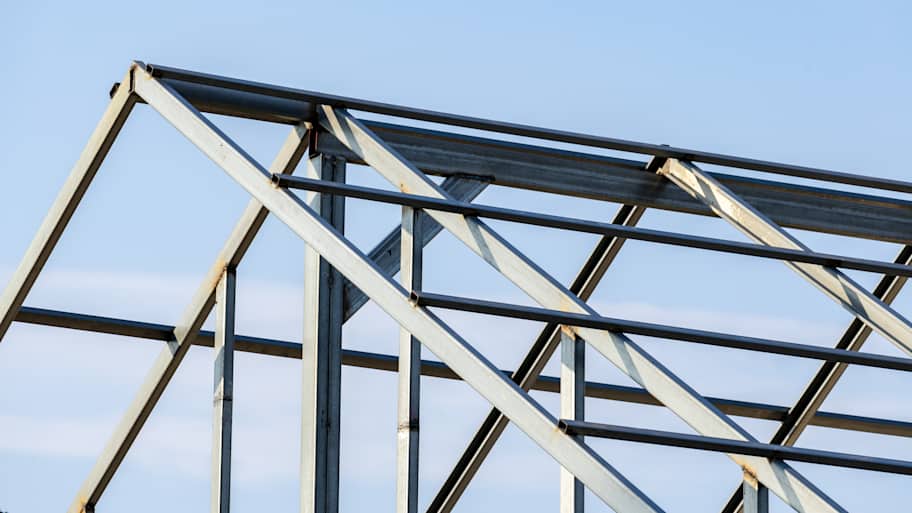
Your metal stud framing cost depends on multiple factors, including the project's size, the gauge of steel, and labor prices in your location, plus add-ons.

Designing and building dormer framing may not be a DIY task, but it does help to know how the addition takes shape. Here are the ins and outs of dormer framing.