

Damaged tiles should be fixed right away. In this guide, find out all of the different factors that affect your tile repair cost.
Keep your tiles forever young

Hairline cracks in tile floors happen when falling objects strike your floor, creating damage around the tile edges rather than the center.
Heavy appliances and furniture sitting on your tiles can cause cracking when the weight exceeds 250 pounds or when objects lack multiple contact points.
Cracked concrete underneath your tiles creates reflective cracks that spread across multiple tiles, showing long continuous lines on the surface above.
Hiring a local tile repair professional provides reliable support when you need damaged tiles replaced or when impact cracks compromise your floor.
When you stare at your beautiful tiled floor or ceiling, you want to be awed by the beauty of the design, not the sight of cracks, big or small. So, what causes tile to crack? It is not easy to figure out, since many things can lead to hairline damage and larger, more intrusive tile cracks. Ways to fix cracked tile are few and far between, so we will run through the major reasons why tiles crack, as well as some essential prevention tips so you can stop problems before they start.
Are you wondering what causes hairline cracks in tiles? If a crack looks to be contained to a single tile or an extremely small area, a sharp blow is a likely culprit. Falling objects from countertops or tumbling furniture pieces can create hairline cracks in tiles and even take out large chips.
Kitchen tiles are especially susceptible to this issue because of all the heavy pots and pans you are probably wielding in that space. Doorways are another problem area for impact-related cracking, as you may drop heavy objects while grasping to open the door. Generally speaking, these impact cracks appear around the periphery of the tile, not the center.
Keep heavy objects from hitting your tiles if you want to prevent impact-related cracks. Move kitchen objects, like your trusty air fryer or stand mixer, away from the edges of countertops and exercise caution when carrying large items throughout your home. Of course, you cannot control gravity, and accidents do happen.
If you are wondering how to fix cracked tile in your home, your best course of action is to contact a local tile repair pro to fix or replace any damaged tiles.

Your floors are not invincible, so any large appliances and furniture resting on tiles can eventually wear them down. Refrigerators, standalone freezers, and washing machines can all contribute to tile cracking in houses. This is only an issue, however, if the stationary object cannot adequately spread its weight around via multiple points of contact with the floor. Most manufacturers build floor tiles to withstand up to 250 pounds of pressure without breaking.
Make sure you purchase load-bearing appliances that do not come even close to breaking that 250-pound threshold. Also, these objects wreak havoc on tiles when you move them, so exercise extreme caution when you undertake a home renovation. Additionally, hire local appliance installers with plenty of experience, as tiles are most susceptible to damage during the initial installation process.
In many instances, issues start at the bottom. Concrete is a fairly stable substrate for tiling, but only if the concrete itself is healthy and free from cracks. Older concrete slabs can develop long cracks running through them, and over time, they spread to the above tiles in the form of reflective cracks. If you see long and continuous cracks extending across multiple tiles, concrete substrate issues are a likely culprit.
You will want to tackle this issue in the installation stage. Check and double-check the concrete foundation for any issues before laying down tiles, calling in a local foundation expert for some analysis.
If the concrete has some cracks, you will need to install a crack isolation membrane above the concrete, which allows the tiles to move independently of the concrete, minimizing the risk of related cracks. Unfortunately, if you already put tiles over unstable concrete, the best fix is stripping the tiles, adding the membrane, and reinstalling them.
Concrete substrates have control joints, basically preplanned cracks intended to regulate any future cracks by forcing them into a straight line. These areas are already weakened compared to the rest of the concrete, so any overlaid tiles are at risk for reflective cracks. With that said, recognize a control joint-related crack by looking for cracks spanning multiple tiles in an obvious straight line.
Competent contractors and floor installers know better than to place tiles over a control joint, but mistakes happen. If you are worried, you can bring this potential issue up with your contractor at the point of installation and have your home’s architectural plans ready for perusal. This area is one where experience matters, so spend some extra time before hiring your floor installer.
Tiles placed over a plywood subfloor face different issues from tiles placed over a concrete substrate. One such issue is improperly spaced joists. These beams hold up the entire subfloor, including any materials and appliances resting on top of it. The wooden joist beams help tiles survive the constant give and flex of wood, so improperly spaced joists cause tiles to crack prematurely as they move along with the wood. In other words, the wooden subfloor bows between the joists, and the tiles crack to keep up.
If your house is up to code, your joints are likely properly spaced, so you will not experience this issue; however, before installing tiles over a wood subfloor, have the contractor locate the joist beams to ensure proper spacing. If your home has improperly spaced joists and you have already put in some tiles over the wood, your best bet is to remove the tiles and fix the joists.

The vast majority of available tiles comply with various ANSI (American National Standards Institute) and ASTM (American Society for Testing and Materials) testing standards for strength and durability. But there are always outliers. Inferior or substandard tiles cannot bear an adequate load, so you will encounter more cracks due to heavy appliances than with compliant tiles. The same goes for cracks related to sharp blows, as poorly made tiles cannot withstand as much pressure.
Many homeowners ask, “Are hairline cracks in tiles normal?” The answer is no, not if the tiles are made and installed correctly. To protect yourself from hairline cracks, make sure you purchase and install tiles that comply with ANSI and ASTM standards, including the ASTM C648 Breaking Strength standard. This standard ensures that ceramic tiles withstand up to 250 pounds of pressure per inch.
Some companies go above and beyond, manufacturing tiles that can withstand up to 400 pounds of pressure per inch. If a previous owner installed substandard tiles, learn how to repair tiles or hire a vetted pro for an inspection.
Your house is not always the same temperature, but it usually stays within a comfortable, moderate range. Sometimes, though, homes without adequate insulation, in extreme environments, or during natural disasters or emergency situations undergo extreme temperature fluctuations. This can cause damage to interior materials, including floor tile, which can crack.
To prevent cracking due to extreme temperature changes, keep your home’s HVAC system set within a moderate range, choose the right flooring tiles for your home and environment, and only use frostproof tiles in outside installations.
You don’t need to lose sleep over hairline cracks, but you should definitely keep an eye on them. If you notice the crack getting wider (rather than longer), it could indicate that the layer underneath the tile is also cracked or damaged in some way. Either way, if you have a hairline crack that’s constantly changing shape, you should call a tiling professional for an inspection. Most of the time, a small, thin crack is nothing to be worried about beyond aesthetics.
Terrible experience. Walls/trim/floors/cabinets/doors all have drip marks, overspray, etc. Tiling at the fireplace had to be redone by another vendor due to incorrect and shoddy install by Profect. Contractor had his children in our house while he was on site without prior authorization or...
 Profect painting & exteriors
It was wonderful working with Yordy and his team. They were very professional and are experts in what they do. They have completed the work on time, with better quality and with in fairly reasonable price. We just started with backsplash work , but liking his work, we went on to provide...
 Flooring Solutions
We were having 2”x 2” tile installed . There was a small installation error and the new additional replacement tile was from a different lot and the colors didn’t match. Joe assured us that he would rectify everything , which he did without hesitation. We decided to go with the 18” x 36” tile...
 CarifaTile
For several months I was looking for somebody to tile a wall in my master bath and move lighting fixtures, and could not find anybody who was responsive. I contacted Rowe through Home Advisor and within days they came by to assess the job and provide an estimate. The cost was very...
 Rowe House Development
It went very well! The end product was amazing and we keep getting a lot of compliments from friends! M&E were very professional and they made sure we were happy with the product before leaving. They met with us in our home and at the tile shop to make sure we were okay with our tile and...
 M&E Remodeling
Involved an extensive bathroom remodel, including removing tub & installing walk in shower, new drywall, custome tile work to ceiling, plumbing, etc. Overall, job was done on time and on budget. Nick & his team were very professional and had high attention to detail. Quality was great. Highly...
 Stamos Flooring and Remodeling LLC
Very pleased with the service and level of professionalism. Courteous and very unobtrusive in performing service. Unlike several other companies, Bradford Xteriors was willing to perform work on a three story home with a clay tile roof. <br />
 Bradford Xteriors
This company did a very good job on the brick wall and it looks just amazing. The staff was always professional and was practically OCD on how the bricks were stacked and how they were laid. Although it took longer than expected, I am willing to sacrifice time over perfection anyday. The...
 My Handy Mate LLC Improvement & Remodeling
He did the tile work and he was good at it. He used other subcontractors for the rest of the work (like putting in the cabinetry) and they were okay but not great. He was a great guy! He was easy to work with and had a good eye for the detail of his work. There were a couple of things that I...
 Brian Miller Custom Remodeling
I was very impressed with Miller Cantrell! I live in an old home in which the sewage line that runs from my home to the sewage system is a line of clay tile. These eventually collapse and need to be replaced - an expensive problem and sure to happen at the worst time. I told them that my...
From average costs to expert advice, get all the answers you need to get your job done.
Damaged tiles should be fixed right away. In this guide, find out all of the different factors that affect your tile repair cost.
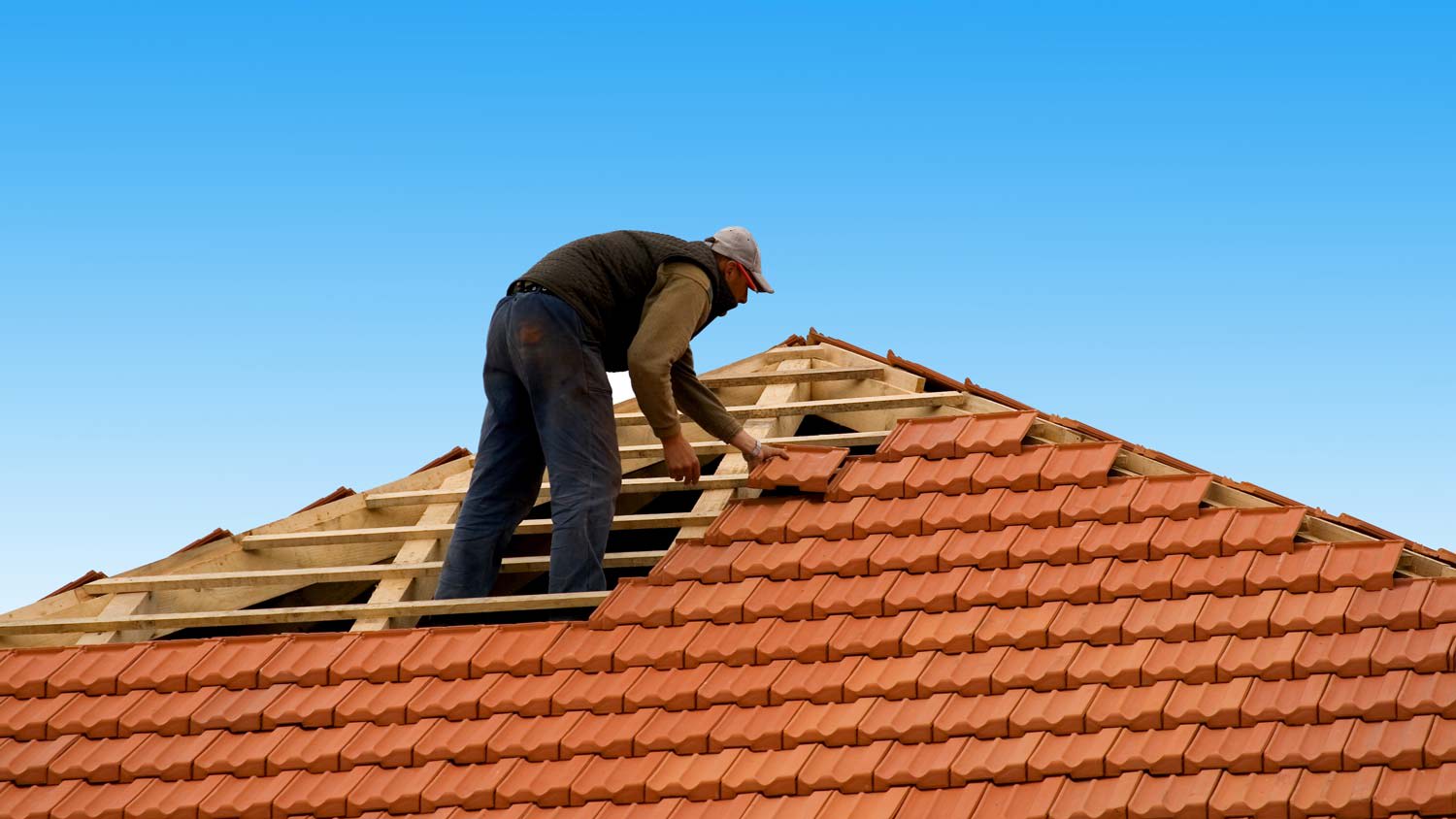
Find out the average tile roof repair cost, key price factors, and ways to save. Get expert tips to plan your tile roof repair project with confidence.

Tile and grout cleaning brings your tiled rooms back to life. In this guide, find out the details of how much it costs to hire tile and grout cleaners.

Life happens and tiles crack. This two-method guide will show you how to fix cracked tile in as little as an afternoon—with no experience necessary.
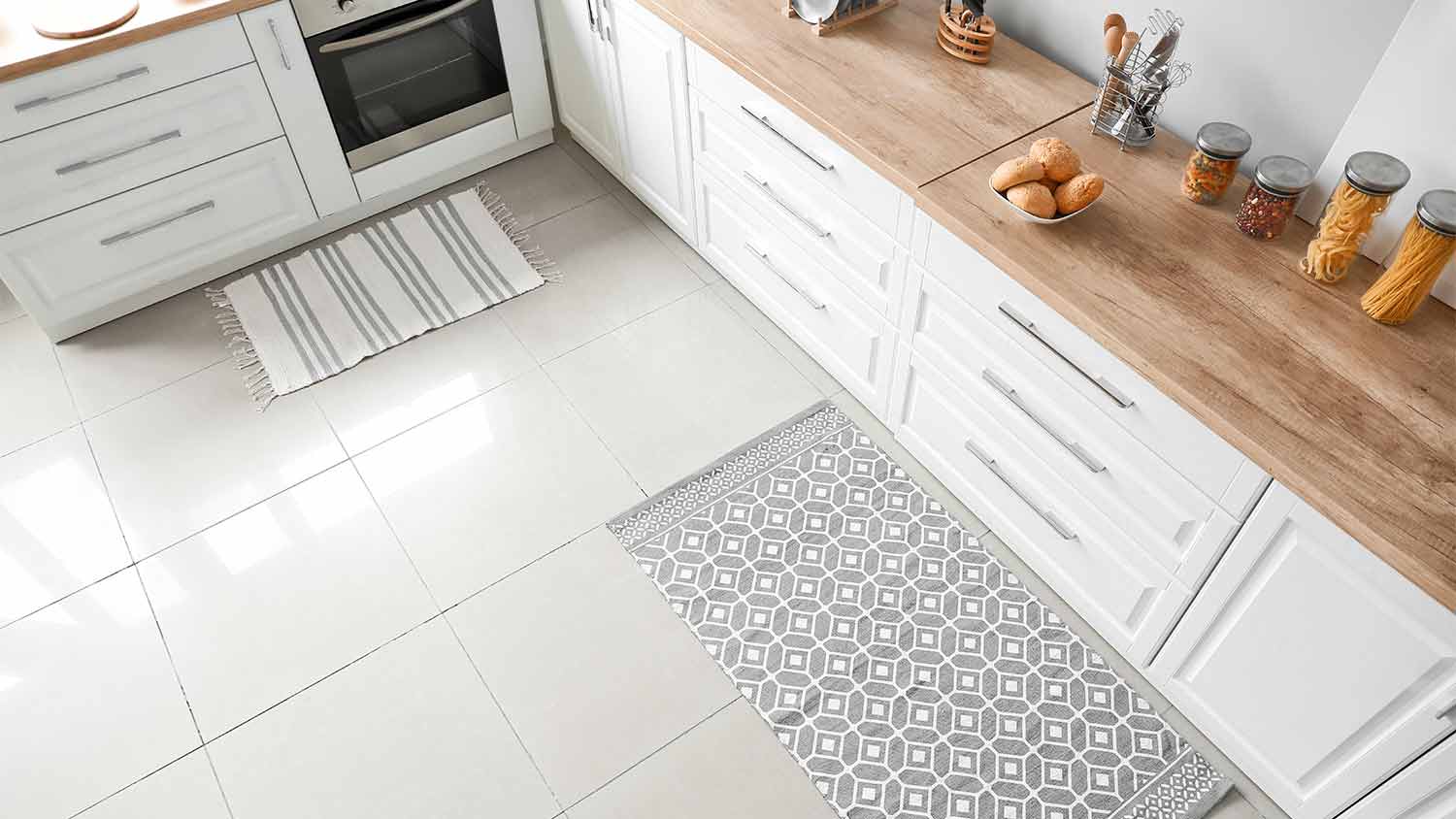
Whether your floor has a small crack or some serious damage, this guide will help you know when you can make repairs or if you need a full tile floor replacement.

If you're considering investing in tile flooring, you’re probably wondering how long you can expect it to last. With proper care, you may have it your entire lifetime. Here's how.