
•
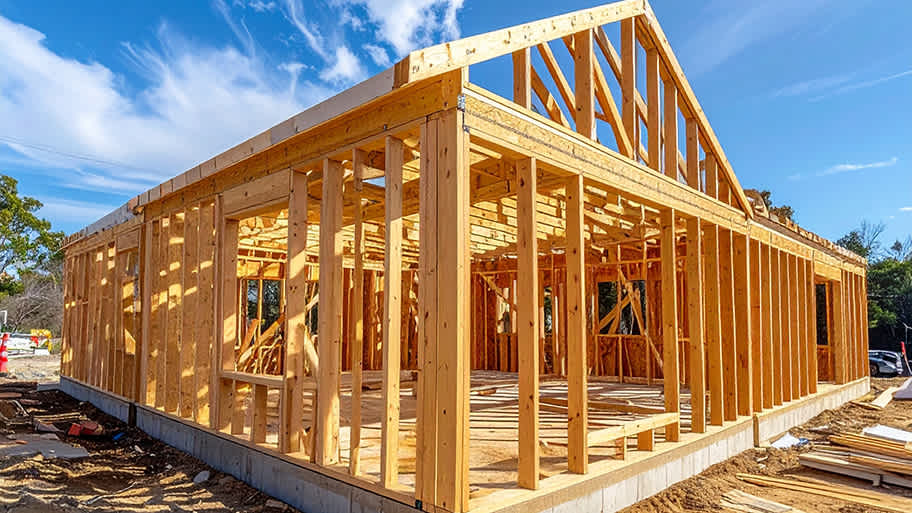
Find out the average cost to frame a house in Denver, CO. Learn what you can expect to pay for local house framing materials and labor to start your build.
Plumbing costs depend on your project and location. Check with a local pro for your specific job.

The cost to repipe a house in Denver trends above national averages because of high costs of living and labor demand.
Copper piping is the most expensive option at $3 to $9 per linear foot, while PEX and CPVC start around $1 per linear foot.
Permit fees, drywall repairs, mold remediation, and water damage restoration can significantly increase your budget.
Hiring a licensed plumber in Denver, CO, helps ensure code compliance and reduces risks of leaks, water damage, and failed inspections.
Denver’s higher cost of living pushes repiping costs above the national average. The average cost to repipe a house in Denver ranges between $1,587 and $15,870, with most homeowners paying around $7,935, depending on factors like home size, pipe material, and labor requirements. Here’s what to expect when budgeting for repiping in Denver.
These are the main factors that will impact the cost to repipe a house in Denver, CO.
Large homes have more plumbing fixtures and require longer runs for pipes and drain lines, so they cost more to repipe. Additionally, multistory homes cost more to repipe than single-story homes because you'll need more piping material to reach plumbing fixtures between floors.
There are three main types of plumbing pipe materials: copper, CPVC, and PEX. Costs vary with the material. For instance, copper ranges from $3 to $9 per linear foot, while CPVC costs around $1 to $2 per linear foot.
Remember that local codes can dictate the types of pipes you can use. Your plumber can recommend the best material for your home.
| Piping Material | Average Cost Range per Linear Foot |
|---|---|
| PEX | $1–$3 |
| CPVC | $1–$2 |
| Copper | $3–$9 |
Proper piping is required for all of your home's fixtures, including toilets, sinks, and showers. The more fixtures you have, the more piping you'll need. Rough-in plumbing for a bathroom is costly, as getting pipes to precise locations is more labor-intensive than running plumbing behind walls. If you’re changing your home’s layout, expect to pay more for the total cost.
| Plumbing Fixture | Average Cost Range |
|---|---|
| Sink | $370–$845 |
| Dishwasher | $425–$845 |
| Washing machine | $370–$1,590 |
| Shower | $635–$1,695 |
| Water heater | $740–$1,905 |
The size, or diameter, of your pipes also affects costs. Pipes used for waste drainage are wider than pipes designed to carry water. For the same type of piping, larger diameters will be more expensive. However, most drain lines consist of PVC, which is less expensive than copper, so drainpipes should still be more affordable than water supply lines.
If your pipes are in a difficult-to-reach location, expect to pay more for repiping your house. For example, pipes under concrete are more difficult to access than pipes behind drywall, so they cost significantly more to remove and replace.
If your municipality requires a permit for repiping, you’ll need an inspection after the work is done to ensure everything is up to code. In most cases, the initial inspection cost is included in the permit fee. However, reinspection costs around $25 to $160 if an issue requires it.
The soil around your home can also affect the cost of repiping. For example, clay soil shifts over time, affecting the surrounding plumbing and leading to more costly installations. This is only a factor if you replace buried lines, like water mains, underground pool lines, and sprinkler lines.
Hiring a licensed plumber in Denver, CO, is essential for this project to ensure everything is installed properly and up to code. These are the factors that impact the labor costs on your final bill.
Plumbers across the U.S. charge between $45 and $200 per hour. In Denver, plumbing labor costs generally range from $45 to $215 per hour due to rising construction demand and moderately higher living costs.
Home repiping projects require a permit from the City and County of Denver. Before work starts, confirm whether permit and inspection costs are included in your plumber’s estimate.
The materials used for your home repiping project are subject to Denver’s minimum tax rate of 9.15%. These costs will usually be built into your estimate.
Along with a professional plumber, you may need to hire additional contractors to open and repair walls, ceilings, or flooring after the new piping is installed. Also, if there’s water damage or mold, you might need to bring in a water damage restoration or mold remediation specialist.
Here are some common professionals involved in repiping projects and their typical costs:
Water damage repair specialist cost: $1,380–$6,380
Drywall repair contractor cost: $300–$930
Ceiling repair contractor cost: $440–$1,730
Mold remediation specialist cost: $1,220–$3,760
Flooring repair contractor cost: $500–$3,000
General contractor cost: $50–$150 per hour
The ROI of repiping a house won’t likely show up as a higher selling price on the Denver market, but it can still play a major role in protecting your resale value and helping your home sell faster.
Buyers looking at high-priced homes in Denver typically expect plumbing systems to be functional, and worn or damaged pipes can become a red flag on home inspection reports that ultimately hurts your bottom line. By replacing your pipes with a modern, functional system, you’re helping reassure buyers that the home is well-maintained, so you can stay firm on your asking price and sell quicker.
To help homeowners plan their next project, Angi provides readers with carefully researched cost data and upholds strict editorial standards. We start with national average project costs, which we collect by analyzing competitor information, retailer material costs, and input from professional contractors. We then apply local price index data to calculate location-specific estimates that reflect what homeowners typically pay in their local area. To do that, we use data from the U.S. Bureau of Economic Analysis (BEA), including its Regional Price Parities (RPPs), which measure price differences across cities. This helps us account for differences in labor, materials, and overall cost of living, so estimates in higher- or lower-cost areas better reflect real-world local pricing.
Every estimate undergoes a thorough editorial review to verify accuracy, consistency, and alignment with observed market conditions.
Want to help us improve our cost data? Send us a recent project quote to [email protected]. Quotes and personal information will not be shared publicly.
American Plumbing and Sewer is an amazing company. They installed a new water heater in my home and did incredible work. Lanney the owner puts Customer Service at the top of his list. Along with his son Austin, the level of detail of their work is top notch. If you are ever looking for a...
 American Plumbing & Sewer LLC
Great service and responsive. Identified problems we didn’t know existed. Plumbing is one of those things you take for granted until something goes very wrong. Appreciated his thoroughness and insight.
 Rooter Guy, LLC
Very impressed with Roosevelt Plumbing. Friendly and excellent customer service. Will hire them again for my plumbing needs.
 Roosevelt Plumbin
Iâ m glad I can rely on Hector for any plumbing services I need in the future , he was very quick and efficient with his work.
 Luxe Plumbing
I have used Lakewood Plumbing twice in the past six months. I was very pleased with the customer service and the work was well done and done quickly. They even came out in a snow storm which was appreciated.
We have used Clearwater plumbing multiple times for bath fixture replacement, toilet replacement and Hot water heater fix. The techs are very knowledgeable, respectful and professional. We plan on using them on future work.
 ClearWater Plumbing, LLC
Paradigm Plumbing installed a new gas line to my outdoor kitchen. They were fantastic to work with. Very communicative and transparent. When an issue came up with my gas meter shut-off valve (through no fault of theirs) they were proactive in coming up with a solution and completed the work....
 Paradigm Plumbing Services
Use your company for all our plumbing and electrical needs
 Applewood Plumbing, Heating & Electric
Joshua is a great young man and a great plumber. He fixed our shower plumbing, behind the wall, and the man who worked with him to replace the drywall and re- tile the entire tub-shower area did a beautiful job. Definitely would recommend Plumbing Pioneers!!
 Plumbing Pioneers
KB plumbing has done 2 jobs for us recently. Each time he was able to make it the same day and was able to fix each problem. KB Plumbing has great customer service, easy to reach and always gives a timely response. He does excellent work, very professional and always follows up to make sure...
 KB Plumbing
From average costs to expert advice, get all the answers you need to get your job done.
Find out the average cost to frame a house in Denver, CO. Learn what you can expect to pay for local house framing materials and labor to start your build.

The cost to hire a house cleaner in Denver, CO, depends on the size of your house, your schedule, and who you hire. Use this guide to understand typical house cleaning prices better.
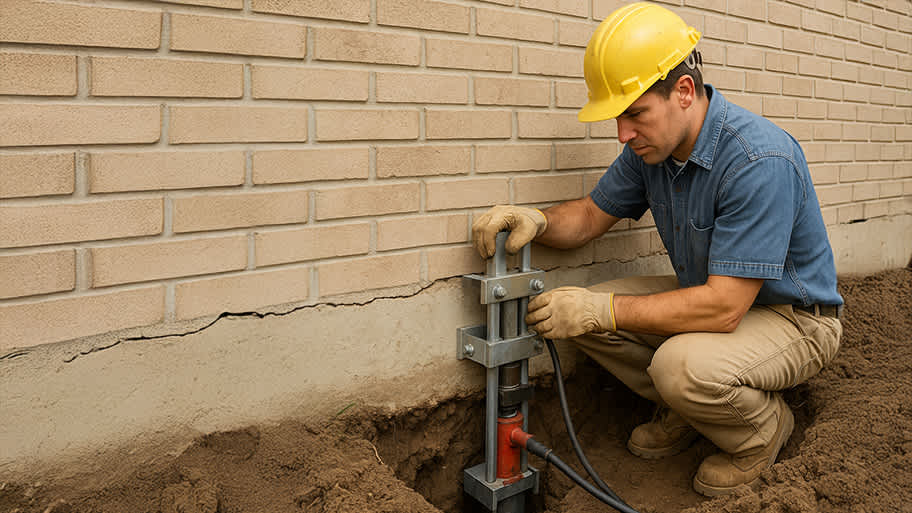
Find out the average raise a house cost in Denver, CO. Learn what you can expect to pay for local foundation lifting services and protect your home today.
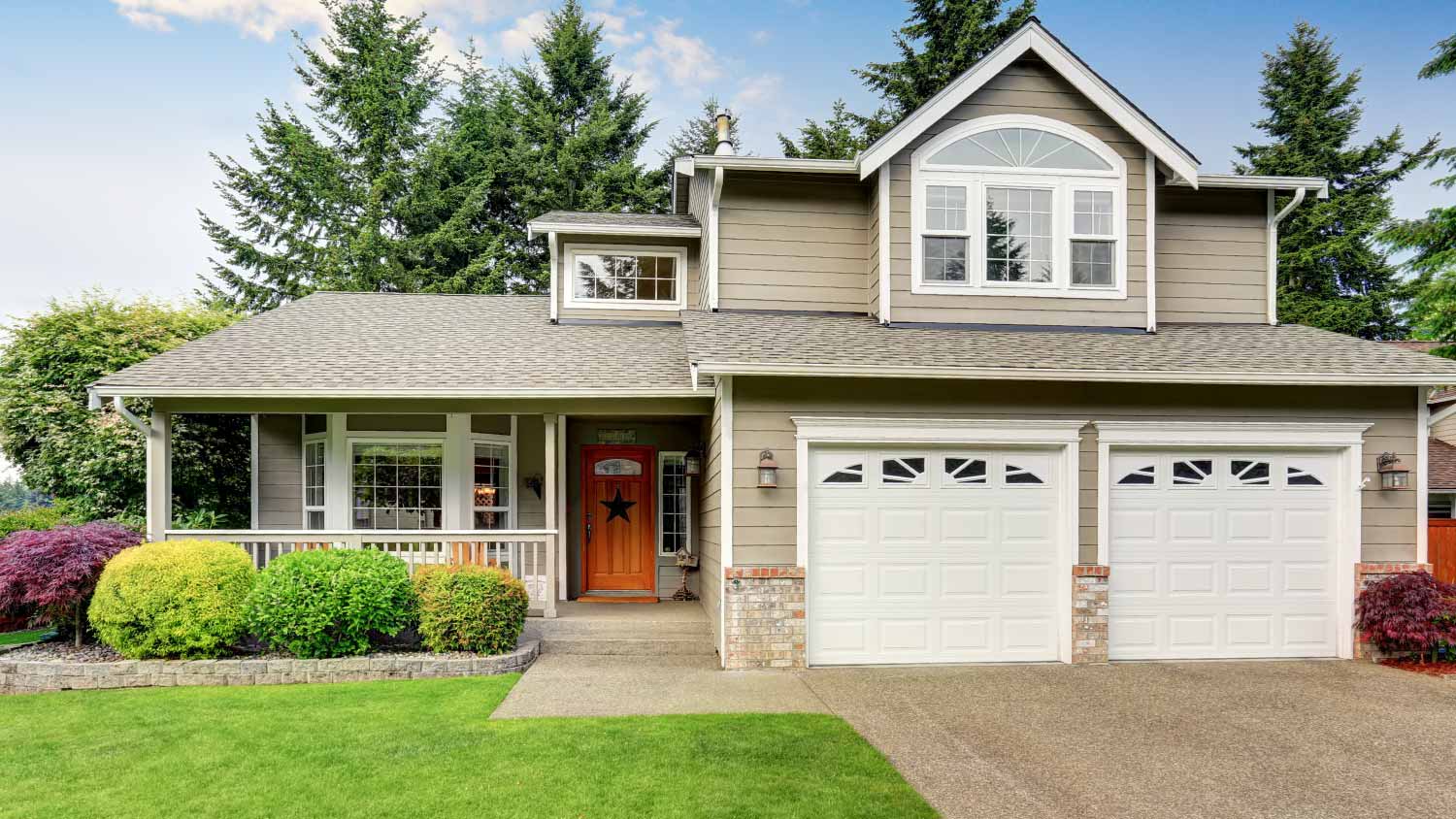
Does repiping a house add value? While it may not up the asking price, it can help your house pass inspection and make buyers more likely to make an offer.
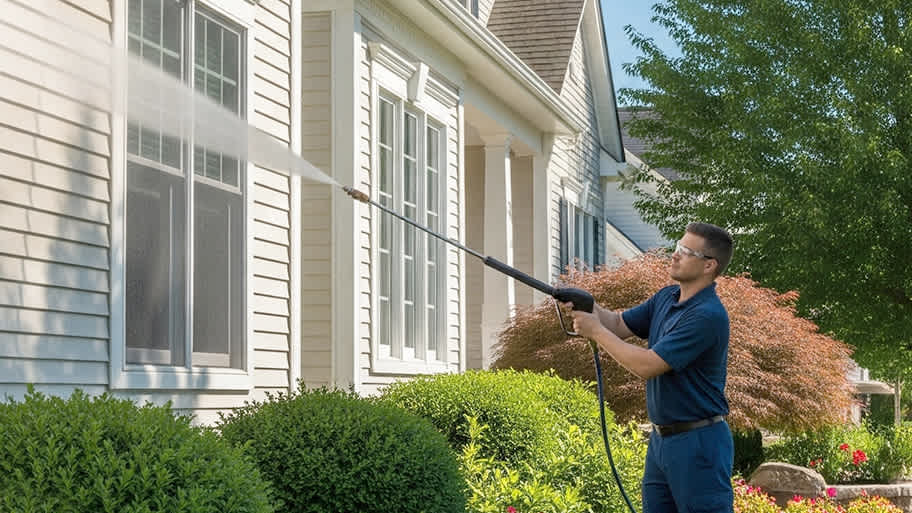
The cost to pressure wash a house in Denver, CO is often based on the project type and the overall surface area. Use this expert guide to help identify what you'll pay.

The cost of a whole-house surge protector depends on the materials, size, installation, and more. This guide will help you budget for a new surge protector in Denver, CO.