

The water main line is essential to your home’s plumbing. Over time, it can develop wear or damage. Find out how much a main water line replacement costs here.
Right pipe, right flow, right results

Standard residential water pipe sizes range from 3/4 to 1 inch in diameter for most homes, providing sufficient pressure for your household needs.
Expect to pay $1,500 to $15,000 to repipe your house when upgrading from undersized pipes, so proper initial sizing helps avoid future costs.
Your home's square footage, fixture count, and peak water demand determine the right pipe diameter to maintain consistent pressure throughout your plumbing system.
Hiring a local plumbing repair professional keeps your sizing calculations accurate and ensures proper installation that meets local building codes without guesswork.
Choosing the right water main pipe size maintains proper water pressure, efficient flow, and long-term system performance. A miscalculation can lead to issues like low pressure, water hammer, or unnecessary oversizing costs. Read on to learn how to find the right size for your home.

The standard water main pipe size is between 3/4 inches and 1 inch in diameter. This standard provides sufficient pressure and flow for household use. Large and multi-family homes require larger sizes, ranging between 1 1/4 inches and 2 inches, to accommodate higher water use.
The ideal water main pipe sizes will depend on your household needs. Below are some common sizes based on home size.
| Pipe Size (Diameter) | Home Size (Square Feet) | Fixtures |
|---|---|---|
| 3/4 inches | Under 1,500 | Low fixture count |
| 1 inch | 1,500–3,000 | Moderate fixture count |
| 1 1/4 inches | 3,000–4,000 | High fixture count |
| 2 inches | 4,000+ | High fixture count |
Water main pipe sizes for different fixtures and appliances throughout the home will vary, with some requiring pipes for both hot and cold water. Below is a general guideline for household fixtures and the required pipe diameter.
| Fixture or Appliance | Cold Water Pipe Size (Diameter) | Hot Water Pipe Size (Diameter) |
|---|---|---|
| Bathtub | 1/2 inch | 1/2 inch |
| Bathroom sink | 3/8 inch | 3/8 inch |
| Dishwasher | 3/8–½ inch | 3/8–½ inch |
| Kitchen sink | 1/2 inch | 1/2 inch |
| Shower | 1/2 inch | 1/2 inch |
| Toilet | 3/8 inch | – |
| Washing machine | 1/2 inch | 1/2 inch |
| Water heater | 3/4 inch | – |
While following the standard water main pipe size depending on home square footage is a great starting point, other factors can influence the size needed. One of the most important is flow rate requirements. The pipe must be able to handle peak water demand without causing pressure drops or restricting flow.
Local plumbers and engineers use fixture unit calculations based on Hunter’s Curve to estimate demand and determine the best pipe diameter. Pipe material affects the internal diameter, which impacts flow. For example, copper pipes have a smaller inner diameter than PVC or ductile iron pipes of the same nominal size.
Friction loss is another major consideration. When water moves through a pipe, resistance causes pressure to drop. Smaller pipes create more friction and, to mitigate this, you may need larger pipes for long runs or high-demand uses, providing consistent water pressure. Because excessive speed can lead to pipe erosion, noise, and water hammer issues, velocity limits should be taken into account. Industry standards recommend keeping velocity under 5 feet per second in residential plumbing systems.

To calculate the water main pipe size for your home, you need to look at three things: square footage, fixture count, and total water demand. Determine your home's total square footage of the property. Larger homes require larger pipes to accommodate increased water usage.
Calculate the total fixture count using the Water Supply Fixture Unit (WSFU) method outlined below. This method assigns a value to each fixture, such as sinks, toilets, and dishwashers.
| Type of Fixture or Room | Water Supply Fixture Unit |
|---|---|
| Bathtub | 1.4 |
| Dishwasher | 1.4 |
| Full Bathroom | 3.6 |
| Half Bathroom | 2.6 |
| Kitchen Group (Dishwasher and Sink) | 2.5 |
| Kitchen Sink | 1.4 |
| Shower Stall | 1.4 |
| Toilet | 0.7 |
| Washing Machine | 1.4 |
Add up the WSFU values for all fixtures in the home and then use a standard flow chart to convert the total fixture count into a required flow rate (gallons per minute, or GPM) to estimate peak demand.
| Water Supply Fixture Unit (WSFU) | Gallons Per Minute (GPM) |
|---|---|
| 1 | 3.0 |
| 2 | 5.0 |
| 3 | 6.5 |
| 4 | 8.0 |
| 5 | 9.4 |
| 6 | 10.7 |
| 7 | 11.8 |
| 8 | 12.8 |
| 9 | 13.7 |
| 10 | 14.6 |
Once you have the GPM, apply friction loss calculations based on the pipe material, length of the main line, and elevation changes to determine the optimal diameter.
Different plumbing pipe materials have varying internal diameters, friction coefficients, and durability factors. Copper pipes, for example, have a smaller internal diameter than PVC pipes of the same size. That means they require a slightly larger diameter to maintain the same flow rate. Rougher materials like galvanized steel create more friction loss over long distances compared to smoother materials like PVC, affecting pressure and velocity.

If your water main pipe is the wrong size, you’ll notice low water pressure, inconsistent flow, or excessive noise in your plumbing system. Undersized pipes can’t deliver enough water during peak demand, causing weak pressure in fixtures, especially on upper floors. Oversized pipes are also an issue, reducing water velocity and leading to stagnation, sediment buildup, and poor performance in some systems. Signs like banging noises in pipes, called water hammer, or frequent pressure fluctuations can also indicate improper sizing.
To fix an undersized pipe, upgrade to a larger diameter that better suits your home's fixture count and water demand. This would involve replacing the main line from the meter to your home or upgrading interior plumbing to match the increased capacity. The cost to repipe a house can range from $1,500 to $15,000.
If the pipe is oversized, adding pressure regulators or adjusting flow rates may help, but in extreme cases, downsizing may be the best solution to improve system efficiency. Always check local plumbing codes before making changes, and consult a local plumber if a full replacement is needed to avoid further complications.
Calculating water main pipe size can be a big undertaking for the average homeowner, even if you have some DIY plumbing knowledge. Rather than work out the calculations for yourself, it's best to hire a pro for assistance to avoid issues with under and over-sizing. Professional plumbers understand the correct pipe sizing for homes and are well-versed in local building codes that dictate sizing.
Positive experience. As previously stated, the replacement/repair could not be completed (no fault of the plumbing tech) b/c misinformation was rec?d by property management maintenance. Thanks to the plumbing tech for your efforts. Appreciate you!
 The Waterworks
If you want to pay the most exorbitant prices possible for your job, this is the company for you. “By the job” pricing is a rip-off, at least how these people use it. Every job is plugged into a category and prices are set by category. You might have a job that takes half an hour or one that...
 Benjamin Franklin Plumbing
Cole has been handling plumbing and general contracting for our four properties over the past three years, and he’s always done a great job. Most recently, he installed a sink and countertop in our retail store where none existed before, and it turned out exactly how we needed. He’s...
 ANB Renovations LLC
Matt is a consummate professional. The work turned out to be far more difficult than expected and rather than turn the job down, Matt rose to the occasion and completed a near impossible task. I can not recommend Greene's Plumbing Service more highly. On a scale of 1-5 I would give Matt a...
 Greene's Plumbing Service
Involved an extensive bathroom remodel, including removing tub & installing walk in shower, new drywall, custome tile work to ceiling, plumbing, etc. Overall, job was done on time and on budget. Nick & his team were very professional and had high attention to detail. Quality was great. Highly...
 Stamos Flooring and Remodeling LLC
Awesome company. Had a jacuzzi tub taken out and replaced with huge walk in shower with partial glass enclosure. Onyx to the ceiling with a decorative border, moved plumbing and installed hand held shower, new ceiling, flooring, and paint. Replaced window with glass block. Everything was done...
 Columbus Bath Design
The initial quoted price from a walk-through seemed high, but we discussed that the quote represented worst case scenario (re-wiring to two floors) and we were excited about the opportunity to have the work done in a timely manner with closing for fire safety reasons, etc. When the job was...
Initially, I called the Service People to have a leaking garbage disposal replaced. I had purchased a special deal through Angie's List: $79 for $200-worth of plumbing services. <br /> When I went to schedule the work, the earliest date I could get through Angie's List was after the upcoming...
This company did a very good job on the brick wall and it looks just amazing. The staff was always professional and was practically OCD on how the bricks were stacked and how they were laid. Although it took longer than expected, I am willing to sacrifice time over perfection anyday. The...
 My Handy Mate LLC Improvement & Remodeling
<p>I am so glad we called Rotor-Rooter. I was hesitant to call them because we usually prefer to give business to local providers. But when we had sewage back up in our basement on a Saturday evening, I had a hard time getting a hold of someone, not to mention the high weekend/evening rate...
 Roto-Rooter Plumbing & Water Cleanup
From average costs to expert advice, get all the answers you need to get your job done.
The water main line is essential to your home’s plumbing. Over time, it can develop wear or damage. Find out how much a main water line replacement costs here.
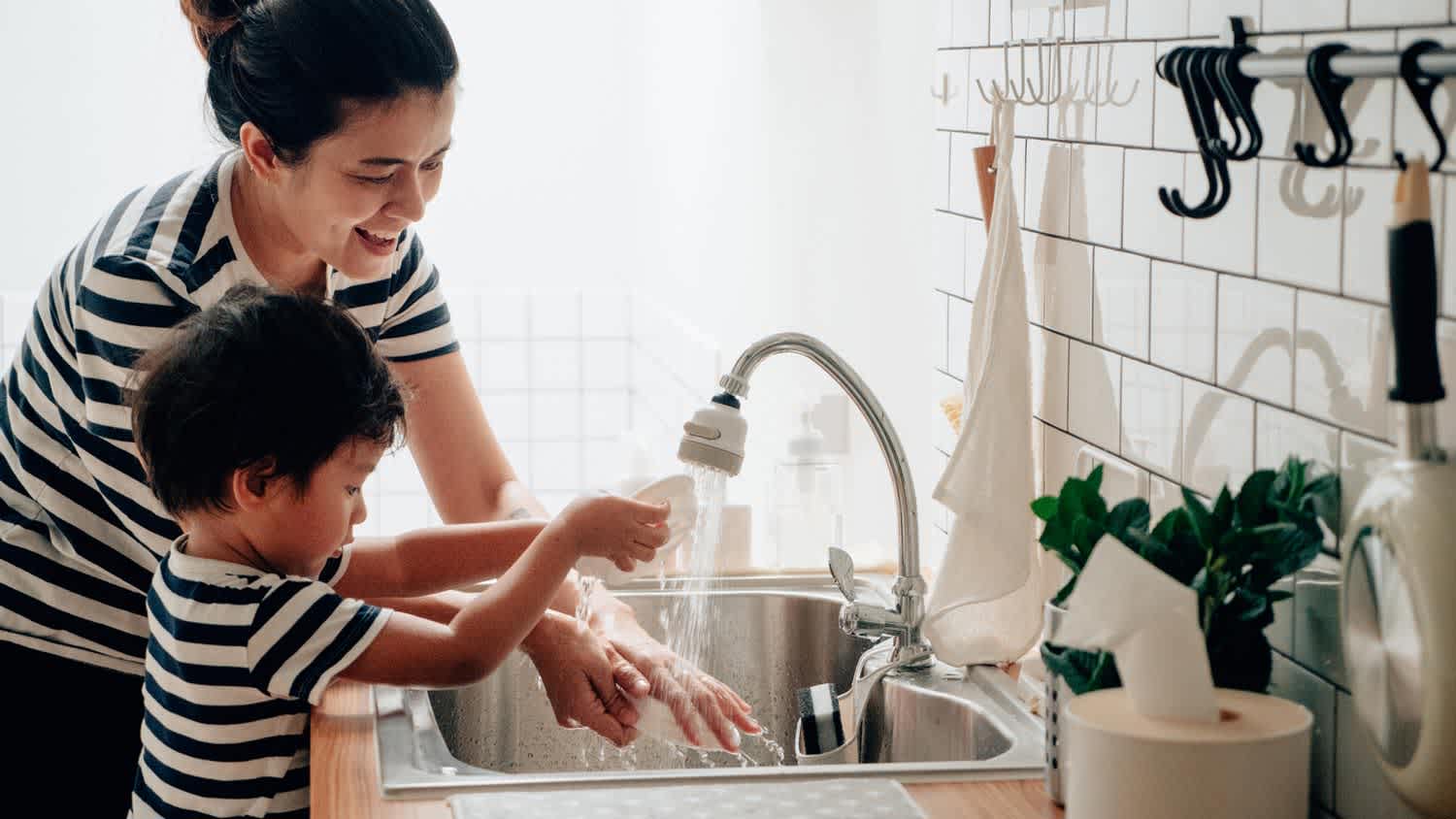
Repairing a main water line is an urgent matter, so use this guide to get an idea of how much main water line repairs cost to act fast.

Under the sink, behind the tub, or through the walls—pipe replacement costs for small projects run the gamut. Here's what to know.
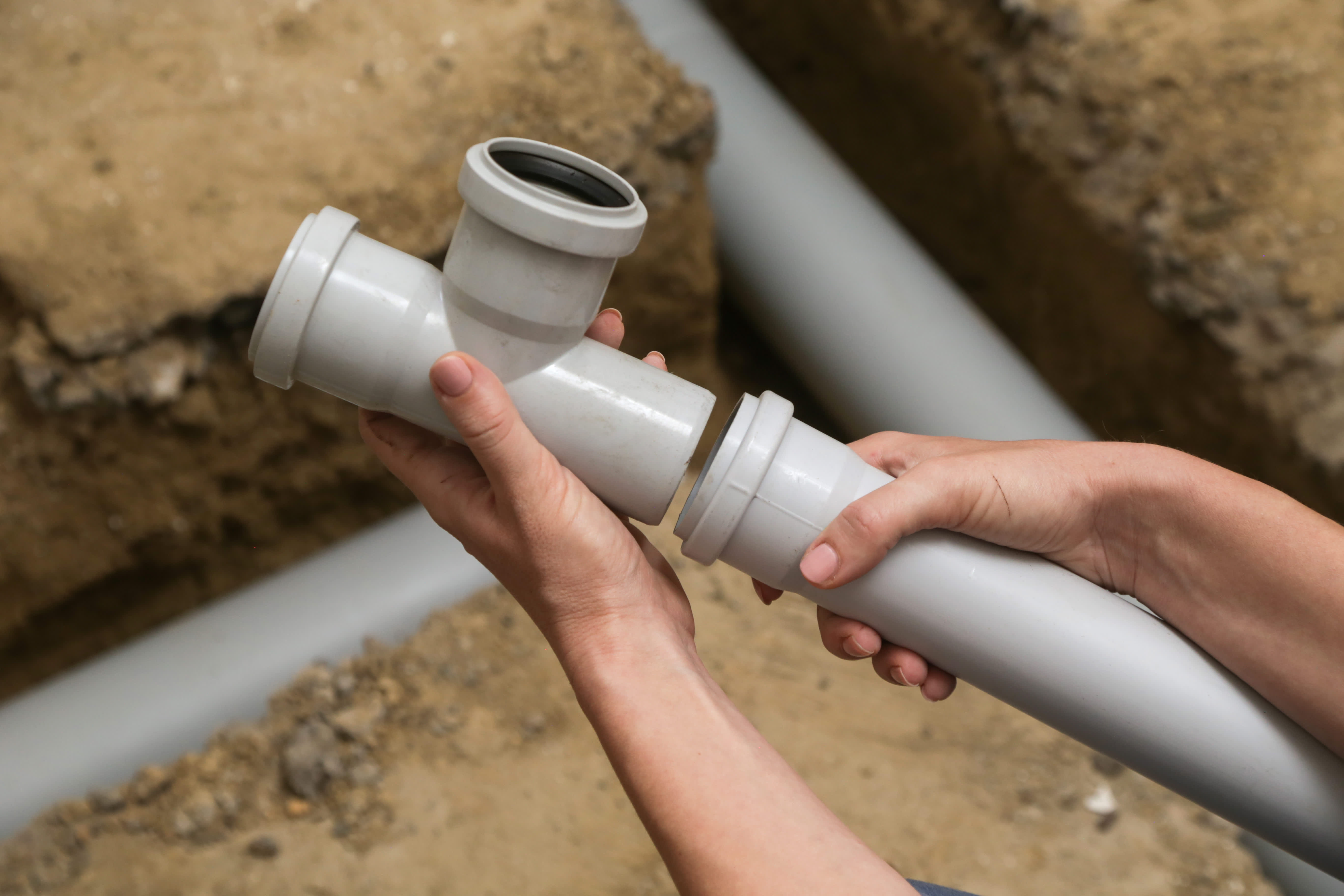
Not sure what PVC pipe size is right for your plumbing project? Learn about common sizes and how to choose the right one for the job and code requirements.
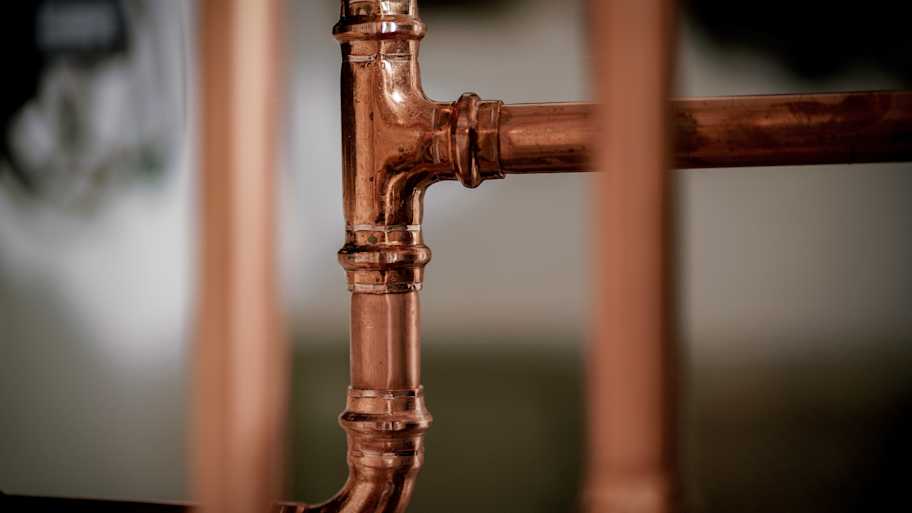
The proper copper pipe size depends on the application and your home layout. Learn how to size copper pipes and what factors to consider when deciding.
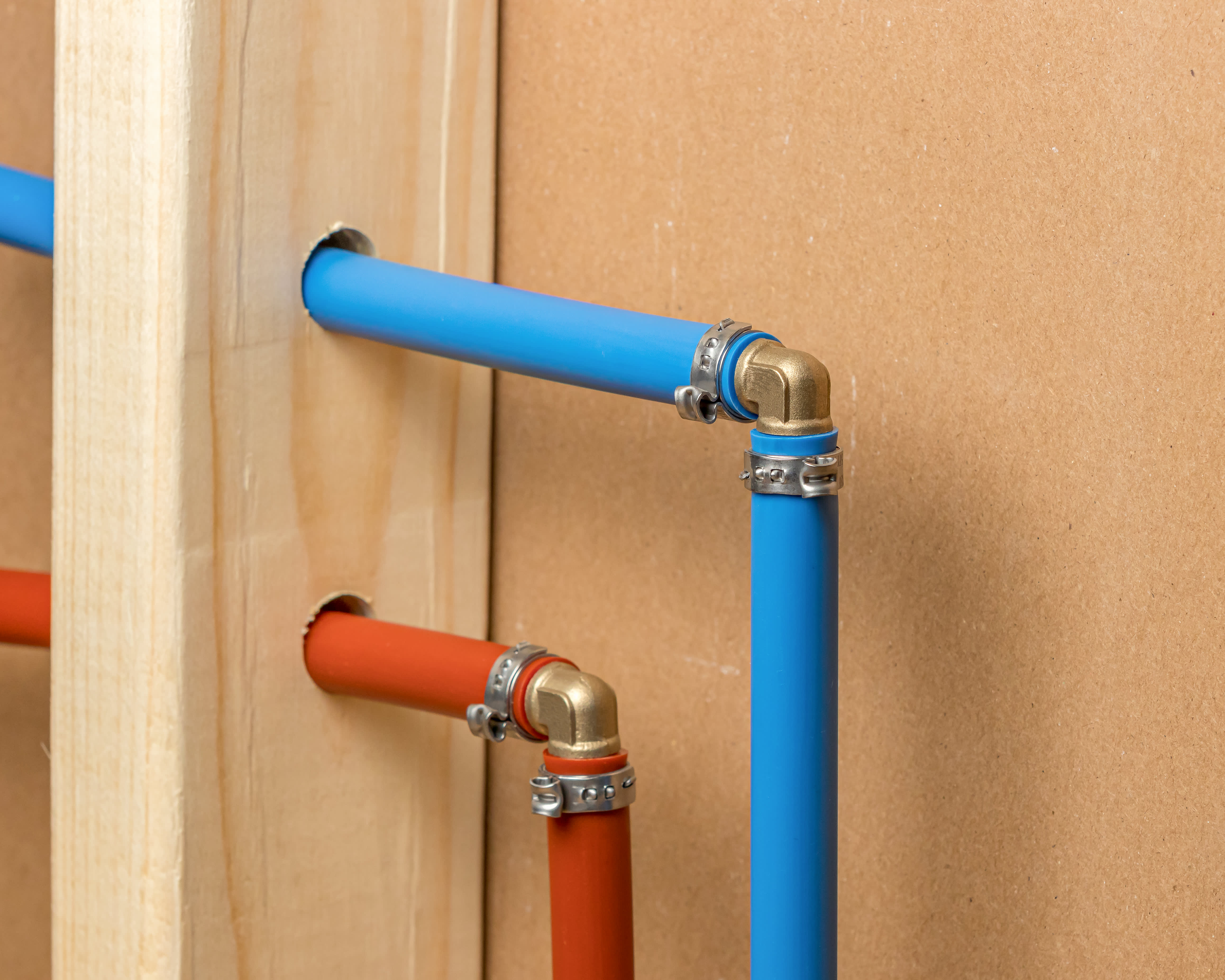
Having the right size PEX pipe is a must for your plumbing project. Learn about PEX pipe sizes and dimensions so you can choose the right one for your project.