
Our guide breaks down pricing factors, spring types, and why professionals help ensure safety and longevity. Learn what to expect and budget for your repair.
Keep creepy crawlies from sneaking inside your garage

Garage door bottom seal types include T-style, bulb, beaded, J-shaped, threshold, and brush seals, each designed to address different floor conditions and protection needs.
Bulb seals work best for your uneven concrete floors because their flexible design compresses to fill gaps and create a tight barrier against weather and pests.
Threshold seals install directly on your garage floor to create a raised barrier, providing extra protection against water intrusion and helping seal major gaps or slopes.
Hiring a local garage floor coating professional helps you select the right seal for your specific floor conditions and ensures proper installation for lasting protection.
Ever wonder how rain, dust, or even bugs manage to sneak into your garage despite the door being shut tight? It could be that your garage door seal is the problem—or maybe you don’t even have one. A good bottom seal can make all the difference in keeping your garage dry, clean, and pest-free. If you’re ready to upgrade or replace your garage door bottom seal, there are six types to consider: T-style, bulb, beaded, J-shaped, threshold, and brush. Let’s take a look and see which one best fits your needs.
T-style seals are one of the simplest and most reliable options for the bottom of your garage door. These seals are designed with a T-shaped profile that slides easily into a retainer track mounted at the bottom of your garage door. The top part of the “T” slips into place while the flat bottom rests directly against the floor, forming a barrier against dirt, water, and other debris.
They work especially well on smooth, level concrete floors where the bottom can form a tight seal. If your floor is uneven or bumpy, the seal won’t be as effective and could leave gaps. T-style seals are affordable, easy to find, and relatively easy to install—although, like with most garage door seal installations, the trickiest part is securing the track to the door itself. Once that’s done, you can easily slide the seal into place.
T-style seals are a popular choice for residential garages. They come in a variety of sizes to fit different door designs, and materials like rubber or vinyl give these seals just the right balance of flexibility and durability. Like all seals, however, they’ll wear out over time, especially when exposed to harsh weather.
| Pros | Cons |
|---|---|
| Affordable | Not suitable for uneven floors |
| Readily available | Can crack or tear |
| Commonly used residentially | Vulnerable to weather |
Best for: Smooth, level concrete floors
Bulb seals are the garage door’s answer to uneven floors. These flexible, compressible seals close gaps where the door meets the floor, especially in spaces where the concrete isn’t perfectly level. The “bulb” shape—rounded, tube-like, or even D-shaped—extends below the door’s edge to offer a snug fit. When properly installed, bulb seals create a solid barrier against the elements, pests, and drafts.
There are several ways to attach a bulb seal. Some slide easily into a retainer track at the bottom of the door. Others come with adhesive backing for a peel-and-stick installation, though the surface needs proper prepping for it to hold. There are also push-in versions that fit into specific grooves or channels. Each method has pros and cons, but the slide-in option tends to be the simplest.
Keep in mind that the same flexibility that makes bulb seals ideal for uneven floors can also make them wear out faster because of the constant compression. Plus, they tend to cost more than other seals, but their ability to fill in your garage floor’s imperfections makes the extra investment worthwhile. If your garage floor has bigger gaps or extreme sloping, a bulb seal might not be enough. You may need to pair it with a threshold seal to help fill the difference.
| Pros | Cons |
|---|---|
| Ideal for uneven floors | Wears out faster than some types |
| Fills in gaps | Not ideal for very large gaps |
| Good weather protection | Can be damaged by debris |
Best for: Uneven garage floors
Beaded seals, often made of rubber or vinyl, feature raised ridges (or beads) running along the bottom edge. The beads give the seal just enough flexibility to mold to minor nicks in the floor while keeping your garage protected.
The seal itself typically slides into a track at the bottom of the garage door, which makes installation relatively easy. Again, as with most seals, the real challenge is getting that track set up properly. Beaded seals form a U-shape when installed, flattening against the floor when the door closes.
A beaded seal works best on fairly level garage floors, as they can’t seal large gaps. If your floor has some noticeable nicks and grooves, you should consider hiring a garage floor coating contractor to smooth things out. That way, the seal won’t have to work as hard, and you’ll have a more effective barrier to protect your space.
Beaded seals might not hold up as well over time if your garage gets a lot of use or deals with extreme weather conditions, but for most homes with normal wear and tear, a beaded seal is enough.
| Pros | Cons |
|---|---|
| Tight seal | More expensive than most alternatives |
| Provides decent weather protection | Not suitable for very uneven floors |
| Available in different sizes | Wears down over time |
Best for: Garages with minor unevenness and gaps
If you need a garage door seal that can take some wear and tear while keeping your space secure, put J-shaped seals at the top of your list. You’ve probably seen it on commercial or industrial doors, and for good reason—it’s built to last. With its distinctive J shape, this seal has a long part that attaches to the door and a curved flap that tucks against the floor to keep out drafts, dust, and debris.
J-shaped seals are often found on high-traffic doors; however, they're not the best choice for residential garages unless you have a heavy-duty door that gets constant use. These seals are durable and weather-resistant and work best on smooth, level floors. So, if your garage floor is uneven, you might want to look elsewhere.
Installing a J-shaped seal requires some finesse. Like most others on this list, it fits into a track that attaches to the bottom of the door. And yes, J-shaped seals can be pricey, but for a high-traffic garage, the investment could pay off in the long run.
| Pros | Cons |
|---|---|
| Durable | Expensive |
| Good for heavy-duty use | Not ideal on uneven floors |
| Protects against strong weather | Detailed installation |
Best for: High-traffic garages
Unlike other bottom seals that attach directly to the door, a threshold seal is installed on the floor and creates a raised barrier for the door to press against when it closes. Made from rubber, vinyl, or aluminum, these seals are typically long strips that are thicker in the middle and tapered at each short end.
Threshold seals work great on uneven floors. If your garage floor isn’t perfectly level, the threshold can cover those areas and fill in the gaps. They’re also ideal for garages prone to heavy rain or snow, as they help keep water from coming in under your garage door.
Installation may require some patience—cleaning the surface thoroughly, measuring accurately, and attaching the seal properly. Threshold seals are usually installed using construction-grade adhesive (and sometimes screws for extra security).
You’ll also need to ensure that the seal’s profile isn’t too high and that it’s properly secured. If it comes loose, it could become a tripping hazard. If it’s out of alignment, it could make it difficult for your garage door to close completely. When done right, threshold seals provide added insulation and water protection. If you’re unsure whether you can handle installation, consider hiring a local professional to take on the job.
| Pros | Cons |
|---|---|
| Can be used on uneven floors | Requires prepping surface for install |
| Improved insulation and water protection | Can be damaged by vehicles |
| Added protection against pests | Not compatible with all garage setups |
Best for: Garage openings with major gaps or slopes
When your garage door is slightly bumpy, it can be tough to get a good seal along the bottom. Brush seals are a simple but effective solution for irregular surfaces. They’re made up of a strip (usually aluminum or plastic) lined with rows of synthetic bristles, like nylon or polypropylene.
Attaching a brush seal is pretty straightforward. You’ll typically screw the strip into the bottom edge of the garage door—although some companies use adhesive for a quicker job. It’s a DIY project that most homeowners can do themselves, as long as you measure the right length and pre-drill holes for the screws.
One of the biggest perks of brush seals is that they’re great for uneven floors. The bristles conform to the floor’s bumps and gaps, providing a decent seal—even when the surface isn’t perfectly smooth. However, they won’t work well for large gaps. Brush seals are great for dust, dirt, and insects, but they may not be the best defense against heavy downpours. So, if your floor and its surface need a lot of TLC, you might need to pair the brush seal with something else, like a threshold.
While installation can be a breeze, remember the bristles will wear down over time. Fortunately, you can usually replace the bristles without replacing the entire strip.
| Pros | Cons |
|---|---|
| Great for uneven surfaces | Not ideal for large gaps |
| Easy to install | Can wear down over time |
| Keeps out debris and small pests | Susceptible to heavy rain |
Best for: Garages prone to dust, leaves, and pests
For many types of garage door seals, DIY installation is doable. For example, T-style and beaded seals simply slide into a track, and bulb seals that slide in are just as easy. Some seals, like adhesive or push-in bulbs, can make things more difficult. For example, threshold seals sometimes require drilling into concrete, which can be difficult for some homeowners. If you’re not careful, these can end up misaligned or poorly attached, and that’s when you risk letting in water or pests.
If you want to save time and avoid the stress of incorrectly installing your garage seal, contact a local garage door company. They’ll help you pick the best seal, install it correctly, and even catch potential issues with your door or floor that could affect its performance.
Terrible experience. Walls/trim/floors/cabinets/doors all have drip marks, overspray, etc. Tiling at the fireplace had to be redone by another vendor due to incorrect and shoddy install by Profect. Contractor had his children in our house while he was on site without prior authorization or...
 Profect painting & exteriors
If you want to pay the most exorbitant prices possible for your job, this is the company for you. “By the job” pricing is a rip-off, at least how these people use it. Every job is plugged into a category and prices are set by category. You might have a job that takes half an hour or one that...
 Benjamin Franklin Plumbing
Jason has helped me with multiple household projects, with the most recent being new door installation. He has always showed up on time and organized and has done an incredible job! Jason is very professional and he's now my go-to for anything around my house that needs to be fixed or...
 Huff Garage Rescue, LLC
Company came to look at my garage door that was off track. They also said I needed a brace on the other garage door. They put the door back on track, and I paid to install the brace. The technician told me I needed a new garage door opener, and it would cost $1000. Red flags went off in...
 Precision Overhead Garage Door Service
On Sunday 2/26 I requested quotes via Angi from 4 refrigerator repair businesses. Northwest Appliance responded to me Monday morning (2/27) and my refrigerator was repaired by noon the same day. Great communication, they did everything they said they would. The technician had the parts on...
Window depot replaced all 14 windows in my house, front door and added a new back door. They did a wonderful job with some tricky windows in this old house. They were quick but efficient and cleaned up everything inside and out. I have already passed their contact information on to my...
 Window Depot USA of Central Ohio
They do not have the necessary expertise to pack a POD to protect your valuables. BUYER BEWARE. As part of this recent move, their crew packed a large glass table topper for transport across country in a POD. The fact that they were packing a POD and that it was traveling long distance was...
 Adam's Moving & Delivery Service
Called ahead and worked quickly to install keyless locks on vintage wooden doors.
 Expert Lock and Key, LLC
Scott did not get appropriate access to the property prior to the scheduled inspection which required us to come back later in the day to complete it. He also, unprofessionally, knocked on a neighbor?s door in his attempts to reach someone with access. His overall report was fine though the...
 Security First Home Inspections
This company is a scam. Do not work with them. I had an appointment with this company at a condo that I rent out. The appointment was at 10 am and they did not show up. I waited for over an hour, and called their office 7 times with no answer. I left 5 voice messages and they still never...
 Mold Test Company OH
From average costs to expert advice, get all the answers you need to get your job done.
Our guide breaks down pricing factors, spring types, and why professionals help ensure safety and longevity. Learn what to expect and budget for your repair.
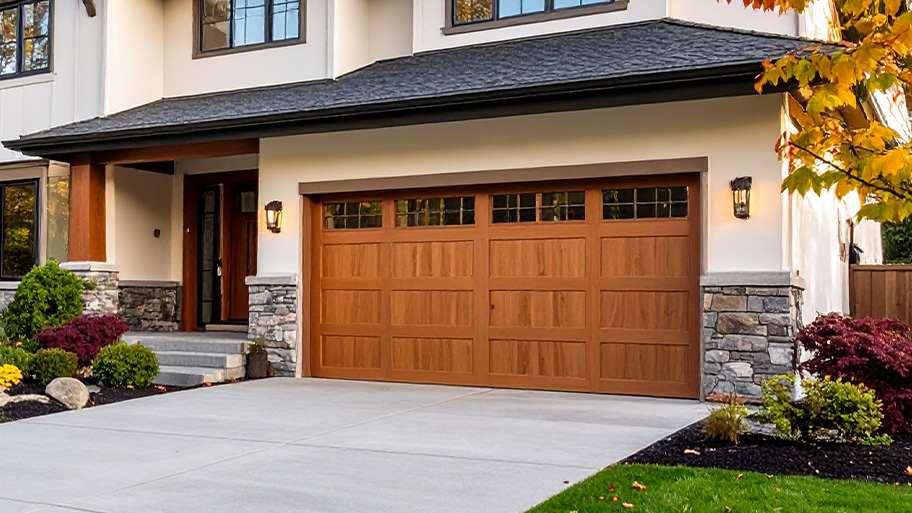
Replacing a garage door is necessary to add security and value to your home. Learn how each door type affects the total cost of this project.

How much does a glass garage door cost? The size, type of glass, and frame material will all impact what you pay.
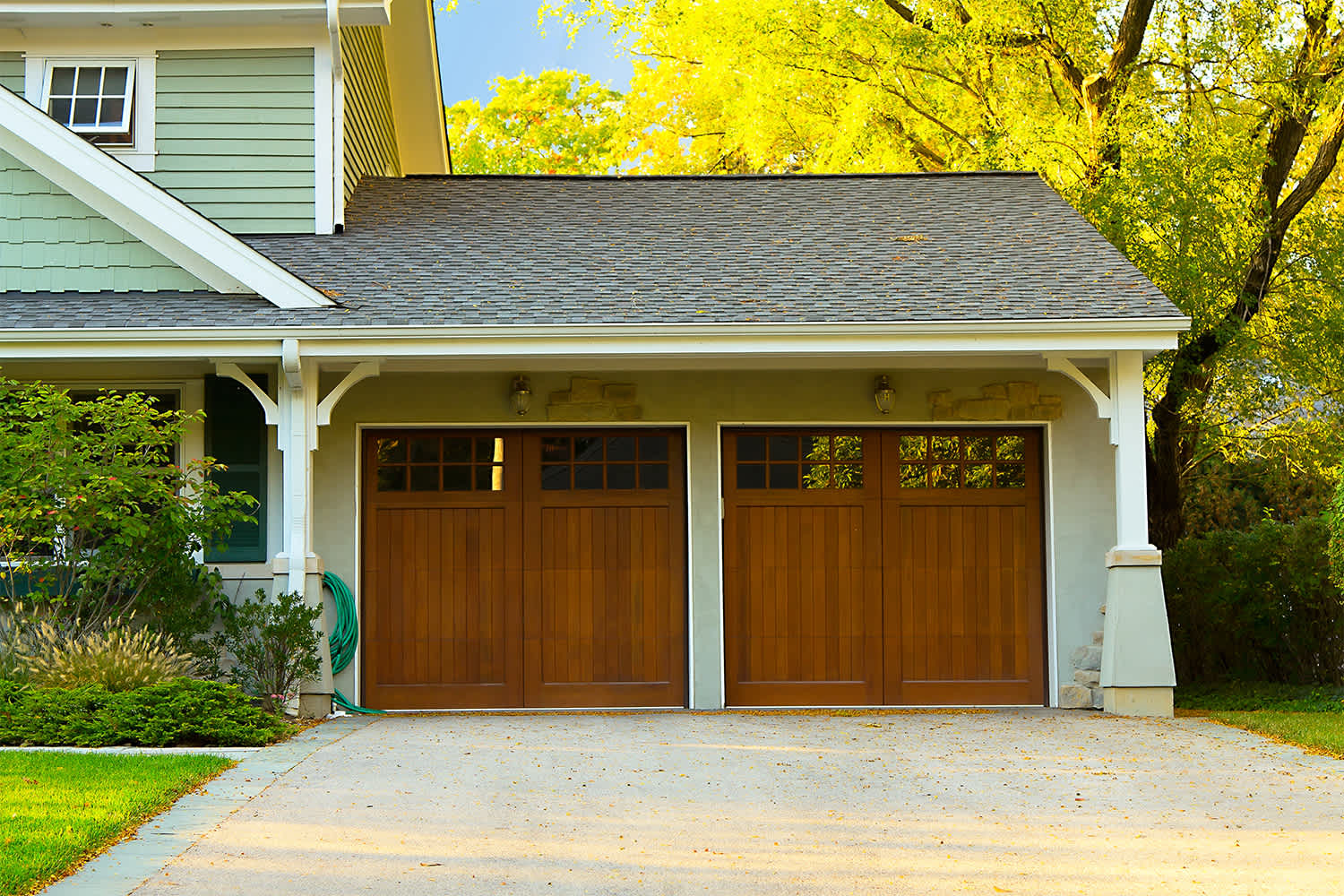
Choosing your garage door opening style is a major consideration for both your wallet and your home. Learn the types of garage doors to find the one that best suits your style.
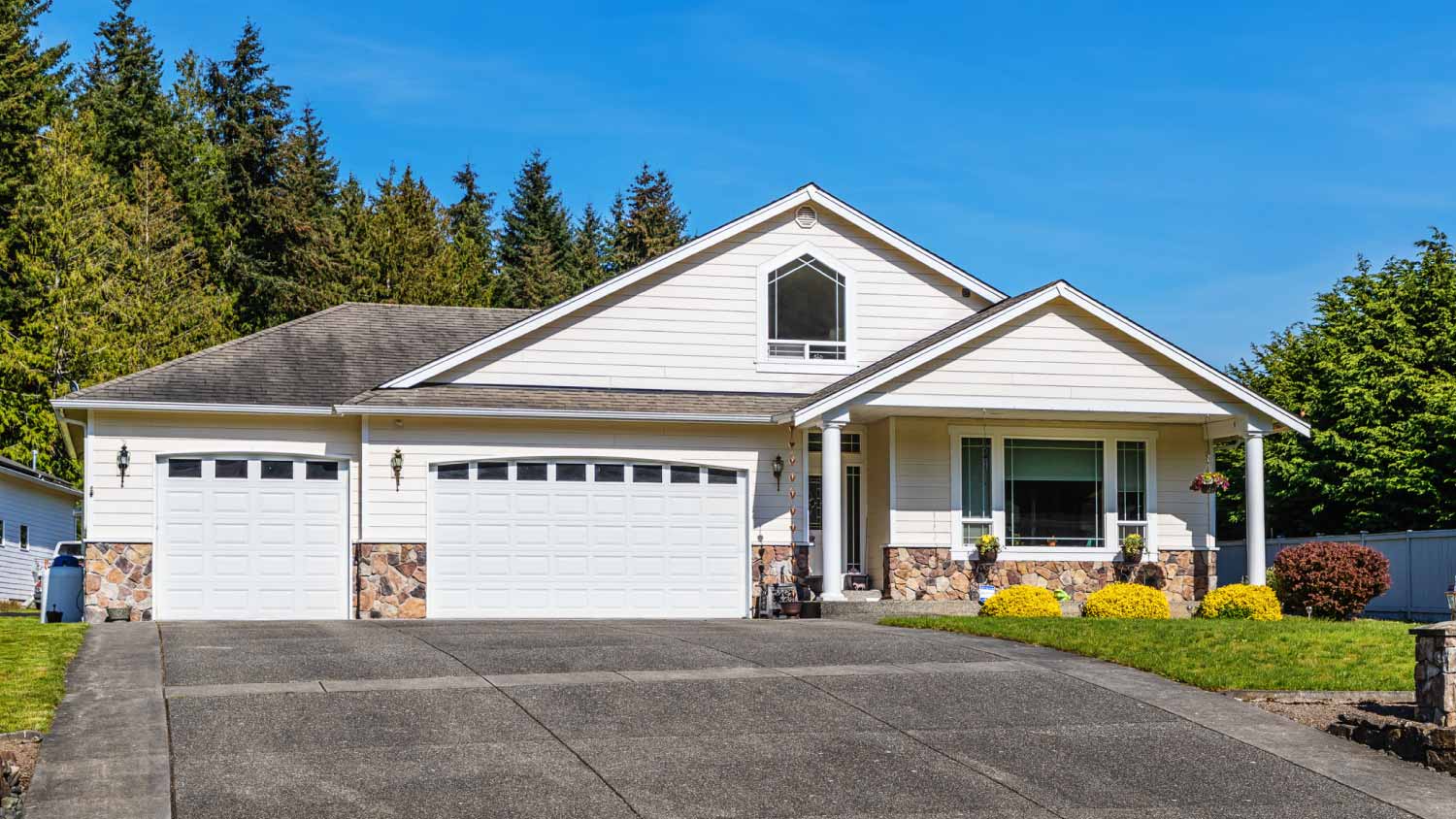
Explore the different types of garage doors for your home, including their durability, cost, and the pros and cons of each option.
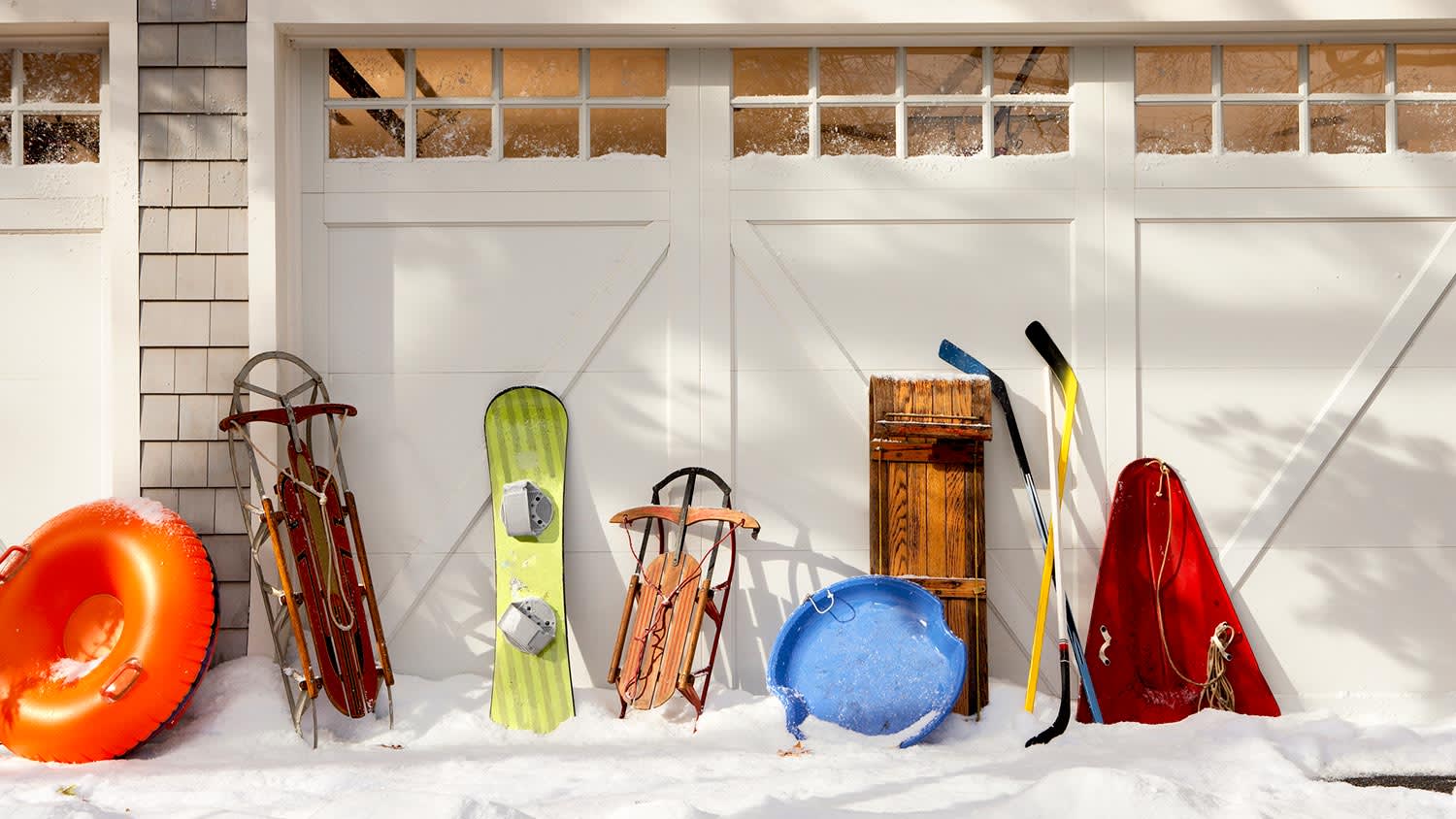
Winterizing your garage door can help you throughout the year, not only in the winter. Using this guide, you’ll learn how adding items such as insulation and even table salt can help prevent your garage door from freezing.