
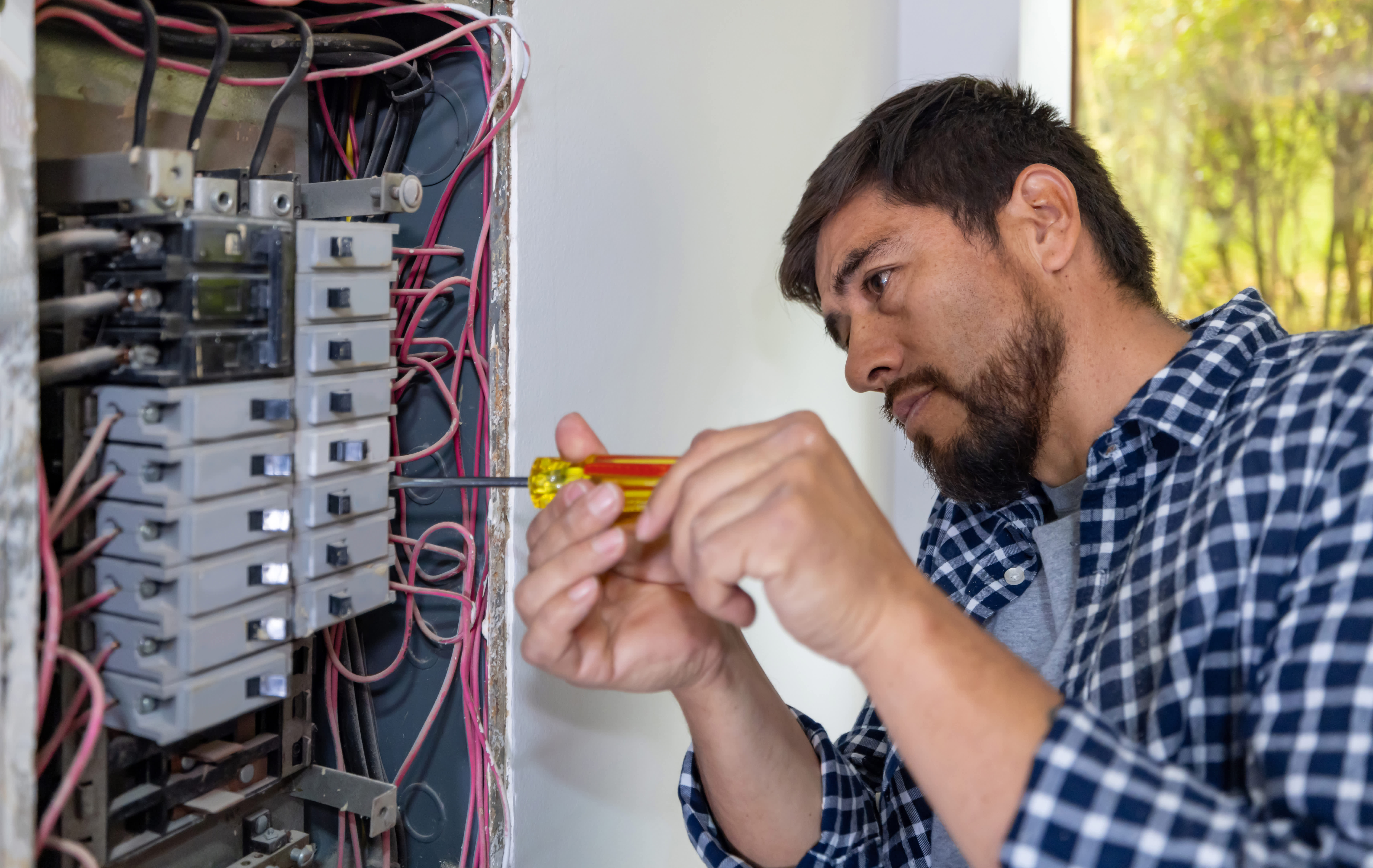
Replacing an electrical box can fix issues around the home and upgrade your electrical system: Here’s how much this big project costs in Denver.
Electrical service costs depend on your project and location. Check with a local pro for your specific job.

Denver, CO homeowners usually pay between $550 and $2,300 for electric meter box replacement.
Budget for this project to reach more than $1,000 if you're moving your meter box.
Parts like connectors, fittings, and fasteners can add $160 in material costs.
A licensed electrician in Denver, CO can make sure permits and inspections are handled correctly.
Electric meter box replacement cost in Denver, CO comes out to $1,058 on average for most local homeowners. However, your project cost might reach $529 to $2,222 based on your panel setup. You'll need to hire a licensed electrician for this project to comply with all local codes and requirements. Keep reading to learn about expected cost factors when getting your home's meter box up to code.
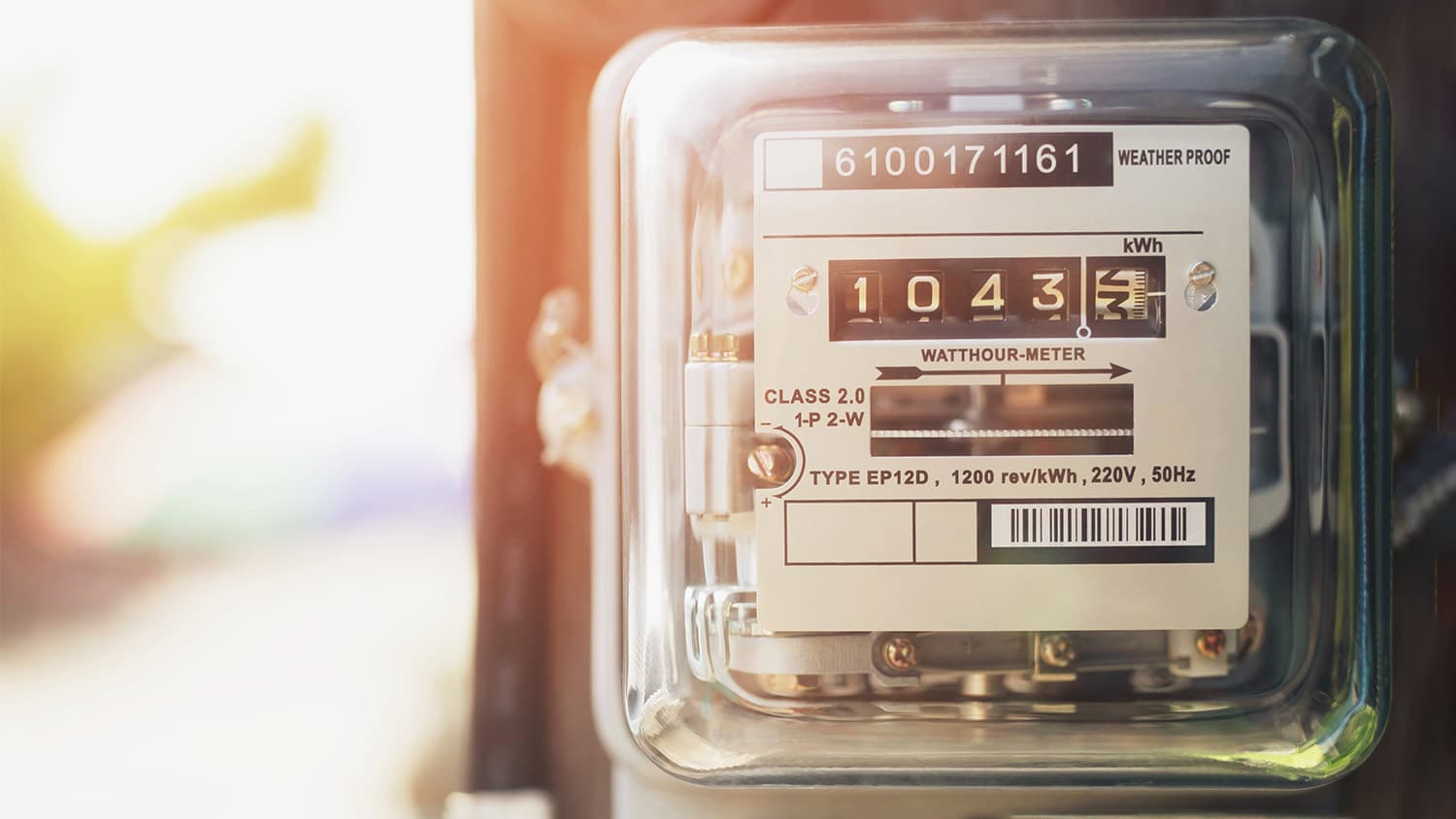
An electrical meter box is an important component of your electrical system. It holds the electrical meter, which measures the amount of energy your home uses. The meter box your electric company uses to monitor your home's electrical usage in Denver, CO is your responsibility to maintain. Electricians qualified to replace an electric meter box will look at the complexity of your panel's circuitry when providing a quote. Here's how common cost factors break down.
The cost of the electrical meter box itself is $70 to $400 in most cases, but it varies based on the strength of the box (measured in amperes or amps) and its features. Homes with larger electrical panels need meter boxes that match that capacity. Most homes have an electrical panel that can handle 200 amps.
Here’s what you can expect to pay for an electric meter box (not including labor) depending on your home’s current electrical capacity:
| Amps | Average Cost Range |
|---|---|
| 100 | $55–$220 |
| 150 | $60–$220 |
| 200 | $125–$355 |
| 400 | $420–$620 |
In addition to the cost of the meter box itself, which runs between $70 and $400, you may need to pay for additional parts and materials for installation. This can include connectors, fittings, and fasteners, which cost around $140 altogether.
Home electric meters can be in several locations, including outside for easy access or next to the electrical panel. But there’s a caveat about electric meter locations: You can’t always change them. Electric meter locations may be mandated by local building codes and agreements with local utility companies. The most important thing is that your meter box is accessible to your power company for servicing. This is why city guidelines mandate that your electric meter box be placed on your home's exterior. It should be placed within 10 feet of the nearest power source. In addition, you need to make sure your meter's center is mounted between 4 and 6 feet above the ground. You also need to provide a reasonable amount of clearance around the meter box.
The power company may charge you a fee for moving the meter or may not let you move it at all. If you *can* move the meter, expect doing so to cost between $1,575 and $2,625. However, there is another option: You can move your electrical panel to a new location if it was installed beside the meter. This is a big project requiring a professional electrician, and it can cost between $1,575 and $4,200, depending on the panel’s new location.
Overall, the rates charged by locally licensed electricians in Denver, CO can vary based on whether your project involves a simple meter swap or you need to incorporate the cost to move your electric meter. While the cost to upgrade an electrical panel will add to the cost to replace your meter box, it could make your home more efficient overall and increase home value.
Denver, CO electricians charge between $90 and $160 per hour. Ask the pro you hire for help on how to tell what amp service is in your house to see if upgrading your panel's amperage could be a worthwhile project to lump in.
Under Colorado law, you'll need a permit for any installation or alteration of a permanent wiring system in your home. This includes your meter box. It's standard to hire a contractor to pull the appropriate permit(s) for you. Homeowners who wish to perform electrical work on their own have to pass strict safety inspections. You'll also need to have a city inspector approve the work before Xcel Energy or another power company can reconnect your home's power. General electric permits in Denver, CO for a project of this size start at $50.
Your contractor will need to purchase hardware and materials to install your new meter box. Keep in mind that the combined local sales tax rate of 9.15% in Denver, CO will apply to all material purchases needed to get your replacement completed.
Denver, CO electricians need to have liability coverage to maintain licensing. They also need to provide workers' compensation coverage if they have any employees. Overall, this adds $40 to $210 in monthly premiums for the average electrical contractor.
Every Denver, CO electrician needs to have an electrical license from the Colorado State Electrical Board and be registered with the Colorado Department of Regulatory Agencies (DORA) in order to handle meter box replacements. Contractors who own their own companies also need electrical contractor licenses. Between licensing fees and the cost to register as a business in Denver, CO, most electricians pay around $500 to $600.
While replacing an electric meter box won’t necessarily increase your home value in and of itself, it’s a smart investment for other reasons. If your meter box isn't working, your utility company won't provide power to your home. In addition to creating health hazards at your home, this can cause freezing pipes if you're unable to run your heat in the winter.
To help homeowners plan their next project, Angi provides readers with carefully researched cost data and upholds strict editorial standards. We start with national average project costs, which we collect by analyzing competitor information, retailer material costs, and input from professional contractors. We then apply local price index data to calculate location-specific estimates that reflect what homeowners typically pay in their local area. To do that, we use data from the U.S. Bureau of Economic Analysis (BEA), including its Regional Price Parities (RPPs), which measure price differences across cities. This helps us account for differences in labor, materials, and overall cost of living, so estimates in higher- or lower-cost areas better reflect real-world local pricing.
Every estimate undergoes a thorough editorial review to verify accuracy, consistency, and alignment with observed market conditions.
Want to help us improve our cost data? Send us a recent project quote to [email protected]. Quotes and personal information will not be shared publicly.
H and H Electrical were great to work with. They were highly professional and communicated everything needed for the new electrical panel project, and their number was right on point with our budget. We're looking forward to working with them again for the next phase of our electrical...
 H and H Electrical Service Co.LLC
Chris from Noble Electric provided a highly professional service. His expertise is noteworthy and his support is very reliable. Every communication with Chris went smoothly and in a timely manner. I'd hire his service in the future with conviction and comfort.
 Noble Electric Company, Inc.
I am a contractor and have not been impressed with others work I’ve hired before so when I heard about best grand electric I thought I would give them a try and I was very impressed.
 Best Grand Electric
My solar is covering all my electric bill now!
 Seed-Solar
Excellent!! Mike Electric was great and flexible to do some extra work that we requested. We enjoyed their friendly approach to working in our home. They cleaned up all the misc dust, wire scraps and such. Very fair pricing.
Josh did an electrical panel upgrade for me. He explained the entire process and did excellent work. Highly recommend!
 JM Electric, Inc.
Friendly, quick responses, and great work. I will contact them again for any electrical needs.
 Tipping Hat Plumbing, Heating & Electric
As a residential remodeler, I have used SC Electric for over 10 years on all of my projects and they always do an excellent job. This particular project had a lot of remodeling of old wiring and SC Electric got it all up to code, wired for new lighting, switches, outlets, fans. I enjoy...
 SC Electric
Guardian Electrical was amazing!! The works was great and done in a timely matter. They were professional and cleaned up everything. It was amazing. I would definitely hire again!!
 Guardian Electrical Services
I don’t usually write reviews, but I was so impressed by the level of service I received from JD Electric that I just couldn’t help myself. I’d never had an electric job done before, but after moving to a small horse property I realized that having electric in the barn would make life so much...
 JD Electrical Home Solutions
From average costs to expert advice, get all the answers you need to get your job done.
Replacing an electrical box can fix issues around the home and upgrade your electrical system: Here’s how much this big project costs in Denver.
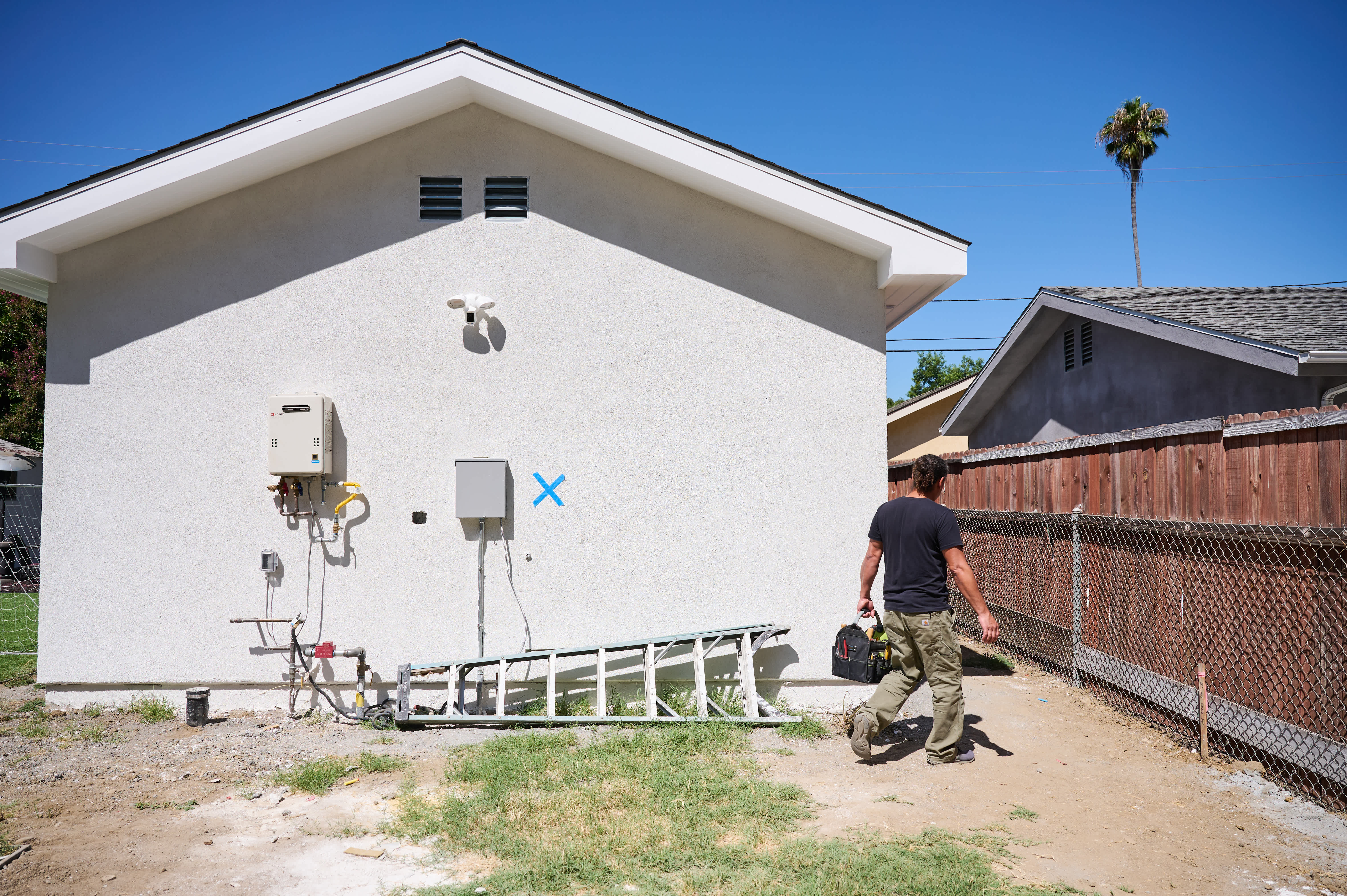
Hire a licensed electrical contractor and learn the cost to run electric from the road to your house in Denver, CO, so you can budget for the project.
Looking to size up your electrical system to cover higher usage and improve efficiency? Use this guide to see the cost to upgrade an electrical panel in Denver, CO.
Are you wondering if your home has a CL200 meter? If you’ve checked your electrical meter and aren’t sure what these numbers mean, we’ve got you covered.

The electrical panel delivers all your electricity needs, but it might ruin your aesthetic. Here are the electrical panel location rules so you can choose the best spot.

Keep pool-side dreams from getting short-circuited by being aware of pool electrical installation costs in Denver, CO and how they can affect your overall budget.