
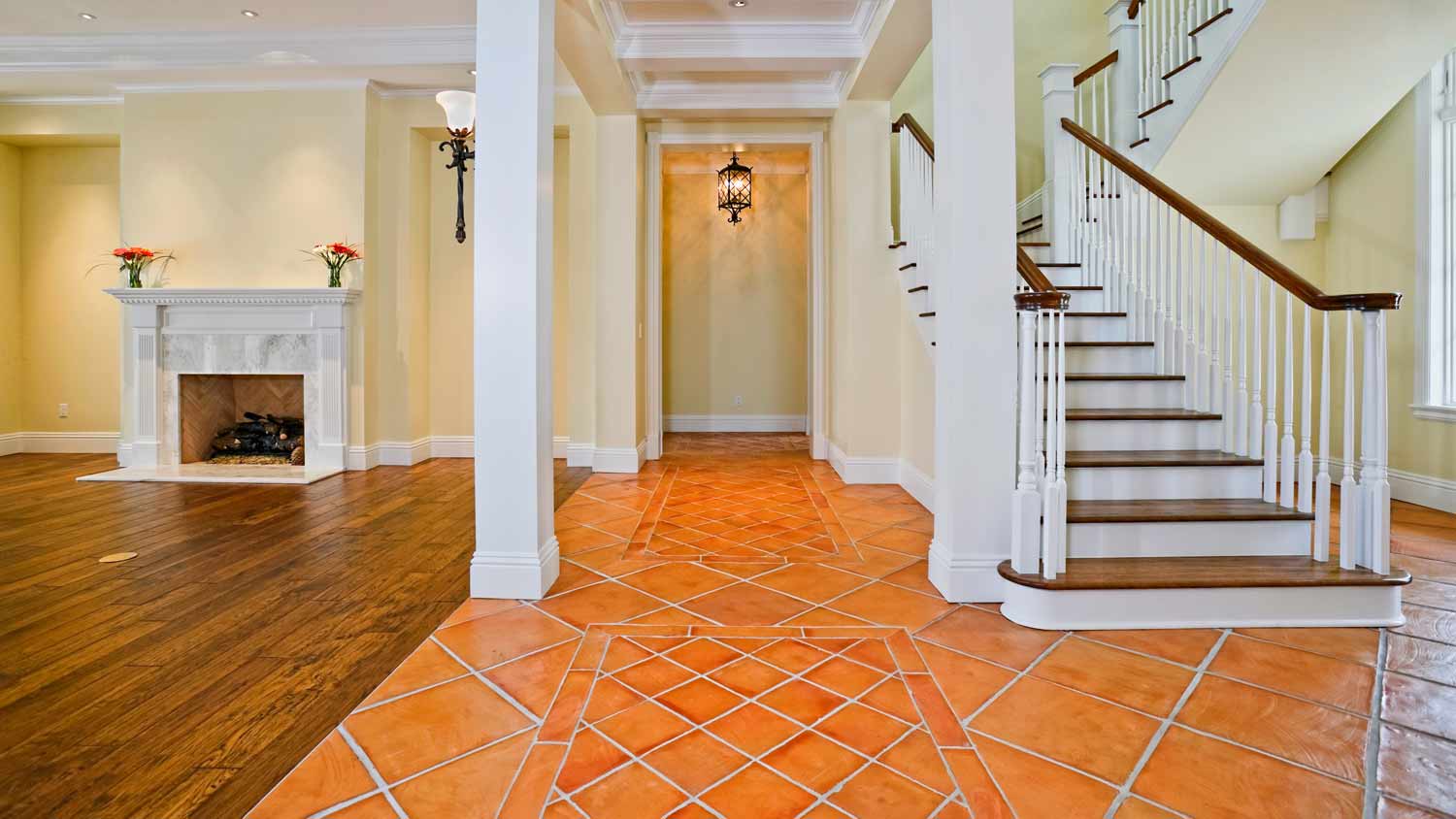
How much does a Saltillo tile floor cost? It depends on the size of your space, but on average, you’ll pay between $6 and $28 per square foot for this tile.
Let’s take a trip down memory lane—to high school geometry

Converting 100 square feet to feet depends on whether you're measuring area or length, since 100 square feet equals a 10-by-10-foot space.
Professional tile installation costs $400 to $6,000, with average costs around $2,000, so accurate measurements help you budget your project confidently.
Adding 10% to 15% for waste ensures you have enough tile to cover cuts, breakage, and mistakes throughout your installation project.
Hiring a local tile professional removes the guesswork from measurements and calculations, ensuring your tile order matches your space perfectly.
Whether tackling it yourself or hiring a professional, installing tile can be time-consuming. If you’re doing the work yourself, understanding how to measure square feet for tile can help make the project go more smoothly. Plus, accurately accounting for the total amount of tile plus waste will allow you to order your tiles and complete the project as quickly as possible. This handy DIY guide will explain why square footage measurements are essential and how to measure for them.
Square footage is the total area of a room or a space. Often, you’ll see square footage on home listings to show how big a home is or how much living area it has. The total square footage of the home is the sum of the square footage of each room. When measuring for tile, measuring the square footage of the area you’re covering will allow you to get as close as possible to the amount you’ll need when you start the project.
Tile installation cost depends on the size of the room, the amount of tile needed, the cost of the tile, and the cost of labor if you have it professionally installed. The average cost to complete a tile installation project is $2,000, but it can cost as little as $400 and as much as $6,000.
If you complete the project yourself, you have to account for any tiling tools and supplies you need too, which can include a notched trowel, tiling sponge, wet saw, utility knife, and rubber grout float, plus the cost of supplies like adhesive, grout, and the tile itself.
Other factors that impact the cost, whether you’re doing the project yourself or hiring a tile installation professional near you, are the size of the area you’re tiling, the amount of site prep needed, and the type of tile you’re installing.
Measuring square footage is a relatively simple project, but it does require some math and a few tools. If you can remember back to high school geometry—yes, you actually get to use high school math—you’ll be using the formulas to find the area of a square or rectangle and maybe a triangle or circle depending on the shape of your room. Don’t worry if you don’t remember them—we’ve got you.
You’ll need a tape measure or laser distance measurer, paper, a writing utensil, and a calculator. You can also use an online square footage calculator to make things even easier.
When you decide to install ceramic tile or upgrade an old backsplash, understanding how to measure square feet for tile will allow you to order what you need to complete the project.

One of the best ways to keep track of your measurements is to draw a rough sketch of the room. Don’t worry if you’re not artistically inclined! It doesn’t have to be pretty or to scale, but making it roughly proportional can help you label it accurately. Once the room is sketched, you can decide which formulas to use.
The most straightforward shapes to calculate square feet for are squares and rectangles. So, if you have an irregularly shaped room, especially one that is L-shaped or has a square or rectangular nook, you can draw a line on your sketch to break it down into squares or rectangles.
Use the formula for a square or rectangular room:
Length x Height = Sq. Ft.
So if a room is 10 feet by 10 feet, you will multiply the two numbers together to get the total area of the room—100 square feet. That was an easy one, but you get the idea. We’ll talk about what happens when a room doesn’t have an exact number of feet, and you have to deal with inches in a few minutes.
For a circular room or area, use the following formula:
Radius (measured from the center of the circle to the outside edge) x ℼ (3.14)
If a circular room measures 25 feet across (the diameter), its radius is 12.5 feet. To make this formula work, you must convert the feet into inches by multiplying it by 12. So, 12.5 feet times 12 inches per foot equals 150 inches. Multiply 150 inches by 3.14 to get the total area of the circle—471 square feet.
For a triangular room or area, use the following formula:
Base x Height
___________
2
If a triangular room has a base of 10 feet, 6 inches and measures 12 feet from the base to the furthest point, you’ll start by converting feet to inches. Multiply 126 inches by 144 inches to get 18,144. Then divide that number by two to get the total area of 9,072 inches. Finally, divide that number by 144 (the number of inches in one square foot) to get the total square footage of 63 square feet.

The planning stage is done, now it’s time to get out that tape measure or laser distance measurer and start measuring. To get an accurate square foot calculation, you’ll want to measure in inches, converting any measurements in feet to the smaller unit. For instance, if your room is 15 feet, 6 inches long, you would convert the feet to inches by multiplying the number of feet by 12 and then add in the leftover inches. So, 15 feet, 6 inches will equal 186 inches.
Measure each side of the room, convert the measurement to inches, and write the number on your sketch.
Once all the measurements are taken, you can calculate the total square feet in the room that will need to be tiled. To do this, find the area of each shape that makes up the room. If the room is a square or rectangle, this is pretty easy.
Multiply the length of the room times the width
Divide the total by 144 (the inches in one square foot)
Example:
Length: 15 feet, 6 inches (186 inches)
Width: 20 feet, 6 inches (246 inches)
186 inches x 246 inches = 45,756 inches
45,756 inches / 144 inches = 317.75 square feet
For a room with an irregular shape, you’ll use the same method but use either the formula for a circle or for a triangle. Calculate the square feet of each section and then add the total together.
If you’re tiling a wall and need to go around a window or door, find the total square footage of the wall and then subtract the square footage of the window or door that won’t need to be tiled.
You’re almost done, but now it’s time to think about waste. When you install tile, you’ll need to cut some pieces to size, and there’s always a chance that you’ll make the wrong cut or that a tile will break throughout the installation process. To account for these scenarios, you should calculate waste into the total amount of tile you buy. It’s recommended to buy an additional 10% to 15% of the total tiles you’ll need to cover any waste or breakage.

So now you’ve made all your measurements and are looking at a number that theoretically tells you the amount of tile that you need—317.75 square feet worth, in our scenario. But when you start looking for tiles, you’ll see a variety of measurements. The amount of tile that comes in a box can be measured in pieces, in square feet, or by the box or case. This can prove incredibly confusing.
Luckily, many home improvement sites include a calculator that will do the conversion for you. You simply enter the number of square feet you’ll be tiling, and it will tell you how much to order and the total you’ll pay. There’s also typically a box you can check if you want to include waste into the total amount of tile.
Draw your sketch as accurately as possible. However, it doesn’t have to be perfectly to scale. Mark any areas that won’t be tiled.
If you’re tiling a wall with a window or a door, subtract that area from the total tile needed. Make sure to calculate the square footage of the door or window (or both) and deduct that from the total.
Make sure you’re converting all measurements to inches.
Have a helper to hold the other end of the tape measure and maybe another to mark down measurements.
Add 10% to 15% for waste, which, while it will add to the cost of installing a tile floor, will ensure you have enough materials to cover the space.
Terrible experience. Walls/trim/floors/cabinets/doors all have drip marks, overspray, etc. Tiling at the fireplace had to be redone by another vendor due to incorrect and shoddy install by Profect. Contractor had his children in our house while he was on site without prior authorization or...
 Profect painting & exteriors
It was wonderful working with Yordy and his team. They were very professional and are experts in what they do. They have completed the work on time, with better quality and with in fairly reasonable price. We just started with backsplash work , but liking his work, we went on to provide...
 Flooring Solutions
We were having 2”x 2” tile installed . There was a small installation error and the new additional replacement tile was from a different lot and the colors didn’t match. Joe assured us that he would rectify everything , which he did without hesitation. We decided to go with the 18” x 36” tile...
 CarifaTile
For several months I was looking for somebody to tile a wall in my master bath and move lighting fixtures, and could not find anybody who was responsive. I contacted Rowe through Home Advisor and within days they came by to assess the job and provide an estimate. The cost was very...
 Rowe House Development
It went very well! The end product was amazing and we keep getting a lot of compliments from friends! M&E were very professional and they made sure we were happy with the product before leaving. They met with us in our home and at the tile shop to make sure we were okay with our tile and...
 M&E Remodeling
Involved an extensive bathroom remodel, including removing tub & installing walk in shower, new drywall, custome tile work to ceiling, plumbing, etc. Overall, job was done on time and on budget. Nick & his team were very professional and had high attention to detail. Quality was great. Highly...
 Stamos Flooring and Remodeling LLC
Very pleased with the service and level of professionalism. Courteous and very unobtrusive in performing service. Unlike several other companies, Bradford Xteriors was willing to perform work on a three story home with a clay tile roof. <br />
 Bradford Xteriors
This company did a very good job on the brick wall and it looks just amazing. The staff was always professional and was practically OCD on how the bricks were stacked and how they were laid. Although it took longer than expected, I am willing to sacrifice time over perfection anyday. The...
 My Handy Mate LLC Improvement & Remodeling
He did the tile work and he was good at it. He used other subcontractors for the rest of the work (like putting in the cabinetry) and they were okay but not great. He was a great guy! He was easy to work with and had a good eye for the detail of his work. There were a couple of things that I...
 Brian Miller Custom Remodeling
I was very impressed with Miller Cantrell! I live in an old home in which the sewage line that runs from my home to the sewage system is a line of clay tile. These eventually collapse and need to be replaced - an expensive problem and sure to happen at the worst time. I told them that my...
From average costs to expert advice, get all the answers you need to get your job done.
How much does a Saltillo tile floor cost? It depends on the size of your space, but on average, you’ll pay between $6 and $28 per square foot for this tile.
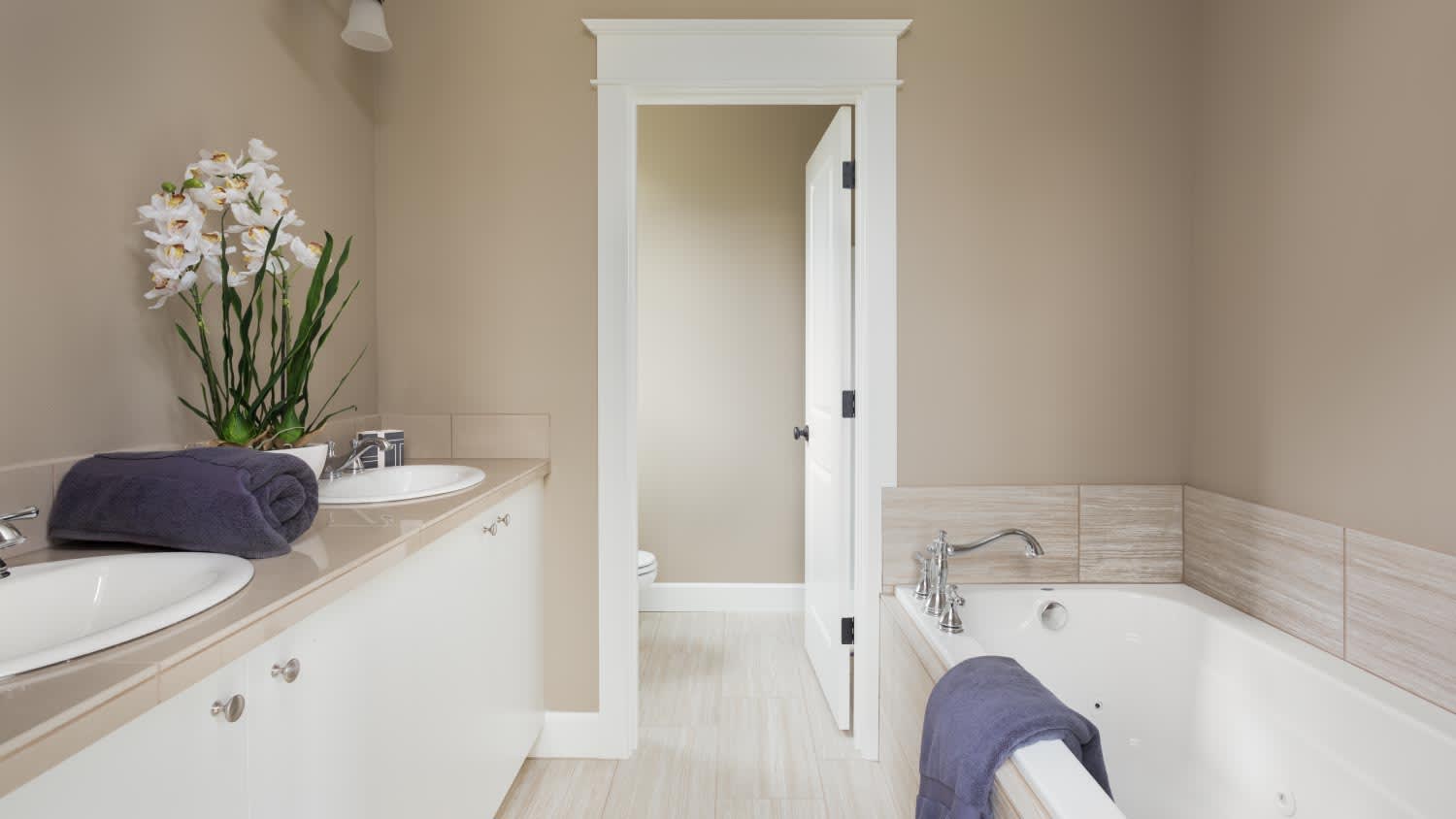
The cost to install porcelain tile depends on materials, size, and whether you DIY or hire a pro. This guide will help you choose the perfect porcelain tile for your home and budget.
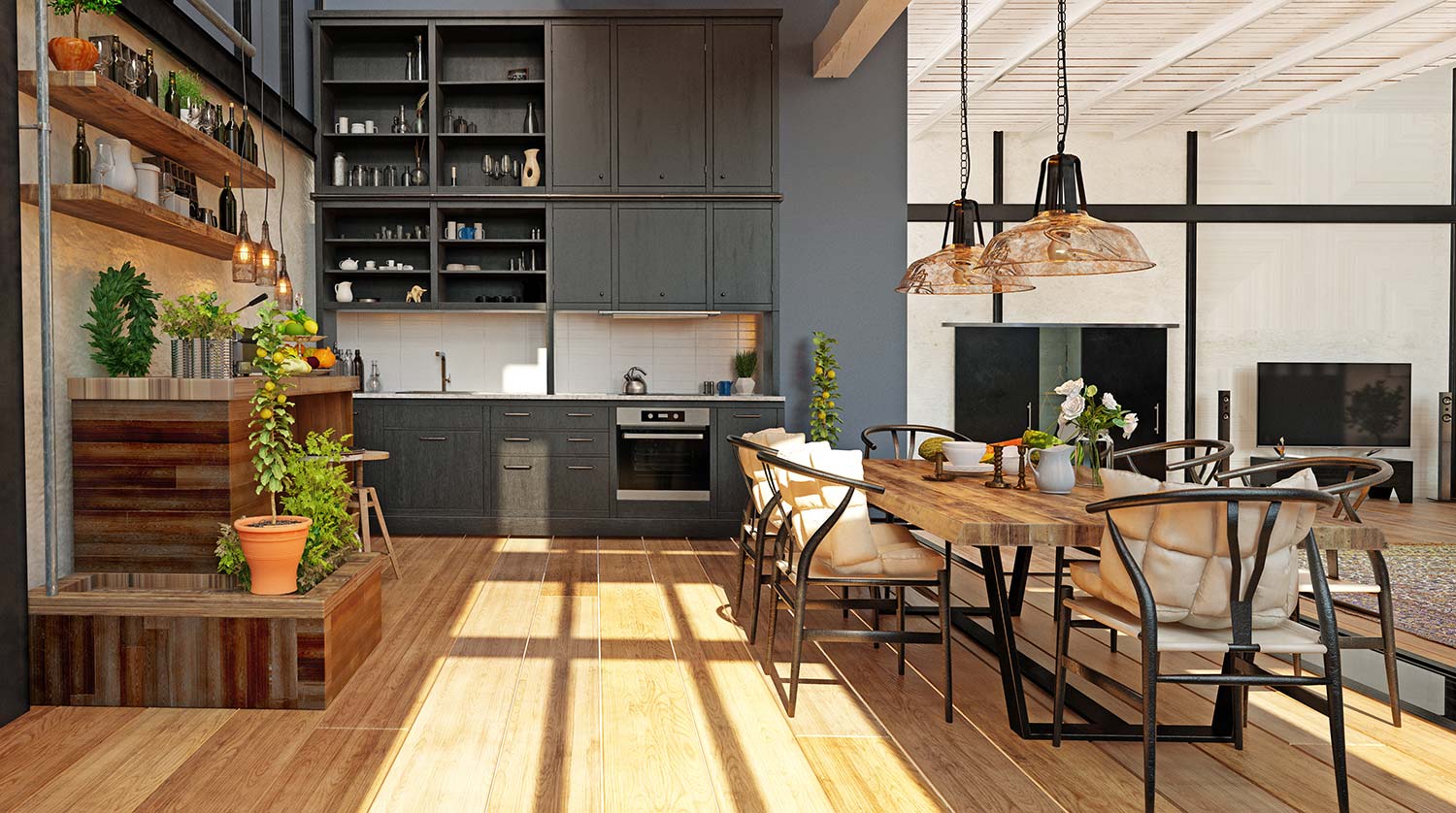
Discover the true wood tile flooring cost and learn about installation, labor, and material prices, plus tips to save on your wood tile flooring project.
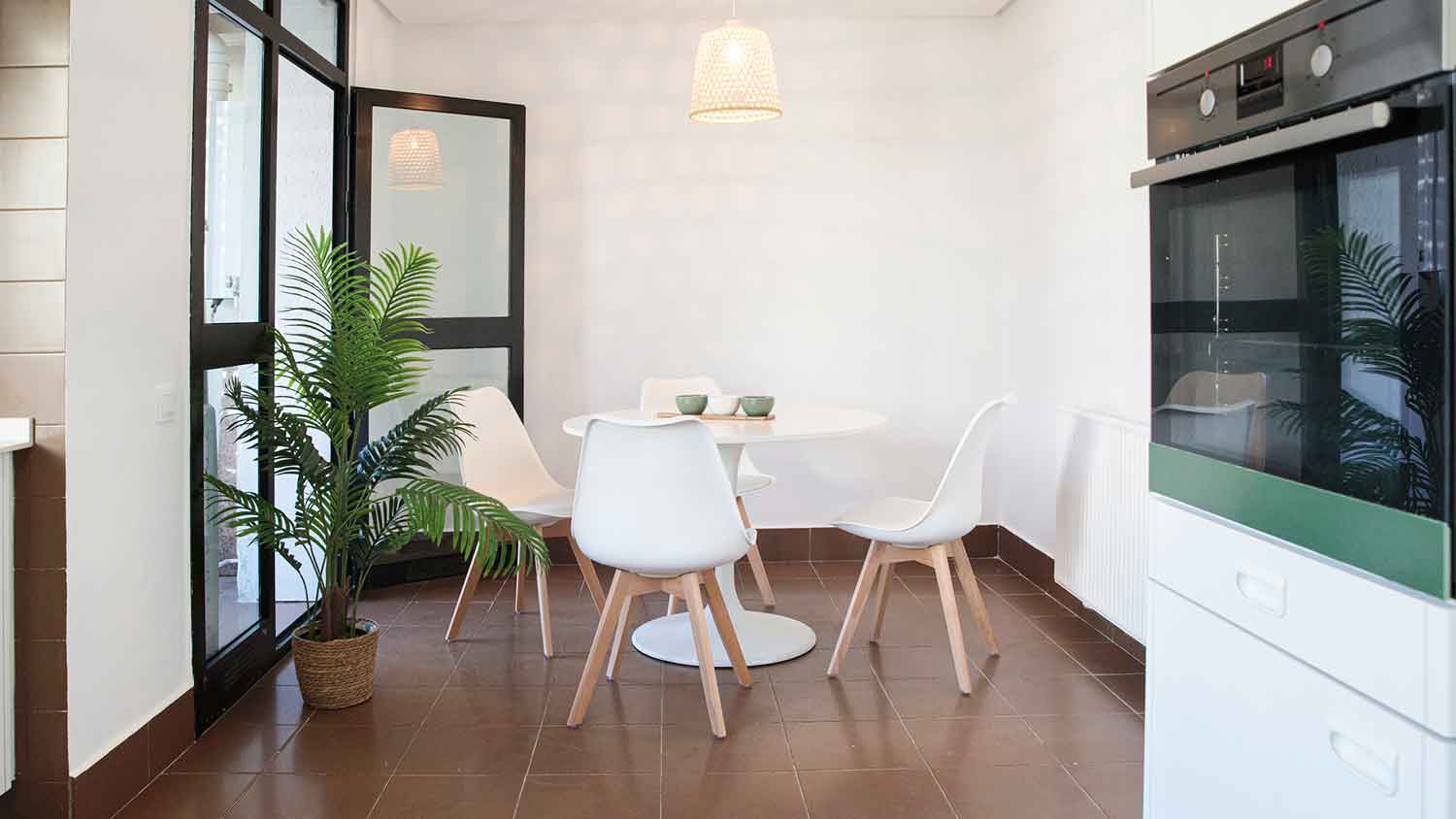
Planning a tile project? Use this calculator to determine how much tile you need based on your project’s square footage and tile dimensions.
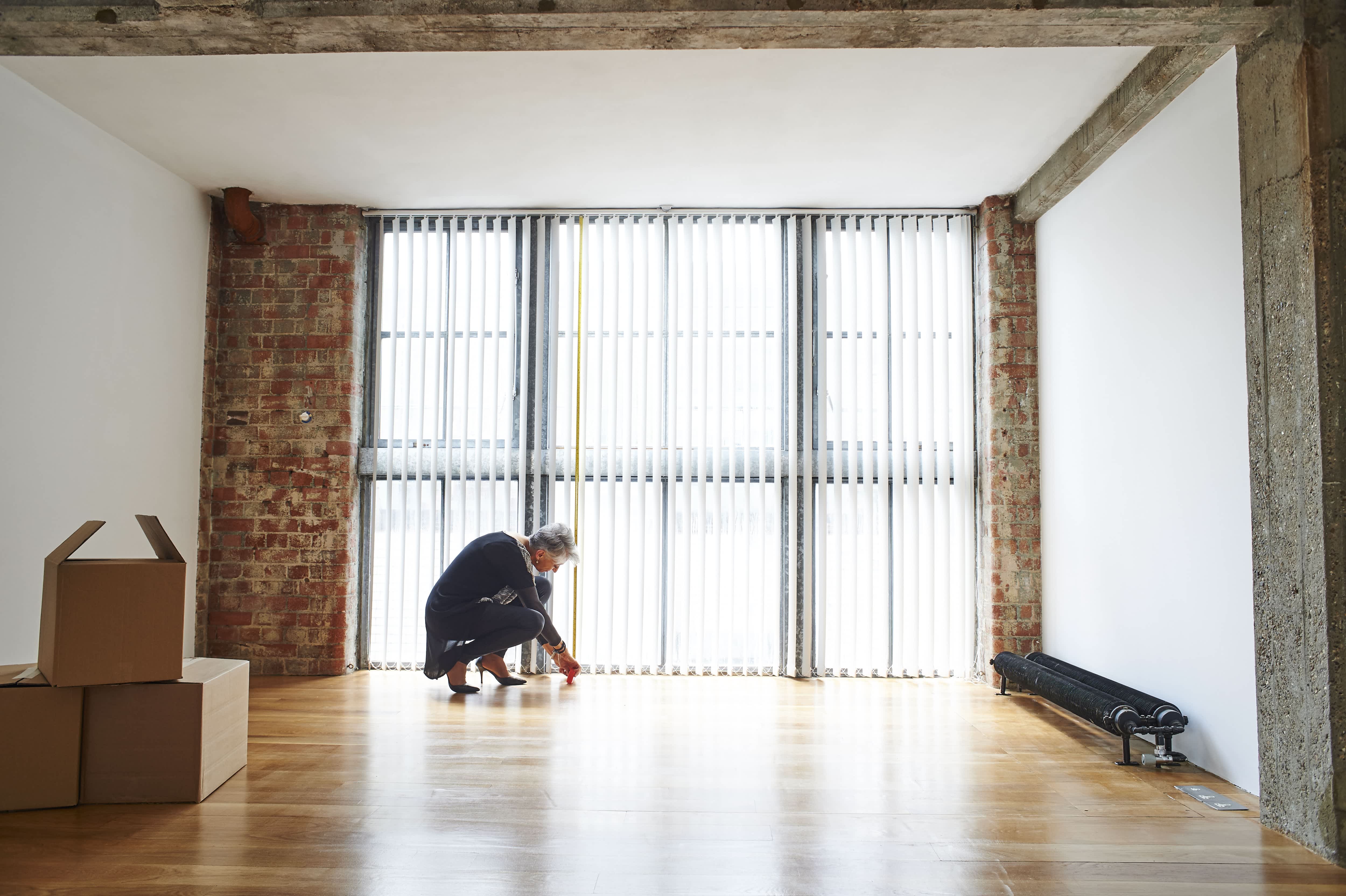
Measure twice, cut once—one of the most important parts of a DIY project is the prep work. Use this guide to learn how to figure out square footage of a space.
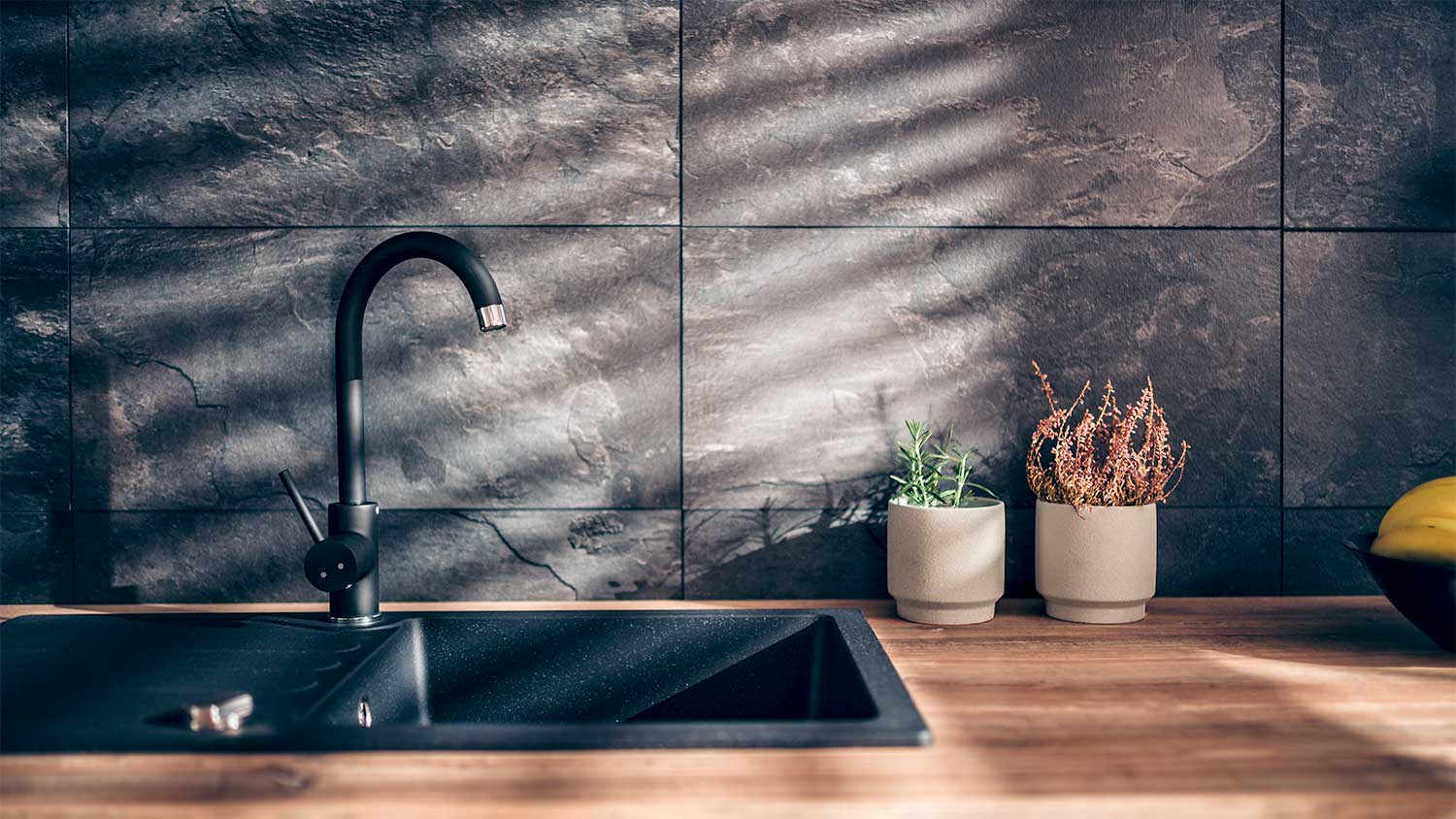
From mosaic tiles to planks, tiles come in a huge range of sizes. Not sure which one you need for your project? Let’s review the most common tile sizes.