
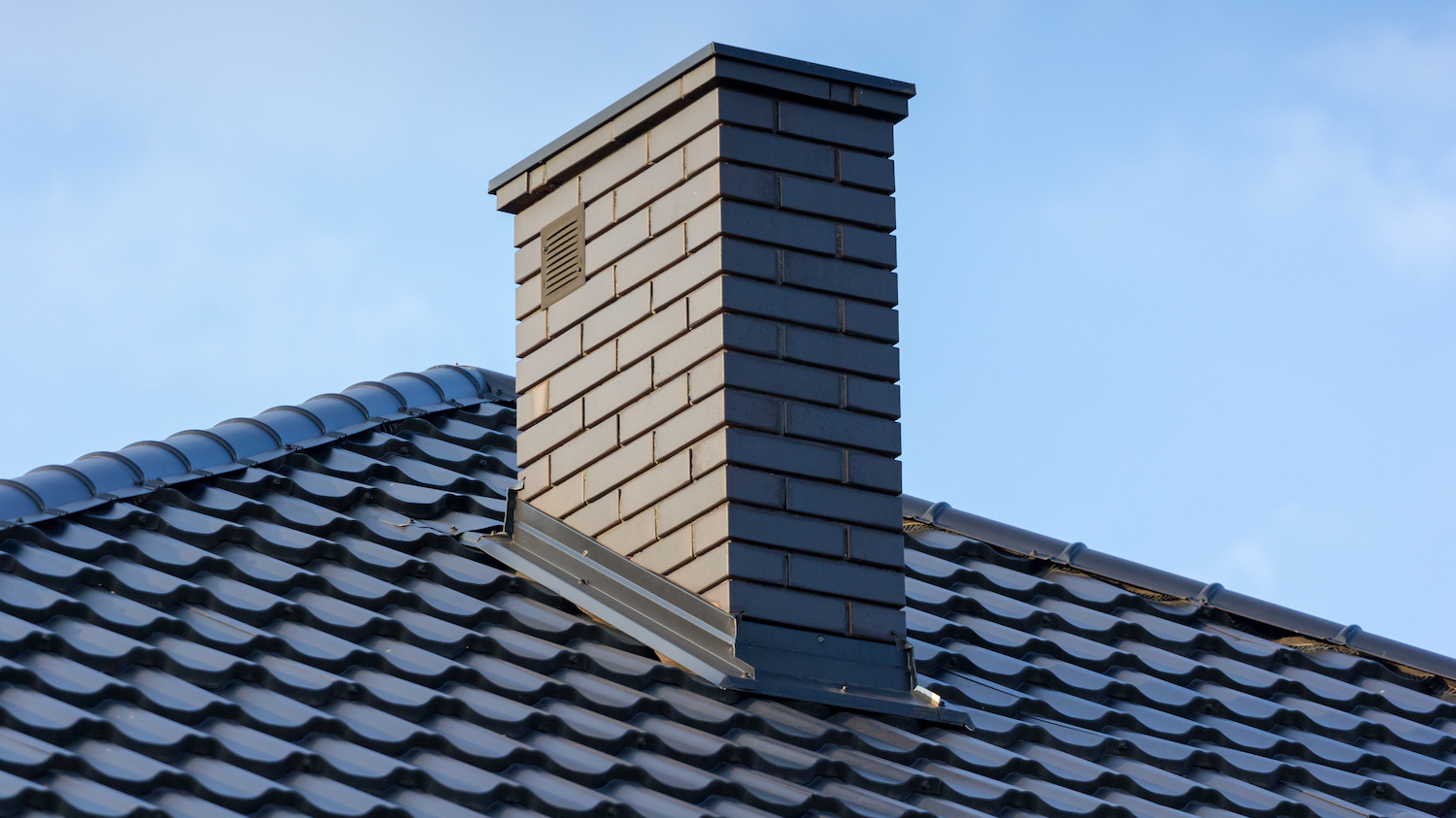
Chimney repair costs can vary by the type of chimney you have and the required repairs. Use this guide to help you estimate project costs.
Flames belong in your fireplace—not your chimney

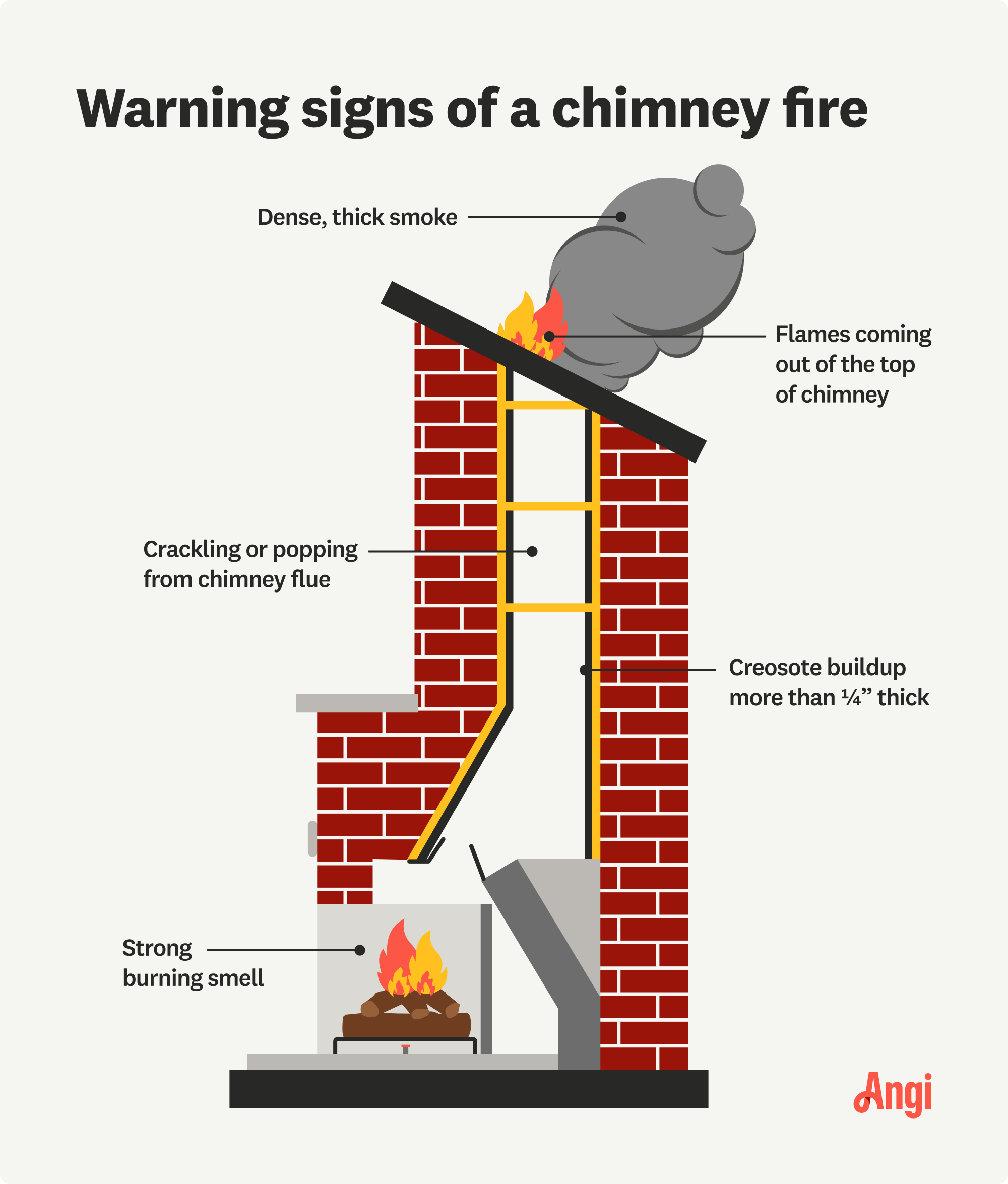
Creosote buildup is the leading cause of chimney fires, as this tar-like substance sticks to your chimney walls and ignites when temperatures rise inside.
Expect to pay $500 to $2,500 for tuckpointing and $2,000 to $10,000 for chimney removal, so addressing fire risks early helps avoid costly repairs.
Your chimney flue can catch fire when leaves, branches, or animals block the passage and trap heat, creating dangerous conditions inside your home.
Hiring a local chimney repair professional provides reliable support with creosote removal and flue cleaning, keeping your fireplace safe to use all season long.
Even though chimneys are designed to withstand heat and flames, they can actually catch fire themselves—and put you in a life-threatening situation. So, what causes chimney fires? Often, it’s a buildup of creosote, but they can start for other reasons, too. Here’s how to prevent those problems so that your chimney doesn’t go up in flames.
Creosote, a tar-like byproduct of wood combustion, is the leading cause of chimney fires. While you burn wood in your fireplace, creosote sticks to the walls of your chimney. If you don’t clean your chimney often enough, the creosote can ignite when the temperature inside your chimney rises.
You can’t prevent a wood-burning fireplace from producing creosote, but you can—and absolutely should—hire a pro to regularly clean the buildup from your chimney.
It’s safest to hire a professional for any type of chimney work, but if you want to remove creosote from your chimney on your own, you have two options:
For light creosote buildup, you can use a chimney brush to scrub the residue from the inside of your chimney.
For moderate creosote buildup, you can apply a chemical creosote remover first, then brush the chimney.

Your chimney flue is the pipe that runs up your chimney and channels smoke and gas out of your home safely. If the flue gets blocked—often with creosote, leaves, branches, or animals—it can lead to a fire inside your chimney.
Again, we recommend hiring a pro for this sort of job—especially if the flue blockage is near the top of your chimney. If that’s the case, you’d have to climb onto your roof to clear it.
If you’re comfortable with that, you can follow these steps to clear a blocked flue:
Put on a protective face mask and safety glasses.
Empty your fireplace.
Cover your floors and nearby furniture with drop cloths.
If the blockage is near the base of your chimney, open the chimney damper and dislodge the debris with a chimney brush. When you finish, close the damper and clean up the mess with a shop vac.
If you’re clearing a clog at the top of your chimney, close the fireplace entrance with a plastic sheet and duct tape. Then, follow the rest of the steps.
Use a ladder to access your roof, being sure to follow ladder safety guidelines.
Remove the chimney cap.
Use a wire chimney brush to push the blockage down your chimney.
Replace the chimney cap.
Use a shop vac to clean up the debris.
As we’ve mentioned, it’s safest to have a professional address these kinds of chimney problems. There are a number of reasons for this, including the health risks of working with creosote and the potential dangers of climbing onto your roof. Plus, if you don’t know what you’re doing, you could accidentally damage your chimney while trying to fix it. For those reasons, we recommend hiring a chimney repair pro near you in situations like these.
Leave all chimney work to a pro. Chimney jobs involve working on a roof, potential exposure to creosote, and ensuring a safe repair or installation of chimney parts. Each of these can be seriously harmful or even deadly for anyone without expertise.
By following some basic fireplace maintenance tips, you can reduce the risk of a chimney fire at your home. These include:
Minimize creosote buildup: There are several ways to keep creosote buildup to a minimum, including using the right type of firewood and maintaining adequate airflow in your chimney.
Install a chimney cap: A chimney cap can prevent leaves, branches, and critters from going down your chimney and starting a fire. Plus, it can keep embers from flying out of your chimney and onto your roof, where they could ignite a fire.
Schedule annual chimney inspections: During a chimney inspection, a professional will thoroughly examine each part of your fireplace and chimney to make sure everything is in good condition and safe to use.
Terrible experience. Walls/trim/floors/cabinets/doors all have drip marks, overspray, etc. Tiling at the fireplace had to be redone by another vendor due to incorrect and shoddy install by Profect. Contractor had his children in our house while he was on site without prior authorization or...
 Profect painting & exteriors
Supreme Brick & Chimney did a great job with a cleaning and inspection of the fireplace! He was efficient, on time, and very pleasant. The space was kept very clean, and the fireplace was spotless when he was done. He also performed a thorough inspection, and did a great job talking us...
 Supreme brick & chimney
Ace Fireplace Services came to the rescue for my chimney repair. They were quick to pinpoint the issue and worked their magic to fix it. My chimney is now in excellent shape, and I'm a satisfied customer.
 Ace Fireplace Services
Custom Paint Jobs LLCs custom murals brought life to our childrens rooms. They love it!
 Custom Paint Jobs, LLC
Storms Mobile Welding was great to work with. They were prompt, professional and did an overall excellent job on the project. I highly recommend.
On time, clean and finished fast. Windows seem sturdy and the finish is good. Caulking was done with no smudges. Would recommend.
 Window Depot USA of Central Ohio
The team is awesome!! I can generally pick up and clean throughout the week, but they CLEAN! Windows, stair rails, microwave. All the things I can’t ever seem to get to regularly. The house looks and smells great after they leave.
Blackburns did a great job and for about half of the estimated price!!! I have a big old house with a tall brick chimney. This chimney used to vent the fireplace which is no longer operational. I suspected that it also vented the hot water heater. Combustion of natural gas results in...
 Blackburns Chimney Sweeps
Bought a half a cord of firewood from Pitzer with stacking last month. I waited to report so I could see how the wood burned. <br /> <br /> I have three pet peeves regarding landscapers, but Pitzer scored "A"s regarding all three. First, rather than having customers "leave a message" and...
 Pitzer Landscaping
We decided to update our partially finished basement, with a budget. Gerald worked with me on the lighting and chair rail selections, and produced an end product that was everything we wanted and within our budget. The work was done quickly, and he and his crew were always prompt and...
From average costs to expert advice, get all the answers you need to get your job done.
Chimney repair costs can vary by the type of chimney you have and the required repairs. Use this guide to help you estimate project costs.
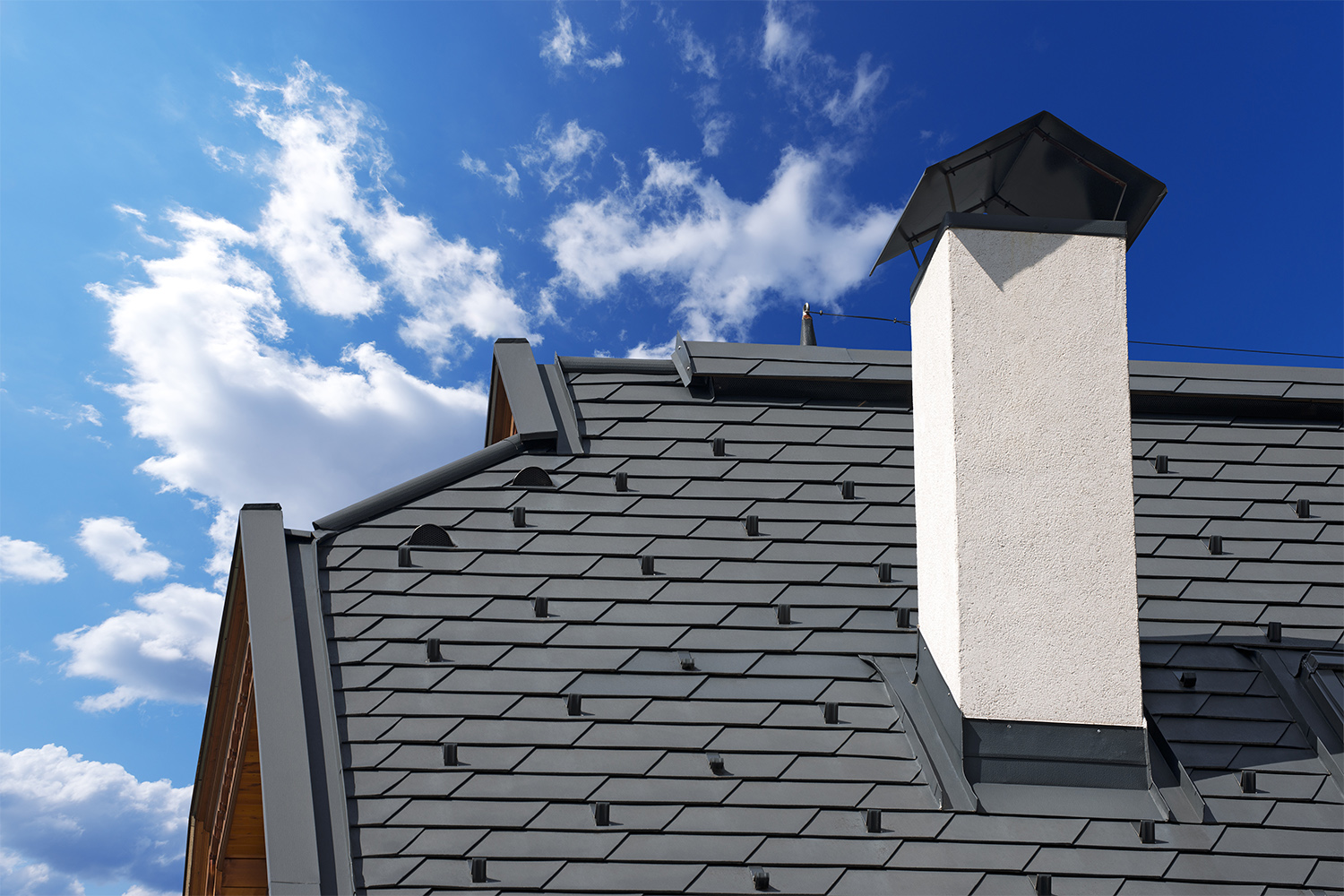
Replacing your chimney increases home value and prevents hazardous structural damage. Learn how much to budget for chimney replacement costs.
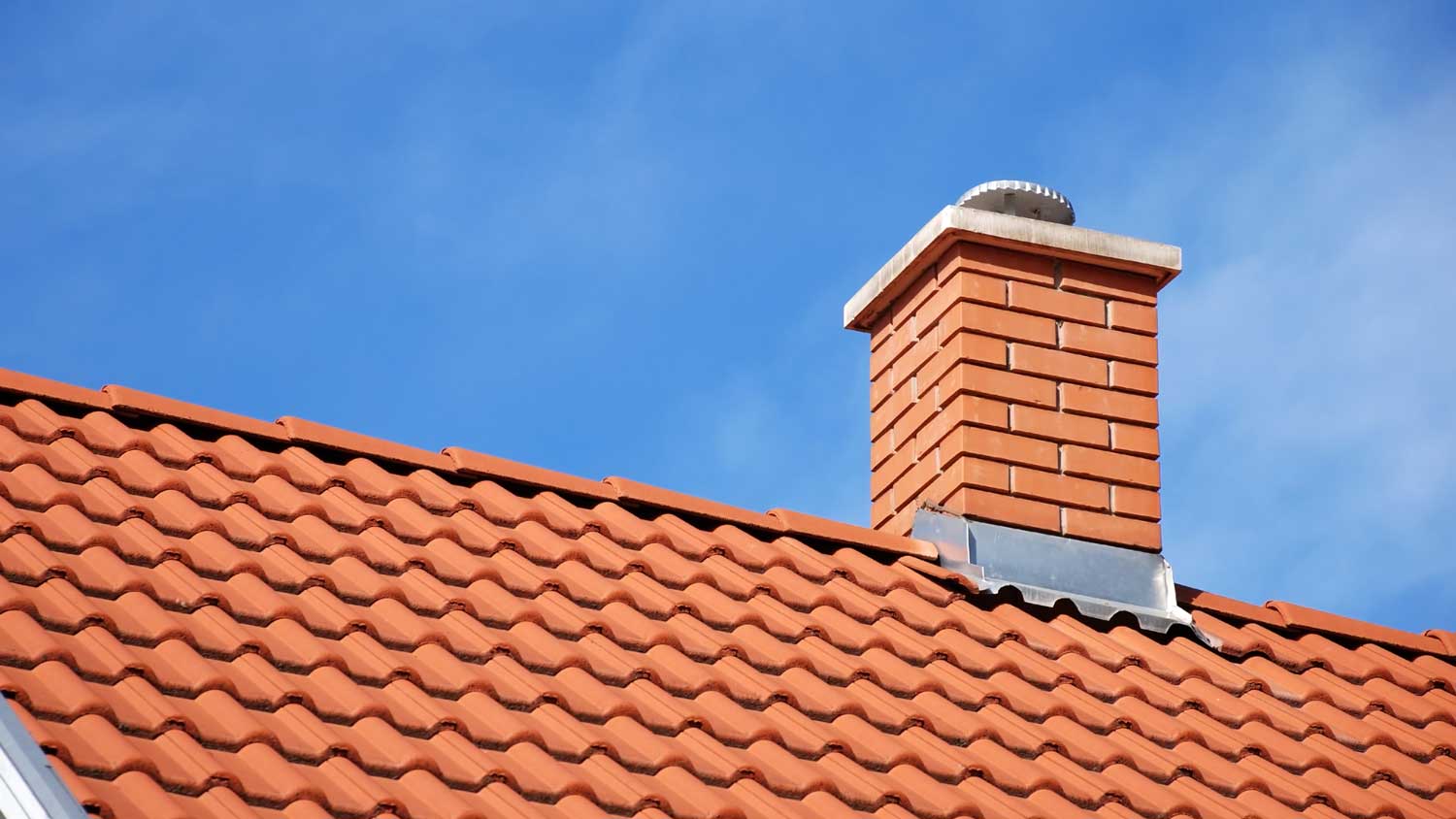
Ensuring the safety of your house is a homeowner’s primary concern. If you have a fireplace, you need to know “What is a chimney flue?”
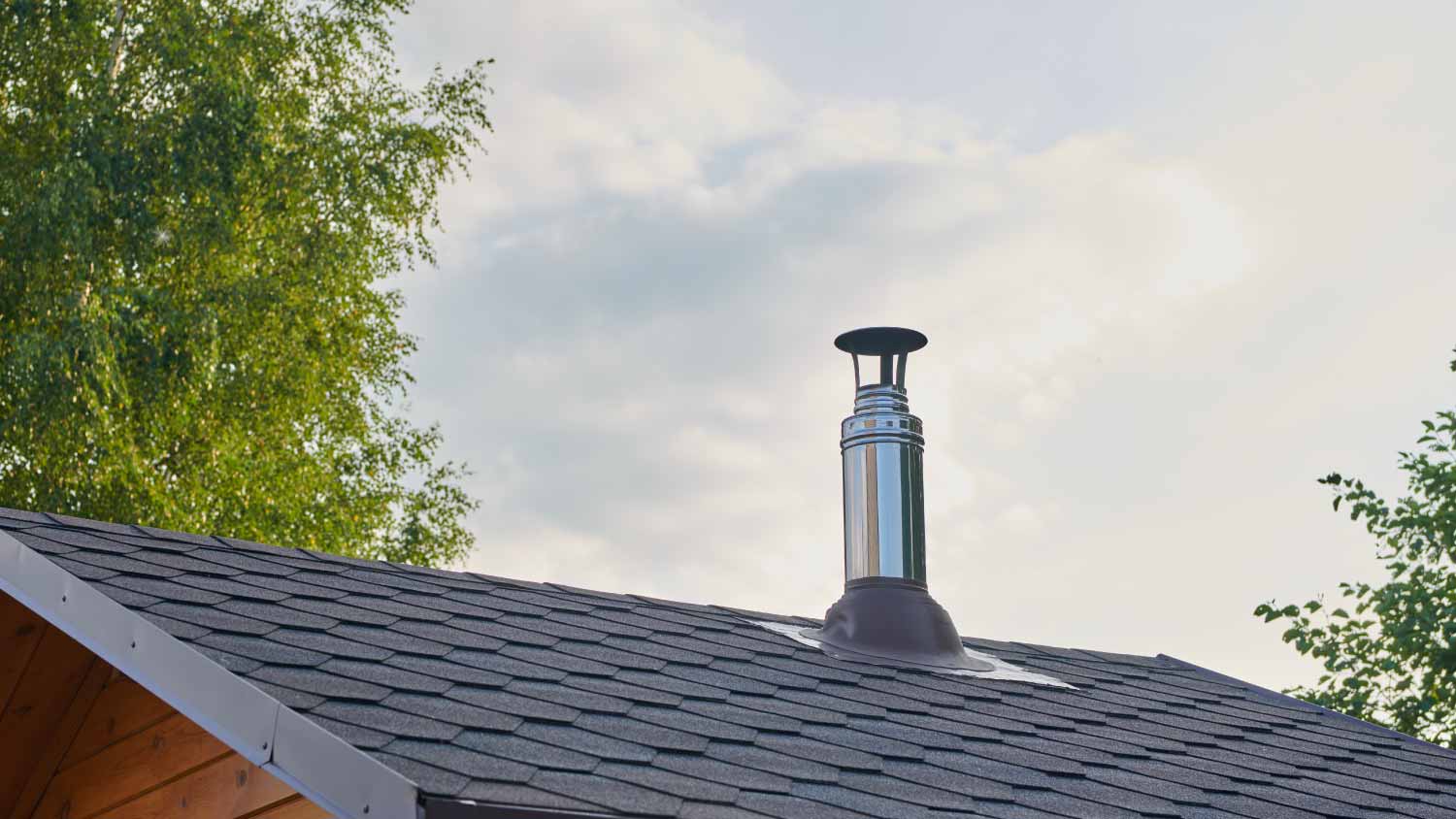
Knowing how to repair a chimney helps maintain your home's value and safety. Here’s a guide to common chimney problems.
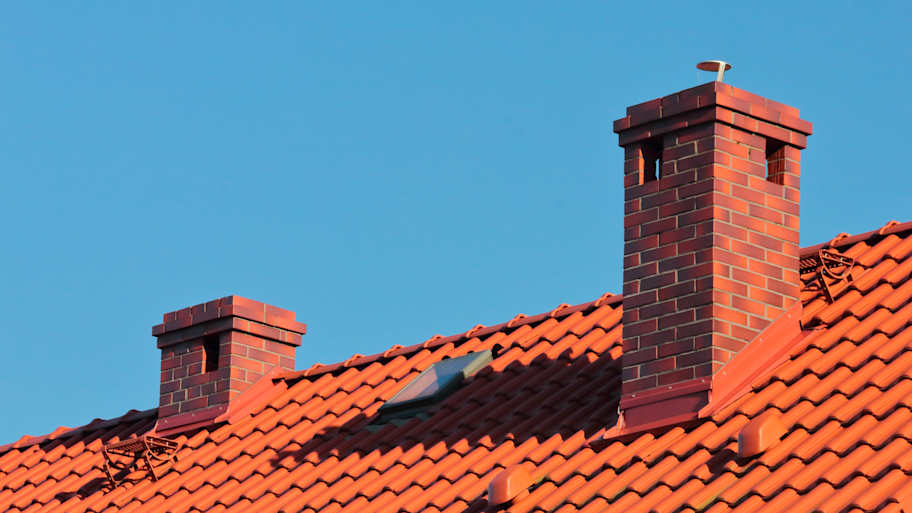
Worried that your flue might go up in flames? These nine chimney fire signs will help you get ahead of the situation—and keep your home and family safe.
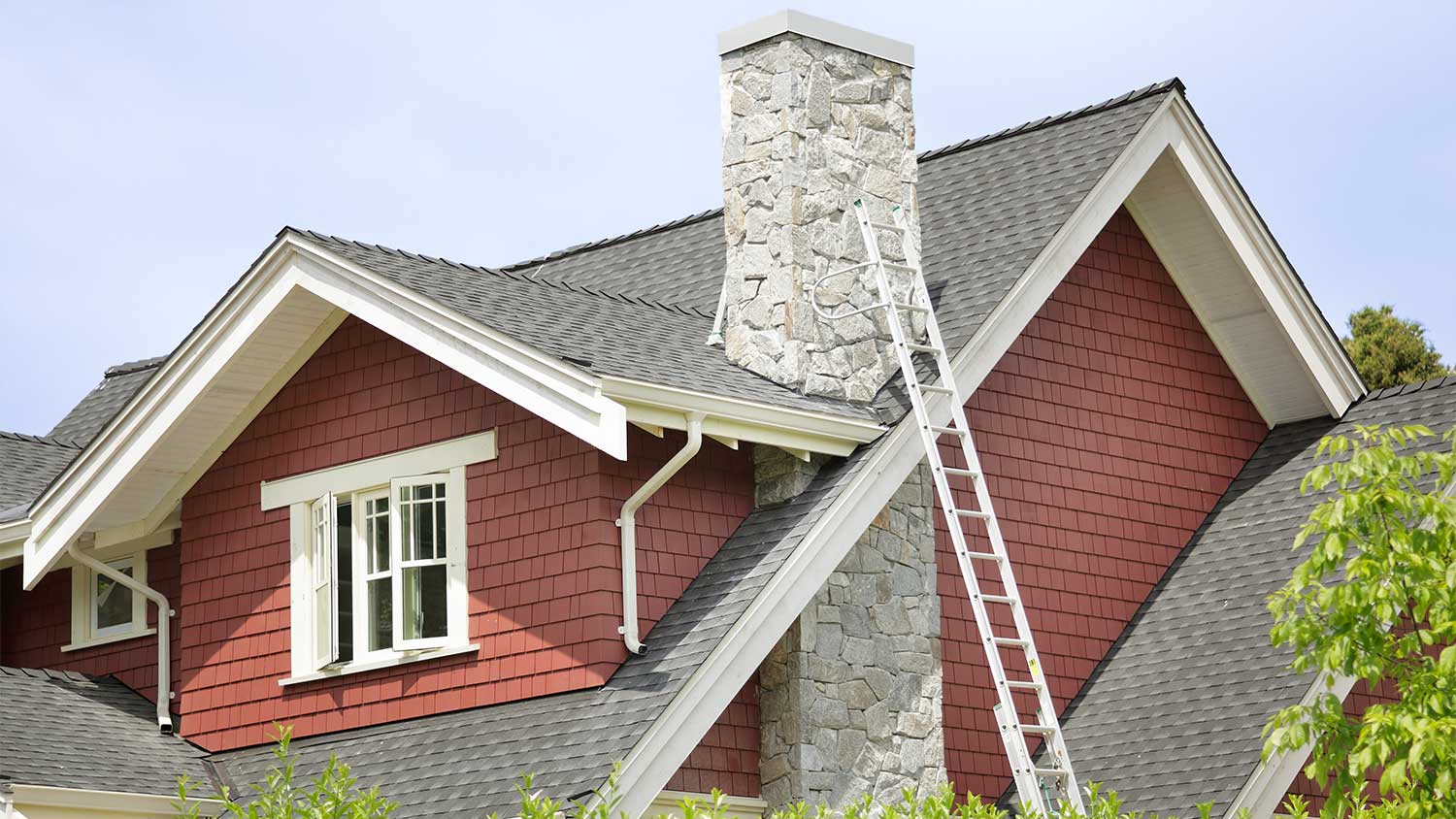
If your chimney has structural damage, a partial or complete chimney rebuild is the only way to continue safely enjoying your fireplace.