
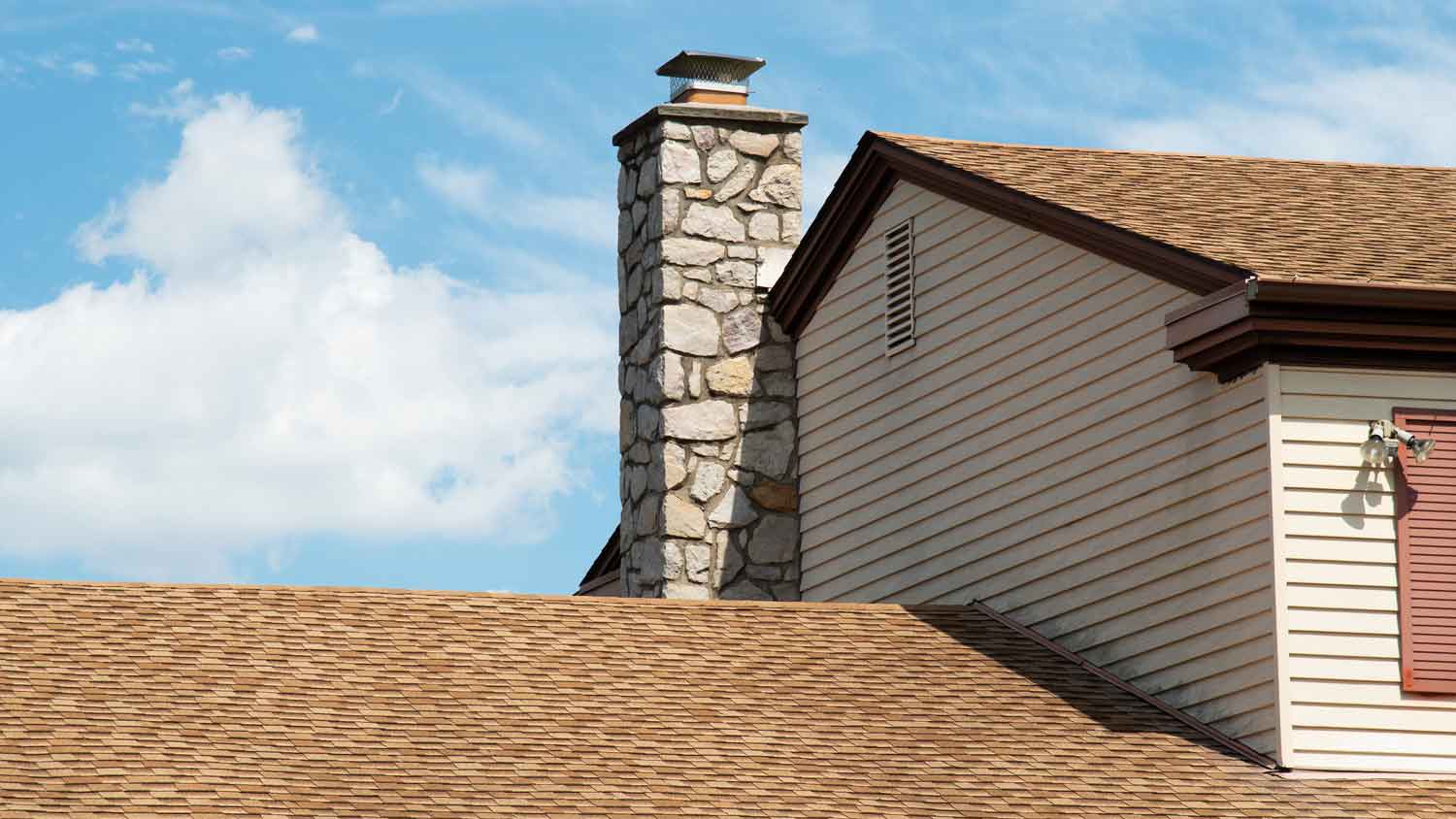
Your chimney inspection cost will vary based on the type of inspection, how accessible the chimney is, the chimney size, and the number of flues.
Get fired up with this guide on everything you need to know about creosote

Creosote is a tar-based byproduct of wood combustion that solidifies and sticks to your chimney liner when smoke contacts cold air and moisture.
Creosote buildup is highly flammable and leads to chimney fires that can damage your fireplace, mantle, and chimney structure if left unchecked.
You can minimize creosote by deep-cleaning your fireplace after every use, using creosote sweeping logs, and improving ventilation by opening your chimney damper completely.
Hiring a local chimney cleaning professional provides reliable support with thorough inspections, identifying dangerous buildup, and keeping your chimney safe for regular use.
Nothing beats a fireplace during those harsh winter months. The gentle crackle of the fire and the pleasing warmth help make a house feel like, well, home. However, avid fireplace users have likely heard of a dangerous thing called creosote. What is this substance, and how does it impact your chimney? Keep reading to find out.

Creosote is a natural byproduct of wood combustion, consisting mainly of tar and other trace chemicals. You’ll find tiny amounts of creosote anytime smoke rises from an open flame. Interestingly, it’s creosote that gives “smoked” meat its distinctive flavor and scent, which is why some chefs prefer older and much-used ovens over newer ones for specific cooking tasks.
If creosote floated around in smoke particles and then dissipated, there would be no danger. Creosote, however, is highly flammable, thanks to its tar-based composition and often sticks to various parts of a fireplace and chimney. In other words, large creosote buildups lead to chimney fires, potentially wrecking your chimney, fireplace, and mantle. So, yes, the stuff is dangerous, and dealing with it properly is an essential fireplace maintenance step.
A chimney offers plenty of opportunities for the creosote to solidify and build up over time. When the smoke travels upward and mixes with cold air and moisture near the top of your chimney, it hardens and sticks to the chimney liner or the brickwork itself.
Also, creosote doesn’t go away on its own. Instead, it keeps “growing” in a never-ending cycle, eventually coating the chimney flue walls entirely. This narrows the passageway and restricts ventilation leading to—you guessed it—even more creosote.
Not really. Unfortunately, creosote and fireplaces go together like peanut butter and jelly. A little creosote is fine, though, as it only presents a danger with significant buildup. Luckily, there are some sure-fire ways to minimize the amount of creosote in your fireplace and chimney.
The only way to completely eliminate creosote is never to use your fireplace. Obviously, that’s a non-starter for those who love being warm and roasting chestnuts during the holidays. Don’t worry, though. Putting a “closed for business” sign on your fireplace isn’t the only way to significantly reduce the risk of creosote.
This is overkill to some, as small amounts of creosote don’t pose a danger for fires or blockages. But if you really want to put the kibosh on the substance, deep-clean your fireplace and chimney after every use. You can also hire a local top-rated chimney sweep or chimney cleaner near you for best results, but cleaning a chimney costs over $120 a pop.
If you’re keeping up with your chimney cleaning, the creosote is likely just soot and easily removable with a specialized brush. Once it hardens, chemical solvents and rotary loop devices come into play. Most homes get by with one professional cleaning each year. If you want to eliminate that yearly cost, thoroughly clean out the fireplace soot after every two to three uses.
Creosote is a known problem, and, as such, products exist to help. One such product is a creosote sweeping log (or CSL, for short). These creosote sweeping logs work and loosen up any buildup, softening the texture of the creosote and simplifying the cleaning process. You use them like any other log. Just place them in a lit fireplace and let them go to work. Small- to medium-size fireplaces require one log, while larger fireplaces need two. If you’re using two, do so one at a time to prevent excess flames.
Poor chimney and fireplace ventilation not only creates weak fires and excess smoke but also helps creosote thrive and expand. Improve your chimney’s ventilation in several ways:
Make sure the chimney damper is open. When closed or stuck, it obstructs the airway up to the flue and dramatically hinders ventilation.
Open a window in your home. Modern houses aren’t always designed with proper fireplace use in mind. Chimneys require lots of air, so an open window creates a nice draft for it to draw from.
Prime a cold chimney before lighting a fire. Cold chimneys decrease ventilation, so warm the flue by holding a newspaper roll up to the opening, allowing it to burn completely before lighting the kindling.
Stick to properly seasoned firewood. Wet, fresh, or “green” wood burns incompletely, as it hasn’t dried the necessary three to six months. The end result? A weak fire with minimal heat that won’t push the smoke up the chimney.
In addition to professional cleanings by chimney sweeps, hire a local fireplace inspector for a real-deal inspection. These pros have plenty of experience with identifying creosote, and they’ll let you know if the buildup presents an obstruction or fire hazard.
As an added bonus, professional inspectors suss out any other damage and potential issues to both the fireplace and chimney, including animal-related structural issues, cracks, and anything else impeding regular use. They’ll even let you know if a replacement fireplace is in your future, and they can recommend a good chimney sweep for clearing out that creosote.
I had FabClean 614 clean my apartment, and she did an outstanding job. She was so professional and efficient. My apartment looks absolutely spotless every surface, every corner, all cleaned to perfection. Definitely highly recommend FabClean 614 if you're looking for top-notch cleaning...
 Fab Clean 614
Best cleaning I've had at my property
Ace Fireplace Services' chimney sweep service is truly exceptional. They used advanced technology to ensure a thorough cleaning process, and my chimney has never looked better. I highly recommend their services.
 Ace Fireplace Services
This company went above and beyond with their work, chimney sweeps are usually pretty messy, but the clean up was spot on.!! Josh explained every thing that he was doing, and the things that he was checking to make sure the chimney was safe for me and my family. He was very professional,...
 Supreme brick & chimney
It was a good experience. During the call, we ran through a series of questions to determine what was in my chimney. We determined it was likely just a bird or a mouse. Thankfully the animal couldn't get into the house because the flute was shut. I was able to wait until Monday for them to...
 Critter Control of Columbus
Outstanding service. Dick Neff was prompt in estimating and added the chimney work overnight, even though it required use of a lift and color matching stucco. The plaster and stucco workers were courteous, careful, extremely competent in their craft, and cleaned up.
 George F Neff & Co. Plaster & Stucco
We had to replace rotten wood on both buildings and shingle the sides of our dormer walls on the main building. Prior to replacing the roofs we had to tear down a deteriorating chimney to the roofline and Muth and Co worked with our hired chimney vendor to complete the project. While...
 Muth & Company Roofing
This was my first time having someone come into my home to clean. Sandra with Sparklin' Kleen was great. She called me back promptly, explained her services and her fees. She spent 7 1/2 hours cleaning, scrubbing, washing, sweeping, etc...my house has never been so clean, especially the...
From average costs to expert advice, get all the answers you need to get your job done.
Your chimney inspection cost will vary based on the type of inspection, how accessible the chimney is, the chimney size, and the number of flues.

Knowing how to use a creosote sweeping log for additional maintenance in between your annual chimney sweep can help keep your home safe from fires.
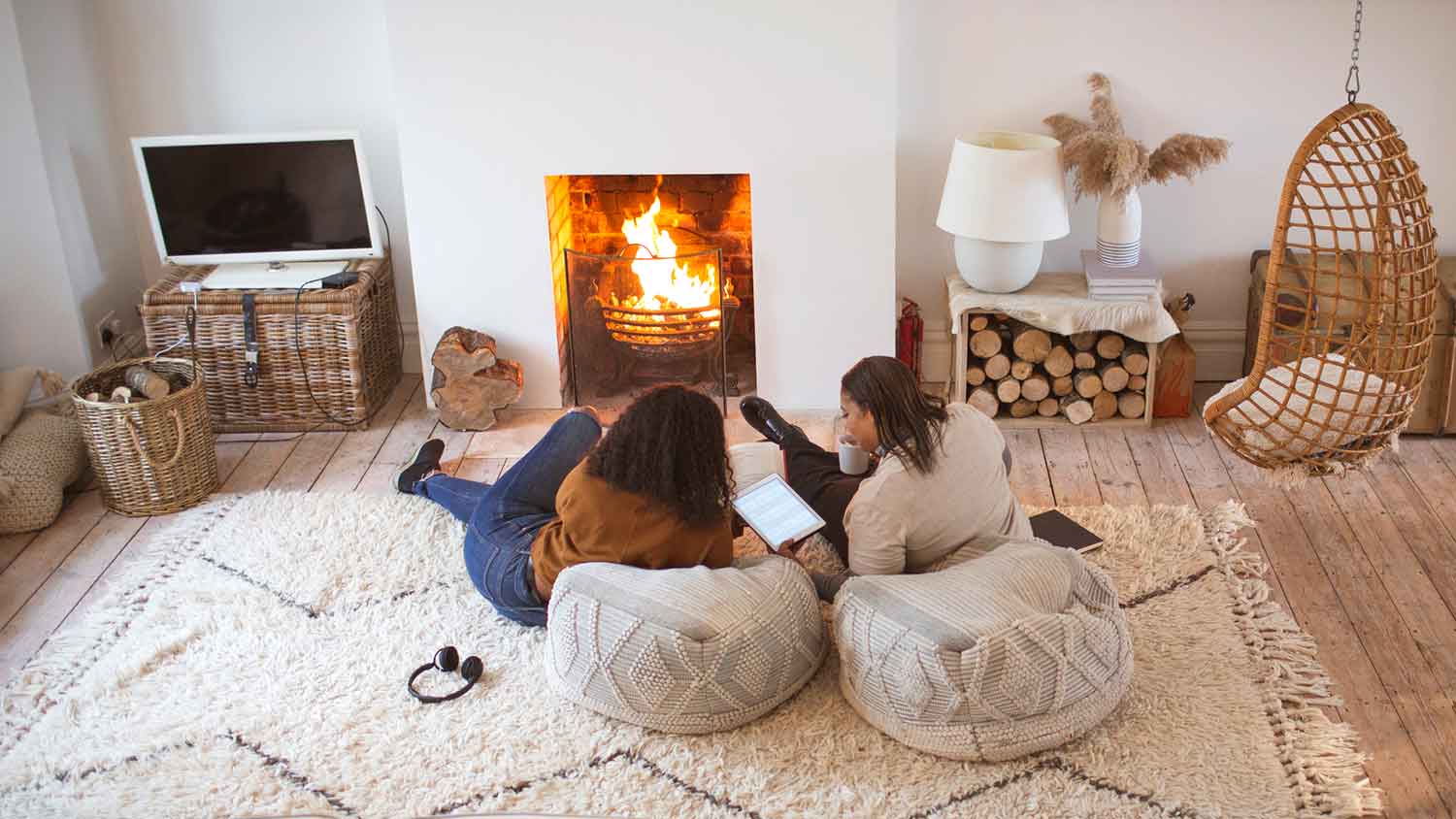
Homeowners should know how to remove creosote from chimney flue, but it’s safer to leave this hazardous task to a professional chimney cleaner.
If you have a wood-burning fireplace, it’s important to understand what causes chimney fires so you can reduce the risk of a fire in your home.
Stay on top of your chimney safety and maintenance with our chimney inspection checklist featuring expert tips on how to work with an inspector near you.

So your fireplace stinks—what’s the deal? Find out the six potential reasons why your fireplace smells and how to fix them.