
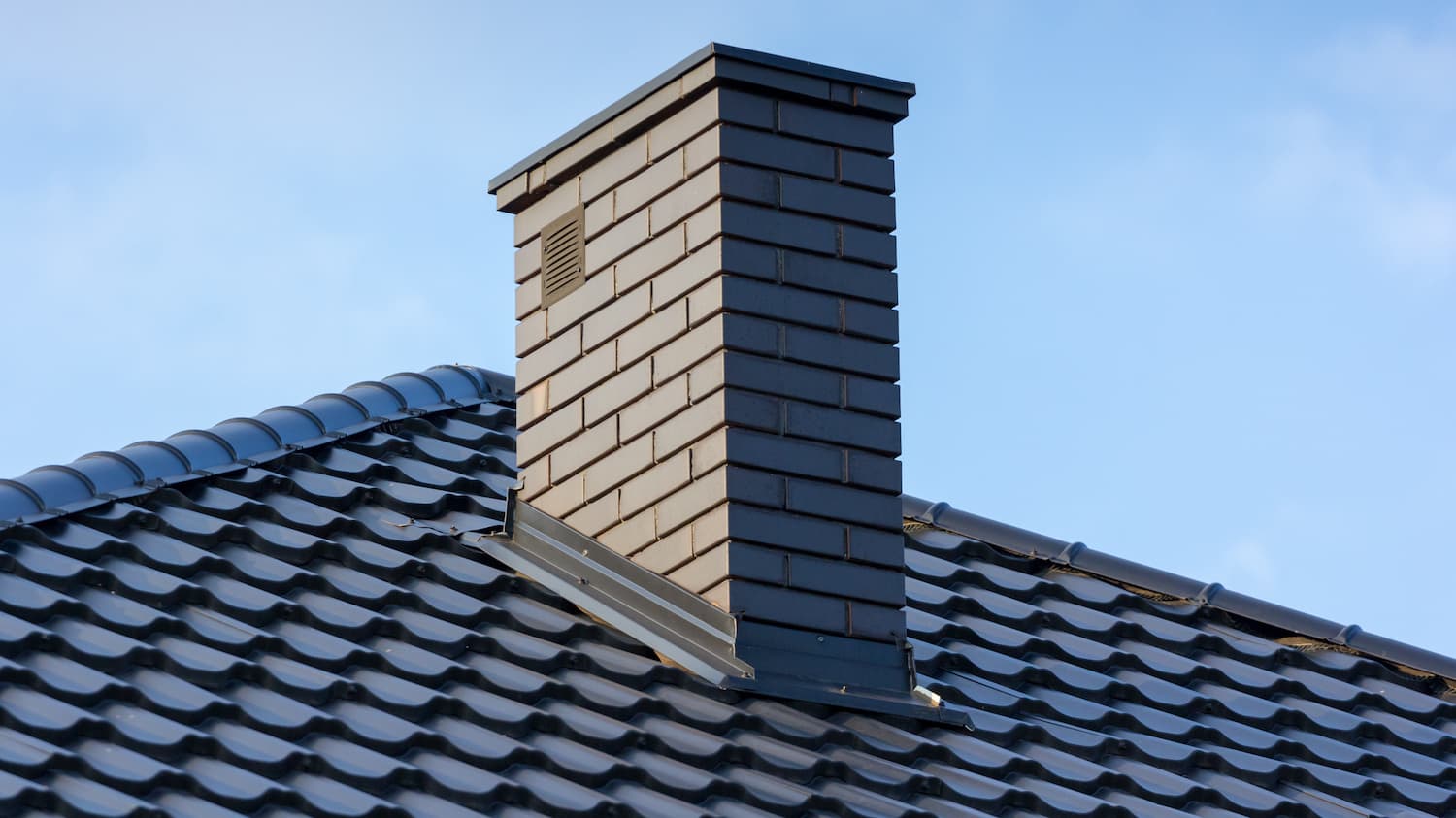
Chimney repair costs can vary by the type of chimney you have and the required repairs. Use this guide to help you estimate project costs.
These 15 components make up the core of the chimney anatomy

Understanding a chimney diagram helps you identify the 15 internal and external components that keep your fireplace or furnace venting safely and efficiently.
Expect to pay $255 for chimney sweep cleaning, $300 for cap replacement, $1,550 for crown repair, or $2,500 for liner installation when your chimney needs professional service.
Schedule annual chimney inspections to catch issues early, and check your clean-out opening and ash dump periodically to keep debris from building up inside.
Hiring a local chimney repair professional provides reliable guidance on flue liner damage, tuckpointing needs, and cap or crown repairs that keep your home safe.
Your chimney serves as the main ventilation point for your cozy fireplace or furnace. It has several different parts to keep the air flowing correctly, keep animals out, and even catch any dust and ash that falls from your heater or fireplace.
While you probably don’t need to understand all the nuances of how your chimney works, it’s useful to understand the different parts of a chimney, what they’re used for, and how to maintain them. Below, we’ve broken down the anatomy of a chimney—including both internal and external components.

Despite picturing a chimney as that external brick entry point for Santa on top of the house, many of the most crucial parts of a chimney are actually internal (and homes can have chimneys without having fireplaces).
Here’s a full rundown of all the internal parts of a chimney you should know.
This piece connects a furnace or water heater to the chimney to create the ventilation system. Whether your home has a separate chimney or a connected one will come down to individual floor plans.
If your chimney connects to a wood-burning fireplace, all that ash from burning the firewood needs to go somewhere: into the ash dump to collect. Ideally, you’ll want to empty this area several hours after the last ember dies down to ensure the ashes are no longer hot.
Ash dumps are constructed from non-combustible masonry materials to ensure there’s no chance of this area igniting from ash. Always try to handle this area with care and never directly touch the ash.
This is the door to the ash dump. The door itself must seal to ensure the hot ash doesn’t leak into the rest of your home. It also helps to stop excess heat from the ash from escaping into your house.
If debris manages to get past the chimney crown cap and the spark arrestors (more on those below), the clean-out opening will catch it. The clean-out opening is very deep down into the chimney flue and closer to where the fire originates. Don’t wait for your annual chimney inspection: You should periodically check the clean-out opening to ensure everything is clean.

Fireboxes may be the most recognizable of a chimney's internal parts, but they only apply to chimneys that connect to a fireplace. This is the interior (also brick-and-mortar) portion. Because it’s directly next to the flames, these bricks must have a higher flame resistance.
You should clean your firebox regularly—outside of the annual chimney cleaning—to keep it operating efficiently. Make sure you know how to clean a brick fireplace.
Another chimney component that accompanies the actual fireplace, if you have one, is the damper. Chimney dampers are made of iron or steel so they can stand up to the high heat of your fireplace.
These mechanisms allow you to control the flow of smoke through your chimney flue. Open the damper when you have a lit fire and while you’re waiting for your fire to go out. Then keep it closed when the fireplace is not in use. This keeps the inside air in and the outside air out.
The chimney flue is the part of a chimney in which the smoke rises to exit your home. Water heaters and furnaces that vent through a chimney also have a flue.
To protect the masonry of this vertical chute, the chimney flue is lined by a flue liner, also called a chimney liner. A chimney liner can be made of stainless steel, aluminum, clay, terracotta, ceramic, or a cast-in-place cement mixture. Installing a chimney liner costs an average of $2,500.
A chimney sweep will thoroughly investigate and clean the flue and flue liner during your annual inspection. On average, a chimney sweep cleaning costs $255.
The smoke chamber bridges the gap between the firebox portion of your fireplace and the flue liner of your chimney. Constructed in pyramid shapes, it funnels smoke and gas directly into the flue liner and out of the home.
The smoke shelf plays a crucial role in chimney anatomy. It collects debris and rainwater that enters through the chimney and descends down the flue. The smoke shelf also helps prevent downdrafts from entering your home.
Some houses have more than one chimney. In this case, a wythe, which is simply an interior masonry wall, helps prevent the heat from building up too much if both chimneys are in use at the same time.
The external parts of a chimney include the crown, cap, and brick and mortar that make up the chimney itself. It’s important to have both internal and external components inspected every year. If the inspection turns up any issues, find a trusted chimney repair contractor near you to address the issues as soon as possible.
These are the main external chimney parts to prioritize during your inspection.
On the exterior, brick and mortar commonly connect chimneys to a fireplace. Brick and mortar is an excellent material for fires, as they can withstand high heat without catching fire.
Over time, the brick chimney may require tuckpointing, a type of restoration that replaces old, failing mortar with new mortar. Tuckpointing costs between $5 and $25 per square foot.
A chimney cap sits atop your chimney and prevents water, ice, and debris from blowing into your chimney. That way, you can still have a roaring fire going even when it’s snowing or pouring rain.
If you notice your chimney cap is missing, you should replace it ASAP to avoid anything coming down the chute. A chimney cap replacement costs around $300.
Like the chimney cap, a chimney crown sits atop the chimney. However, the crown is a flat slab of concrete that covers the entirety of a masonry chimney, while the cap simply covers the smaller opening through which smoke billows.
Like the cap, the chimney crown is crucial for keeping weather, debris, and animals from entering the chimney. If yours is damaged, it’s crucial to fix it quickly. Chimney crown repair costs an average of $1,550.
The flashing around your chimney prevents weather from entering your home. Unlike a chimney cap, which would only prevent things from entering the chimney, flashing prevents ice or rain from entering your attic. The cost to repair chimney flashing ranges between $150 and $500 while total replacements can cost as much as $1,600.
Spark arrestors act as a second line of defense against Mother Nature. If your chimney crown cap fails, the spark arrestor will catch these items. But since it’s catching rather than preventing them from entering altogether, you’ll need to ensure it’s cleared before installing a new chimney cap.
To keep your chimney working safely, it’s important to practice good chimney maintenance. If not, there’s an increased risk of a fire (not the kind you want) starting inside your chimney. The fire could spread to other parts of your house, or dangerous gases could build up inside your home.
Regular maintenance can also detect issues early so that you avoid pricier repairs down the road. Your chimney maintenance routine will depend on the type of fireplace you have, but it should include:
Scheduling annual chimney inspections
Dusting the inside of your fireplace
Inspecting the bricks and mortar
Installing a chimney cap
Trimming trees near the chimney so they’re at least 2 feet shorter than the chimney
Using a fireplace damper
Choosing the right wood for your fireplace
Not using lighter fluid in your fireplace
Replacing damaged fireplace screens immediately
Requests for chimney sweeping account for over half of all chimney maintenance services, and about one-third are for inspections. A certified chimney sweep can inspect and clean your chimney annually, identify issues, and recommend necessary repairs.
Creosote is a flammable residue that builds up due to incomplete combustion and can cause chimney fires if not cleaned regularly. Hire a chimney sweep to remove creosote build up at least once per year—or more frequently if you use your fireplace often.

Chimney repair work is better left to the pros. Chimney work must be done on a roof, which is already dangerous. Plus, a small mistake in the repair process could put your family and your home at risk. Keep a trusted local chimney inspection pro on your contacts list so that you can sleep easy with a safe chimney.
Positive experience. As previously stated, the replacement/repair could not be completed (no fault of the plumbing tech) b/c misinformation was rec?d by property management maintenance. Thanks to the plumbing tech for your efforts. Appreciate you!
 The Waterworks
Carpet repair done well. Scheduling was easy. Showed up on time.
 BR Flooring Installation
I would recommend this company to anyone! He showed up on time, was friendly, completed a very difficult repair on our dryer vent cover, was responsive, and pricing was extremely fair and competitive. I would have him back to do any of our repairs or cleanings without hesitation!
 U.S.A. Dryer Vent, LLC
Ace Fireplace Services came to the rescue for my chimney repair. They were quick to pinpoint the issue and worked their magic to fix it. My chimney is now in excellent shape, and I'm a satisfied customer.
 Ace Fireplace Services
100% satisfied with the work done by Supreme Brick & Chimney. Josh responded to my Angi request very quickly and squeezed our house into his schedule only a couple business days out. The chimney cleaning process was extremely clean with ZERO dirt going anywhere besides in Josh's vacuum. Very...
 Supreme brick & chimney
On Sunday 2/26 I requested quotes via Angi from 4 refrigerator repair businesses. Northwest Appliance responded to me Monday morning (2/27) and my refrigerator was repaired by noon the same day. Great communication, they did everything they said they would. The technician had the parts on...
Description says they handle window repair including rotten hardwood - they called me back right away but didnâ t leave a voicemail. I followed up 3 days later and they said they donâ t do that kind of work.
 Window-Gurus
They arrived on time repairs performed quickly very porvesinal
 Property-Tech Industries
Mike and his crew did a great job working through a very challenging task. The job required a full demolition of our ceiling, removing the blown in insulation and removing all the material from the site daily. It involved multiple inspections from the city and many challenges to get the...
 Rising Height Unlimited
Mr. Lopez was super nice and professional. He repaired our drywall just as he described during the estimate phase. Our dining room wall looks great again! Thanks Mr. Lopez!
From average costs to expert advice, get all the answers you need to get your job done.
Chimney repair costs can vary by the type of chimney you have and the required repairs. Use this guide to help you estimate project costs.

Chimney sweep costs can be dramatically affected by the type of chimney, its location, and how dirty it is.
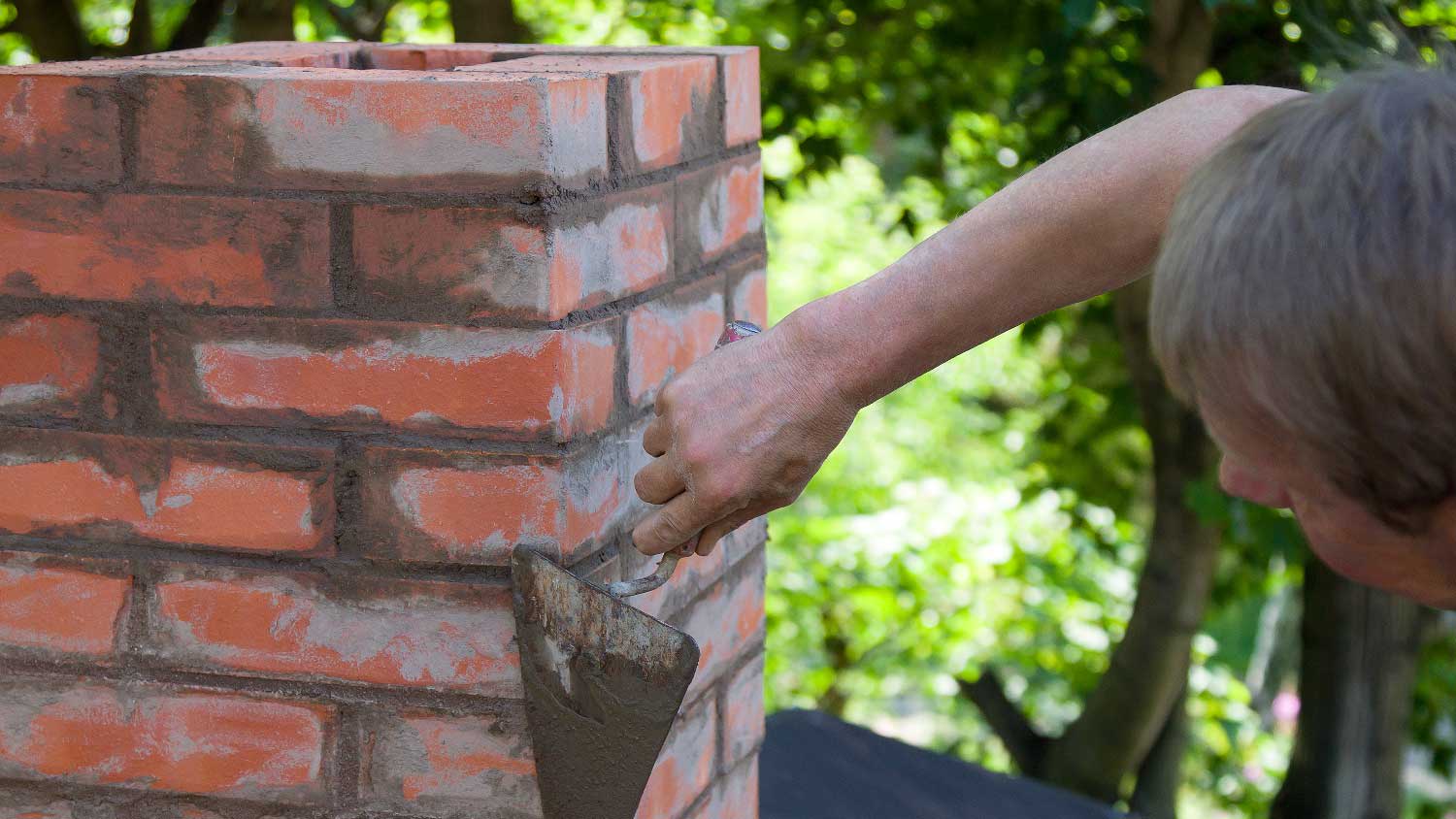
Discover the average chimney tuckpointing cost, key price factors, and expert tips to help you budget and save on your next chimney repair project.
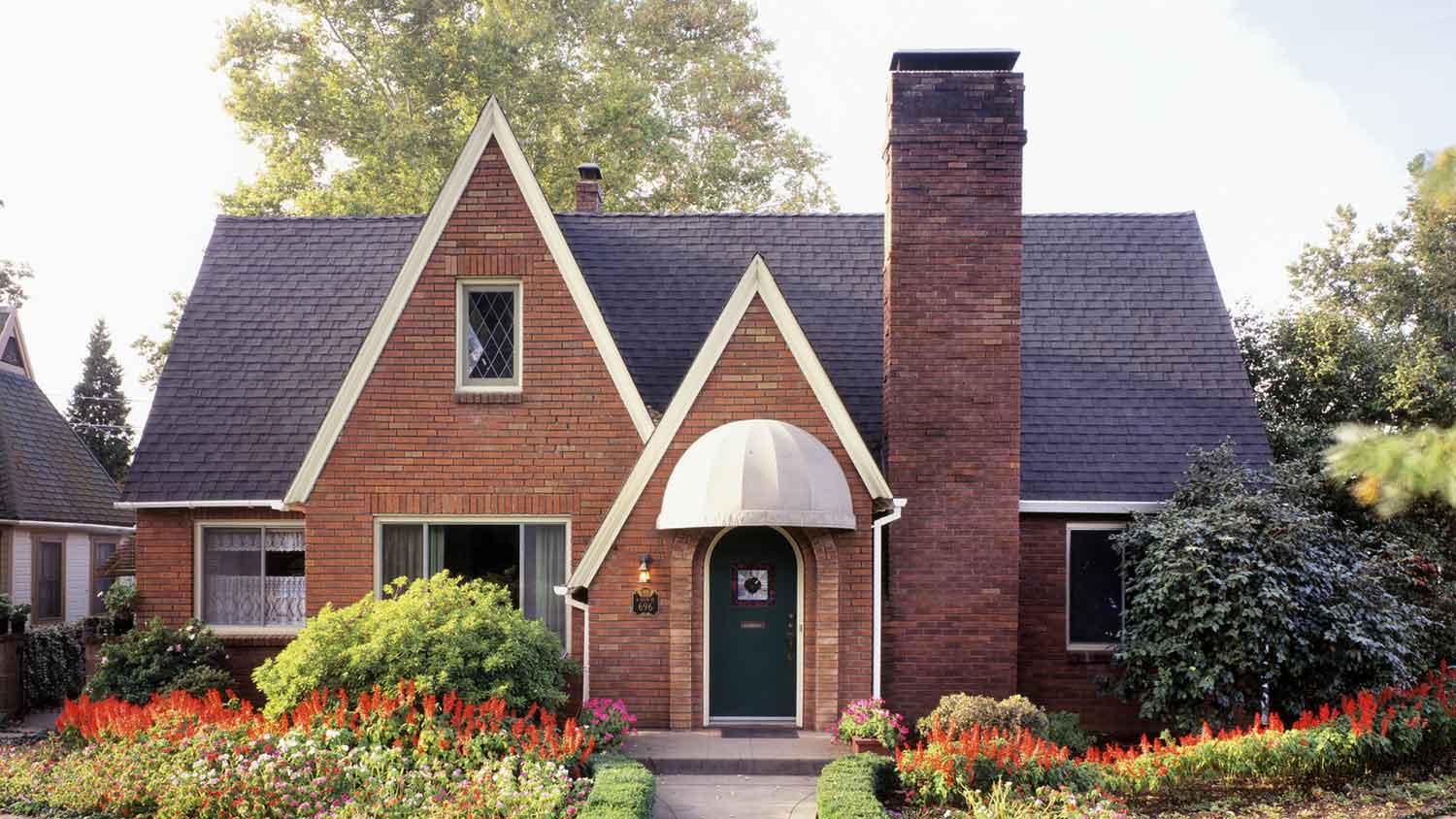
Stay on top of your chimney safety and maintenance with our chimney inspection checklist featuring expert tips on how to work with an inspector near you.
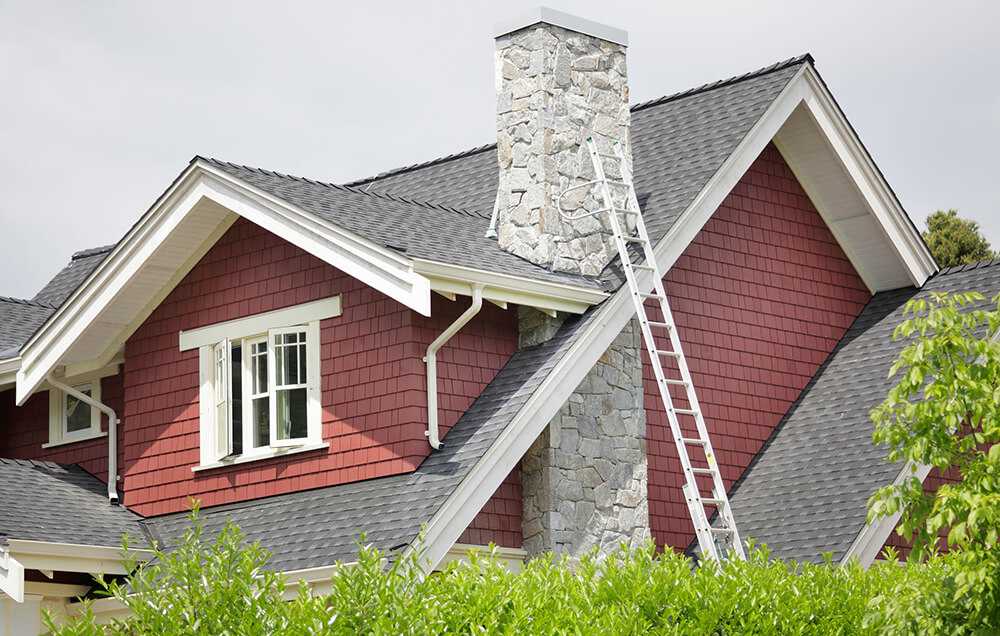
Want to relax by a roaring fire this winter? Check out these chimney maintenance tips to ensure your chimney and fireplace are ready to go.

Knowing what to look for in a professional chimney sweeping service will ensure you hire a legitimate contractor. Learn how to avoid chimney scams and hire someone reputable.