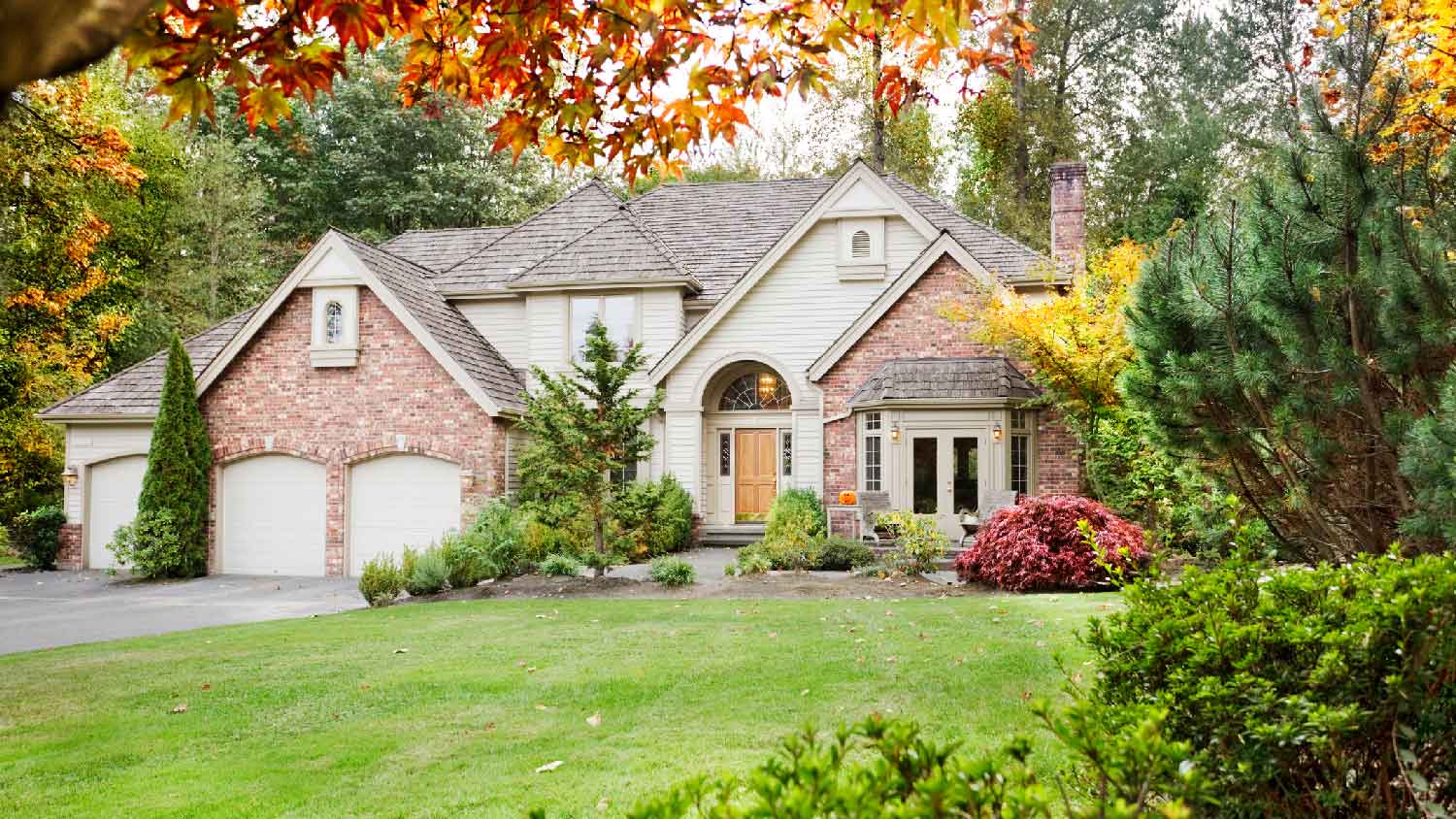
Once you know the things that fail a home inspection, you can figure out a repair plan. Here are 15 common issues that can come up and how to address them.
Put on your detective hat and search for sneaky problems when touring a home

Location factors to look for when buying a house include proximity to airports, train stations, electrical substations, floodplains, construction sites, and traffic patterns affecting your daily life.
Deferred maintenance signs like musty smells, foundation cracks, rotting wood, old appliances, and inadequate attic insulation can lead to higher utility bills and costly repairs you need to address.
Check your potential home's basement for water stains, cracks, mold, bad smells, and rotting wood, as these issues signal drainage problems or structural concerns requiring immediate attention.
Hiring a local home inspection professional provides peace of mind by identifying hidden problems like water damage, electrical issues, and foundation concerns before you finalize your purchase.
Four bedrooms? Check. Three bathrooms? Check. Amazing school system? Check! But when you think you’ve found all of your “must-haves” in a new home, the hidden issues have a way of bringing reality back.
To avoid moving into a house without overhead lighting in the bedrooms or a home underneath an airport’s flight path, read on to learn more about what to look for when buying your dream home.
Real estate websites make it almost too easy to picture yourself loving a new house in a new city. After all, you’re scrolling through the best photos of the property and reading their perfectly written descriptions.
However, picture-perfect home photos make it difficult to recognize the potential problems with the surrounding area, especially if you’re home shopping from afar. To avoid a less-than-ideal living situation, research the following:
Proximity to train station or airport
Nearby electrical substation
Floodplain issues
Construction sites, including commercial, residential, and highway
Traffic patterns and congestion
Accessibility to buses or light rail
If the homeowner’s real estate team already worked their magic, you’ll only see the home’s curb appeal when you drive past or scan photos online. Admire the periwinkle hydrangeas and white picket fence, but don’t forget to check out:
If the cable and electrical wires are above or below ground. You’ll want to know for practical reasons, like storm outages, as well as the aesthetics.
New paint can hide a lot of hidden damage, so take a look at the age and condition of the exterior paint.
Unmatched shingle patches on the roof could signal a quick but non-lasting repair.
Trees that need trimming or cutting. You may spend a lot of money and time on tree damage repair and leaf removal.
If you're dreaming about a neighborhood where you share cups of coffee with neighbors and plan summer block parties, you need to do a little investigative work before getting your heart set on the 1920s bungalow on the corner.
Neighbors can affect your homeowner experience, so don’t forget to keep an eye out for the following sticking points:
Chickens: Not everyone loves a chicken coop, even the fancy ones.
Unattended dogs and cats: A large host of stray animals could be noisy and cause damage.
Schools within walking distance: This is an awesome perk if you have school-age children, but you’ll also have to navigate pick-up and drop-off traffic.
Parking: Will you compete with neighbors for street parking? Where will your guests park? Will you need to move your car on snow days?
Possible renovations: If you're considering a renovation or addition, how much will it affect your neighbors?
Fences: If you’re interested in building a fence around your property, ensure your HOA or neighborhood rules allow them.
If you love natural light streaming through your home, the more windows, the better, right? But you should also consider their upkeep and functionality. Consider these window-related factors when touring a home:
Window coverings can be expensive, especially if you have custom solutions.
Too many windows can overheat the house, especially if the AC unit can’t keep up during a sweltering summer.
If you prefer dark, cool rooms, an abundance of windows is probably not a positive feature.
Check the windows’ age and condition. You’ll want to know if they open and close easily, have screens, and are energy efficient.
Sometimes during the excitement of searching for a new home, you can miss kitchen and bathroom details you take for granted at your current place. When home shopping, take inventory of the appliances and their age and condition. Ensure that your local home inspector confirms that all of the appliances are in working condition.
A pantry
A mounted microwave
Number of kitchen cabinets (and their features, like pull out drawers)
Type of faucets
Appliance accessories like a refrigerator with in-door water access
Shower water pressure
Toilet flow
Number of bathtubs
Natural wood or stone floors vs. luxury vinyl flooring
Unless you have electrical training, you might not be able to thoroughly assess the electric panel, but open it anyway to search for obvious signs of wear and tear. The interior of the electrical panel should have clear labels indicating which switch controls which room. The wires should lay nicely and appear tidy. A tangled mess or disconnected wires might be a sign that you’ll need to upgrade the electrical panel.
In some cases, previous homeowners might have put temporary fixes in place to avoid costly repairs. These are problem areas you should be aware of since you’ll be inheriting potentially pricey problems. Look for these signs of deferred maintenance:
Musty smells: This type of smell could indicate previous water damage that the previous owner didn’t properly remediated or an active water leak in need of repair.
Cracks or crumbling foundation: If you or your home inspector finds foundation issues, it could signify a structural problem or that the ground beneath is particularly wet.
Rotting wood: Check for rotting wood around windows, doors, decks, and fences.
Old or worn windows and appliances: It’s worth noting the age and condition of appliances and windows. Older items might not be as efficient, resulting in higher utility bills. You might also need to plan for the cost of replacing them.
Attic insulation: Inadequate attic insulation can make it difficult to regulate indoor temperatures, air quality, and heating and cooling costs.
Hidden leaks or water damage can quickly cause significant damage. Sometimes it occurs slowly, making it difficult to detect. Look for water damage signs like:
Musty smell
Mold or mildew
Peeling wallpaper or paint
Damaged or warped floor boards
Wetness in under-sink cabinets or behind toilets
Sagging ceilings
Brown stains on walls or ceilings
You can learn a lot about a house by examining the basement, so don’t skip it on your home tour. Pay attention to the following things:
Water stains or damage: Signs of water damage can indicate that the basement recently flooded or that the outdoor gutters aren’t working properly. Signs of water damage can also hide under a fresh coat of paint, so if you notice new paint only in one area, ask the current owner about it.
Cracks: Small hairline cracks in the basement or foundation might not be a problem, but if you see bigger cracks or they seem to spread, hire a local structural engineer to assess the cause.
Mold, mildew, or bad smells: Don’t write off unfortunate odors as a typical basement problem. Unpleasant smells could mean that water is pooling up somewhere and a problem needs to be addressed.
Rotting wood or crumbling cement: These issues could indicate that water isn’t running away from the home, meaning the gutters need to be repositioned or the yard is in need of grading.

Home staging is a powerful real estate tool that helps sellers paint their property in the best light. It can work so well that buyers sometimes forget to focus on how their furniture will fit into the space. Can you envision your custom sectional sofa in the room?
Take measurements of the large furniture pieces you plan to move, making sure your antique armoire would fit perfectly. Watch out for these tricky scenarios, especially if you prefer older homes:
Awkward angles that make it hard to navigate furniture placement
Small hallways and doorways that furniture won’t pass through
Low ceilings that could rule out large TVs
The need for more storage space is a major reason why people move. Even though storage is essential, it's common for home buyers to miscalculate how much they need. So, compare the amount of storage in your current and potential new home. How do these areas stack up next to each other?
Garage
Attic
Closet space
Crawl space
Shed
Under the sinks
Under the stairs
Linen closets
Kitchen cabinets or pantry
Utilities aren't the most fun part of planning a move, but they make a big difference, especially if you change major systems like city water for well water. Talk with a local real estate agent or the home seller about the house’s history with septic tank maintenance, propane tank maintenance, as well as whether there’s a fee for trash services.
When house shopping, don’t forget about Mother Nature. Evaluate the home’s energy efficiency and determine whether it’s possible to add or change features to make it more eco-friendly. Check out the following areas for energy-efficient features:
Garage: Check whether the garage has an electric-vehicle charger and space to store carbon-free bicycles.
Appliances: Determine whether the current home appliances are energy efficient and powered with the cleanest energy available.
Solar panels: If the home doesn’t currently have solar panels, ask your real estate agent about its capacity to hold future installations. You should also check whether the house features a geothermal heat pump.
Finally, you’ve found the perfect neighborhood, and the house has the number of bedrooms and bathrooms you need, plus the picture window you’ve always wanted. Don’t fall in love just yet. Make sure you look for the sneaky things that might add up to bigger problems later. Decide if you can live with quality of life factors such as:
Not enough overhead lighting
The fireplace is decorative only
Basement sump pumps
Window AC unit
Absence of a mudroom or large entryway
Bathroom locations
Space for a second refrigerator
An older garage that might not fit large SUVs, a workshop, or your outdoor gear
Convenient access to public transportation
I recently moved to another state and chose United Trust Van Lines after comparing several companies. Their team was punctual, professional, and extremely careful with my belongings. I was especially impressed with how they handled my home office setup and fragile items. Everything arrived on...
 United Trust Van Lines, LLC
Showed up on time and cleaned carpets well, but didn?t move furniture.
 Voda Cleaning & Restoration of Columbus
A reliable team for moves across state. My switch to a new place needed careful lifting through tight hallways. The movers checked the doorway first, then carried heavier pieces with slow, controlled movements. Their patience helped prevent damage, and I?d choose them again.
**Would rate a 0 if i could** NEVER USE THIS COMPANY!!!!! They shattered my tv console and dresser, lost a mirror, and never finished the move. The broken furniture cost me over $600 to replace. They left me with 6+ hours of personal labor moving my 1BR apartment, when I was quoted a FULL...
 All My Sons Moving & Storage
I could not have moved without the help of Jen Stover! I was in my house for nearly 20 years, so the thought of clearing it out while working full time was overwhelming. Jen takes great joy in sorting and organizing while asking the hard questions with patience and compassion. Jen is...
 Go and Stow Home Organizing
Couldn't have been a worse experience. 3 of my belongings were lost and 5 belongings were damaged. My furniture was clearly dragged across the ground. The movers couldn't move the furniture I paid extra heavy weight fees for so I had to help them move my own furniture. The manager gave me...
 US Interstate and Rail
Excellent experience for me! They helped me a lot with my move. very reasonable price. Good communication with the office manager is excellent.
 Goodview Moving and Storage
I was concerned about my possessions safety throughout the move but Bridge View Van Lines took all necessary security measures to make sure everything arrived in mint shape I am really appreciative of their effort and commitment They made my long distance move seem simple
 Bridgeview Van Lines
This moving company is the best in Columbus, Ohio! They rescued me when my movers didnâ t show up. Do not ever use Plane Movers! They never showed up for my move, claiming that I never signed the contract. They didnâ t call me to follow up, communication was awful. The people that work for...
 All My Sons Moving & Storage
Ozie and Tyquese were great and worked fast. It was a good move
 All My Sons Moving & Storage
From average costs to expert advice, get all the answers you need to get your job done.
Once you know the things that fail a home inspection, you can figure out a repair plan. Here are 15 common issues that can come up and how to address them.

Knowing the right questions to ask during a home inspection gives you a better idea of your home’s condition before you buy or sell.

Home inspectors review your home to identify any problem areas or uncover potential issues. Learn more about what to expect during a home inspection.

From chilly winters to balmy summers, your home’s HVAC helps keep you comfortable. Use this HVAC inspection checklist to ensure it’s doing its job every season.

A new home is one of the biggest purchases many of us will make in a lifetime, which is why there are so many steps to take on the path to homeownership. This home buying checklist will ensure you’re not missing any important steps along the way.

Home inspections are a must when buying a home. So how do you go about finding an inspector, supervising the process, and what happens afterward? Here are the things you can expect before, during, and after your home inspection.