
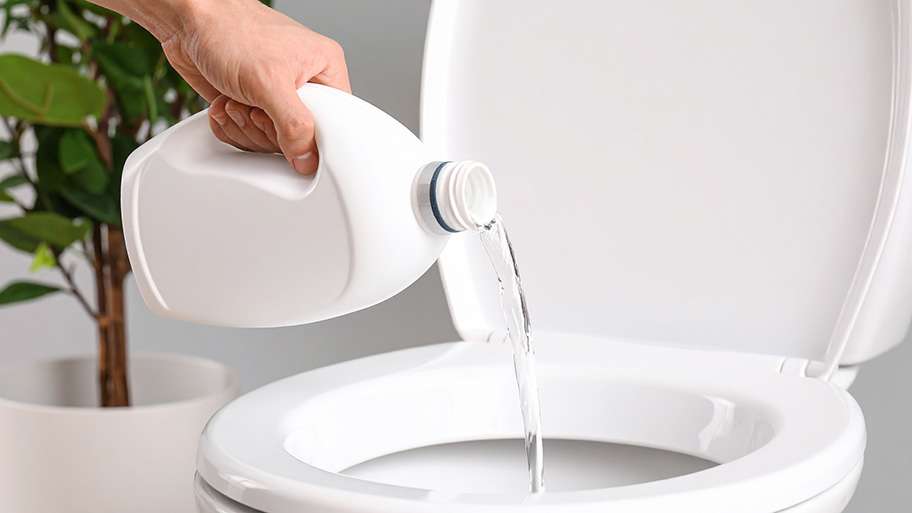
Bleach is a great household cleaner, but knowing how to dispose of it can be a challenge. Find out how to safely get rid of bleach you don’t need anymore.
Save yourself from costly problems by never pouring bleach down the drain

Pouring bleach down the drain creates dangerous chemical reactions when it mixes with household cleaners or organic matter, releasing toxic gases that harm your health.
Bleach is highly corrosive and can damage your pipes over time, leading to leaks, cracks, or burst pipes that require expensive repairs.
Safe alternatives for unclogging drains include using baking soda with vinegar, dish soap with hot water, or a plunger to clear blockages without harsh chemicals.
Hiring a local plumbing professional provides reliable help when bleach has already gone down the drain, preventing pipe damage and protecting your septic system's helpful bacteria.
There are many safe ways to clear a drain clog, but pouring bleach down the drain isn't one of them. When bleach mixes with household chemicals and organic matter, such as food waste, it can create chemical reactions that are incredibly harmful to your health and the environment. This guide covers why pouring bleach down the drain isn't safe, better alternatives to clearing a clog, and safe ways to dispose of bleach.

Simply put, pouring bleach down the drain is a bad idea. Not only can it create a harmful chemical reaction, but it can also damage your pipes.
If you pour bleach down the drain, it can come into contact with other household chemicals and cleaners. And when it does, it can create a volatile chemical reaction that releases dangerous gases. Plus, when bleach comes into contact with organic matter in the drain, like food scraps, it can create other chemical compounds, like chloroform, which can negatively impact your health.
Bleach is incredibly corrosive and can eat at your pipes, leading to leaks. If you have a strong clog in your pipes and you pour bleach down, the bleach can't move through, so it will sit on top of the blockage—which can make the blockage harder and bigger, creating lots of pressure that can cause your pipes to crack or burst.
Your septic system contains bacteria that break down organic matter, like food and human waste, helping to prevent clogs and keep your system running smoothly. But when you pour bleach down the drain, it can kill that helpful bacteria, leading to clogs and a buildup of dangerous wastewater that can potentially overflow into the surrounding environment, like your home.

Instead of using bleach or liquid drain cleaners to clear a clogged drain, try these safer alternatives.
Squirt 1 ounce of dish soap down the drain to break down grease, then pour hot water on top of it before flushing with water for five minutes.
Mix 1 cup of baking soda, 1 cup of lemon juice, and 3 cups of hot water, then slowly pour the solution down the drain.
Pour a 1/2 cup of baking soda down the drain, then immediately follow it with a 1/2 cup of white vinegar. Then pour a few cups of hot water down the drain and let it all sit for about one hour before flushing it with hot tap water.
Run the faucet until there's 1 to 2 inches of standing water in the sink or tub, then use a plunger to loosen the clog.
Use a plastic drain cleaning tool or a wire hanger to break up the clog.
Take apart the P trap and clear any clogs in it, then put it back on.
If you have already poured bleach down the drain, immediately flush it with lots of clean water to help dilute it and move it through the pipes. Use at least several gallons of water, but potentially more depending on how much bleach went into the drain. In this situation, it's best to use more water than you think you need rather than less. And if you're worried that the bleach caused damage to your pipes or you're not able to flush it with water due to a clog, call a local plumber to tackle the problem for you, as it can be quite dangerous.
Bleach can release harmful toxins if mixed with certain substances, leading to severe damage to your lungs, eyes, and skin, and can sometimes be life-threatening. Keep in mind that bleach will also react with any residuals in your drain, so make sure nothing from the list below may be sitting around before you pour any bleach.
Top substances that should never be mixed with bleach include:
Ammonia: Ammonia and bleach create chloramines, a toxic gas that can irritate your eyes, skin, and nose, chest pain and wheezing, and can cause death under prolonged exposure.
Acid: including vinegar. Bleach and any acidic substance together create chlorine gas. When inhaled directly, chlorine can cause severe internal burning, vomiting, pneumonia, and even death.
Rubbing alcohol: Bleach and rubbing alcohol create chloroform, another highly toxic gas that can damage your eyes, lungs, and liver. This combination also yields a highly corrosive acid known as peracetic/peroxyacetic acid, which burns anything it touches, like your skin and eyes.
Household cleaners: most household cleaners, including surface cleaners and toilet bowl cleaners, will create one of the above-mentioned toxic gases when mixed with bleach. The same goes for pesticides.
Never dispose of bleach by pouring it down the drain or into the trash. Instead, see if your local waste management authority has a disposal system for hazardous waste that you can use. If not, give the bleach away so someone else can use it, like a friend or a non-profit organization.
If you’ve already poured bleach into the drain and are worried about the damage it may have caused, contact a plumber. Even if you’ve unclogged your pipes, you should still contact a professional because bleach can cause damage to your pipes.
Let the plumber know that you poured bleach into the drain, how long ago, how much you poured down, and if the clog remained. If you notice any chemical smell during the process, leave the room and contact a pro immediately.
Kelly Weimert contributed to this piece.
Positive experience. As previously stated, the replacement/repair could not be completed (no fault of the plumbing tech) b/c misinformation was rec?d by property management maintenance. Thanks to the plumbing tech for your efforts. Appreciate you!
 The Waterworks
If you want to pay the most exorbitant prices possible for your job, this is the company for you. “By the job” pricing is a rip-off, at least how these people use it. Every job is plugged into a category and prices are set by category. You might have a job that takes half an hour or one that...
 Benjamin Franklin Plumbing
Cole has been handling plumbing and general contracting for our four properties over the past three years, and he’s always done a great job. Most recently, he installed a sink and countertop in our retail store where none existed before, and it turned out exactly how we needed. He’s...
 ANB Renovations LLC
Matt is a consummate professional. The work turned out to be far more difficult than expected and rather than turn the job down, Matt rose to the occasion and completed a near impossible task. I can not recommend Greene's Plumbing Service more highly. On a scale of 1-5 I would give Matt a...
 Greene's Plumbing Service
Involved an extensive bathroom remodel, including removing tub & installing walk in shower, new drywall, custome tile work to ceiling, plumbing, etc. Overall, job was done on time and on budget. Nick & his team were very professional and had high attention to detail. Quality was great. Highly...
 Stamos Flooring and Remodeling LLC
Awesome company. Had a jacuzzi tub taken out and replaced with huge walk in shower with partial glass enclosure. Onyx to the ceiling with a decorative border, moved plumbing and installed hand held shower, new ceiling, flooring, and paint. Replaced window with glass block. Everything was done...
 Columbus Bath Design
The initial quoted price from a walk-through seemed high, but we discussed that the quote represented worst case scenario (re-wiring to two floors) and we were excited about the opportunity to have the work done in a timely manner with closing for fire safety reasons, etc. When the job was...
Initially, I called the Service People to have a leaking garbage disposal replaced. I had purchased a special deal through Angie's List: $79 for $200-worth of plumbing services. <br /> When I went to schedule the work, the earliest date I could get through Angie's List was after the upcoming...
This company did a very good job on the brick wall and it looks just amazing. The staff was always professional and was practically OCD on how the bricks were stacked and how they were laid. Although it took longer than expected, I am willing to sacrifice time over perfection anyday. The...
 My Handy Mate LLC Improvement & Remodeling
<p>I am so glad we called Rotor-Rooter. I was hesitant to call them because we usually prefer to give business to local providers. But when we had sewage back up in our basement on a Saturday evening, I had a hard time getting a hold of someone, not to mention the high weekend/evening rate...
 Roto-Rooter Plumbing & Water Cleanup
From average costs to expert advice, get all the answers you need to get your job done.
Bleach is a great household cleaner, but knowing how to dispose of it can be a challenge. Find out how to safely get rid of bleach you don’t need anymore.
Can you pour grease down the drain? Find out why doing this is never a good idea and what happens to your kitchen drain if you do.

Learn how to harness the power of homemade drain cleaner and say goodbye to clogged drains. Make your own effective clog-blasting solutions with our guide.

Are drain cleaners safe for septic systems? They rely on bacteria, which drain cleaners can kill. Learn how to safely unclog drains connected to septic systems.
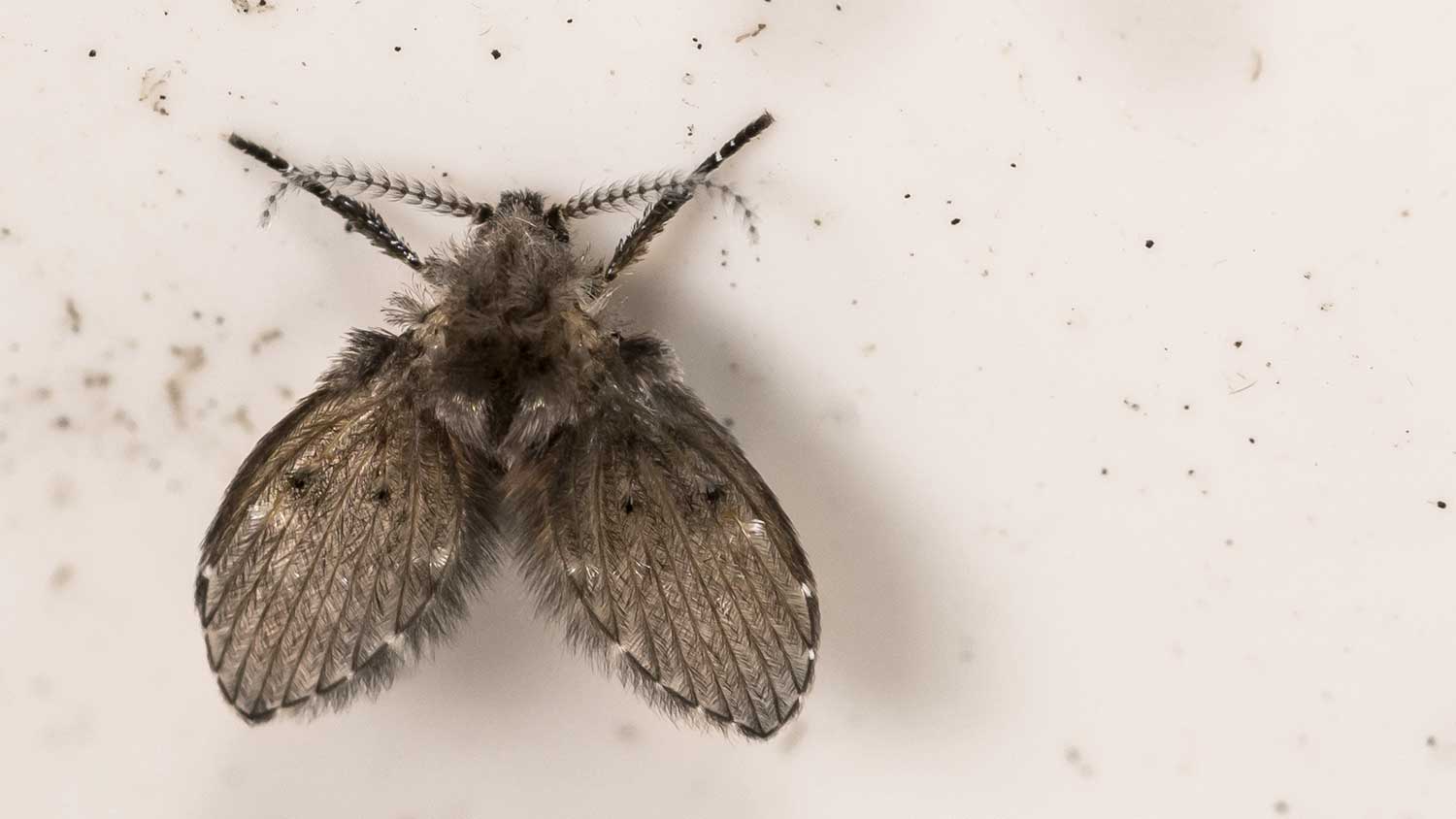
Will bleach kill drain flies and should you use it? Learn what causes drain flies and if you should skip the bleach and try other methods instead.

Unclogging your bathtub requires a few tools and a little patience. Our guide will show you how to unclog a bathtub in 6 simple steps.