
Pipe leak repair costs depend on the location and severity of the leak, as well as the type of pipe being replaced. Use our guide to price out repair work.
Pipe clamps seem simple, but they do the heavy lifting in your home’s plumbing

The different types of clamps you choose depend on your pipe material, temperature changes, weight load, and whether the pipe hangs or mounts directly.
Plastic clamps protect PVC and soft copper pipes from cracking when you tighten them, while metal clamps handle heavier loads and outdoor conditions.
Your local building code sets requirements for clamp spacing, quantity, and approved types, so check those rules before starting your plumbing project.
Hiring a local plumbing repair professional removes the guesswork from matching clamp materials to pipe types and ensures proper installation that meets code requirements.
Pipelines run throughout our homes, carrying plumbing, heating, drainage, electrical wire, and more. They run vertically and horizontally through wall cavities, ceilings, and basements—staying safely out of our way. The simple pipe clamp is the key to keeping lines suspended from ceilings and securely attached to walls. Some clamps must handle high temperatures, while others must be flexible as pipes expand or move. These are the most common pipe clamp types and the applications you might use them for.


Standard pipe clamps are the most common and basic clamp design. They involve two equal parts that each surround half of a pipe or a group of pipes. These parts are held together by tightening screws. Standard clamps work best with rigid pipe materials such as metal or plastic and can be used vertically or horizontally for plumbing and heating.
You'll find standard pipe clamps in various sizes and styles to fit most needs. Standard pipe clamps often consist of bare metal that sits right against the pipe. However, there are also insulated versions with a material that provides a cushion between the clamp and the pipe to allow expansion during temperature changes.
Best for: Metal and plastic pipe installations
Many types of pipe clamps come in a plastic version. You’ll commonly see a quick-release style where the pipe runs through the clamp, and the clamp's arm is closed over it to secure it.
Plastic is useful for plastic or PVC plumbing that can crack or break when metal clamps are secured too tightly. Plastic also provides a softer hold for soft metal plumbing materials such as copper. Plastic clamps won't corrode as easily in environments that would otherwise damage metal, though you should ensure they can handle the temperatures in the installation area.
Best for: PVC and plastic piping, as well as soft metals

U-bolt clamps are solid and straightforward. They consist of the following parts:
A metal U-shaped rod where a pipe or group of tubes, rods, and lines sit
A saddle plate that fits over the two rod ends and tightens down on the pipes
Two hex nuts to tighten the saddle on the threaded rod ends
U-bolts are typically made of aluminum or steel and can support a lot of weight. They often hold steel or copper pipes that must be elevated or secured to beams and ceilings. You can also use them outside where the elements would ruin smaller or weaker clamp types.
Best for: Heavy-duty elevated pipes and outdoor pipes
The saddle clamp is one piece that holds a pipe on one side and is secured directly to a flat surface with screws. These clamps are ideal for securing a pipe directly to a flat surface rather than letting it hang suspended. They don't allow for movement, so they don’t work well for pipes that change temperature drastically or make lots of noise.
Best for: Pipes on flat surfaces
Heavy-duty pipe clamps live up to their name. They usually come in strong metals such as steel that can hold up heavy pipes with full loads running through them. For that reason, they're often used to hold up the main water supply line in a building. Like standard pipe clamps, they come in two parts with locking bolts on either side. You can also find lined versions to reduce noise.
Best for: Main water supply
Pipe clamps come in different materials—from steel and copper to plastic. These materials all have different pros and cons. You’ll need to make sure the material of a pipe is compatible with the material of the pipe clamp. For example, you can’t mix copper clamps with steel pipes. Also, some pipes and clamps react chemically and cause corrosion. Metal water pipes may vibrate in metal clamps and cause noise without insulation.
Here are the materials you can choose from.

Steel clamps often come coated in zinc to resist corrosion. They can safely carry steel or cast-iron tubes. They can also carry plastic or copper as long as they have a lining of nylon insulation. Otherwise, the materials will chemically react.
Stainless steel clamps resist corrosion and work well for outdoor use. You can't use them with copper or carbon steel pipes, but they are compatible with brass pipes if the steel grade is 301, 304, or 310. Like other steel pipes, they must have the proper lining to carry plastic or copper.
These soft clamps are well-suited to installations requiring flexibility due to heat or cold. They can safely carry PVC or PEX piping thanks to their softer grip.
Copper clamps are standard in indoor plumbing since they won't react with water. Copper is a soft metal that won't damage soft pipe materials like plastic or copper. However, these clamps are chemically incompatible with steel pipes.
The best type of pipe clamp for your needs depends on the type of plumbing pipe you’re using. That includes pipe size, temperature, weight, and the environment. When you work with a plumber near you, they’ll have the knowledge and experience to recommend the proper combination of clamp and pipe materials for your installation environment.
Since pipes can expand and contract with temperature changes, it’s important to consider temperature when choosing the best pipe clamp. Metal clamps can be brittle and crack or break, while plastic clamps are more flexible and allow for more movement. Additionally, certain pipe materials will have more thermal expansion than others, and hot water lines tend to be exposed to some of the most drastic changes.
Your clamp needs to fit comfortably around the pipe. Use calipers to measure the outside diameter of your pipe to figure out the ideal clamp size.
Clamps can only support a certain amount of weight. When you choose a clamp, check the maximum load on the packaging or instructions. For heavier loads, you may need more clamps or heavy-duty clamps.
The environment plays a huge role in choosing the best type of clamp for a pipe. Consider the location. Is it indoors or outdoors? Where is the pipe located in the room? A U-bolt clamp can better support a pipe suspended from a ceiling, while a saddle clamp may work best to secure a pipe directly to a wall.
Keep in mind that certain clamps aren’t suitable in situations where pipes are prone to vibration or exposed to water. Clamps in uninsulated or outdoor areas will have to withstand greater temperature changes than those in an indoor environment.
Your local building code will have some requirements for pipe clamps. This includes when to use certain types of pipe clamps, how many clamps you’ll need, and how far apart you should space the clamps. Make sure you check your local code requirements before you install pipes, or consult a local plumbing repair service instead.
Positive experience. As previously stated, the replacement/repair could not be completed (no fault of the plumbing tech) b/c misinformation was rec?d by property management maintenance. Thanks to the plumbing tech for your efforts. Appreciate you!
 The Waterworks
If you want to pay the most exorbitant prices possible for your job, this is the company for you. “By the job” pricing is a rip-off, at least how these people use it. Every job is plugged into a category and prices are set by category. You might have a job that takes half an hour or one that...
 Benjamin Franklin Plumbing
Cole has been handling plumbing and general contracting for our four properties over the past three years, and he’s always done a great job. Most recently, he installed a sink and countertop in our retail store where none existed before, and it turned out exactly how we needed. He’s...
 ANB Renovations LLC
Matt is a consummate professional. The work turned out to be far more difficult than expected and rather than turn the job down, Matt rose to the occasion and completed a near impossible task. I can not recommend Greene's Plumbing Service more highly. On a scale of 1-5 I would give Matt a...
 Greene's Plumbing Service
Involved an extensive bathroom remodel, including removing tub & installing walk in shower, new drywall, custome tile work to ceiling, plumbing, etc. Overall, job was done on time and on budget. Nick & his team were very professional and had high attention to detail. Quality was great. Highly...
 Stamos Flooring and Remodeling LLC
Awesome company. Had a jacuzzi tub taken out and replaced with huge walk in shower with partial glass enclosure. Onyx to the ceiling with a decorative border, moved plumbing and installed hand held shower, new ceiling, flooring, and paint. Replaced window with glass block. Everything was done...
 Columbus Bath Design
The initial quoted price from a walk-through seemed high, but we discussed that the quote represented worst case scenario (re-wiring to two floors) and we were excited about the opportunity to have the work done in a timely manner with closing for fire safety reasons, etc. When the job was...
Initially, I called the Service People to have a leaking garbage disposal replaced. I had purchased a special deal through Angie's List: $79 for $200-worth of plumbing services. <br /> When I went to schedule the work, the earliest date I could get through Angie's List was after the upcoming...
This company did a very good job on the brick wall and it looks just amazing. The staff was always professional and was practically OCD on how the bricks were stacked and how they were laid. Although it took longer than expected, I am willing to sacrifice time over perfection anyday. The...
 My Handy Mate LLC Improvement & Remodeling
<p>I am so glad we called Rotor-Rooter. I was hesitant to call them because we usually prefer to give business to local providers. But when we had sewage back up in our basement on a Saturday evening, I had a hard time getting a hold of someone, not to mention the high weekend/evening rate...
 Roto-Rooter Plumbing & Water Cleanup
From average costs to expert advice, get all the answers you need to get your job done.
Pipe leak repair costs depend on the location and severity of the leak, as well as the type of pipe being replaced. Use our guide to price out repair work.
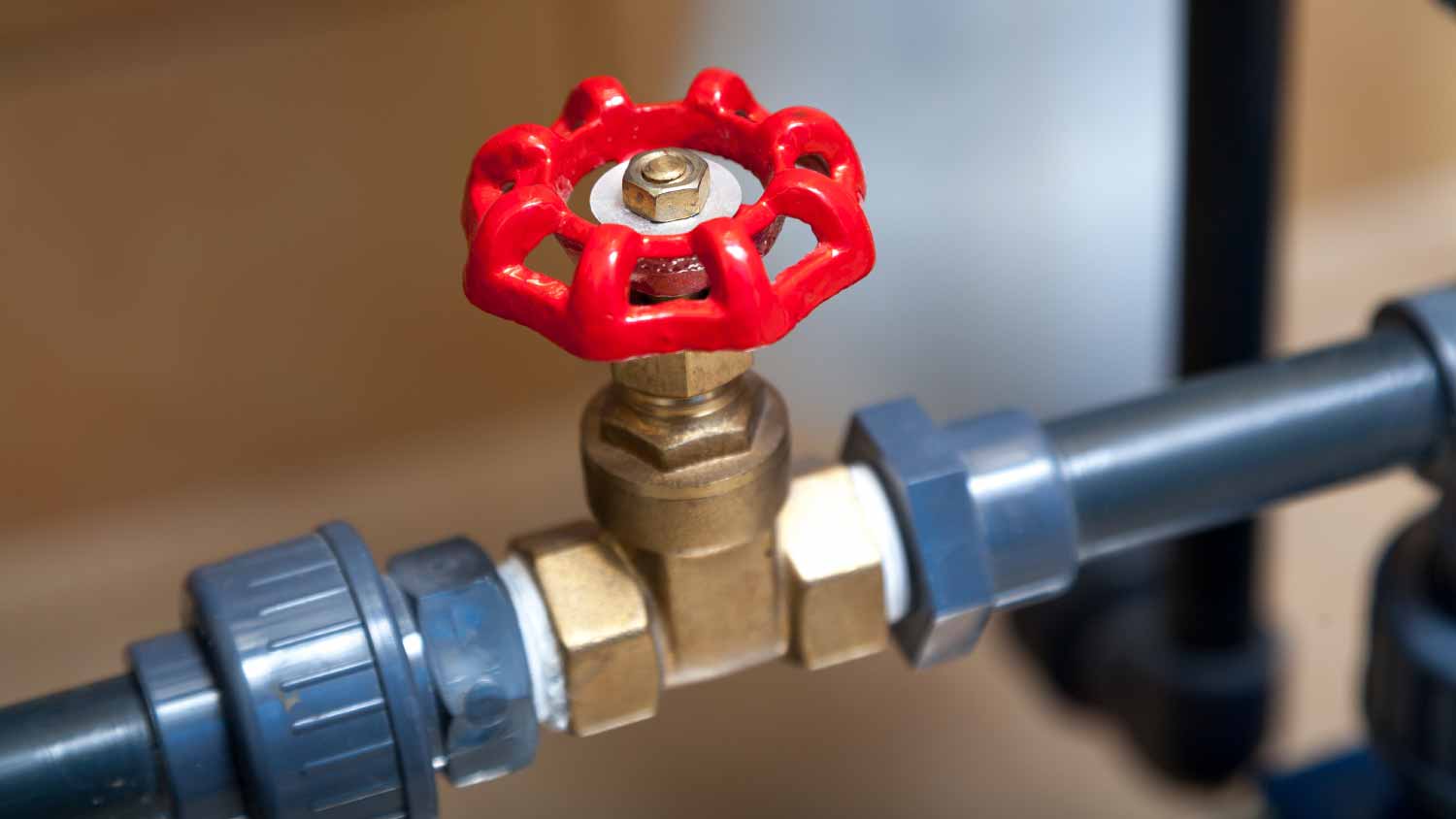
Tee, cross, wye, elbow, coupling, bushing, adapter, union, and more. Know the most common 14 types of pipe fittings and what they are suited for.
Need to stop a plumbing leak quickly and minimize water damage in your home? Buy yourself some time with these temporary fixes for a leaking pipe.
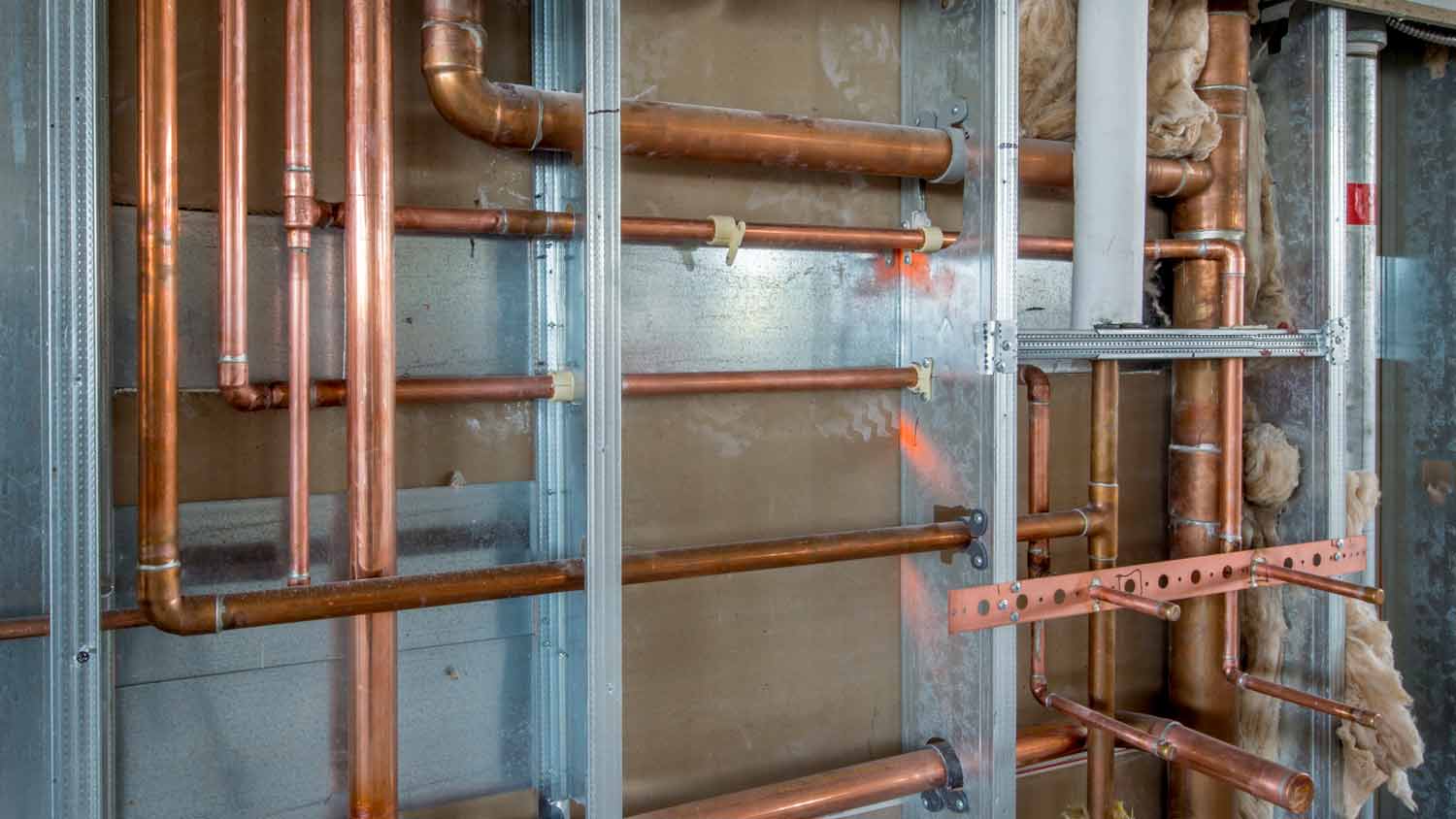
Learn about the 4 primary types of copper pipes, their applications, advantages, and limitations in this informative article.
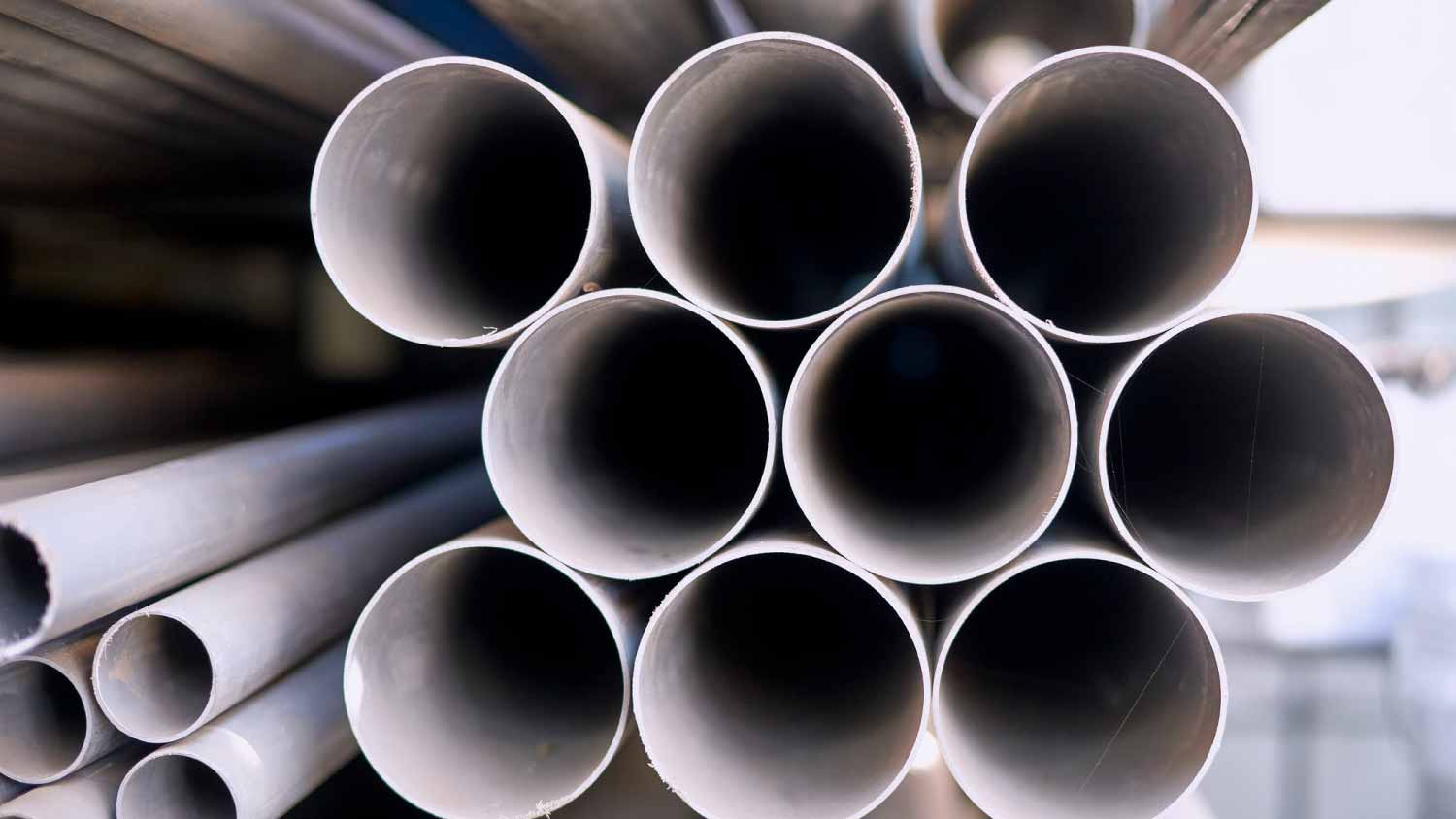
Compare the main types of PVC pipe—Schedule 40, Schedule 80, DWV, and CPVC—and learn how to choose the right one for supply, drainage, or hot water lines.
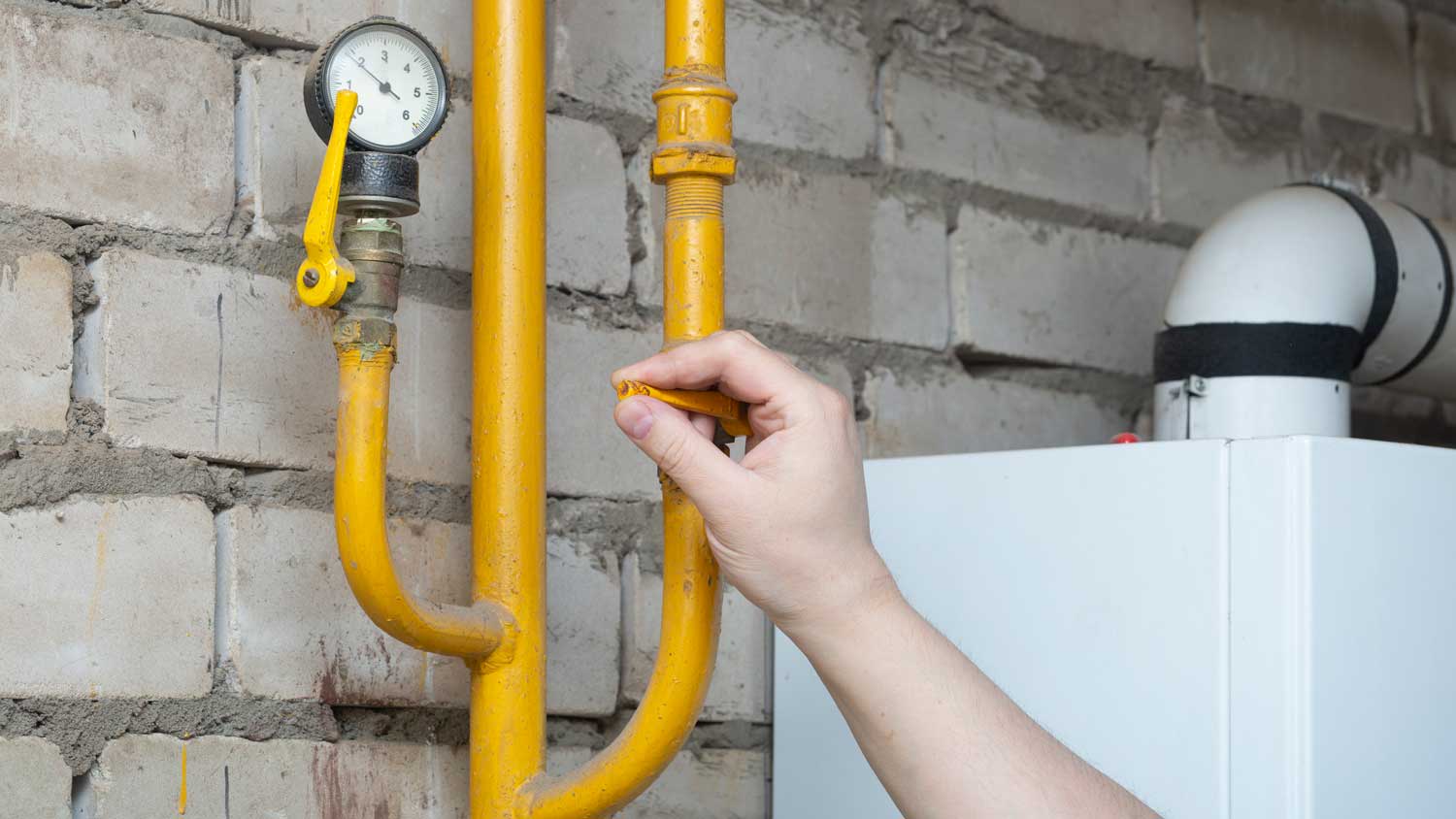
Figuring out which pipes are for gas lines can seem overwhelming at first, but here are the six best options for your home.