
The average boiler installation cost depends on size, system type, and other factors. Keep reading to learn the cost of a new boiler.
Condensing furnaces will increase your home’s energy efficiency, but it comes at a cost

A condensing furnace uses two heat exchangers to extract more heat from exhaust gases, while non-condensing furnaces use only one exchanger.
Condensing furnaces cost $3,500 to $5,500 to install, while non-condensing furnaces cost around $2,250, though high-efficiency models cut your gas bills over time.
Your choice depends on budget, existing venting setup, and energy goals, since condensing furnaces need drainage systems but offer better long-term efficiency.
Hiring a local HVAC technician professional provides reliable guidance on sealed combustion systems and proper venting adjustments for your home's specific setup.
The average furnace only lasts 15 to 20 years if it’s well maintained. It can start to get finicky in its teen years—just like most teenagers. If your home hasn’t been heating up like it used to, you might want to replace your standard, non-condensing furnace with a condensing furnace. Is it always worth it? It depends on your situation. Let’s compare.

What is the difference between a condensing and a conventional furnace? It mostly comes down to the combustion process—but this affects price, safety, and efficiency ratings.
If you’re replacing an existing furnace, a non-condensing furnace will almost always be a better value upfront. You won’t need to install a drainage system or replace your old vents.
Condensing furnaces, which are high-efficiency furnaces, cost anywhere from $3,500 to $5,500. The cost of a standard furnace is usually only around $2,250, depending on the number of high-end features. Nonetheless, the savings start to even out over time.
According to Energy.gov, high-efficiency heating systems like condensing furnaces can slash your natural gas bill in half. They also come with tax rebates and incentives depending on your location. Condensing furnaces use PVC venting, which cuts installation costs in new construction.
Best value: Non-condensing furnaces
Furnace efficiency is measured by annual fuel utilization efficiency (AFUE). New conventional models have a furnace efficiency rating of at least an 80% AFUE—though your older system with a continuous pilot light may have somewhere between a 56% to 70% AFUE.
Condensing furnaces, on the other hand, must have a 90% AFUE. Some particularly efficient models are as much as 98% energy-efficient (which brings them closer to the efficiency of electric systems like heat pumps).
Of course, AFUE doesn’t account for energy lost through your ductwork or piping. If you have drafty ducts, you won’t see much energy savings from a condensing furnace.
Most energy-efficient: Condensing furnaces
Natural gas isn’t exactly sustainable, but non-condensing furnaces burn more of it. As a result, they create more emissions. How does this work out? Let’s say you have an old, standard furnace with a 56% AFUE. According to Energy.gov, you can reduce your carbon footprint by 1.5 tons every year by upgrading to a non-condensing furnace with a 90% AFUE.
Most eco-friendly: Condensing furnaces
Though both furnaces improve air quality with the use of a filter, carbon monoxide (CO) is a byproduct of the combustion process. This is the biggest furnace safety concern. In a working gas furnace, CO should be vented outside, where it won’t pose a risk. Very rarely, a faulty system will leak CO into your home. This chance is greater with a standard furnace because standard furnaces use indoor air during the combustion process.
In contrast, condensing furnaces employ a method called “sealed combustion,” which only uses outdoor air. This eliminates the risk of a backdraft entering your home (though, there’s always a risk of a CO leak if your furnace isn’t properly maintained).
Safest: Condensing furnaces
If you have an existing furnace, it should be easier to replace it with another non-condensing furnace. If you want to install a condensing furnace, your contractor will have to create a drainage system because high-efficiency furnaces create more condensation. That’s not the only adjustment.
Since condensing furnaces use a sealed venting system, your contractor will also need to install additional venting and make adjustments for the changing flue gas. For example, your water heater won’t be able to vent its own exhaust out of the chimney without the help of a shared exhaust system.
Either way, furnace installation isn’t a DIY job. Gas appliances pose a serious safety risk, so you’ll need to hire an HVAC professional.
Best for easy installation: non-condensing furnace
It’s important to properly maintain your furnace in order to optimize energy efficiency and extend your appliance’s life span. Furnaces should be inspected annually, but condensing furnaces may require more maintenance because of the additional heat exchanger and drainage system.
Repairs, though similar, can also add up. Replacing a heat exchanger costs $500 to $1,500—and that price will essentially double if you need to replace two throughout the life span of your furnace. Unfortunately, a cracked heat exchanger is one of the most common furnace problems.
Easiest to maintain: non-condensing furnace
Both condensing furnaces and non-condensing furnaces have a life span of 15 to 20 years. Some furnaces are able to last as many as 30 years with proper maintenance, but they start to lose energy efficiency as they age.
Longest life span: It’s the same for both
To understand the difference between non-condensing and condensing furnaces, you need to understand how your gas furnace works. A non-condensing furnace is your standard gas furnace. It has one heat exchanger—the place where cold air gets turned into hot air.
When your furnace’s blower motors turn on, cool air blows through the heat exchanger. That air is heated by heat from the combustion chamber and blown into your home through a duct. Some of that heat is lost to water vapor and exhaust gasses, which are vented out of your home through your roof. This type of HVAC system uses a flue similar to a chimney.
Though non-condensing furnaces are the standard type of furnace, they’re not always the best choice. It depends on your budget.
Easily replaced because it connects to your existing venting
Requires minimal professional maintenance
Less expensive upfront than a condensing furnace
Minimum 80% energy efficiency rating for new models
Uses metal venting, which is more expensive to install in new construction
Uses indoor combustion air, so it can (rarely) pose a safety risk
Unlike conventional furnaces, condensing furnaces have two heat exchangers. The combustion process is similar, but the second heat exchanger works to extract additional heat from the exhaust gasses and water vapor. Since less heat is lost, you end up using less natural gas. What are the benefits of a condensing furnace? It’s more than just energy efficiency.
90% to 98.5% energy efficiency rating (hello, energy savings)
Creates fewer carbon emissions
Sealed combustion system, so it’s a little safer than a conventional furnace
Flexible installation (you can use PVC pipes instead of metal)
Difficult to install because it needs a drainage system
More expensive to install upfront
May be more expensive to maintain
I have used Columbus Worthington Air for years and recommend them whenever I have a chance. The staff is quick, courteous, and well-trained.
 ARS Columbus Worthington Air
If you’re good people wanting to do business with good people, hire Matt. He is a consummate professional and utterly competent. He installed a water heater in my home at a price that beat competitors by hundreds of dollars with a promise to support the unit for its life (even after its 6 yr...
 Greene's Plumbing Services
Corey Carr was great. I had damage from a recent storm and needed to have my mast and other components replaced. The project entailed coordinating with AEP, and Corey helped make a stressful situation a lot less stressful. I really appreciated his dedication to service and the job very well done.
 Mr. Electric of Columbus
This service was great. My air conditioner went out during the heat spell that we had. My husband has health issues and they came out that night and at 9:30pm the air conditioner was fixed and running. We are sooo very thankful, this is the company I will be using from now on and would...
 Mr. Mechanical Ohio
Great company! Price was competitive, technician showed up on time and completed the job (exterior electric Radon fan replacement) quickly. Would hire them again.
 MaGen Property Inspections and Radon Mitigation
Raven and crew does absolutely fantastic job. They are very professional if any concerns were to occur with any of her work she always took responsibility and finished out with a great job. I have worked with her business for a year and have always been satisfied. Very trusted business and...
 Creations of Transformation LLC
I would recommend this company to anyone! He showed up on time, was friendly, completed a very difficult repair on our dryer vent cover, was responsive, and pricing was extremely fair and competitive. I would have him back to do any of our repairs or cleanings without hesitation!
 U.S.A. Dryer Vent, LLC
Ace Fireplace Services' chimney sweep service is truly exceptional. They used advanced technology to ensure a thorough cleaning process, and my chimney has never looked better. I highly recommend their services.
 Ace Fireplace Services
The technician was very professional and friendly. He answered all my questions and was very thorough. He left the fireplace area very clean . He inspected from the roof and advised me as to other work that might need to be done. There was no pressure there. I was very satisfied with the...
 Supreme brick & chimney
On time, clean and finished fast. Windows seem sturdy and the finish is good. Caulking was done with no smudges. Would recommend.
 Window Depot USA of Central Ohio
From average costs to expert advice, get all the answers you need to get your job done.
The average boiler installation cost depends on size, system type, and other factors. Keep reading to learn the cost of a new boiler.
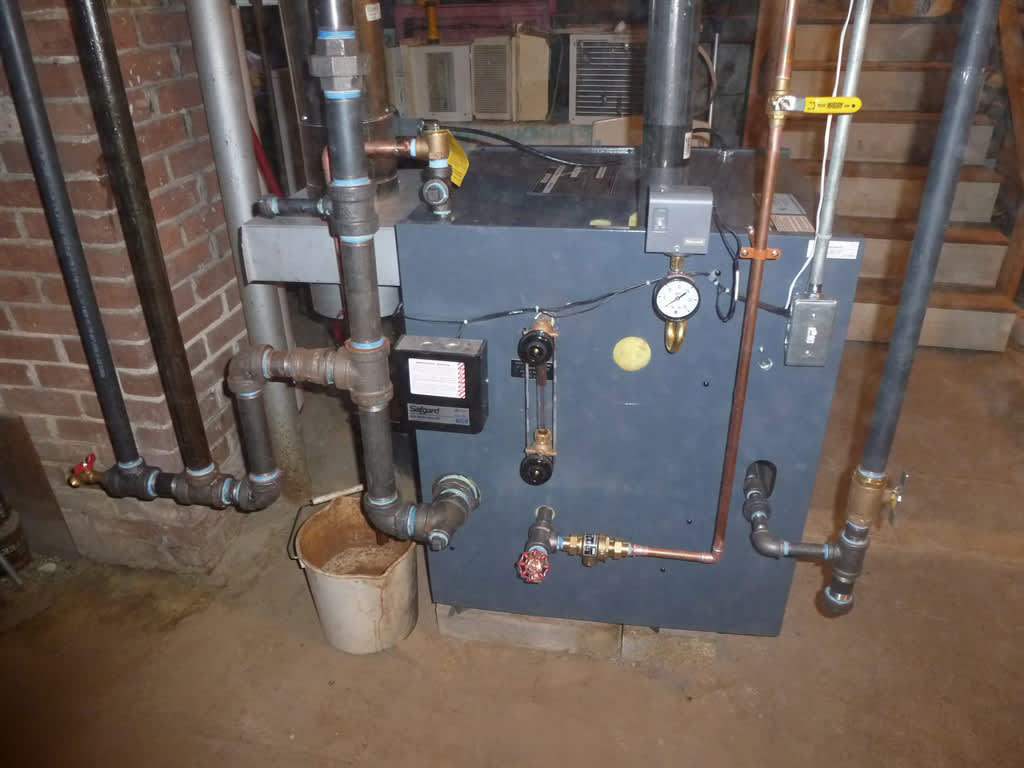
The cost of boiler repair depends on the specific issue. Read our expert guide, which breaks down boiler service costs so you can budget accordingly.
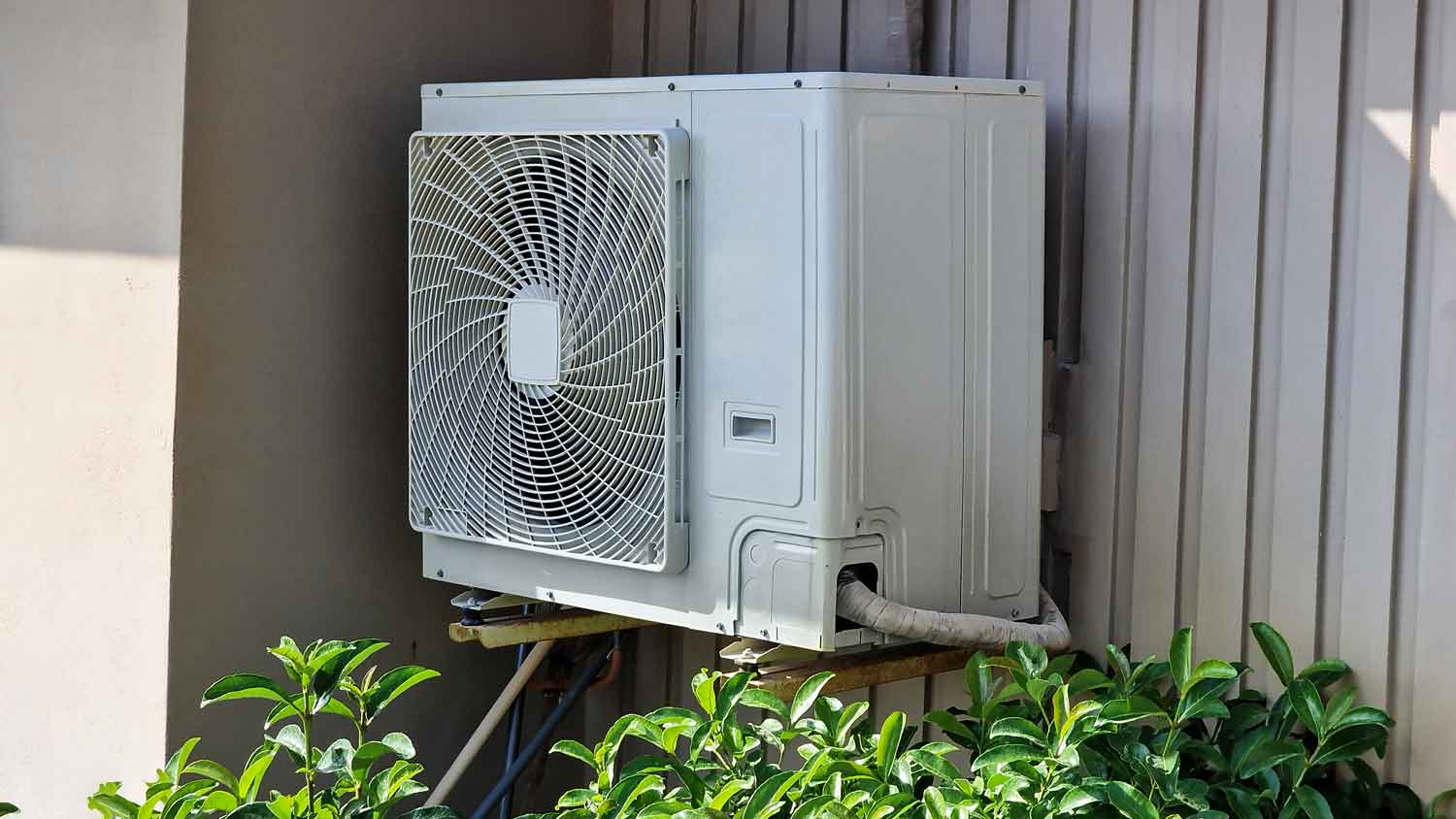
Learn the ins and outs of a heat pump vs. boiler to choose the best heating system for your home.
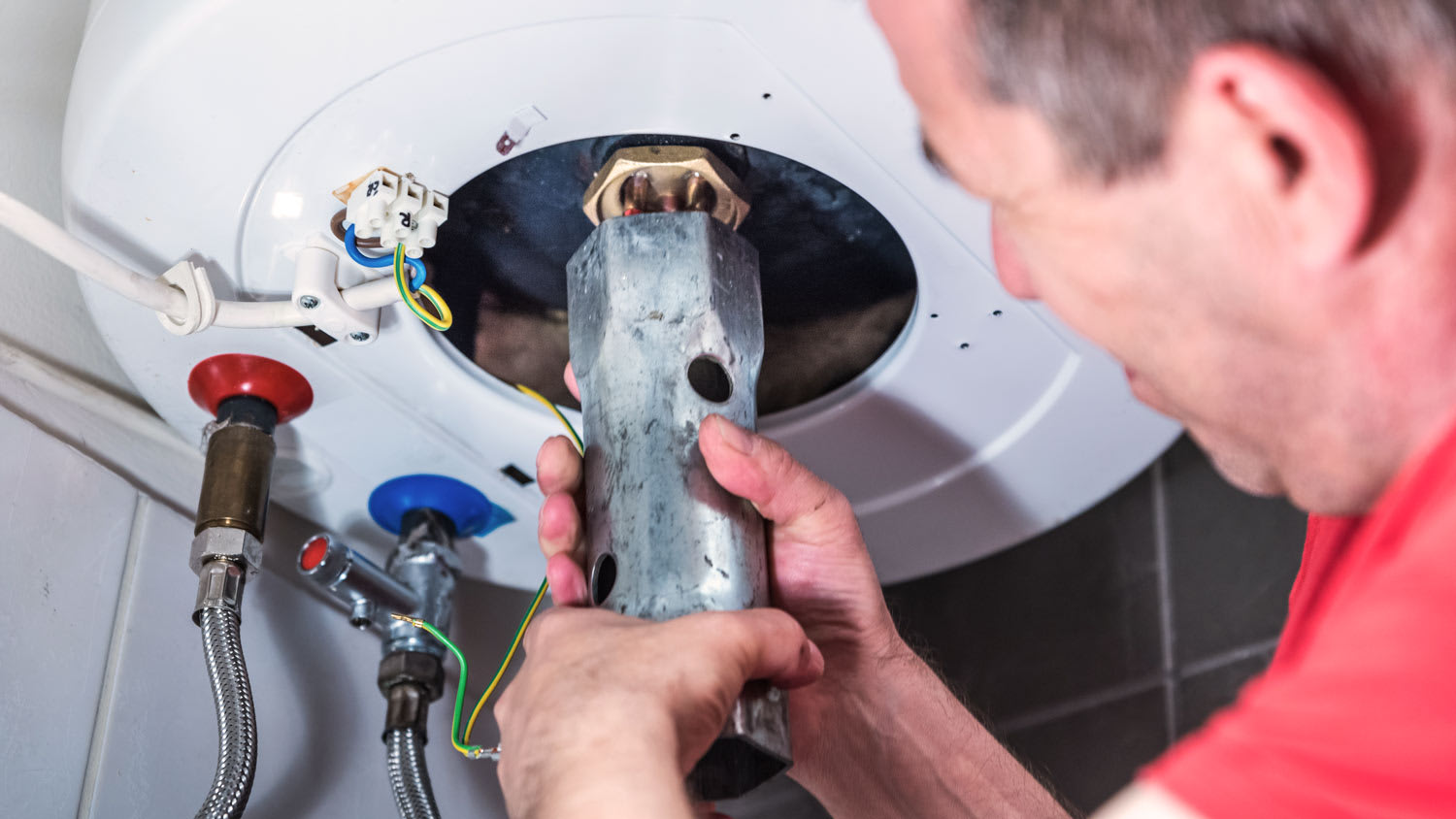
Need to hire a boiler repair company? Learn how to find qualified, licensed pros, questions to ask, and what to expect throughout the process.

Geothermal heating and cooling systems come with many perks for homeowners who want to make the switch from a traditional HVAC system. Learn 11 benefits of geothermal systems.
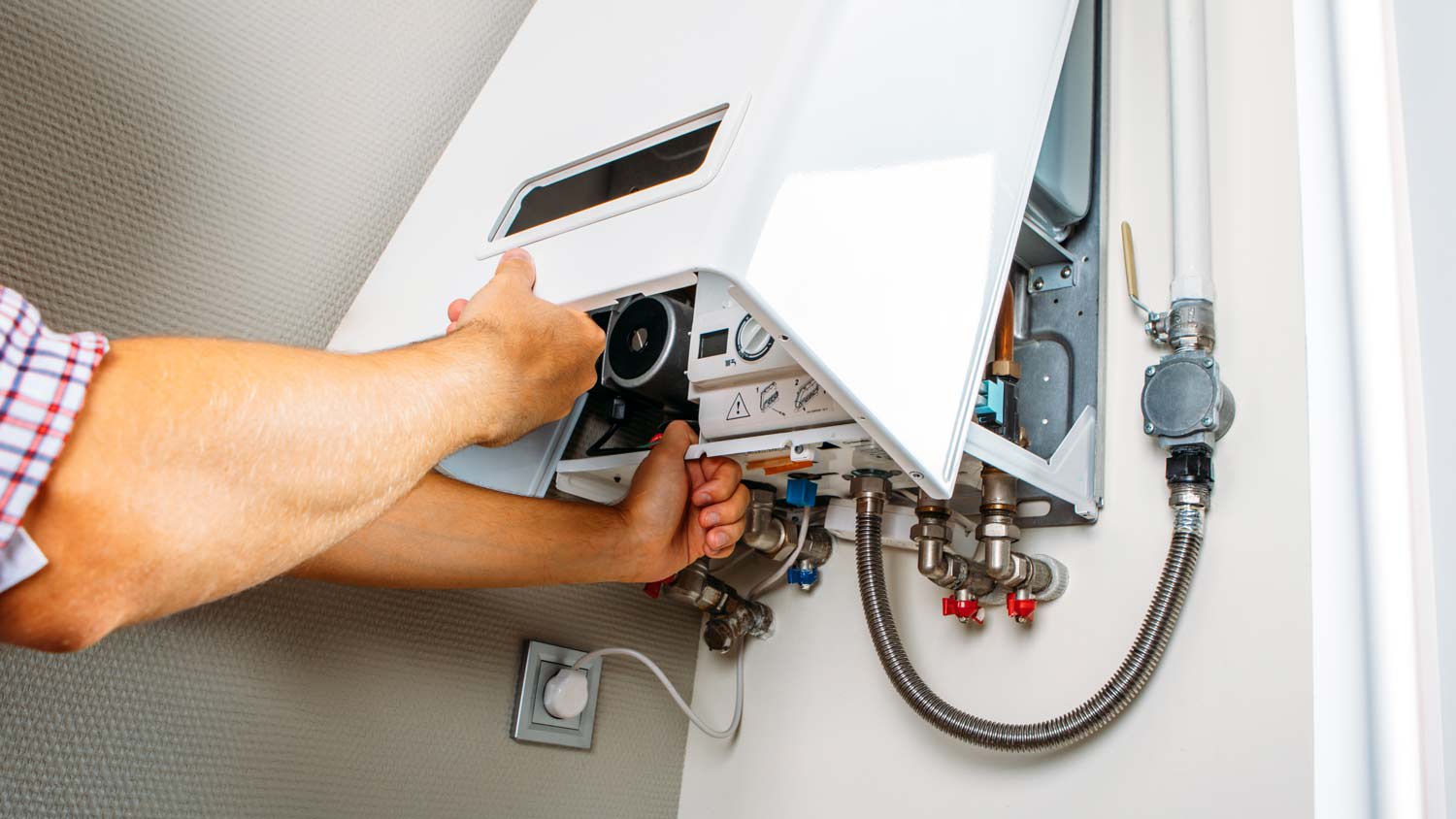
If you need to repair a gas boiler or radiator heating system, you should first talk to a pro. Here are the top radiator repair questions you should ask.