
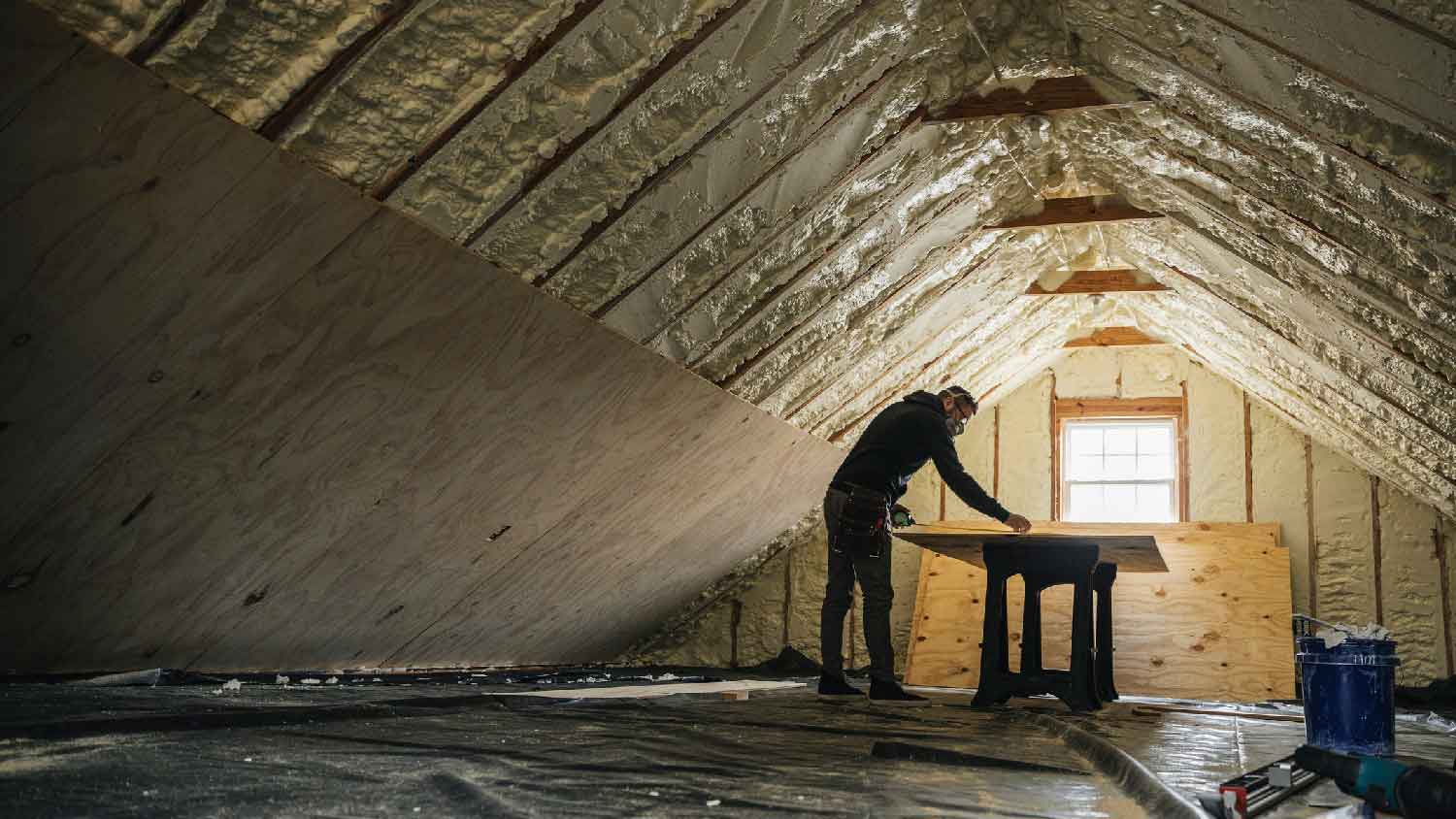
Attic insulation removal costs in Seattle, WA, vary based on multiple factors, including why you're removing it and how easy it is to complete the task.
Insulation service costs depend on your project and location. Check with a local pro for your specific job.

Blown-in insulation costs $1.50 to $3.80 per square foot in Seattle.
Homes that have never been updated may need prep work before new insulation can be installed, which can increase costs.
Larger projects require more material and labor, which is one of the biggest drivers of total cost in Seattle.
Hard-to-reach areas can extend labor hours and push the project price higher.
Seattle’s climate makes insulation an essential part of keeping homes comfortable and energy use steady throughout the year. Blown-in insulation in the area typically averages around $1,851, with most projects landing between $1,084 and $2,816. The final price depends on the size of the space, the material you use, and the R-value needed for reliable performance. Below is a breakdown of the main factors that influence what you’ll pay.
In Seattle, WA, the cost of blown-in insulation is shaped by several factors, including how much area needs coverage and the performance level you’re aiming for. Understanding how these and other factors contribute to the overall price can help you make an informed budget for this project.
The biggest cost factor is the size of the area that requires insulation. A larger area requires more insulation and labor, increasing the overall price. This metric is calculated by multiplying your square footage by the cost per square foot of your chosen insulation materials, which are detailed below. However, a general range for blown-in insulation per square foot is $1.50 to $3.80, depending on the type.
| Area in Square Feet | Blown-in Insulation Cost Range |
|---|---|
| 500 | $750–$1,900 |
| 1,000 | $1,500–$3,800 |
| 1,500 | $2,250–$5,700 |
Seattle’s cool climate and long heating season make it crucial to select an insulation level that maintains steady indoor temperatures. The R-value you select determines how well the insulation slows heat loss and maintains comfort during months when the furnace runs regularly. Higher R-values cost more, but they offer better performance and more consistent energy use.
Below is a breakdown of R-values and the corresponding prices:
| R-Value | Number of Bags per 1,000 sq. ft. | Description | Price Range |
|---|---|---|---|
| R-13–R-21 | 7–10 | Only suitable for areas needing minimal insulation and not recommended for most of Seattle’s heating demands | $260–$390 |
| R-30–R-49 | 15–20 | Provides a noticeable improvement for older homes that were built with minimal insulation and lose warmth quickly | $560–$1,500 |
| R-38–R-49 | 20–26 | A dependable range for maintaining stable indoor temperatures without breaking the bank | $1,150–$1,650 |
| R-49–R-60 | 26–32 | Offers the strongest protection against persistent heat loss and helps keep overall energy use more consistent throughout the year | $1,550–$2,050 |
The cost to install blown-in insulation depends on the type of insulation you choose for the project. Anticipate spending anywhere between $0.60 and $2.40 per square foot for materials, not including installation. Below is a breakdown of each blown-in material type and how much it costs.
| Type of Blown-In Insulation | R-Value per Inch | Average Cost per Square Foot |
|---|---|---|
| Fiberglass | 2.5 to 3.5 | $0.60–$1.25 |
| Wet-spray cellulose | 3.2 to 3.7 | $0.80–$1.90 |
| Dense-pack cellulose | 3.2 to 3.7 | $2.10–$2.40 |
| Rockwool | 3.0 to 3.7 | $1.60–$2.30 |
| Natural wool | 3.5 to 3.8 | $1.90–$3.10 |
Several local factors influence the cost of hiring a professional to install blown-in insulation in Seattle, ranging from how contractors price their time to the credentials they hold. The points below outline what shapes the overall cost.
Insulation crews in Seattle typically charge $95 to $175 per hour, with prices varying depending on the size of the crew and the complexity of the job. Projects that involve tight spaces, detailed prep work, or hard-to-reach areas tend to require more time and therefore fall on the higher end of the range.
Most blown-in insulation projects in Seattle don’t need a permit on their own, but one may be required if the work is tied to ventilation upgrades, electrical adjustments, or broader home improvements. Permit fees vary by scope and jurisdiction, often ranging from $90 to $300.
Insulation professionals in Washington should carry general liability insurance and workers’ compensation, and they must maintain proper state licensing to operate. These obligations contribute to contractor overhead and the price you’re quoted, but they also help ensure the work is performed by qualified pros while protecting you from unforeseen damage.
Seattle applies a combined sales tax of about 10.35% to insulation materials. Labor for blown-in insulation is typically not taxed in standard residential projects, so make sure your estimate only taxes the materials and not the labor itself.
Blown-in insulation can be a significant upgrade for Seattle homes, as it helps reduce heat loss during the prolonged heating season and maintains more consistent indoor conditions. It isn’t considered a project that changes a home’s resale price on its own, but the added comfort and improved energy performance are appealing to many buyers.
Home is the most important place on earth, which is why Angi has helped more than 150 million homeowners transform their houses into homes they adore. To help homeowners with their next project, Angi provides readers with the most accurate cost data and upholds strict editorial standards. We survey real Angi customers about their project costs to develop the pricing data you see, so you can make the best decisions for you and your home. We pair this data with research from reputable sources, including the U.S. Bureau of Labor Statistics, academic journals, market studies, and interviews with industry experts—all to ensure our prices reflect real-world projects.
Want to help us improve our cost data? Send us a recent project quote to [email protected]. Quotes and personal information will not be shared publicly.
Lake Atitlan Insulation did an excellent job in my attic. They removed the old insulation, installed a solar attic vent, replaced the bathroom vent duct, and added new blown-in fiberglass insulation. They also installed radiant barrier on all the attic roof rafters. The work was completed...
 Lake Atitlan Insulation LLC
The job was done timely. They went out of their way to make sure everything from replacing the insulation to a thorough rat abatement was done right and explained everything to me. They even installed some bird spikes for me.
 A G INSULATION LLC
We had Insulation Co remove and replace our blow-in attic insulation as a part of a larger electrical project. Both phases of the insulation work went quickly and smoothly. Better yet, Jo from the company was incredibly responsive and kind in his communications with us which is a big bonus...
 Insulation Co., LLC - Removal & Clean Outs
I ordered insulation to do it myself - Victor found me some great prices, arranged a super fast delivery and got me going very quickly. He's super responsive and will chat with you to make sure you have exactly what you need!
 Insulation Pro Services
PNW Insulation did a great job. Sprayed insulation in our walls and rolled insulation in the attic space. They were fast and professional, skilled and easy to communicate with. Would recommend them 100%
 PNW Insulation, LLC
We had mold and rodent mitigation services performed in June 2024, in addition to new attic insulation installed (both batts and cellulose), plus removal of our old insulation. The team (Phillip and Troy) were very responsive, they completed the whole project in one day (even though I was...
 Attic & Crawlspace Experts, LLC
Karen and her team were very responsive. They offered the better of two prices I received to remove blown in insulation from my attic so that my electricians could proceed with removing knob and tube and rewiring. They protected my home while removing my old insulation and worked a very long...
 Puget Partners Insulation, LLC
The crew was totally professional, efficient, laid down plastic before and cleaned everything up after. Insulation was placed just as we wanted. The price was very fair. Would definitely use them again and recommend them to others. Mary C., Arlington, TX
Had them do a blow in insulation in my walls. Great quote. Came out a couple days later. Arrived right on time. Got the job done and handled a few small problems quickly and without complaint. Cleaned up after themselves. We noticed how quiet our house was immediately. I would highly recommend.
 Cube Insulation, LLC
From average costs to expert advice, get all the answers you need to get your job done.
Attic insulation removal costs in Seattle, WA, vary based on multiple factors, including why you're removing it and how easy it is to complete the task.
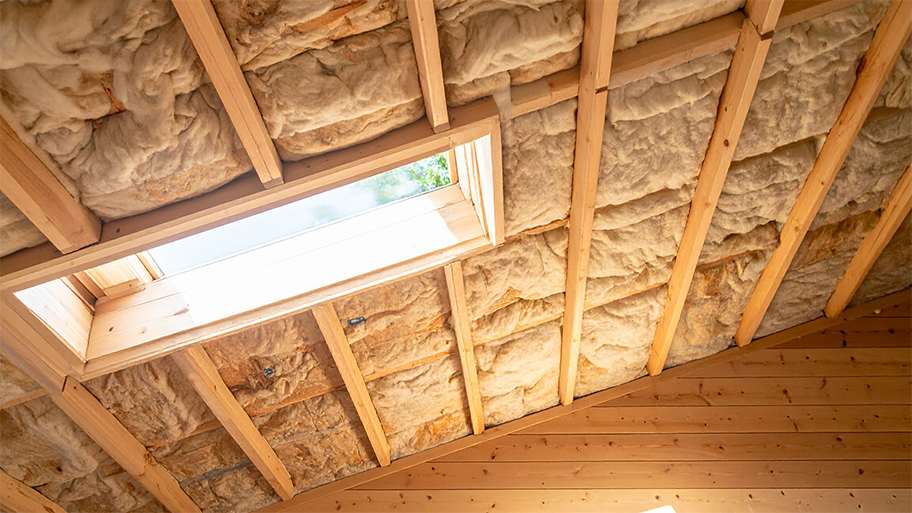
Insulating your attic can massively improve your home’s efficiency and reduce electric bills. Use this guide to find out what attic insulation will cost you in Seattle, WA.
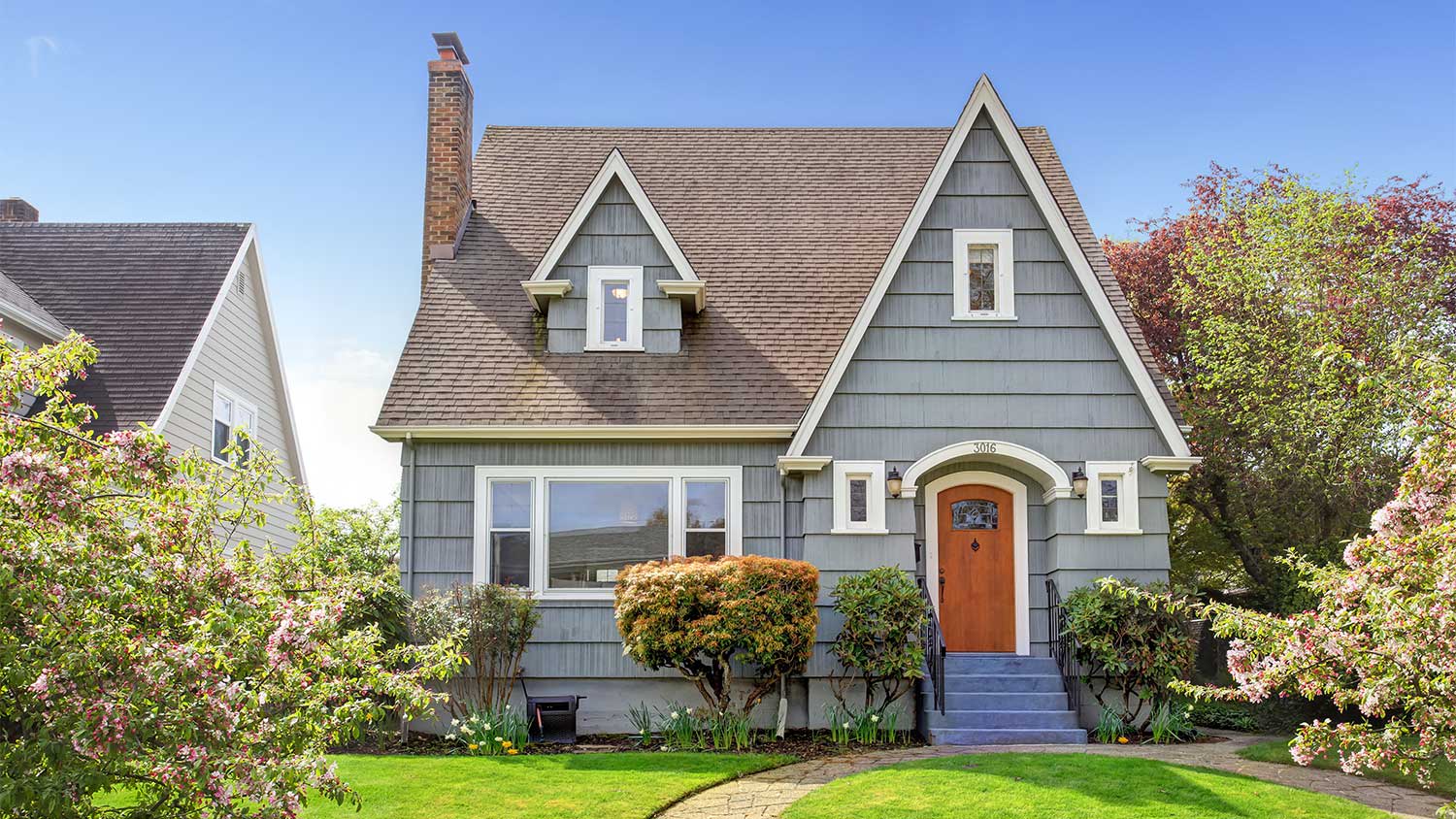
New insulation makes your home more comfortable and boosts energy efficiency. Use this guide to budget for insulation installation costs in Seattle, WA.

Remove blown-in insulation from your attic safely and efficiently by following this step-by-step guide and prep for your attic remodeling project.
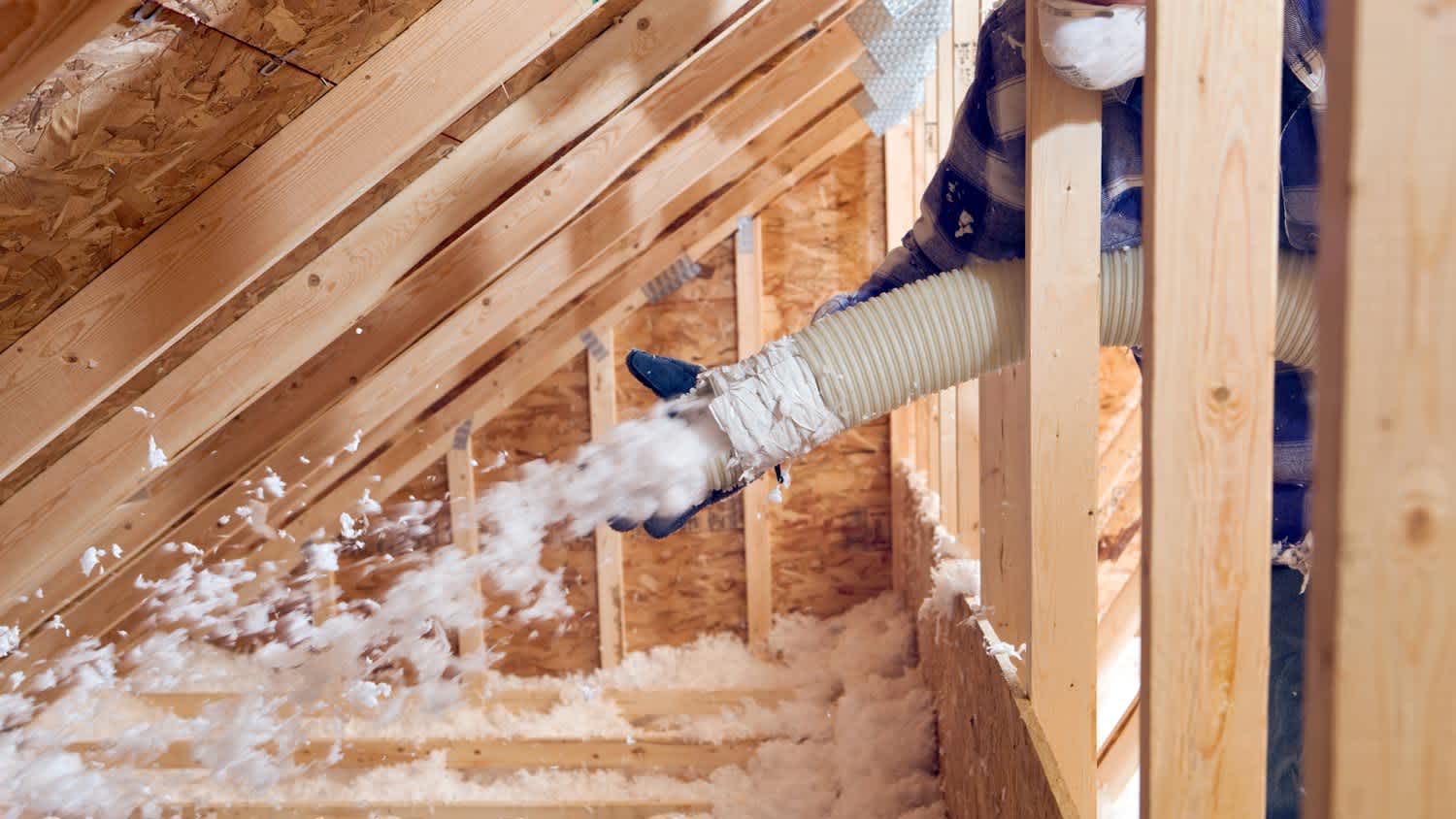
Are your energy bills spiking or rooms feeling drafty? Learn about blown-in insulation installation costs, urgency signs, and how to hire a local pro.
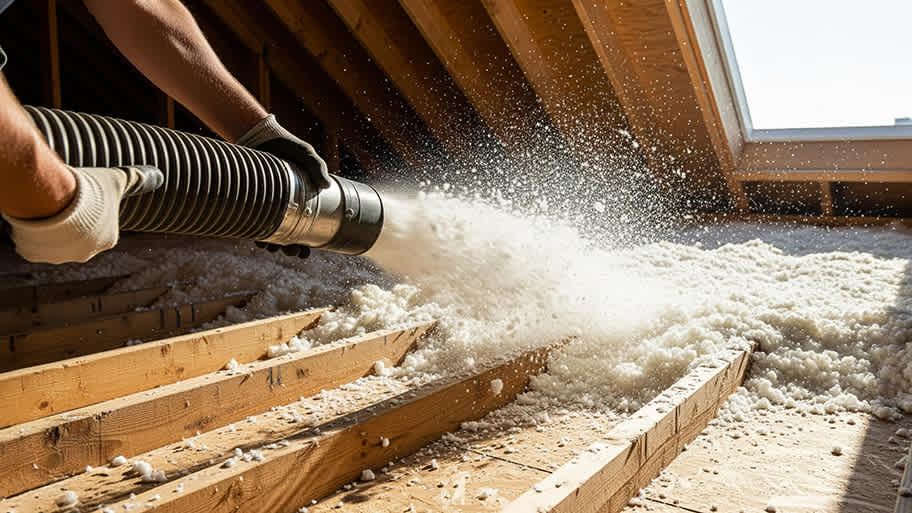
If you’re wondering what blown-in insulation is, keep reading to discover everything you need to know about this type of insulation for your home.