
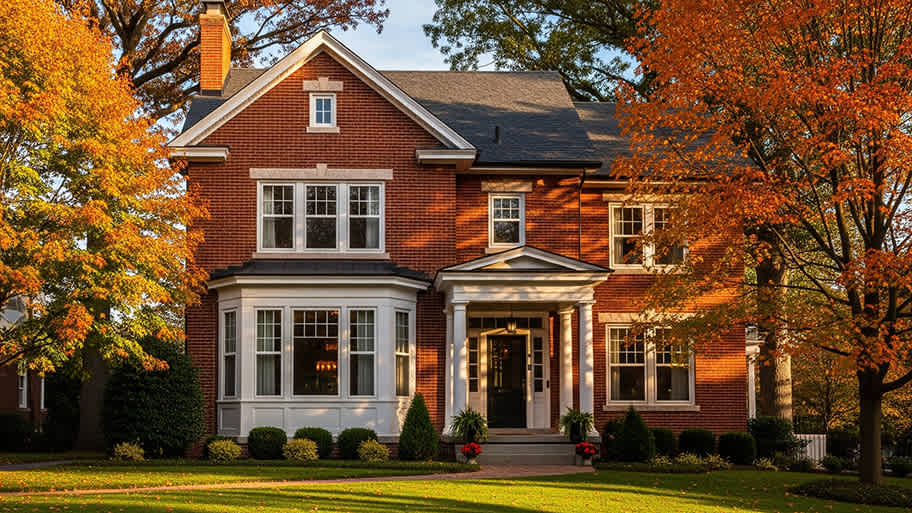
New insulation can make your home more comfortable and boost energy efficiency. Use this insulation cost guide to get an accurate estimate for the installation.
Here's why you should put mineral wool on the list when insulating your home

Mineral wool insulation is made from molten rock combined with stabilizers and recycled binders, giving your home a more natural insulation option.
Mineral wool materials cost $1.40 to $4 per square foot, while fiberglass runs $0.30 to $1.50 per square foot.
Your mineral wool batts press into the stud bay and stay put, and they feel far less irritating than fiberglass.
Hiring a local insulation company provides reliable help with mineral wool installation and helps your batts fit well for strong efficiency and sound control.
Mineral wool may be on your radar if you're looking into insulation options for your home. While mineral wool has some characteristics in common with traditional fiberglass, it's made from completely different materials. What is mineral wool insulation? Here's everything you've ever wanted to know about this popular insulation.
The mineral in mineral wool refers to the materials that are used to make this insulation. Mineral wool is made from blown rock strands. The mineral-based materials used to make mineral wool insulation include volcanic rock, slags, and ceramic. In order to create a cohesive product, manufacturers mix natural minerals with recycled binders. You might sometimes hear mineral wool referred to under the names of mineral fiber, stone wool, rockwool, mineral cotton, and man-made mineral fiber (MMF).
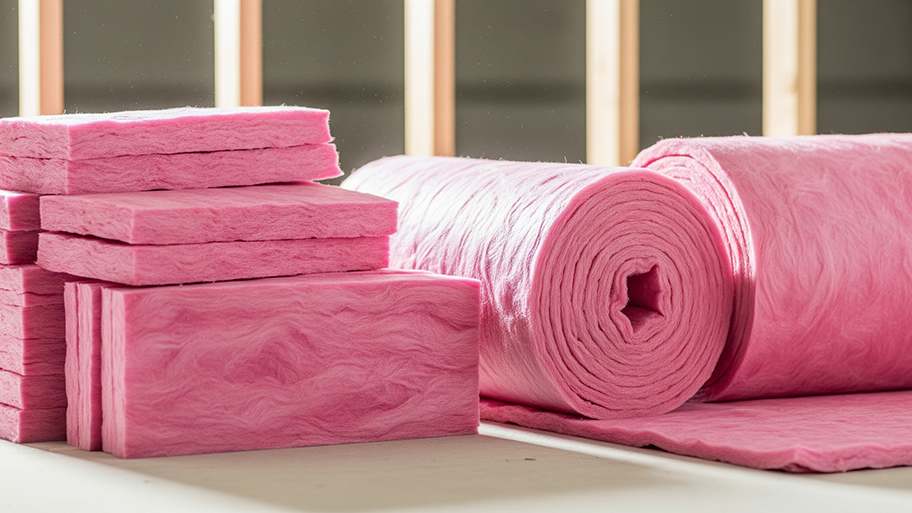
Mineral wool is generally sold as "blanket insulation." This means that it comes in batts. Batts are rolls of flexible fibers that you can cut to size. While batt lengths can vary by manufacturer, batts are generally sold in lengths of 20 feet to 50 feet.
According to Angi data, nearly 44% of homeowners report installing batt and roll insulation in their attics. Other common insulation locations include inside walls and ceilings.
Insulation R-value refers to a product's ability to resist heat traveling through it. It is measured in inches of thickness. R-value is extremely important when shopping for insulation for your home because it ultimately determines how efficient your home will be. Going with a low R-value can cause your home to have abnormally high energy bills. Your home may also be damp or drafty. What's more, allowing cold air into your home could result in damage caused by the freeze-thaw cycle that occurs in cold climates.
Mineral wool's R-value hovers at 3.0–3.3 per inch. Where does that place mineral wool's ability to prevent heat loss in comparison to other types of insulation? Fiberglass has an R-value of 3.5–3.7 per inch, spray foam has an R-value of 3.5–7 per inch, and loose fill/blown-in cellulose has an R-value of 3.5–3.7 per inch.
The cost per square foot for mineral wool can range from $1.40 to $4 for materials alone. However, standard mineral wool insulation costs between $1.40 and $3.10 per square foot on average. Generally, you will pay more for wool products with higher-than-average R-values. For comparison, the cheaper alternative of fiberglass costs closer to $0.30 to $1.50 per square foot.

Mineral wool is considered a premium insulation option for a home. This is a hardy, durable material that consists of mostly natural components. While mineral wool is slightly more expensive than some other alternatives, the price is still considered friendly enough for residential purposes. Here's a look at the pros to choosing mineral wool.
Due to the fact that it's spun from molten rock, mineral wool is one of the most natural insulation choices available to homeowners. In addition to using sustainable materials, mineral wool can also be safer than similar alternatives. It is considered far less irritating compared to fiberglass. It also produces less dust.
Mineral wool has a dense quality that makes it a great buffer. It has a strong resistance to airflow. In addition to offering great insulating power, this density also helps to prevent sound transmissions that can be disruptive in a home. That means that mineral wool should be on your radar if you're researching how to soundproof a room while updating your home's insulation.
One factor that inspires many homeowners to pay the slightly higher wool insulation cost is this material's superior fire resistance. Mineral wool won't burn at temperatures below 1,800 degrees Fahrenheit. This means that it can act as a fire barrier that slows down a house fire to give people and pets the opportunity to evacuate. For this reason, many people who own homes with multiple stories choose mineral wool. While using mineral wool should not be thought of as an alternative to other fire-prevention steps, it can definitely provide added peace of mind.
In addition to resisting fire, mineral wool also repels water beautifully compared to alternatives. Unfortunately, many types of insulation will soak up moisture that leaks into a home. This creates risks for mold, mildew, wood rot, and other structural issues that can have costly consequences. With mineral wool, the material itself also repels bacterial growth, mildew, and mold. Mineral wool can be counted on to keep a home dry. For this reason, it's worth looking at if you're shopping for insulation for a home in an area with heavy rains or persistent flooding.
One little-known benefit of mineral wool is that pests hate it! Unlike insulation materials that make burrowing easier, mineral wool simply isn't friendly to little creatures. Its harder, denser construction is simply too inhospitable.
Installing mineral wool insulation can be much easier than installing fiberglass insulation. First, there's the itch factor. As you may already know, fiberglass is made of an itchy, irritating material. It can cause skin irritation, red eyes, coughing, bronchitis, and asthma when it is handled directly. Mineral wool doesn't have the same itchy quality as fiberglass.
Installing mineral wool is also easier because of this material's construction. It can be installed using what professionals call an all-friction fit. That essentially means that you can just push your mineral wool batts into place! Many people compare cutting mineral batts to cutting through bread. After cutting your mineral wool into your desired dimensions, you'll simply wedge it into the space for a secure and tight fit. Another benefit is that it only takes a sharp blade to easily cut pieces.
While mineral wool comes with a long list of benefits, it's important to take every factor into consideration. Like all insulation types, mineral wool comes with both pros and cons. Here's a rundown of some of the cons.
Mineral wool costs more than fiberglass. Due to its higher price, mineral wool can also be a little harder to find compared to options that are always in stock at local hardware stores. That means that you may have fewer options when you use a local supplier to obtain mineral wool. You may also need to wait for products to come in after you order them. Fortunately, insulation companies often have direct channels that allow them to source tailored options for their clients relatively quickly.
Mineral wool is stiff and heavy compared to fiberglass. For this reason, professional installation is recommended. Many homeowners don't realize just how heavy mineral wool insulation can be until they try to lift it on their own! What's more, each cut must be done with precision in order to optimize the insulating power of this material.
Mineral wool insulation doesn't generally require a vapor barrier. This can make installation both easier and less expensive. However, local code requirements may mandate that you install a vapor barrier with your insulation. This generally only applies in non-residential buildings contained within high-moisture environments. If you're uncertain about what's required at your home, consult with an insulation professional to ensure that the project is being done correctly!
What is mineral wool insulation used for? Mineral wool can perform beautifully in a variety of different areas throughout a home. Due to its soundproofing qualities, mineral wool is commonly used when insulating interior walls, ceilings, and floors. Mineral wool batts can be placed in the joists between floors in order to prevent sound from transmitting "through the ceiling." The same concept applies when using mineral wool between two rooms.
Mineral wool is also commonly used for attic, duct, pipe, and roof insulation. Its non-combustible properties help to make mineral wool a terrific insulation option for areas with mechanical or electrical components. What's more, the sound-absorbing qualities of this insulation can make it ideal for areas of the home with noisy pipes or ductwork.
The case for using mineral wool in your home is pretty compelling. However, you don't always have to spring for mineral wool to get your goals met. The good news is that local insulation companies will actually visit your home to offer custom assessments that can help you choose the right type of insulation based on your home size, your local climate, and your budget.
If you’re good people wanting to do business with good people, hire Matt. He is a consummate professional and utterly competent. He installed a water heater in my home at a price that beat competitors by hundreds of dollars with a promise to support the unit for its life (even after its 6 yr...
 Greene's Plumbing Services
I would recommend this company to anyone! He showed up on time, was friendly, completed a very difficult repair on our dryer vent cover, was responsive, and pricing was extremely fair and competitive. I would have him back to do any of our repairs or cleanings without hesitation!
 U.S.A. Dryer Vent, LLC
Best cleaning I've had at my property
I conferred with 2 other contractors before Armstrong Electric. Nick and his crew showed me that the project was not as convoluted as the other contractors made it appear to be. They completed the entire project on time. They were professional, friendly and cleaned up after at completion. I...
 ARMSTRONG ELECTRIC, LLC
Our exterior looks brand new thanks to Custom Paint Jobs LLC. Theyre the best in town!
 Custom Paint Jobs, LLC
Excellent experience with hiring Tether House to Mount our 77’ Samsung TV in our bedroom. Fast, friendly, and knowledgeable. Highly recommend.
 Tether House
The techs on my project, Shawn and Cliff, were great. They were prompt, courteous, and efficient. I am very happy with the results and would definitely contact Mr. Electric for any future electrical projects.
 Mr. Electric of Columbus
We had our houses windows and back door replace this summer by Window Depot USA of Central. He gave us grate advise and saved my family lots money. The team did a fantastic job with installation. If you need help, they sure get job done right!
 Window Depot USA of Central Ohio
Beginning with the estimate, Larry and Peyton were super helpful in getting my new condo's interior re-painted. Not only was the job well done, but also done in a super timely manner as promised.
 Five Star Painting of Plain City and Powell
Great job...edging and pre clean up went well with a great job with seal coat. Friendly, efficient and professional.
 All Star Paving and Sealing
From average costs to expert advice, get all the answers you need to get your job done.
New insulation can make your home more comfortable and boost energy efficiency. Use this insulation cost guide to get an accurate estimate for the installation.
Crawl space insulation costs vary by size, insulation type, and material. Read this guide to learn how much your crawl space insulation could cost.
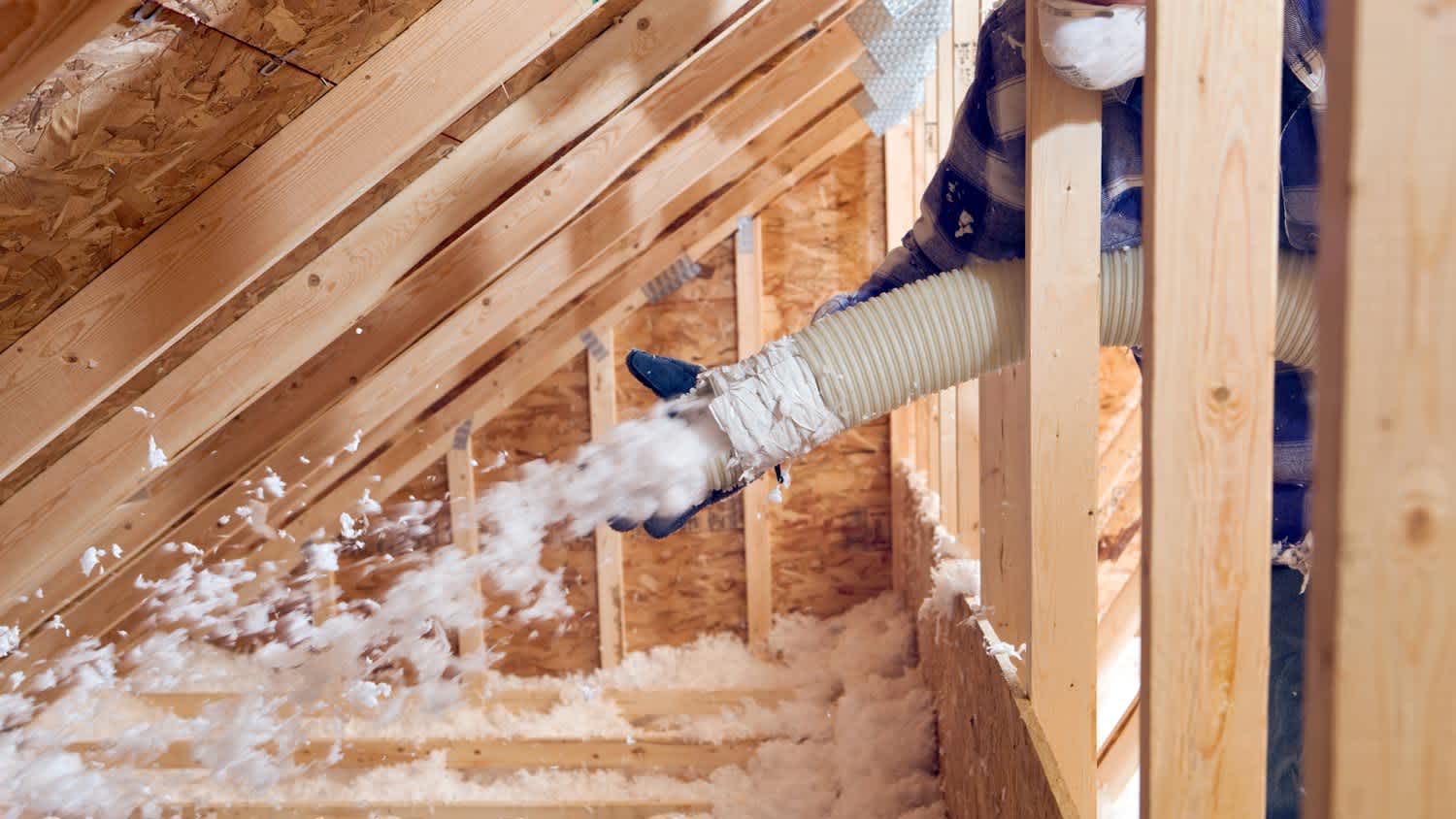
Learn the key factors that influence the cost of renting a blown-in insulation machine.
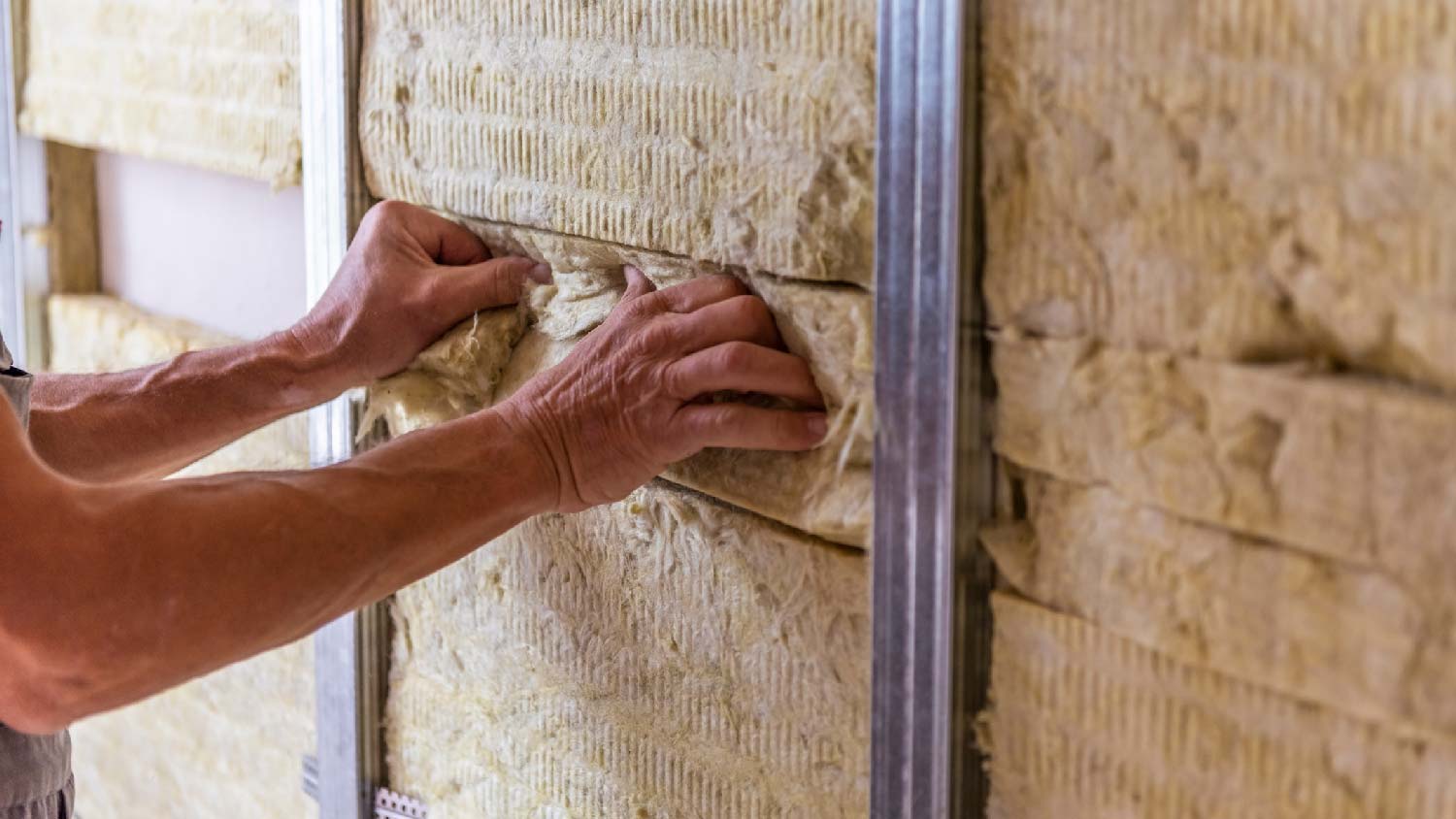
Proper insulation is a win for your home, health, and energy bills. Between rockwool and fiberglass, which insulation comes out on top? Let’s find out.
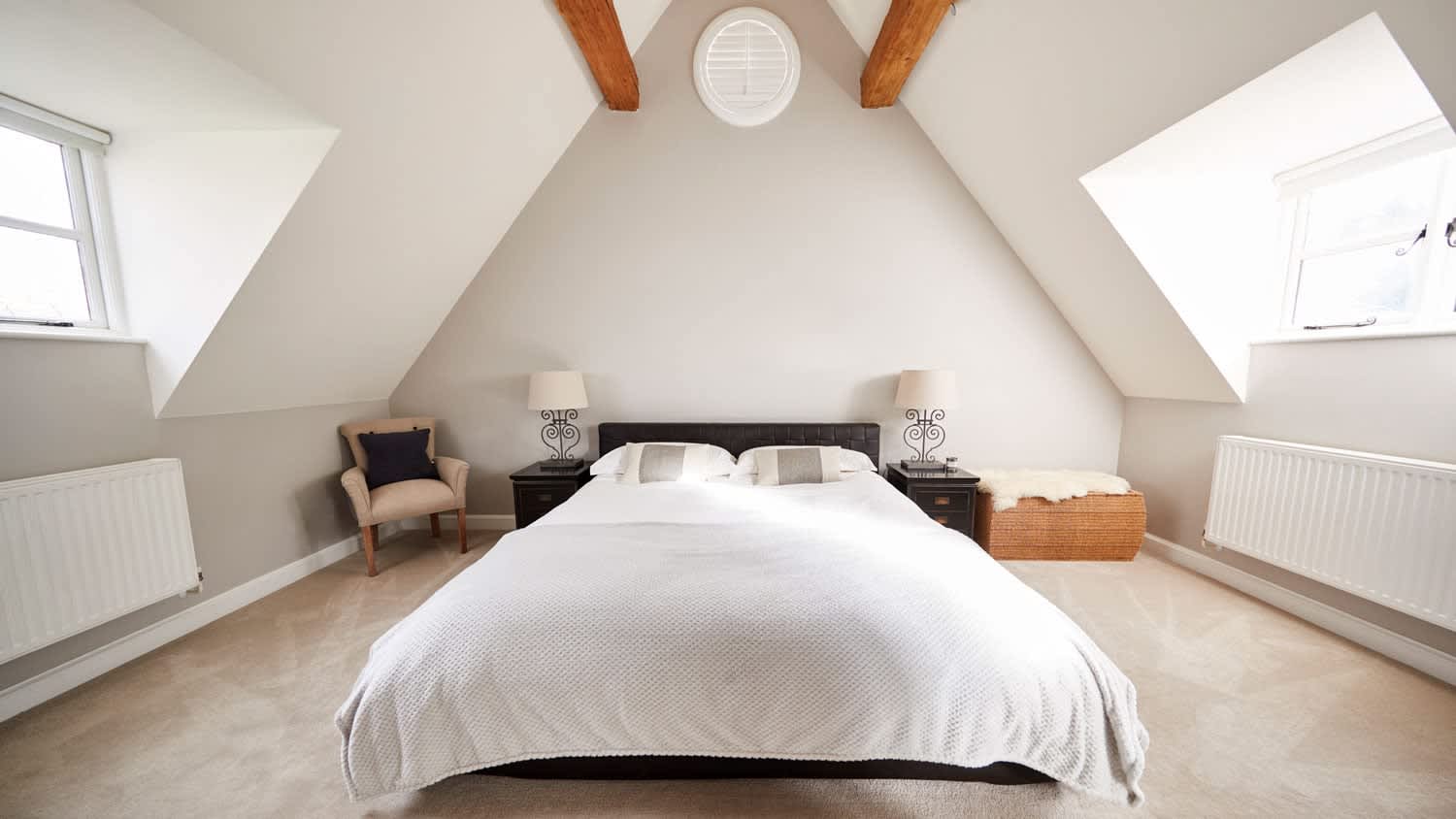
Wool insulation offers a higher R-value than fiberglass but is more expensive. Use this guide to estimate wool insulation costs for your home.
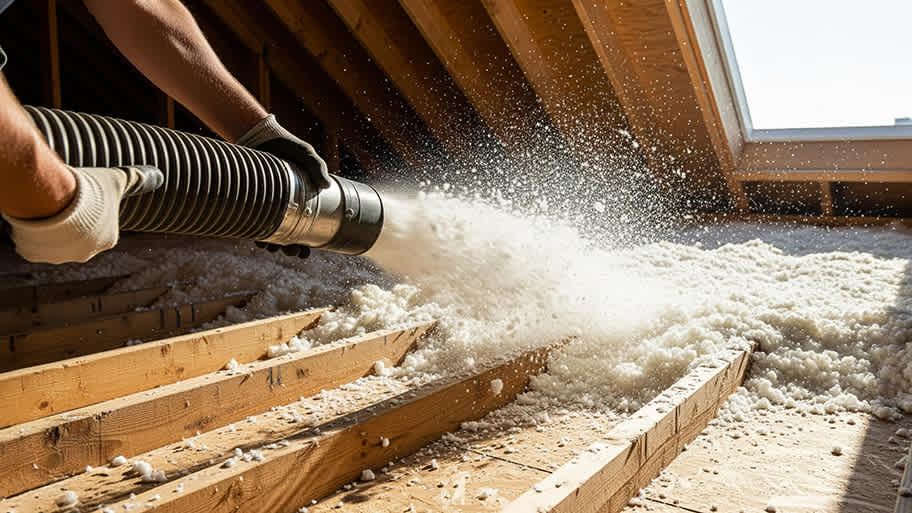
If you’re wondering what blown-in insulation is, keep reading to discover everything you need to know about this type of insulation for your home.