
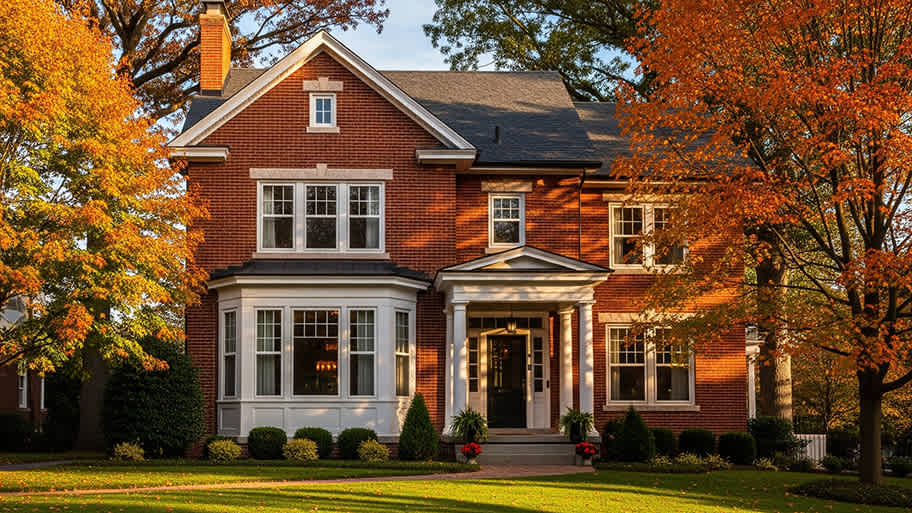
New insulation makes your home more comfortable and boosts energy efficiency. Use this guide to budget for insulation installation costs in Houston, TX.
Insulation service costs depend on your project and location. Check with a local pro for your specific job.

Houston’s blown-in insulation costs are 3% lower than the national average.
Costs depend on the size of your home and R-value required.
Houston homes are the second-largest in the country, which can drive up costs.
You don’t have to budget for permits or sales tax on labor in Houston for this project.
Insulation can save Houstonians an average of $300 a year on cooling costs.
Blown-in insulation costs in Houston are roughly 3% lower than the national average price for this type of insulation installation. This is closely aligned to Houston’s overall cost of living, which is about 6% lower than the U.S. average. The average Houstonian pays $1,578 to have blown-in insulation professionally installed, but prices often range from $1,040 to $2,122 in this part of the Lone Star State. The investment can pay off, especially given Houston’s average high temperatures in the summer, as you can expect significantly lower cooling costs after installation.
The cost of blown-in insulation in Houston depends on several factors, including the size of your home (Houston has the second-largest homes in the U.S., which can drive up blown-in insulation costs if insulating the entire house), the R-value, and the type of insulation.
The biggest cost factor is the size of the area that requires insulation. A larger area requires more insulation and labor, increasing the overall price. This metric is calculated by multiplying your square footage by the cost per square foot of your chosen insulation materials, which are detailed below. However, a general range for blown-in insulation per square foot is $1.70 to $7.30 depending on the type.
| Area in Square Feet | Blown-in Insulation Cost Range |
|---|---|
| 500 | $850–$3,640 |
| 1,000 | $1,700–$7,280 |
| 1,500 | $2,550–$10,920 |
When measuring the efficacy of any insulation material, it all boils down to the R-value. Generally speaking, higher is better, though there are two metrics to consider. There’s the overall R-value and the per-inch R-value. For example, if you want a total R-value of 30, you’ll need ten inches of insulation at an R-value of 3.0 per inch. Materials with higher R-values cost more, like sheep’s wool, but you don’t need as much material to complete the installation.
Below is a breakdown of R-values and the corresponding prices:
| R-Value | Number of Bags per 1,000 sq. ft. | Description | Price Range |
|---|---|---|---|
| R-13–R-21 | 7–10 | This is the ideal R-value for walls in Houston. | $225–$320 |
| R-30–R-49 | 15–20 | This is the ideal R-value for attics in Houston (R-30 to R-60). Floors are slightly lower, ranging from R-25 to R-30. | $485–$1,550 |
| R-38–R-49 | 20–26 | This is the ideal R-value for attics in Houston (R-30 to R-60). | $1,260–$1,550 |
| R-49–R-60 | 26–32 | This is the ideal R-value for attics in Houston (R-30 to R-60). | $1,550–$1,940 |
The cost to install blown-in insulation depends on the type of insulation you choose for the project. Anticipate spending anywhere between $0.50 and $2.25 per square foot for materials, not including installation. Below is a breakdown of each blown-in material type and how much it costs.
| Type of Blown-In Insulation | R-Value per Inch | Average Cost per Square Foot |
|---|---|---|
| Fiberglass | 2.5 to 3.5 | $0.50 to $1.05 |
| Wet-spray cellulose | 3.2 to 3.7 | $0.60 to $1.75 |
| Dense-pack cellulose | 3.2 to 3.7 | $1.95 to $2.25 |
| Rockwool | 3.0 to 3.7 | $1.35 to $2.05 |
| Natural wool | 3.5 to 3.8 | $1.45 to $3 |
A core part of blown-in insulation costs in Houston (or any city across the U.S.) is the labor. On average, wall insulation labor costs between $0.25 and $0.50 per square foot, but this can vary widely. Obtain quotes from at least three Houston insulation companies to gain a better understanding of the cost.
Here are some other labor-related costs to consider:
Permits are generally not required in Houston when installing blown-in insulation to your existing home, though you will need permits for larger renovation projects and new construction, both of which may include installing insulation. If you’re not positive whether you need a permit, ask your contractor.
In Houston, you don’t have to budget for sales tax on the labor cost of the installation. Houston does not tax labor for repairs and remodels for residential properties.
Blown-in insulation is a great way to increase the value of your Houston home. Because of Houston’s humidity, heat, and extreme weather, potential buyers are interested in homes that are energy-efficient and can remain cool (affordably) during the hot Houston summers.
But you’ll do more than increase your home’s value when it’s time to sell. Adding blown-in insulation to your home means you’ll enjoy reduced energy bills for as long as you remain in the house. On average, insulation reduces energy costs by 15%.
Given Houston’s average monthly electric bill of $168, homeowners can save approximately $25 per month, or $300 per year, on cooling costs.
Home is the most important place on earth, which is why Angi has helped more than 150 million homeowners transform their houses into homes they adore. To help homeowners with their next project, Angi provides readers with the most accurate cost data and upholds strict editorial standards. We survey real Angi customers about their project costs to develop the pricing data you see, so you can make the best decisions for you and your home. We pair this data with research from reputable sources, including the U.S. Bureau of Labor Statistics, academic journals, market studies, and interviews with industry experts—all to ensure our prices reflect real-world projects.
Want to help us improve our cost data? Send us a recent project quote to [email protected]. Quotes and personal information will not be shared publicly.
Anthony worked with me scheduling around the roofers so I got the old out before the new roof and then we put the new insulation in.
 Attic Texas
Atticair made attic insulation a breeze! After experiencing inconsistent temperatures in my home, I knew it was time to upgrade the insulation in my attic. Atticair was recommended by a friend, so I reached out to them for an assessment. Sahar, the technician, arrived promptly and...
 Attic Air
I had a raccoon that was living in my attic and this company came out and trapped the raccoon for me. Iâ m very appreciative for how professional they were and the time they took to repair the damage this animal made to my roof. They also took care of my insulation that the raccoon...
 Nolan Wildlife Control
In general I have had good experiences with my HomeAdvisor recommended contractors. Dr. Foam was timely with providing estimates and information and most of all options. They also did not apply any sales pressure and let the products and services speak for themselves. They showed up on-time...
Brady was nice, polite, punctual, educational, responsive, thorough; readily available to answer additional questions to provided educational information, verify what I had learned myself from researching, reassure how his process aligned and met, if not more than met, industry standards. ...
 James’s handyman service
Went well - they were on time early in the morning - put paper on my floors and were very careful not to damage or dirty any of my interior furnishings. The attic was completely clean and I had my electrical work and then they sprayed in the new insulation and also into my walls – very happy...
 Payless Insulation
Our experience with Comfort Air Experience was not the worst, but it was close. Do not get me wrong - they did not burn our house down, we were not robbed, or held at gunpoint, but the quality of their service could not have been worse. The initial phone consult was great. Good...
 Comfort Air Solutions
It's a family business that thrives on maintaining their well-deserved great reputation. I hired them for insulation installation in my attic. I noticed a difference within a few days and noted my A/C units were not working as hard. They drew up a plan for insulation in my home crawl space...
 Insulation JB
Ramy is fantastic. Very kind, thorough and professional. He and his team did a great job with our insulation and made sure we were involved and knew what was happening.
Great price, value and follow up. I would recommend 5 Guys Insulation in a heartbeat. I will be using them again in the future.
 3 Guys Electric & Insulation
From average costs to expert advice, get all the answers you need to get your job done.
New insulation makes your home more comfortable and boosts energy efficiency. Use this guide to budget for insulation installation costs in Houston, TX.
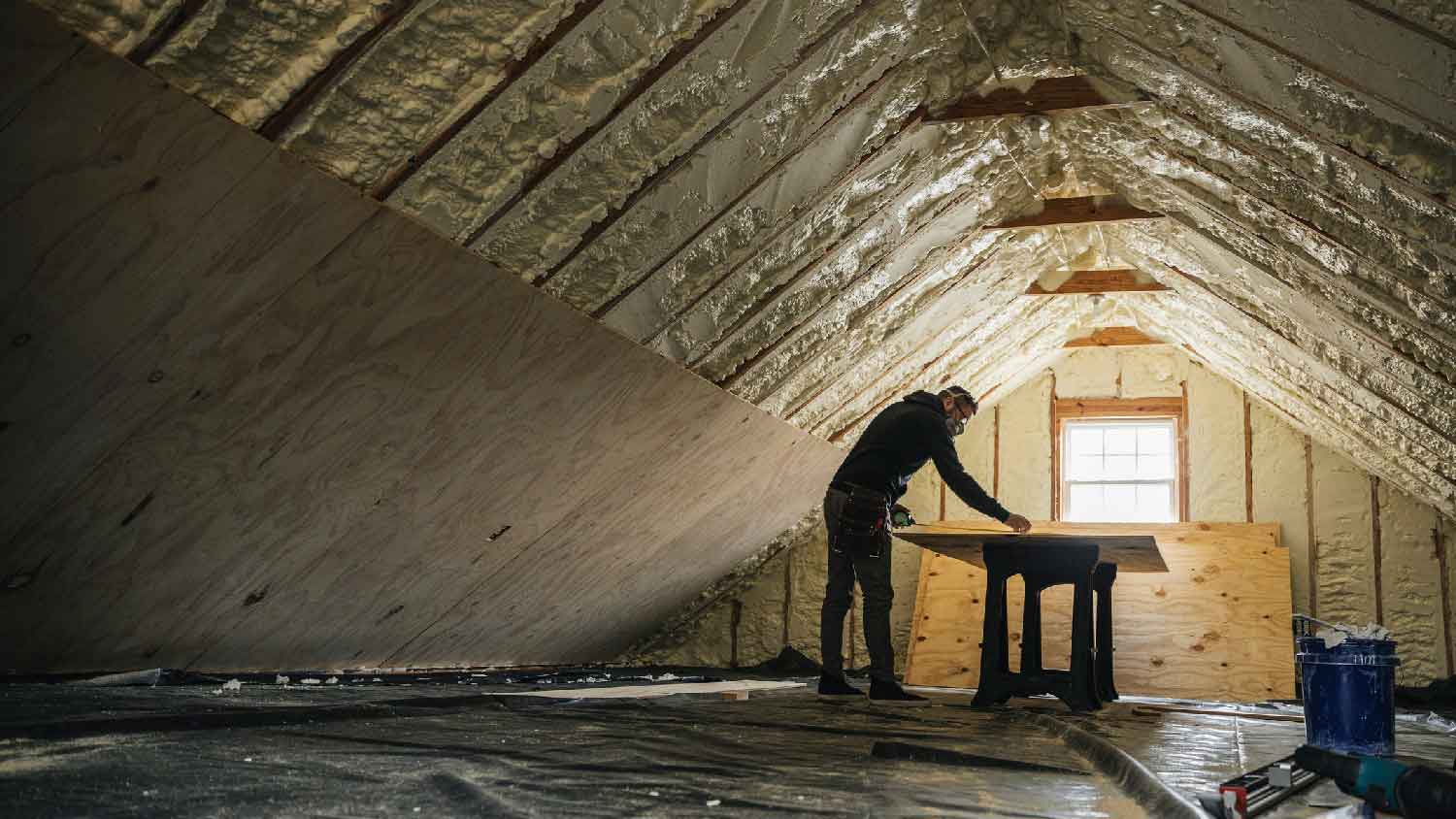
Your attic insulation removal cost in Houston, TX will vary based on multiple factors, including why you're removing it and how easy it is to complete the task.
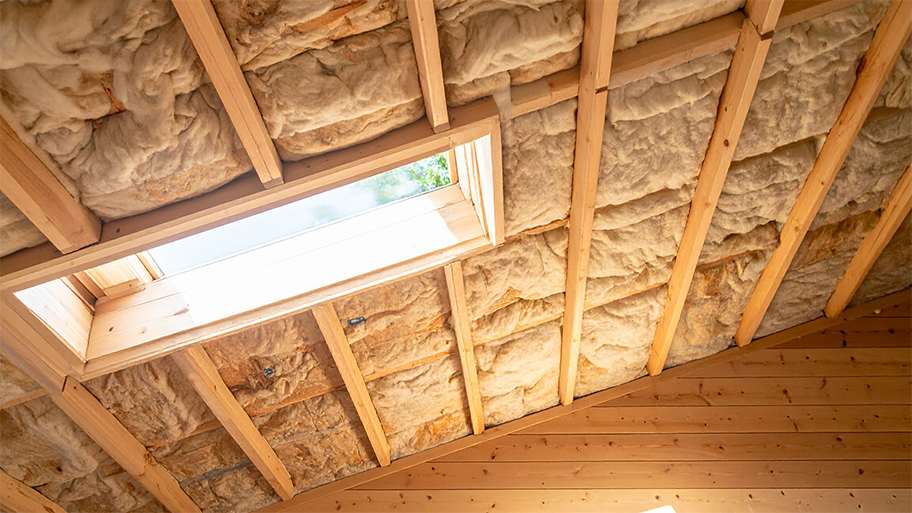
Insulating your attic can improve your home’s efficiency and reduce electric bills. Use this guide to find out what attic insulation will cost you in Houston, TX.
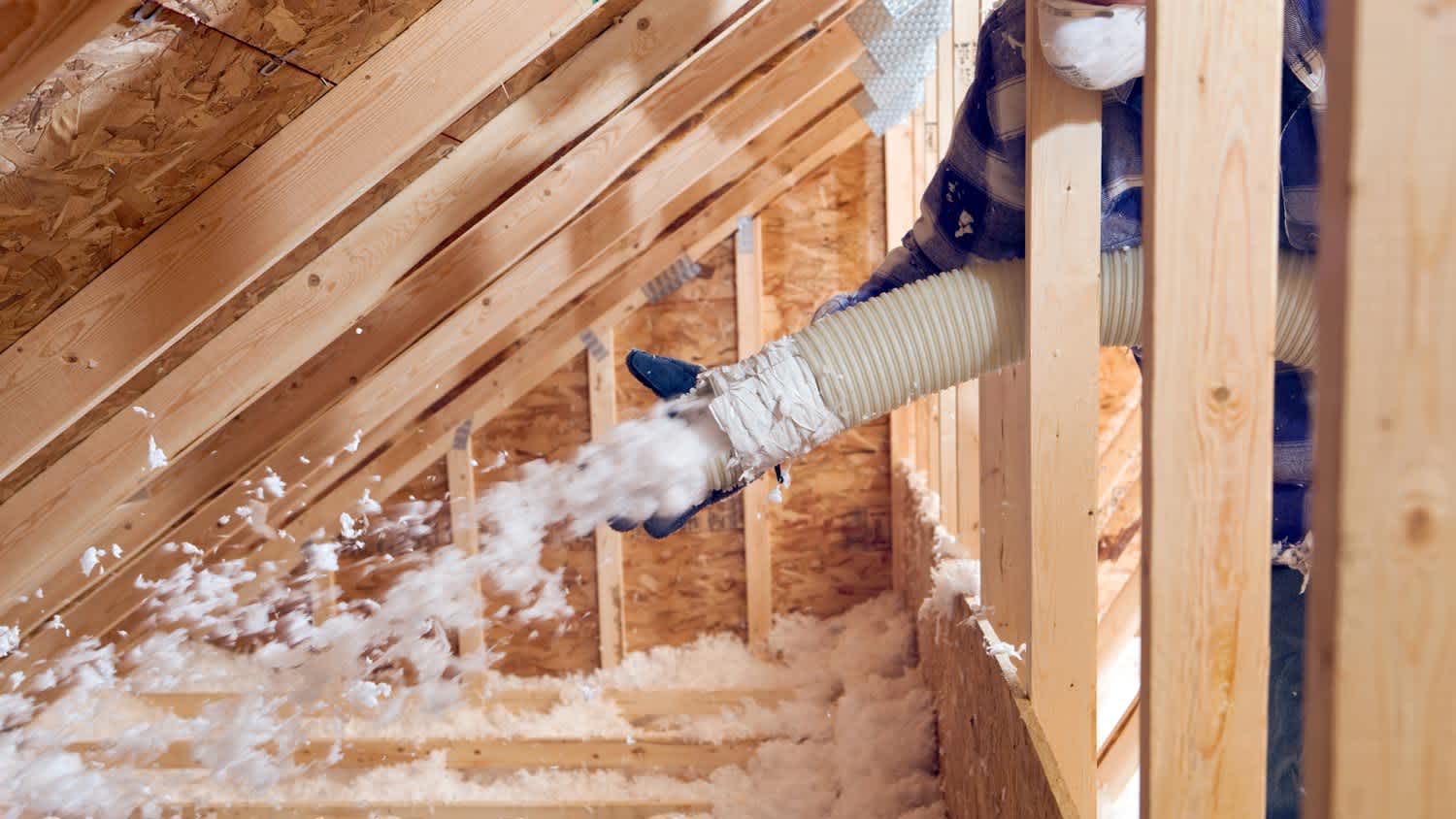
Are your energy bills spiking or rooms feeling drafty? Learn about blown-in insulation installation costs, urgency signs, and how to hire a local pro.

Remove blown-in insulation from your attic safely and efficiently by following this step-by-step guide and prep for your attic remodeling project.
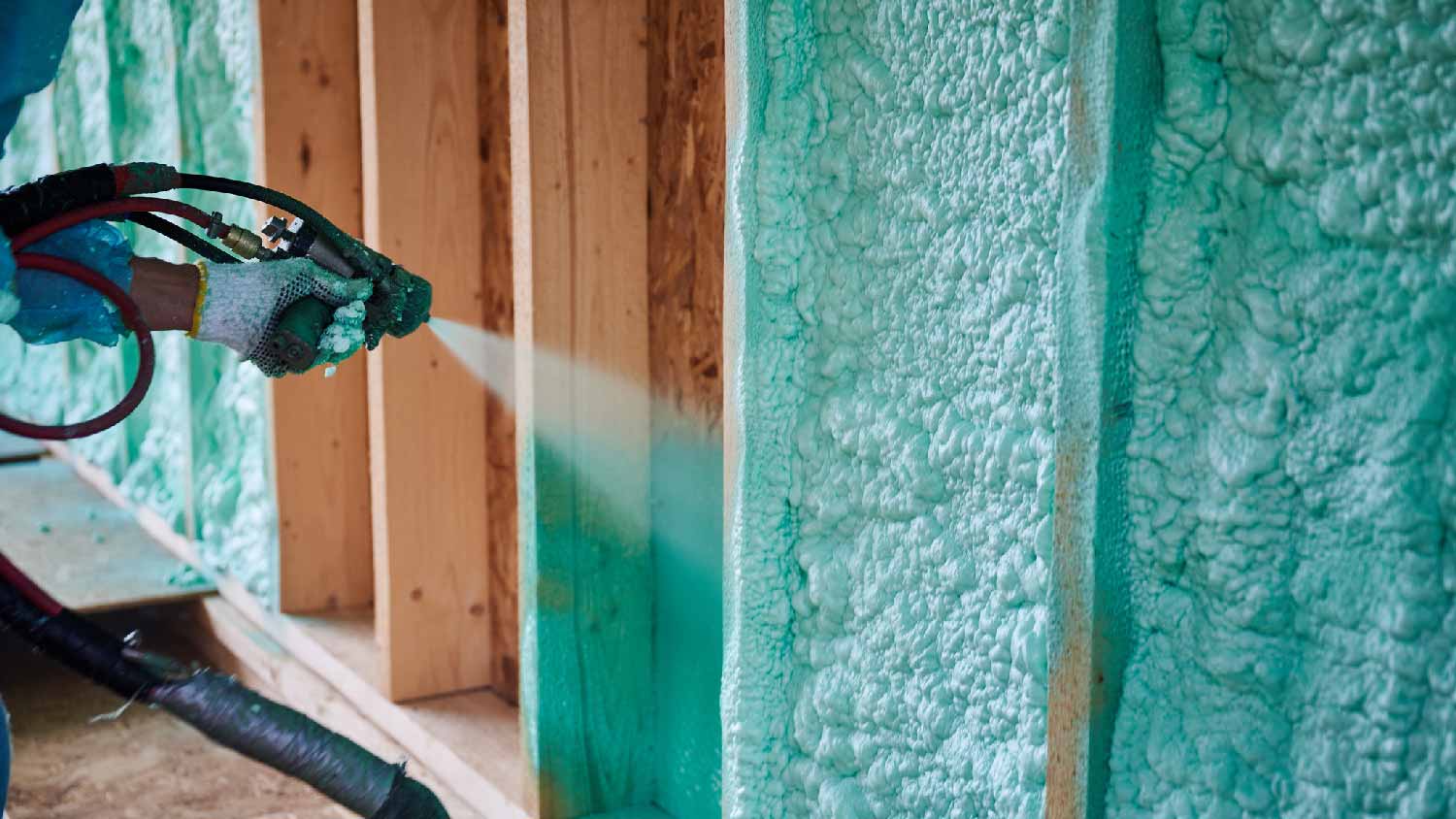
Are you stuck trying to decide between blown-in insulation and spray foam insulation? Factors like your budget and local climate will help you pick the right one.