
•
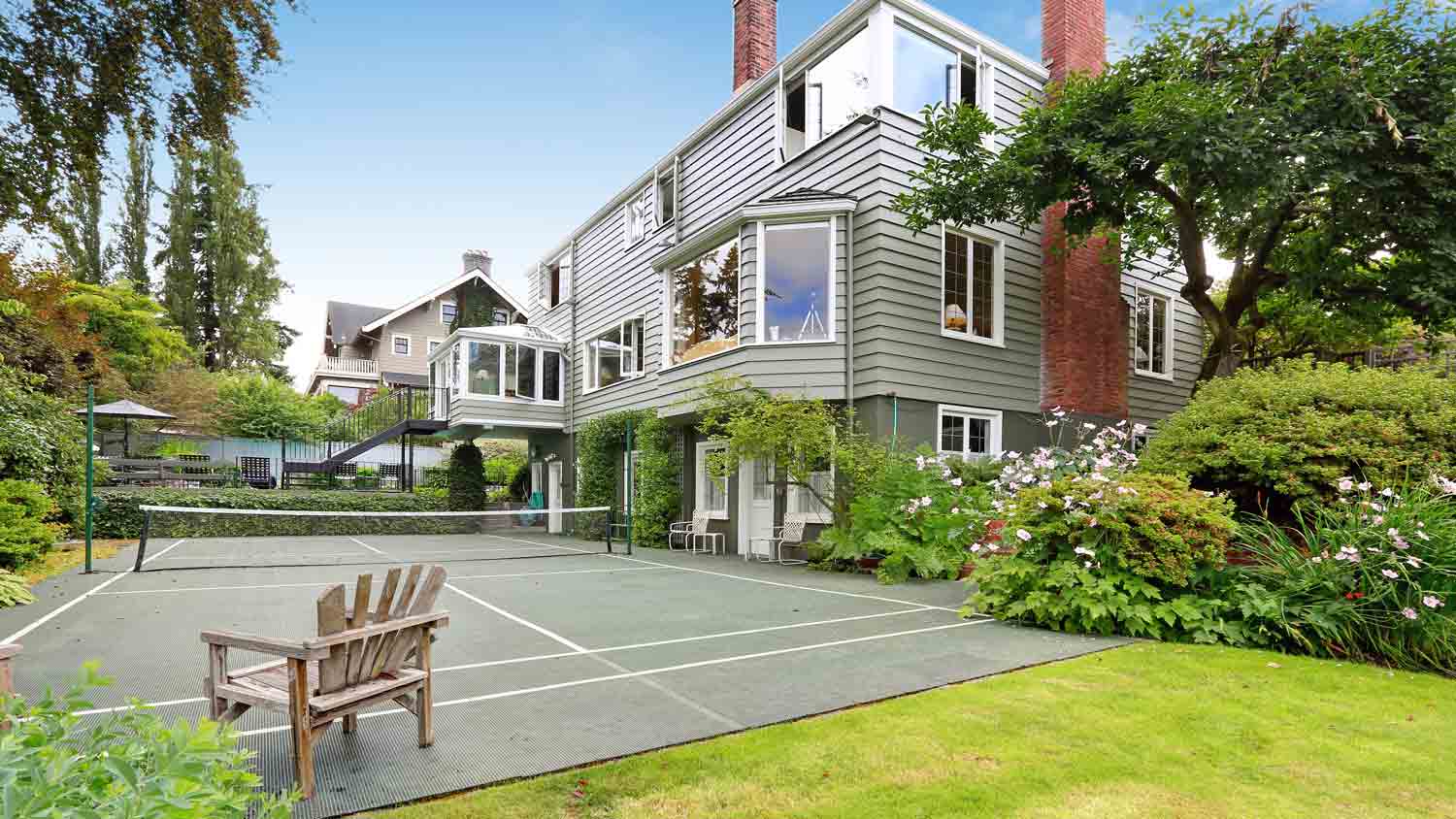
Discover the cost to install a backyard multi-sport court, including average prices, key factors, and tips to save. Plan your project with our breakdown.
Banish soggy soil and puddling patios with smart landscaping and drainage solutions

Backyard flooding after heavy rain comes from poor yard grading, compacted soil, blocked drains, and impermeable surfaces like driveways that prevent water absorption.
Rain gardens reduce yard flooding by capturing runoff and allowing 30% more water to soak into your soil than standard grass cover provides.
Trees with extensive root systems help stop your yard from flooding by absorbing up to 80% more surface water than asphalt or concrete surfaces.
Hiring a local arborist professional provides expert guidance on selecting flood-tolerant tree species and proper placement to protect your home from water damage.
It’s a nuisance when poor lawn drainage results in flattened flower beds and dying grass. And stormwater runoff in your yard often leads to more serious issues, such as soil erosion, foundation damage, and waterway pollution. Standing water also makes an ideal breeding ground for pests, molds, and pathogens.
Luckily, you can mitigate these issues with a little pre-planning. With the trend for more frequent and intense precipitation set to continue because of climate change, these wide-ranging backyard flooding solutions couldn’t be more timely.
You don’t always need to take on the cost of a professionally installed landscape drainage system. Rain gardens are practical and attractive additions to any yard prone to flooding. They're simple to create and promote the growth of native, flood-tolerant perennial plants. According to the Groundwater Foundation, rain gardens allow for 30% more water to soak into the soil than a standard lawn cover.
Set up the plant-filled shallow depression at least 10 feet away from your home's foundations and septic tank. Select a spot where the runoff from your downspouts, roof, and other hard surfaces flows to. The captured water then percolates through the well-drained ground (often a mix of sand, topsoil, and compost).
Planting a tree or two in your yard comes with many benefits, including that they can help reduce flooding. According to the Woodland Trust, trees minimize surface water runoff by up to 80% more than asphalt. Their extensive root systems help water absorb deeper into the ground, and their canopy slows and reduces the amount of rain hitting the ground through interception and evaporation.
Trees such as river birch, black tupelo, and red maple are good examples of species tolerant of soggy soils. Contact a local certified arborist for more advice if you’re unsure what tree is best for your space and conditions.
A heavy mulch, such as wood chips, is a great way to help absorb excess water in your garden. Light mulch won’t suck up as much moisture, and it can get washed away during floods—you’ll have a bigger cleanup job, and it can create further problems by blocking drains.
Keep the mulch at least 6 inches away from the edge of your home, as you don't want moisture spreading into your walls and foundation.

Loamy and sandy soils drain better than heavy clay. Adding a 2- or 3-inch layer of loose organic matter, like compost, bark, sawdust, or leaf mold, helps break down dense soils.
Neglecting lawn care leads to a build-up of thatch (a thick layer of dead leaves, stems, and roots mixed with living grass) and compaction. Regular dethatching and aeration to loosen compacted soil is a simple task that helps reduce the puddles forming on your lawn.
Sometimes flood water gathers because the grading of your yard isn’t optimal. Leveling out the slopes stops pools of water from developing. Regrading your garden tends to be a big job best left to a local landscape grading contractor. Still, it might be worth the investment, especially if the water flows towards your home’s foundation.
Like a rain garden, a swale is a depression in your landscape where water gathers. The difference is that ditch-like swales follow the slope's contours to slow and redirect the water, allowing it to escape into a more appropriate place.
Your impermeable driveway could be one of the biggest drivers of flooding caused by stormwater runoff. While adding additional yard drainage helps, if you rarely use the driveway and you already need to replace it, why not consider better-draining gravel, spaced paving, grass cover, or a wildflower garden instead?

There are plenty of benefits of adding a rain barrel to your yard. You can conserve water, lower utility bills, reduce erosion, and effectively collect water to use in your garden via downspouts without spending too much.
And, there are no worries about runoff from your roof causing floods because of blocked drains or improper grading. Just make sure to check the levels regularly, especially after a big downpour—you don’t want water cascading uncontrollably over the side of the barrel back into your garden.
Regularly raking and clearing your yard and checking drains are kept clear helps to reduce the chance of pooling water. Leaf litter and other yard waste can gather around storm drains, leading to flood-causing blockages.
French drains aren’t just there to prevent basements from flooding. Simple outdoor versions, also referred to as trench drains, work by digging a long, narrow ditch complete with perforated piping surrounded by gravel. This process directs water away from your property and landscape to a lower, more suitable place.
If you don’t already have one, it might be possible to install a French drain yourself, but always call 811 to make sure you don’t cut across utility lines. Alternatively, get in touch with a French drain professional near you to ensure the job is done right.
These large, underground, out-of-sight containers have a strategic position at the lowest part of your yard to allow water to collect. Then, they will slowly release the water rather than allowing it to spill out uncontrolled across your landscape.
However, if you’ve got poorly draining soil, your yard might not be a good candidate for a dry well. Plus, they’re a considerable investment benefiting from hiring a local drainage contractor. Either way, a visit from one of these pros can help you decide if this is a good option for you.
If your yard often feels more like a swimming pool, you may want to consider hiring a local pro to install an exterior sump pump. The pump goes into the ground in an area where the water gathers. It then lifts and discharges it into a more appropriate space. Sometimes this is into a well-drained area in your yard that flows downhill (away from your and neighbor’s homes).
There it percolates slowly into the ground, or you can collect it for later use (in a rain barrel). Often the water is redirected to an exterior storm drain, but it should never drain into city sewer lines. This is illegal in many states as it can overwhelm the system when rainy weather arrives.
While this can be a particularly pricey option, it sure beats dealing with a soupy lawn.
Try to minimize shade in your yard to help it dry out after a rainstorm. Shaded yards take longer to dry after heavy rain and snow, because the shade blocks sunlight that helps evaporate moisture. You can cut back on shadiness by trimming tree branches. Another option is to replace your grass with artificial turf, so it holds less water.
Install patio and walkway drains to prevent water from collecting. These trend drain systems typically go along the base of a wall or step to help redirect water away from the hardscape. Standard patio and walkway drains use removable grates that do the job effectively. These drains will not only help prevent flooding in your yard, they'll also help direct water away from your home and foundation.
Rain barrels are 55-gallon containers that collect and store precipitation that drips down from your gutters and downspouts. There are many benefits to installing a rain barrel, not the least of which is flood prevention. Every gallon of precipitation that collects in a rain barrel is a gallon that isn’t soaking your yard. Another perk—once you’ve collected the free rainwater in your barrel, you can use it for other household tasks.
Custom Paint Jobs LLC made our home feel like a piece of art. Thank you for your creativity!
 Custom Paint Jobs, LLC
Window Depot did an amazing job on my deck. I wasnt sure what I wanted to do, but their composite decking was affordable and will last a long time. I am excited to have family over, and I am no longer embarrassed by my backyard. Jeff and the ground crew were polite, respectful, and caring for...
 Window Depot USA of Central Ohio
First of all, the gentleman I dealt with (Cam?) was very responsive to my many questions and concerns throughout the project, which is a huge plus to me. From the first time I met him for the estimate all the way til the completion of the job, he and his crew were professional and respectful....
 All Star Paving and Sealing
We had a 20+ year old landscape lighting system that needed replacement. Midwest Lightscapes worked with us to design a much improved lighting system, lighting the exterior of the house and the back yard. Installation of the 45 light system took one and one-half days, and went very smoothly....
 Midwest Lightscapes
Another great success for me on home advisor. This company did an awesome job on my landscaping and stayed within my budget. The best part, the work was complete within 2 days of my initial request. Professional and responsive. I highly recommend!
 Blue Ring Residential Services, LLC
The company no showed on me twice. The 2nd time was no call no show. They were responsive to set up the first appointment to perform the "landscape cleanup". 3 hours after their initial scheduled appointment time they called me to let me know they had some "problem" with the truck and their...
 Ruby Home and Hauling Services
Received ideas for future landscape plans...quote to do the work seemed a bit high but I did not have any other quotes to compare it to, so perhaps that is the going rates. <br />
 Landscapes By Terra, Inc
All around they have done a really great job. <br /> I have used JL Landscapes for the past 8 years. I own and operate my own commercial/residential real estate company where we own, operate, and maintain our own properties. JL Landscapes has been our exclusive landscaper for both our...
 J.L. Landscapes
Bought a half a cord of firewood from Pitzer with stacking last month. I waited to report so I could see how the wood burned. <br /> <br /> I have three pet peeves regarding landscapers, but Pitzer scored "A"s regarding all three. First, rather than having customers "leave a message" and...
 Pitzer Landscaping
I left a message on Sunday requesting to schedule a time to obtain an estimate/walk-through and received a return call in the morning of the following Monday. Mark worked with me and agreed to schedule the estimate/walk-through for the following Saturday. When Mark arrived for the...
From average costs to expert advice, get all the answers you need to get your job done.
Discover the cost to install a backyard multi-sport court, including average prices, key factors, and tips to save. Plan your project with our breakdown.

Dishwasher flooding has several common causes, including overfilling, cracked components, and clogs. Here are five ways to fix your overflowing dishwasher.
Why is my wash machine flooding when on hot water? Discover why this common problem happens, what you can do about it, and who to call to fix it.
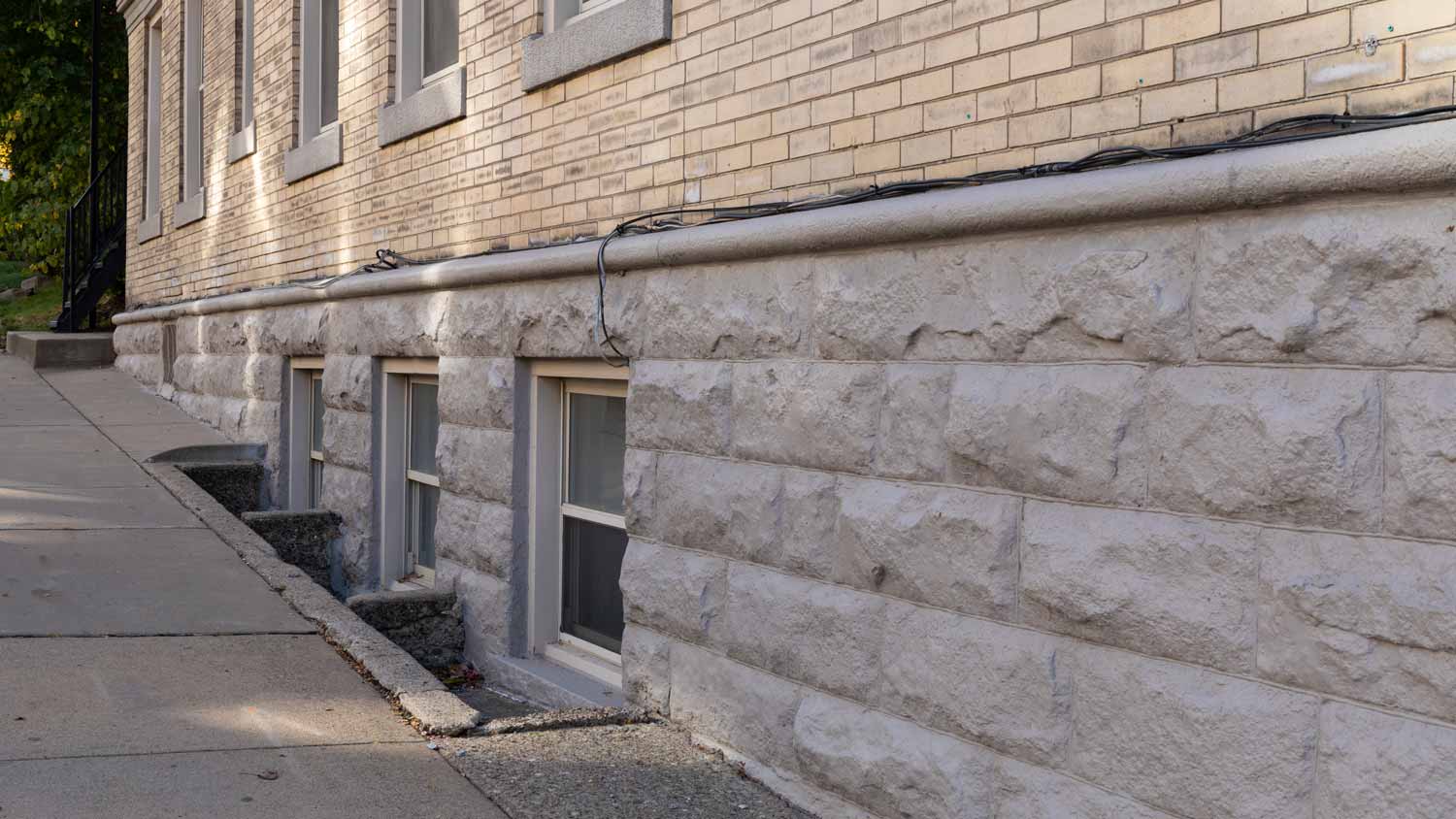
Basement flooding could be a sign of window well drainage problems. Here are some common window well drain issues and the next steps to fix them.
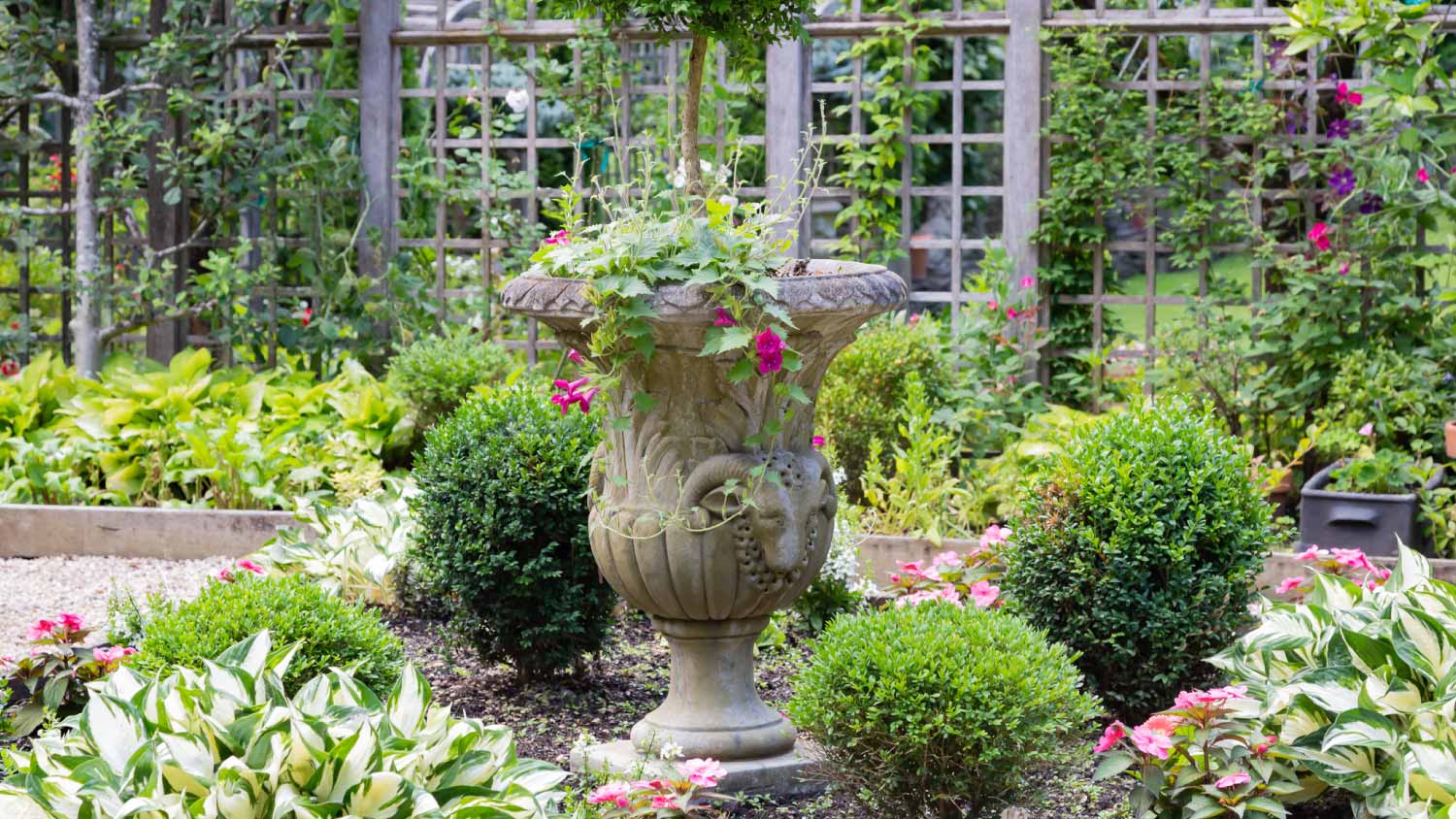
If you want to know how to create privacy in a backyard without a fence, then you’re in luck. There are a variety of options that require minimal skill and cost.
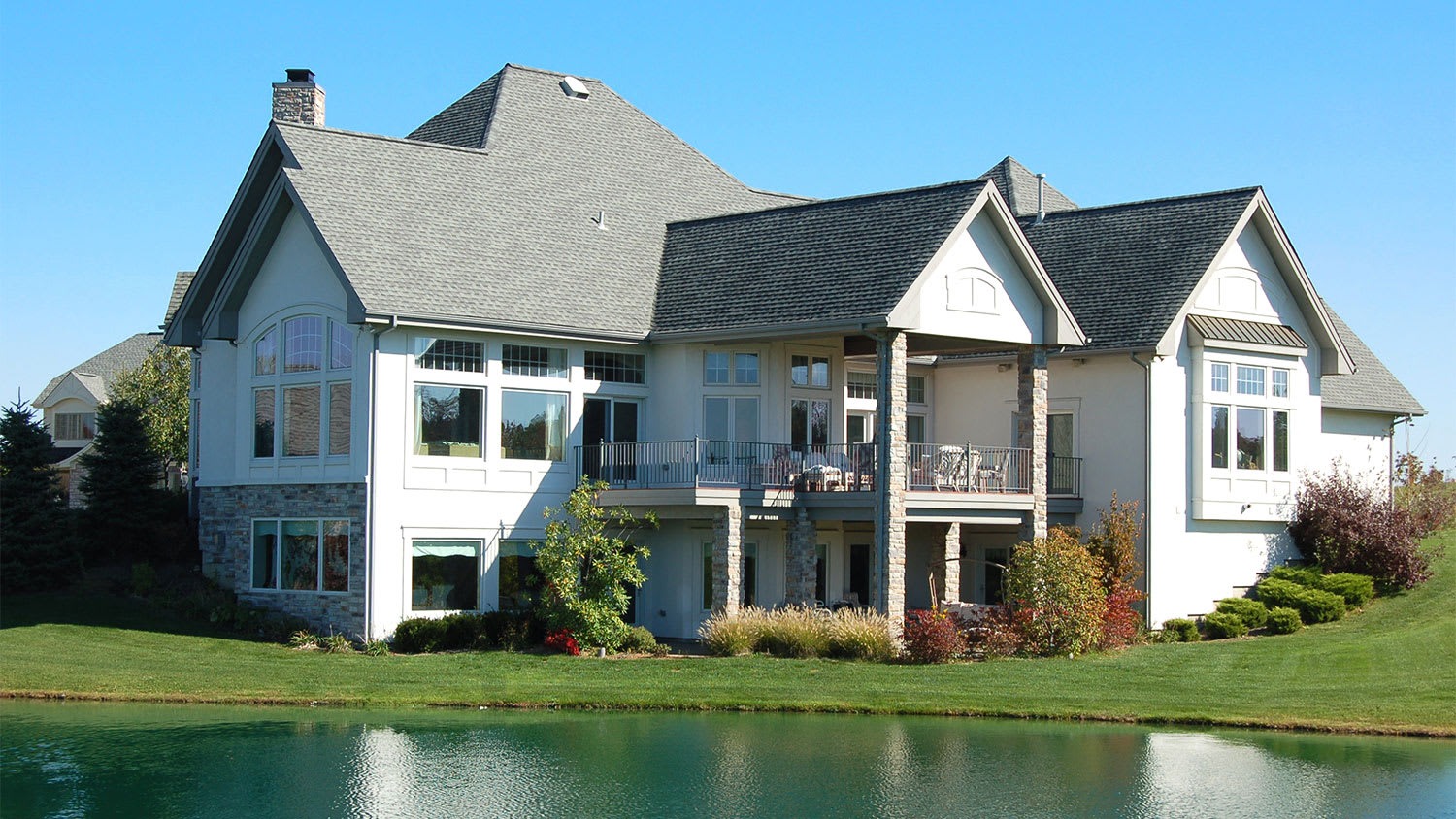
Wondering how you can make a flood-proof house? We’ve got 10 essential tips to prepare and protect you in case of flooding following severe weather.