
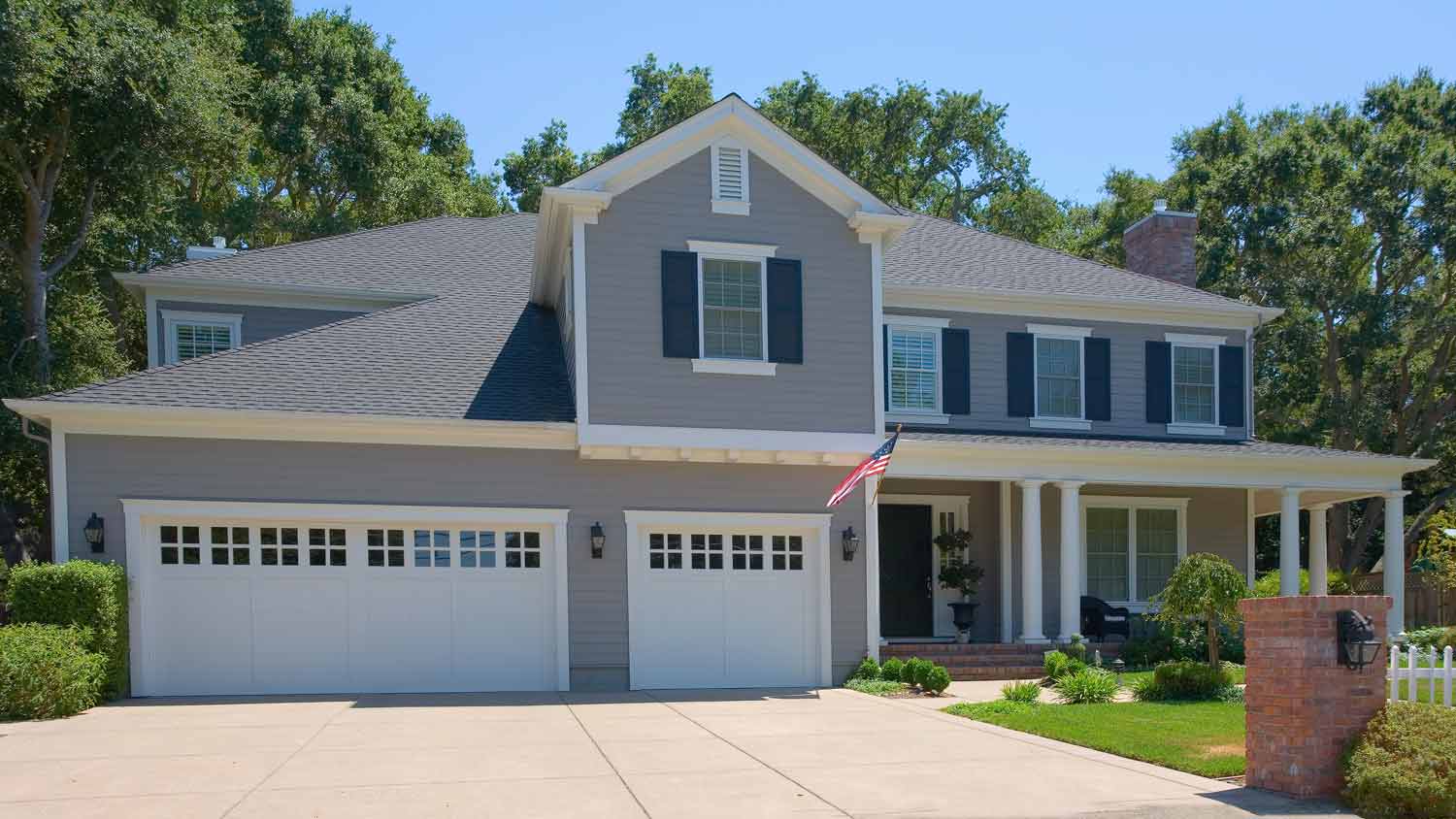
Concrete resurfacing is a much more affordable option than replacing a slab. Learn how long concrete resurfacing lasts and if it’s a better option for you.
Nothing lasts forever, but there are ways to make it last longer

Concrete's lifespan lasts 50 to 100 years, depending on the mixture quality, curing process, exposure to weather and chemicals, and your maintenance routine.
Expect to pay $1,800 for concrete repairs or $2,000 to $7,000 for full replacement, so addressing cracks and surface damage early helps you avoid higher costs.
You can extend your concrete's life by resealing it every two to three years, keeping it clean, avoiding harsh deicing chemicals, and removing nearby tree roots.
Hiring a local concrete driveway professional provides reliable support for structural assessments and replacement decisions, keeping your driveway, patio, or foundation safe and sound.
From foundations and driveways to porches and patios, you’ll find some use for concrete practically everywhere you turn in your home. But have you ever wondered, How long does concrete last? While it seems like an ultra-durable material, you might not know if concrete is something you can fix and forget about or if it needs regular replacement. We’ll uncover not only how long concrete lasts but know when it’s time to move on to new concrete.
Concrete lasts around 50 to 100 years, according to the Portland Cement Association, which focuses on cement-related policy, education, and research. Of course, this is quite the range, but concrete life span depends on numerous factors. Concrete is a mix of sand, an aggregate, and a binder—and cement is the most common binder, which is why concrete and cement are often used interchangeably.
Certain concrete uses have different life spans based on their installation and usage. See the differences in the table below.
| Type of Concrete Project | Life Span in Years |
|---|---|
| Sidewalk | 20-40 |
| Patio | 30+ |
| Stamped | 30+ |
| Driveway | 40+ |
| Interior Floor | Indefinitely |
Keep your concrete clean to extend its longevity. Remove weeds, dirt, and other debris with a hose. Avoid using harsh chemicals when cleaning, as it can degrade your concrete.

Some types of concrete will last longer than others, simply based on its strength profile. Concrete’s strength comes from a combination of multiple factors, including the quality of the cement and other materials, how compact it is, and the temperature and humidity levels during the pouring process. There are different strength levels for numerous types of concrete too, such as reinforced concrete that includes steel reinforcement built to withstand greater amounts of pressure versus a ready-mix concrete a homeowner might use.
To summarize, not only is concrete’s durability greatly impacted by the type and initial mixing, it’s also impacted by the following factors. In some cases, exposure to these factors can shorten the concrete lifespan to as little as 30 years.
Contents of the concrete mixture
Exposure to weather and moisture conditions
Exposure to chemicals such as deicers
Curation process after pouring
Average amount of traffic
Weight of vehicles on the slab
Long-term maintenance such as sealing
Subbase and subgrade quality
As a homeowner, it may be difficult to know how the concrete was originally mixed, if the concrete pourers followed the proper curing practices, or if it faced exposure to certain chemicals. So, what can you do now to foster a longer life span? Keep reading for tips to help prolong concrete.

While its low maintenance may be one of concrete's top benefits, it is still important to keep it clean. For spaces such as your concrete patio, front porch, or driveway, you can start by regularly removing the dirt and debris that accumulates. If dirt stays on too long, it can cause holes in the surface of the concrete, which leads to crumbling.
Simply spraying with a garden hose is likely sufficient, but pressure washing is a fantastic way to remove tough built-in dirt. You can also use dish detergent and a broom to get rid of stubborn stains, like bird droppings.
Applying or reapplying a sealer every two or three years will also go a long way in preserving the durability of your concrete and is one of the most important concrete maintenance to-dos. Not only does it help with the preservation, it makes it look shinier. While it might not be the most fun chore around the house, the cost to seal concrete is minimal compared to repairing or replacing it.
When applying a sealer, give it time to completely dry before moving furniture. Otherwise, the sealer may end up with bubbles or an uneven application.
Certain chemicals, such as sulfates and ammonia, can weaken your concrete and even cause significant damage. If you live in an area where you need deicing salts, try to use them sparingly because they can cause damage to stamped or treated concrete.
Trees, plants, and shrubs can damage concrete if the roots grow near or beneath it. As the greenery grows, the roots spread and it pushes up through the concrete, potentially causing damage. Trimming the roots or removing the plants altogether is the best way to keep this from happening.

You can’t do much to change the outside environment, but if there’s any possibility of covering your concrete with something like a canvas or pergola, you should. Covering it offers a layer of protection against the outside elements, including extreme temperatures and moisture.
Overall, it’s best to replace concrete when the cost of repairs surpasses the replacement price. Concrete repair costs an average of $1,800, while replacement often costs between $2,000 and $7,000, depending on the size of the area. Replacement costs about $15 per square foot.
Thankfully, there are many stages of concrete repair to consider before opting for replacement. Surface cracks, settling, and even minor crumbling have more cost-effective fixes than starting over. However, it's important to hire a concrete contractor if the slab's structure is in question.
For example, concrete foundations require an expert to ensure that it remains structurally sound and to verify it was installed correctly. Concrete driveways, walkways, and patios are a bit more flexible when considering repairs or replacement, since concrete resurfacing, mudjacking, or even resealing may do the trick.
Eventually, even a material as durable and reliable as concrete needs replacement. There are a few signs to look for to indicate if a replacement should happen sooner versus later.
Age: If you live on a property that is several decades old and you suspect it’s the original driveway, your concrete may need to be replaced sooner.
Cracking, settling, and pitting: If you notice multiple cracks, areas where there are depressions or settlement in the concrete, or has potholes, then consider replacement (although new concrete cracking can occur). You can try repairing patches of concrete, but you may eventually need a full replacement.
Severe discoloration: Stains and exposure to sunlight will cause heavy discoloration, but a stain remover can usually take care of this. If you try removing the stains and it doesn’t make a difference, then it’s possible it needs replacement.
Uneven surface: An uneven surface may occur from the ground shifting naturally or if tree roots have grown through it. If the surface is too uneven even after patching and repairing, then replacement is the next step.
As a homeowner, a full replacement might not be the only solution. You can make your own minor concrete repairs for cracks, potholes, or other minor damage, which will save money with labor costs. Purchasing a concrete repair patch kit ranges from $10 to $150 and may help extend the concrete lifespan by a few years or longer.
If you do need to replace concrete, especially a concrete driveway, it’s best to hire a professional concrete driveway contractor near you. A professional will know which type of concrete holds up best for your type of environment and lifestyle so you can take advantage of the durability of concrete for years to come.
Sara Coleman contributed to this piece.
Archie did a good job cleaning up the driveway before he laid down the sealer. It looks good. He was gracious and even helped me bring up my groceries. His rate was comparable to another company who came out to give me a quote and he talked to me personally rather than just text me a quote...
 Pro Seal Roofing & Paving
This is the most responsive and thorough company we have had seal our driveway. Their communication is amazing. They took their time, filling cracks and sealing our driveway beautifully. The person who communicated with me to set up the appointment was there working on the driveway at the...
 All Star Paving and Sealing
Working with Peter and his crew was a breeze. They were exceptionally polite and did a neat job to repair and seal our driveway. I will definitely talk to them first for additional work.
 Central Paving
The preformed a really good job the staff is incredible never been so happy with my home, A brand new driveway is like a face lift!!
 Pristine Paving
We recently had our office sidewalk repaired and CT Concrete did an "Outstanding" job. They were quick, friendly and the job is "flawless". I would highly recommend CT Concrete for any of your concrete/sidewalk needs.
Called Mark on a Thursday morning. Not really knowing if he could help me or not. I was having driveway, flooding issues due to a clogged channel drain and I was trying to figure out what direction to take. Heavy rains had come on Monday and again on Thursday leading to flooding in my garage...
 Mark Rodgers Construction
Had already met with 2 other contractors before Blue Ring, and Blue Ring's price quote for the work was better than either of the other 2, and the came out the next morning and cleaned up a very large fallen tree branch from a storm that was blocking my driveway. Work was completed in...
 Blue Ring Residential Services, LLC
It went really well! The concrete looks, they even did some patch work on my buildings parking lot. That was such a plus! <br />
 AmeriCoat Asphalt & Concrete
Jand J has provided services for clients of mine for 15 years or maybe longer. They are always honest with their recommendations, providing good advice to my clients and competitive pricing. All three of the structural engineers whom I have dealt with in recent years have Jand J on their...
We first had Mark fix the back patio and liked his work so much we had him make a brick patio on the side of the house. When we decided to change our concrete walkway to brick, we wanted Mark to do the job because his prices were fair and he did such good work on t he other two projects.
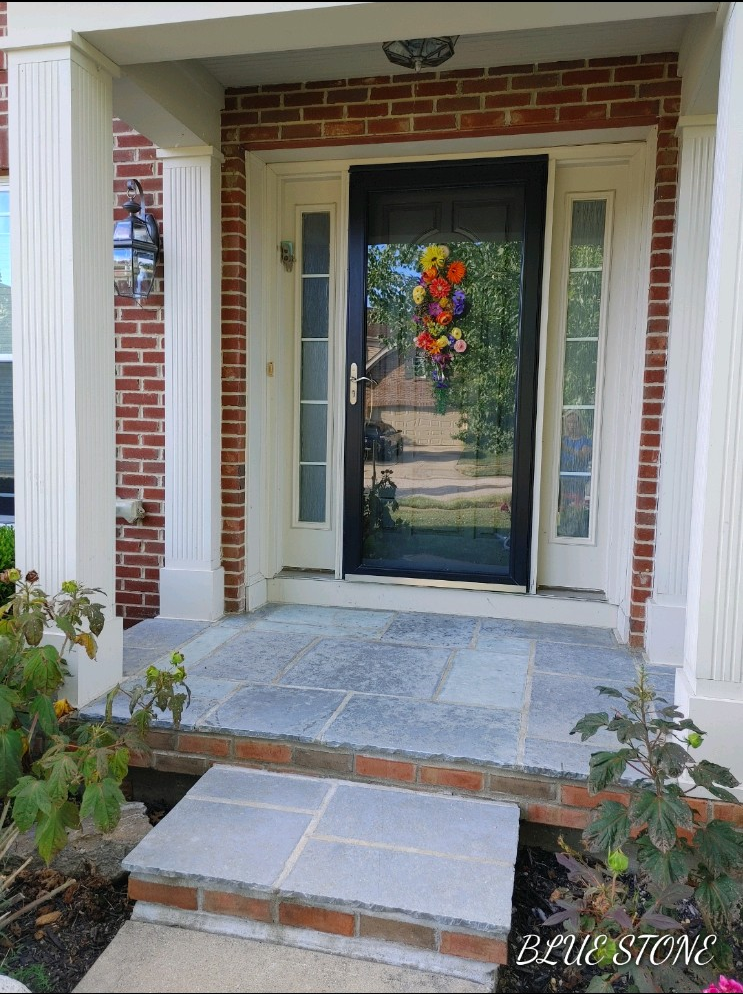 Mark Monnette Masonry
From average costs to expert advice, get all the answers you need to get your job done.
Concrete resurfacing is a much more affordable option than replacing a slab. Learn how long concrete resurfacing lasts and if it’s a better option for you.
Sprinkler valves work hard, opening and closing to control water flow to your sprinklers. So, how long do sprinkler valves last? Find out in this guide.
The life span of concrete sealers ranges from six months to 10 years, depending on the type and application.
When constructed correctly, a concrete foundation can last more than a century. Learn what factors influence how long a concrete foundation can last.
Mudjacking is a common method for leveling concrete. Learn how long mudjacking lasts and what factors contribute to its lifespan.

Get the most out of your hot tub, Jacuzzi, or spa. Learn how long a hot tub lasts, which factors influence life span, and how to keep a hot tub in top condition.