

New insulation can make your home more comfortable and boost energy efficiency. Use this insulation cost guide to get an accurate estimate for the installation.
Prepare for installing home insulation by carefully developing a plan before the installation

Choosing between blown-in and batt home insulation tips helps you match your space, as blown-in suits irregular areas while batts work best in obstacle-free rooms.
Expect to pay $1,400 to $6,300 for professional home insulation installation, with batt insulation costing slightly less per square foot than blown-in options.
Repairing all leaks and gaps before your insulation installation keeps air from escaping and prevents mold damage that reduces your insulation's effectiveness.
Hiring a local insulation company provides expert guidance on material selection and safe installation, especially when you encounter safety concerns like asbestos or faulty wiring.
Installing home insulation is a great investment that contributes to lowering your energy bills and increasing both your comfort and your home’s value.
Whether you plan to install insulation as a DIY project or hire a professional, there are several things to consider beforehand. For an installment process as stress-free as possible, make a game plan, and consider all decisions and necessary actions you’ll have to make about the process.
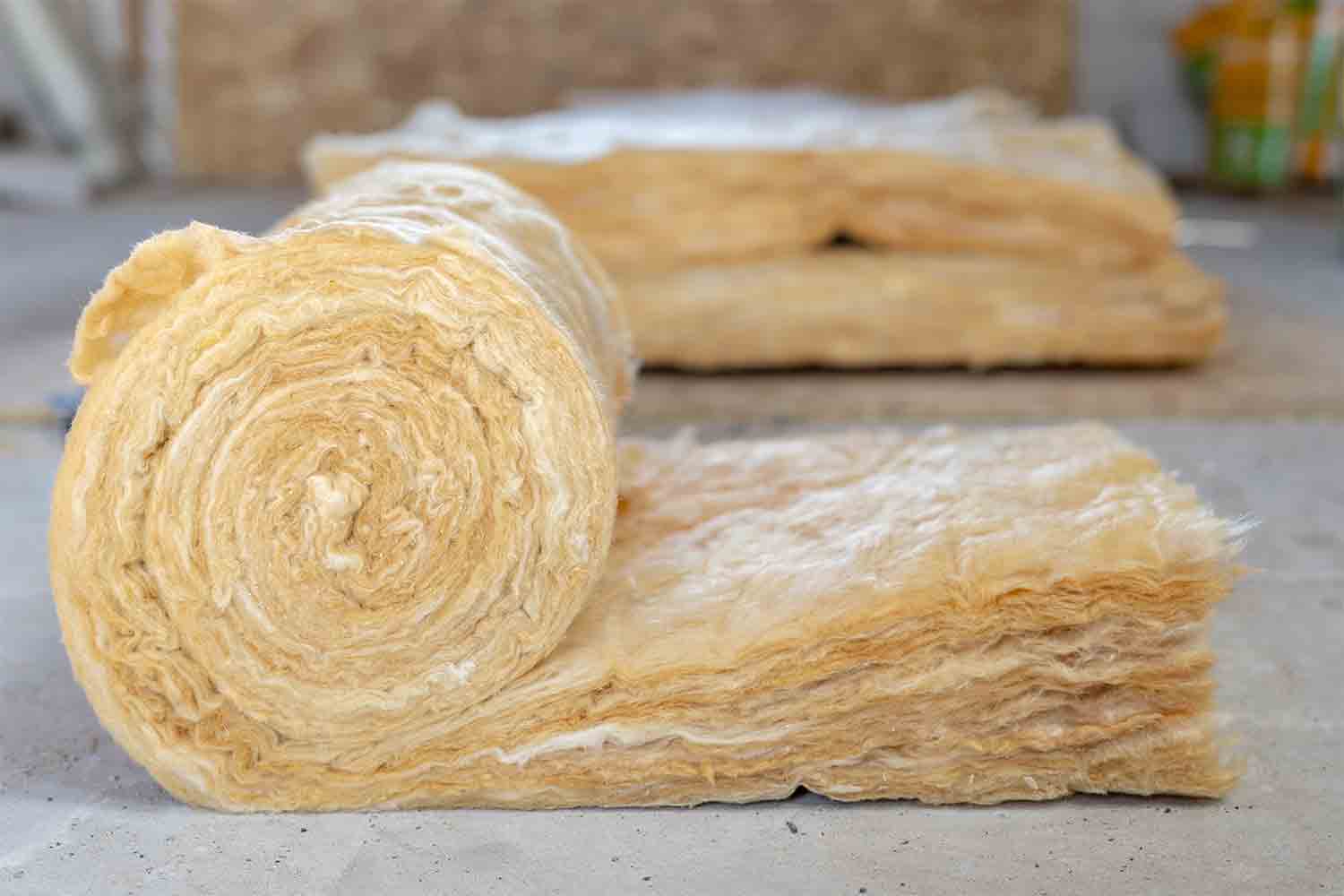
Whether installing the insulation yourself or hiring a professional, you’ll need to decide which type of insulation you’ll use. Two of the most popular options are blown-in insulation and batt insulation.
Blown-in insulation (also known as loose-fill insulation) comes from collected small pieces of fibers. A blowing machine installs the insulation and, because of this, it’s ideal for irregularly-shaped spaces or rooms with obstacles and/or low ceilings. Batt insulation, typically made from threads of woven fiberglass, is one of the more popular types of insulation and is suitable for spaces free of obstacles.
Whether you opt for blown-in or batt insulation, there are multiple materials out there, and some may work better for your home than others. Hiring an insulation contractor can provide you with knowledge of all available options and the best insulation for your house.
Fiberglass is the most common insulation material, heated to form a liquid, twisted into thin fibers, and often installed as batts or blown-in. Fiberglass insulation is one of the more inexpensive types, nonflammable, and resistant to moisture damage.
Other insulation materials include:
Cellulose insulation: Used for both batt and blow-in insulation and constructed from recycled paper fibers, this type of insulation is somewhat prone to moisture damage.
Rockwool insulation: Used for both batt and blow-in insulation and constructed from rock fibers or recycled slag, this material is fire-resistant but more pricey than other materials.
Cotton insulation: Used for batt insulation and created from fibers of recycled cloth, this type of insulation obstructs airflow and sound and is one of the more expensive materials.
It is essential to repair all leak spots or gaps before installations to allow air to escape, rendering insulation somewhat useless. Furthermore, leaks are prone to mildew and mold damage, which also reduces the insulation’s functionality. If you don’t know how to seal or repair leaks, contact your local plumber.
Typically, contractors recommend installing insulation in your attic, on walls, on floors, in crawl spaces, and in the basement. Installing insulation in these areas is beneficial; it contributes to saving energy within your home.
Typically, the cost of home insulation falls between $1,400 and $6,300, depending on the type of insulation you choose. At roughly $.30 to $1.50 per square foot, batt insulation costs a little less than blown-in insulation, which costs around $1 to $2 per square foot.
It’s essential for many homeowners to know the details of installations; you should know that parts of your insulation may remain visible afterward, particularly for blown-in insulation. The plugs required for this type of installation are often noticeable, so be prepared to rearrange if this will be bothersome.
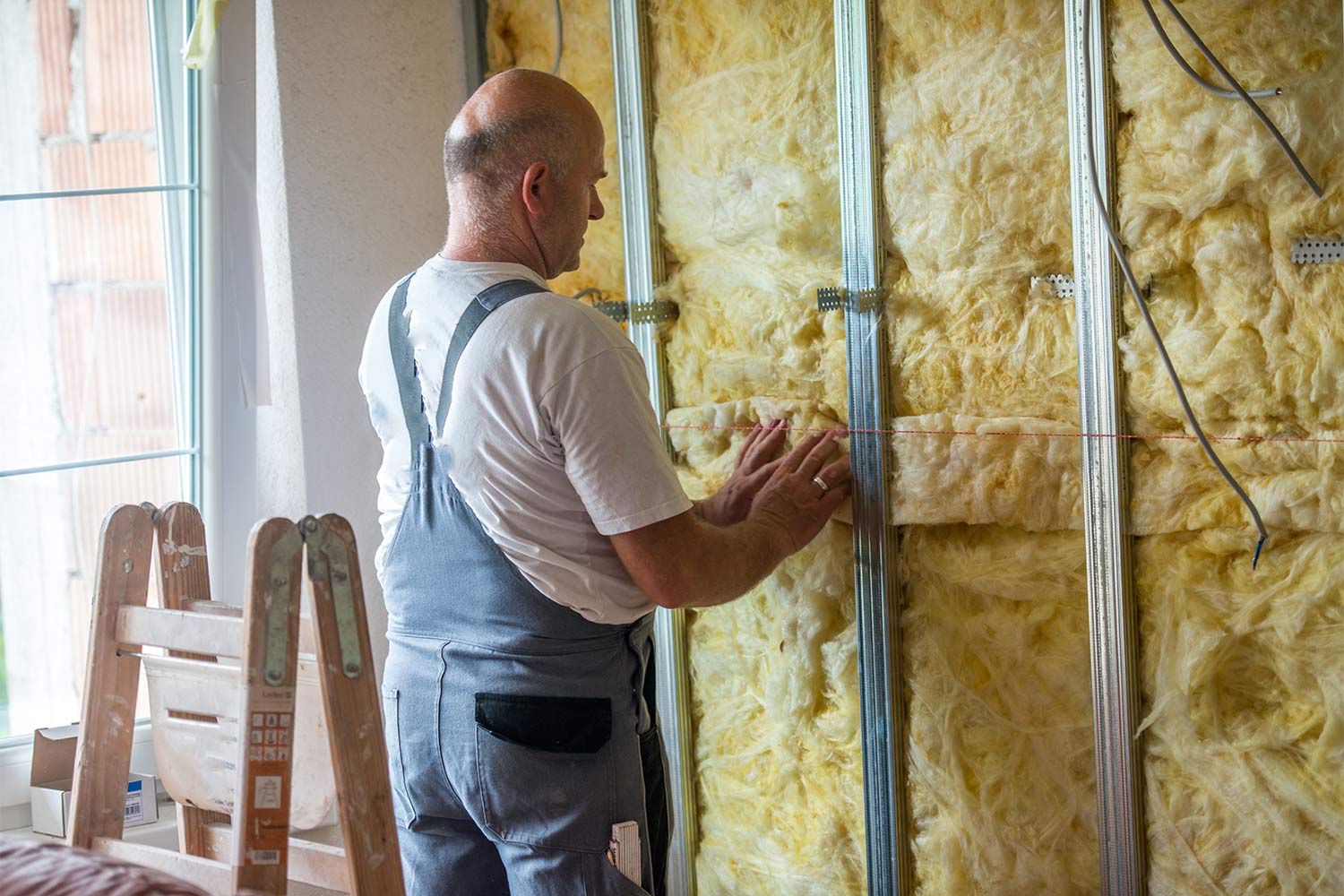
If you choose to install insulation yourself, keep in mind that the installation can be messy, dusty, and potentially dangerous. You’ll want to have a mask, some type of protective eyewear, and gloves. Consider wearing old clothing or something you won't mind getting dirty. Read all instructions and follow recommendations for tools or safety.
Note: Be sure that the insulation isn’t against heat sources such as wiring, lighting, or water heaters, which could become fire hazards.
If you choose to install your insulation yourself, you’ll spend less money than if you were to hire a professional. However, the project is substantial and requires a level of time commitment; it can take anywhere from a few hours to two days. In addition, the type of insulation you choose will affect the project’s difficulty level.
Homeowners can typically install batt insulation, while most other types tend to require professionals. In addition, specific safety issues may require an expert. Some of these safety considerations include:
Leaks that need repairments
Moldy or rotted areas
Lack of (or no) attic ventilation
Asbestos
Knob and tube wiring
If you come across these issues, contact a professional insulator who can take on the job or provide you with instructions to prevent incidents.
I would recommend this company to anyone! He showed up on time, was friendly, completed a very difficult repair on our dryer vent cover, was responsive, and pricing was extremely fair and competitive. I would have him back to do any of our repairs or cleanings without hesitation!
 U.S.A. Dryer Vent, LLC
Best cleaning I've had at my property
I conferred with 2 other contractors before Armstrong Electric. Nick and his crew showed me that the project was not as convoluted as the other contractors made it appear to be. They completed the entire project on time. They were professional, friendly and cleaned up after at completion. I...
 ARMSTRONG ELECTRIC, LLC
The technician was very professional and friendly. He answered all my questions and was very thorough. He left the fireplace area very clean . He inspected from the roof and advised me as to other work that might need to be done. There was no pressure there. I was very satisfied with the...
 Supreme brick & chimney
Our exterior looks brand new thanks to Custom Paint Jobs LLC. Theyre the best in town!
 Custom Paint Jobs, LLC
Excellent experience with hiring Tether House to Mount our 77’ Samsung TV in our bedroom. Fast, friendly, and knowledgeable. Highly recommend.
 Tether House
The techs on my project, Shawn and Cliff, were great. They were prompt, courteous, and efficient. I am very happy with the results and would definitely contact Mr. Electric for any future electrical projects.
 Mr. Electric of Columbus
We had our houses windows and back door replace this summer by Window Depot USA of Central. He gave us grate advise and saved my family lots money. The team did a fantastic job with installation. If you need help, they sure get job done right!
 Window Depot USA of Central Ohio
Beginning with the estimate, Larry and Peyton were super helpful in getting my new condo's interior re-painted. Not only was the job well done, but also done in a super timely manner as promised.
 Five Star Painting of Plain City and Powell
Great job...edging and pre clean up went well with a great job with seal coat. Friendly, efficient and professional.
 All Star Paving and Sealing
From average costs to expert advice, get all the answers you need to get your job done.
New insulation can make your home more comfortable and boost energy efficiency. Use this insulation cost guide to get an accurate estimate for the installation.
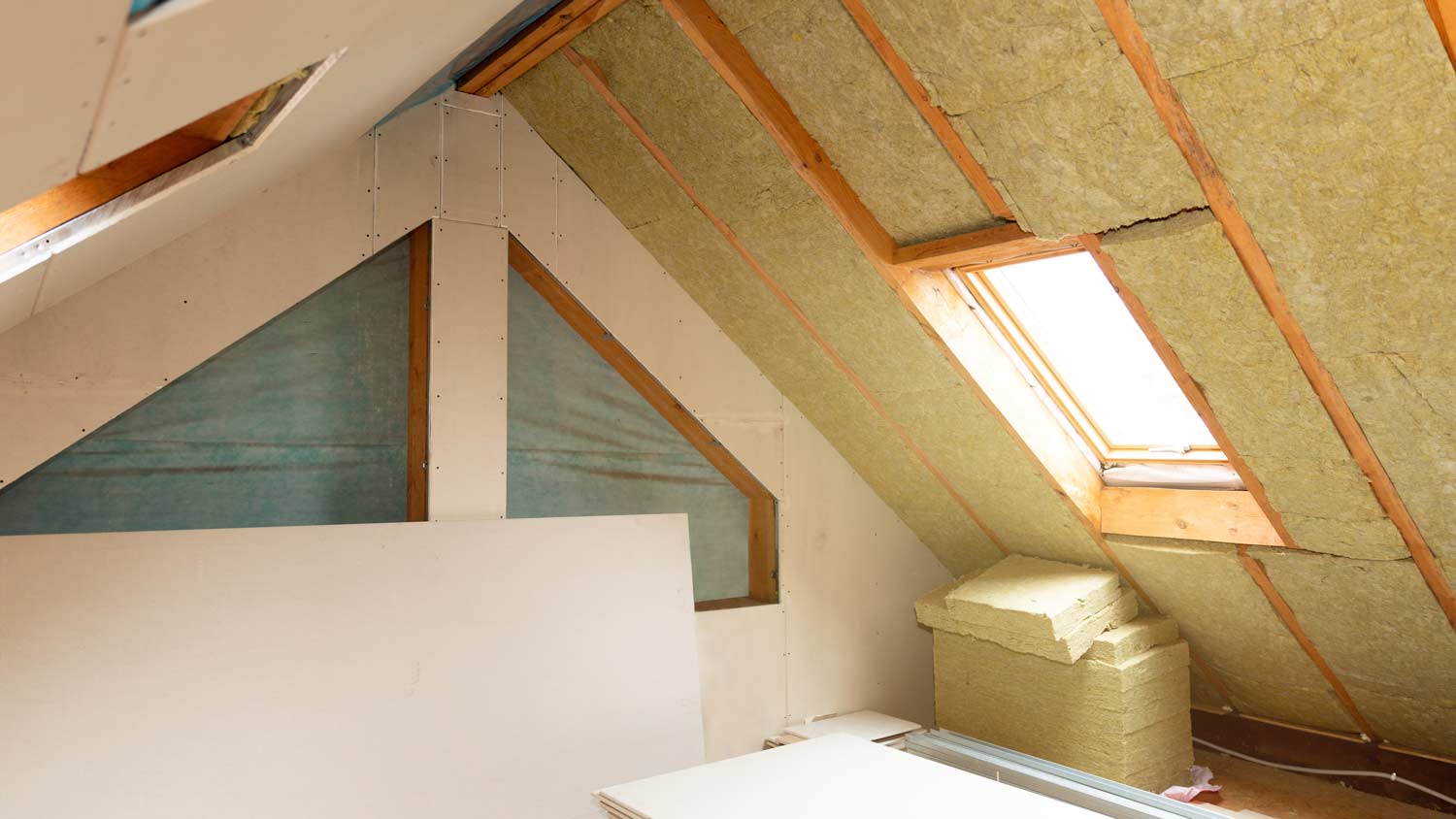
Your home's ceiling insulation cost will depend on several factors, including the project size, the type of insulation you use, and the R-value.
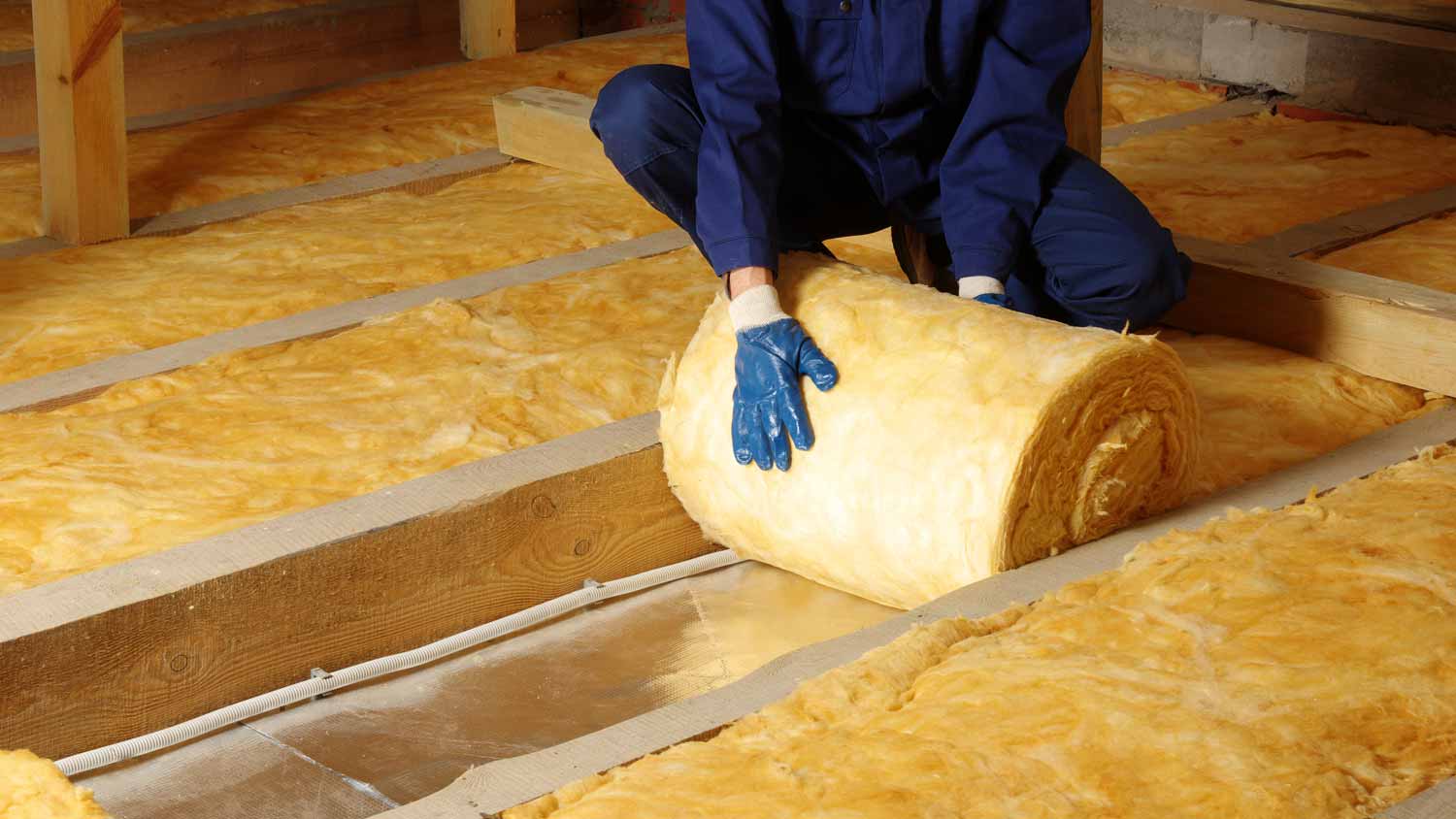
What is insulation? This behind-the-scenes home fixture will maintain comfortable temperatures in your home no matter the season. It’ll lower energy bills, to boot.

We’ll walk you through how to install spray foam insulation in your home—and when it makes sense to call in a pro.
Learning how to insulate plaster walls can help improve your home's energy efficiency. However, there are crucial cautions to consider before attempting.
Choosing insulation for your home depends on the installation location, climate, budget, and more. Keep reading to learn how to choose the right insulation.