


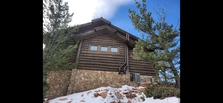
Top-rated radon detection and reduction specialists.

Get matched with top radon detection and reduction specialists in Wheatland, WY

Enter your zip and get matched with up to 5 pros

Need a pro for your radon detection and reduction project in Wheatland, WY?

Select your specific project to find the pro for you.

Find Radon detection and reduction specialists in Wheatland

Avatar for North Point Radon
North Point Radon
5.0(
21
)
Radon Gas - Abatement

Serving Wheatland, WY and surrounding areas

Approved

In business since 2020

Free estimates

Warranties offered

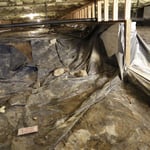
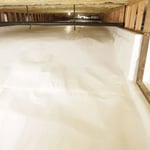
"BIG shout out to North Point Radon! We had to re-do some radon mitigation on the house so we could start working on framing in the basement and they came in and did an incredible job. The pressure from the pump (or however you say it) went up from 1.1 to 1.25, so they filled in a bunch of spaces that weren't sealed up properly and cleaned everything up so our contractor can start framing. No big chunks of puffy foam - everything is sealed cleanly and nice and tight now (obvious from the reading on the pressure). Fast, affordable, effective, and we retested the basement and it came at less than 1%. Seriously good people. I would call them if you need any radon stuff (testing, mitigation, etc.) taken care of."
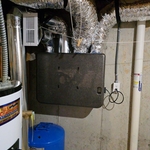
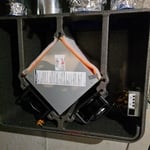
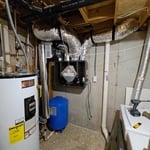
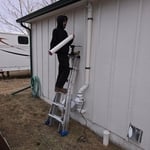
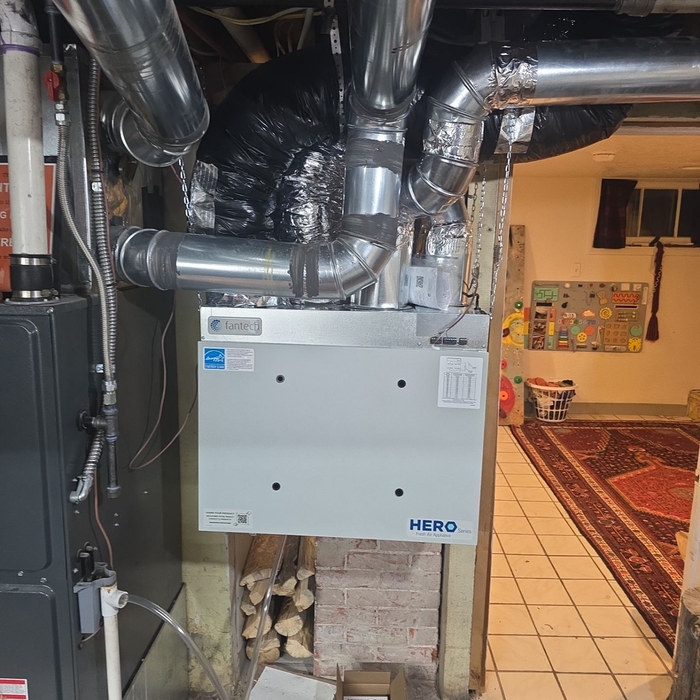
ERV and Mitigation
ERV and Mitigation
ERV and Mitigation
ERV and Mitigation
1920s ERV

+2

2 neighbors recently requested a quote
Recommended by75%of homeowners

Radon Detection and Reduction questions, answered by experts

There are steps you can take as a homeowner to remediate radon yourself. While a radon reduction professional can make the biggest impact in your home, you can make efforts to improve radon levels on your own by sealing cracks, increasing ventilation, and testing for radon regularly.

Yes, many systems include warranties for performance. Confirm terms with your installer.

Your radon fan needs to operate 24/7 to be effective. The only time the fan isn't operating is during its replacement. Radon levels in the home can increase within hours if the fan stops working or something obstructs the stack vent. Fortunately, radon systems require no downtime maintenance between fan changes.

While DIY testing is possible, abatement generally requires professional installation to ensure efficacy and meet safety standards.

No level of radon is technically safe, but since it is naturally present everywhere, it is impossible to avoid entirely. The average radon level in homes across the United States is 1.3 picocuries per liter (pCi/L). The Environmental Protection Agency (EPA) recommends taking action to reduce radon levels if your home's test results are between 2 and 4 pCi/L or higher.

The Wheatland, WY homeowners’ guide to radon detection and reduction services

From average costs to expert advice, get all the answers you need to get your job done.