Top-rated radon detection and reduction specialists.

Get matched with top radon detection and reduction specialists in Guernsey, WY

Enter your zip and get matched with up to 5 pros

Need a pro for your radon detection and reduction project in Guernsey, WY?

Select your specific project to find the pro for you.

Find Radon detection and reduction specialists in Guernsey

Avatar for North Point Radon
North Point Radon
5.0(
21
)
Radon Gas - Abatement

Serving Guernsey, WY and surrounding areas

Approved

In business since 2020

Free estimates

Warranties offered

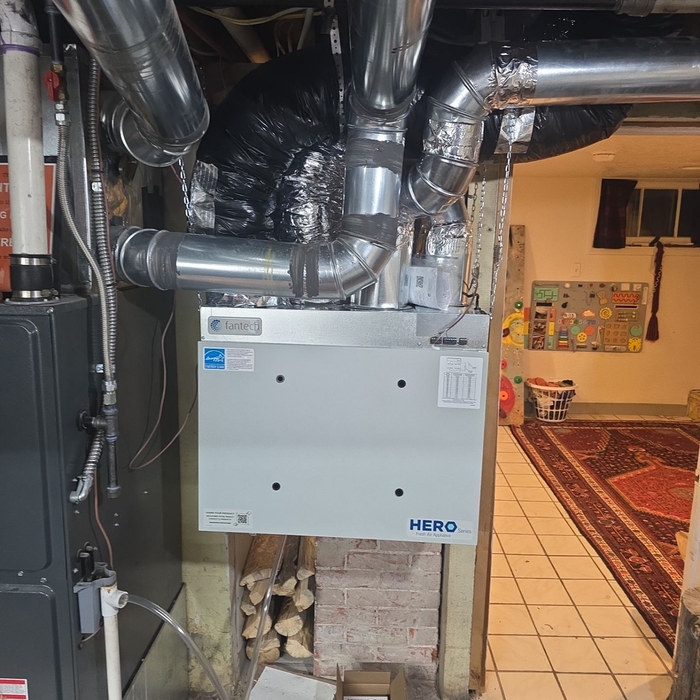
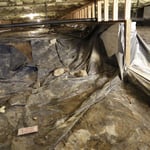
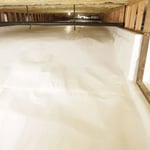
"BIG shout out to North Point Radon! We had to re-do some radon mitigation on the house so we could start working on framing in the basement and they came in and did an incredible job. The pressure from the pump (or however you say it) went up from 1.1 to 1.25, so they filled in a bunch of spaces that weren't sealed up properly and cleaned everything up so our contractor can start framing. No big chunks of puffy foam - everything is sealed cleanly and nice and tight now (obvious from the reading on the pressure). Fast, affordable, effective, and we retested the basement and it came at less than 1%. Seriously good people. I would call them if you need any radon stuff (testing, mitigation, etc.) taken care of."
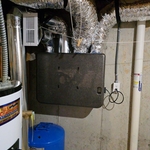
ERV and Mitigation
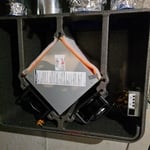
ERV and Mitigation
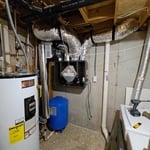
ERV and Mitigation
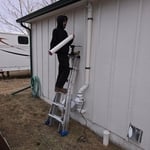
ERV and Mitigation
1920s ERV

+2

4 neighbors recently requested a quote
Recommended by75%of homeowners

Radon Detection and Reduction questions, answered by experts

Use a radon test kit or hire professionals to conduct a detailed assessment of radon levels in your home.

The fan that pulls the radon out of the air needs to run continuously, so you may see an increase in your electric bill once you install the mitigation system. Additionally, you may see an increase in your heating or cooling bills, as the fan can cause some loss of hot or cool air.

The soil beneath your house is most likely what’s causing an increased level of radon. This is because soil holds radioactivity for a long time and it’s also what most buildings are built on. Another common source of radon is water from a source that hasn’t been through periodic radon tests, such as well water. Over time, the radon from the soil can inhabit other parts of your house like the foundation or plumbing.

No level of radon is technically safe, but since it is present everywhere, complete avoidance is impossible. The average radon level in homes across the United States is 1.3 picocuries per liter (pCi/L). The Environmental Protection Agency (EPA) recommends taking preventative measures if your home's radon levels are between 2 and 4 pCi/L or higher.

The natural breakdown of uranium in soil, rock, and water can cause radon to appear in a home. The gas seeps into homes through cracks in foundations, walls, or floors, as well as through gaps around pipes or construction joints. Radon levels are influenced by soil composition, building materials, and ventilation. Poorly sealed or airtight homes can trap radon, allowing it to accumulate.

The Guernsey, WY homeowners’ guide to radon detection and reduction services

From average costs to expert advice, get all the answers you need to get your job done.