


Top-rated radon detection and reduction specialists.

Get matched with top radon detection and reduction specialists in Evansville, WY

Enter your zip and get matched with up to 5 pros

Need a pro for your radon detection and reduction project in Evansville, WY?

Select your specific project to find the pro for you.

Find Radon detection and reduction specialists in Evansville

Avatar for Blackburn Foundation Repair, LLC
Blackburn Foundation Repair, LLC
4.6(
23
)
Radon Gas - AbatementRadon Gas - Testing

Serving Evansville, WY and surrounding areas

Approved

In business since 1992

Free estimates

Warranties offered

"Excellent service! Pro was nice, easy to work with, professional! Never would have known he was here, he cleaned the working area so well! I would definitely recommend Blackburn Basement!!"
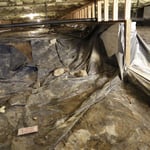
Crawl Space Repair
Crawl Space Repair
Response time1 day
108 neighbors recently requested a quote
Recommended by80%of homeowners

Mountain Peak Property Inspections, LLC
4.3(
9
)
Radon Gas - Testing

Serving Evansville, WY and surrounding areas

In business since 2015

Free estimates

Credit card accepted

"DO NOT buy a home until Nate has a chance to inspect it for you. Nate saved me from a bad home buying decision. Nate is very detailed, thorough and documents so well. His report pointed out things I failed to see in my own inspection. He saved me from purchasing a house that needed more work than I even had a budget for the purchase. He is fast, fair and one of the best business people I have met in Casper. I would not go with anyone else for a home inspection. It is the largest purchase any of us make, let Nate inspect it for you and for your piece of mind."
Response time8 hrs
Response rate90%
Recommended by85%of homeowners
Alpha Radon Mitigation
New to Angi
Radon Gas - AbatementRadon Gas - Testing

Serving Evansville, WY and surrounding areas

In business since 2016

Free estimates

Credit card accepted

Alpha Radon Mitigation, is committed to excellence in every aspect of our business. We uphold a standard of integrity bound by fairness, honesty and personal responsibility. Our distinction is the quality of service we bring to our customers. Accurate knowledge of our trade combined with ability is what makes us true professionals. Above all, we are watchful of our customers interests, and make their concerns the basis of our business.

Response time20 mins
Radon Detection and Reduction questions, answered by experts

The cost for a radon mitigation system typically ranges from $800 to $1,500, with an average around $1,000. The final price depends on several factors, including the size of your home, the severity of the radon issue, and the type of system required. Your home's foundation type also significantly impacts the cost. For example, sealing and ventilating an unfinished basement might cost around $4,600, while encapsulating a crawl space without a foundation slab can range from $1,500 to $15,000.

No, air purifiers are not an effective way to reduce or remove radon. Radon is a radioactive, inert gas that cannot be filtered by standard air purifiers, which are designed to capture particulates like dust and mold. While an air purifier can improve indoor air quality by removing other pollutants, it should not be relied upon for radon. The only effective solution for high radon levels is a dedicated radon mitigation system.

Ideally, no one will live in a house with elevated radon levels, as prolonged exposure increases the risk of serious health issues like lung cancer. However, homes with radon can be made safe through mitigation systems, such as active soil depressurization. Testing for radon regularly and addressing high levels helps ensure a safe living environment.

Keeping radon from getting into your home is much better than having to get rid of it once it's already indoors. While there may not be a way to fully prevent radon from getting into your home, there are things you can do to reduce the gas's ability to enter. 

Sealing foundation cracks and openings can help keep the gas from seeping inside. Improving air flow, such as by opening windows, can also be helpful. If you're building your home from scratch, talk to your contractor about using radon-resistant construction to keep the gas out.

Radon enters your home when warm air begins to rise and exits through the roof, creating a vacuum that pulls cooler air from under the foundation. Part of that air is radon, which is an invisible, odorless gas that develops naturally when radioactive particles are deep within the ground. Those particles usually come from decaying matter in soil and rocks.

The Evansville, WY homeowners’ guide to radon detection and reduction services

From average costs to expert advice, get all the answers you need to get your job done.