"The business owner, Levi, is very personable, professional and fast. He takes the time to understand your project and details. He stays in contact with updates and timelines. He installed fixtures, added an EV charge station, wired our entertainment 85" TV, ran cables etc. He did such a great job we will hire him for ALL our electrical jobs. He made us feel as though we were his only customer - excellent work ethic and can do attitude."
"The furnace took 4 days to get approved( not counting a Sunday) the others were quick but the water heater had to be ordered so without hot water for a week. One ceiling fan was easy but within a year their policy changed and They would not install the one I purchased and had to get a new one approved and then ordered online and took several weeks to get straightened out. Not sure who was at fault, AHS, installer or scheduling with renter. Fee is usually $75 per visit"
Bathroom Fan Installation FAQs, answered by experts
Once you remove all standing water and puddling, you should run fans for 24 to 48 hours to remove the remaining moisture. For severe water damage, it’s a good idea to run them for three to four days to be safe. Make sure you buy or rent the proper size and number of fans for your water-damaged area.
If you think your fan needs to be oiled, the first thing that you have to do is cut the power to the fan. The best and safest way to do this is by flipping the circuit breaker that leads to that room. Depending on the model of your fan, you may need to remove a cover. Look for a hole labeled oil. If there isn't one, check the manual or look for schematics online. Once located, use the recommended lubricant or spray.
WD-40 in its liquid or aerosol form is highly flammable. Using it around live electrical parts, such as a bath fan, can generate fire and a dangerous condition. However, if you follow proper safety procedures, including disconnecting the power to the fan before working on it, WD-40 can help remove some of the grime that builds up in your bath fan.
Your blower motor may make a loud sound if the bearings overheat or wear down as your system ages. You may also hear loud noises coming from your blower if it’s struggling to pull in air due to dirty or damaged ducts, closed or blocked vents, or a dirty air filter. Typically, this causes a loud whistling sound.
Whole-house fans cost significantly less to run than a window AC unit. You'll pay an average of $0.01 and $0.05 per hour to run a whole-house fan compared to $0.06 to $0.88 per hour for the cost to run a window AC, depending on its size and the size of your home. They also use far less electricity than traditional central AC units.
The Wamsutter, WY homeowners’ guide to bathroom fan installations
From average costs to expert advice, get all the answers you need to get your job done.
The cost to install a bathroom fan will vary based on multiple factors, including the bathroom size, how many fans you need, the type of fan, and more.
Discover the cost to install a ceiling fan, including labor, materials, and tips to save. Learn what impacts your price and how to budget for your project.
Attic fan installation costs vary based on location, fan type, and other factors. Get the cost breakdown for labor, materials, and additional extras so you can work out your budget for this essential home renovation project.
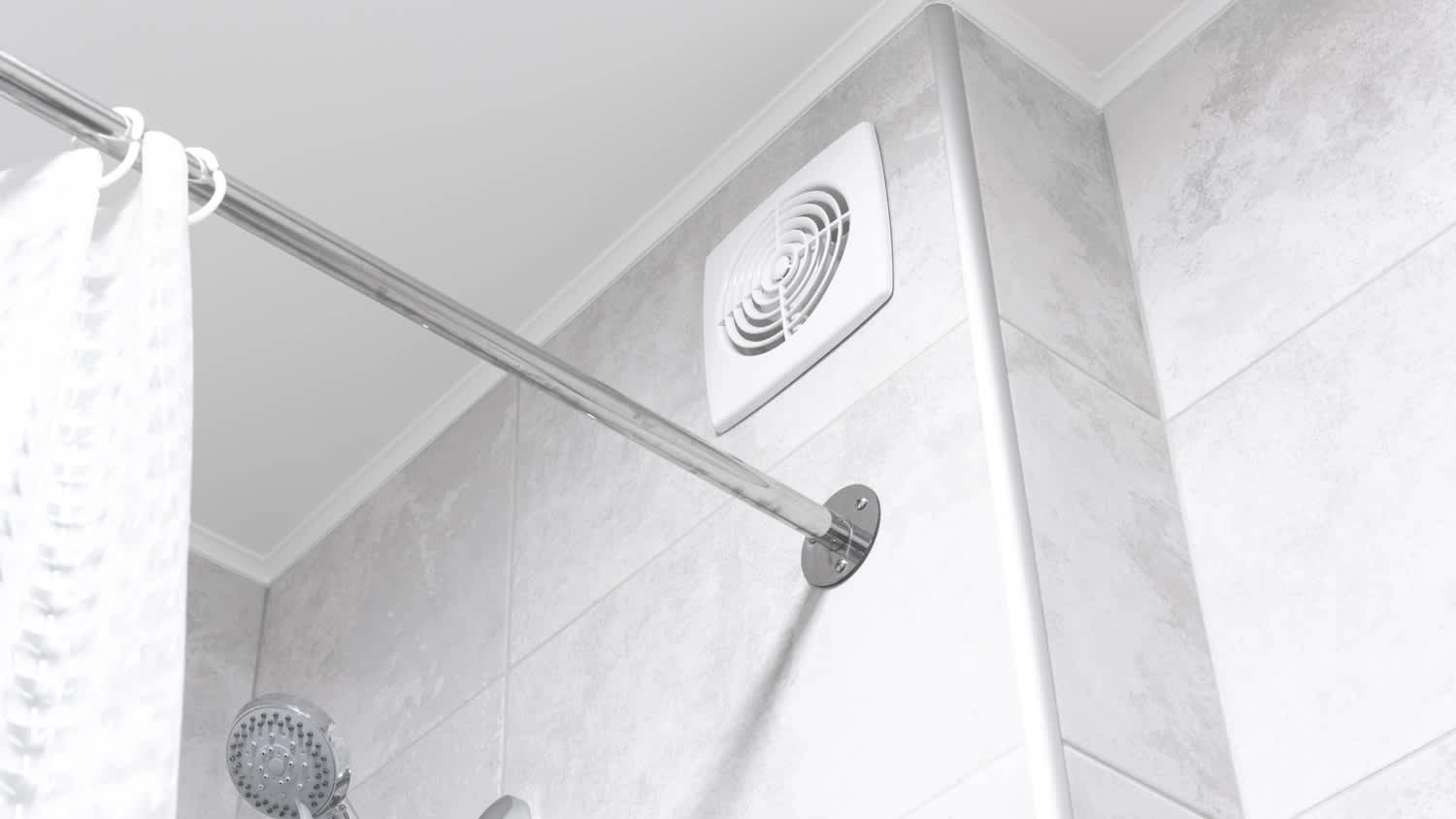
Is your bathroom trapping steam and moisture? Learn about bathroom fan installation costs, warning signs, and how to hire a local bathroom fan installer.
The sweat equity involved in bath fan installation is intense, but having a humidity-free bathroom is worth it. Here's how to install a bathroom fan and get started.