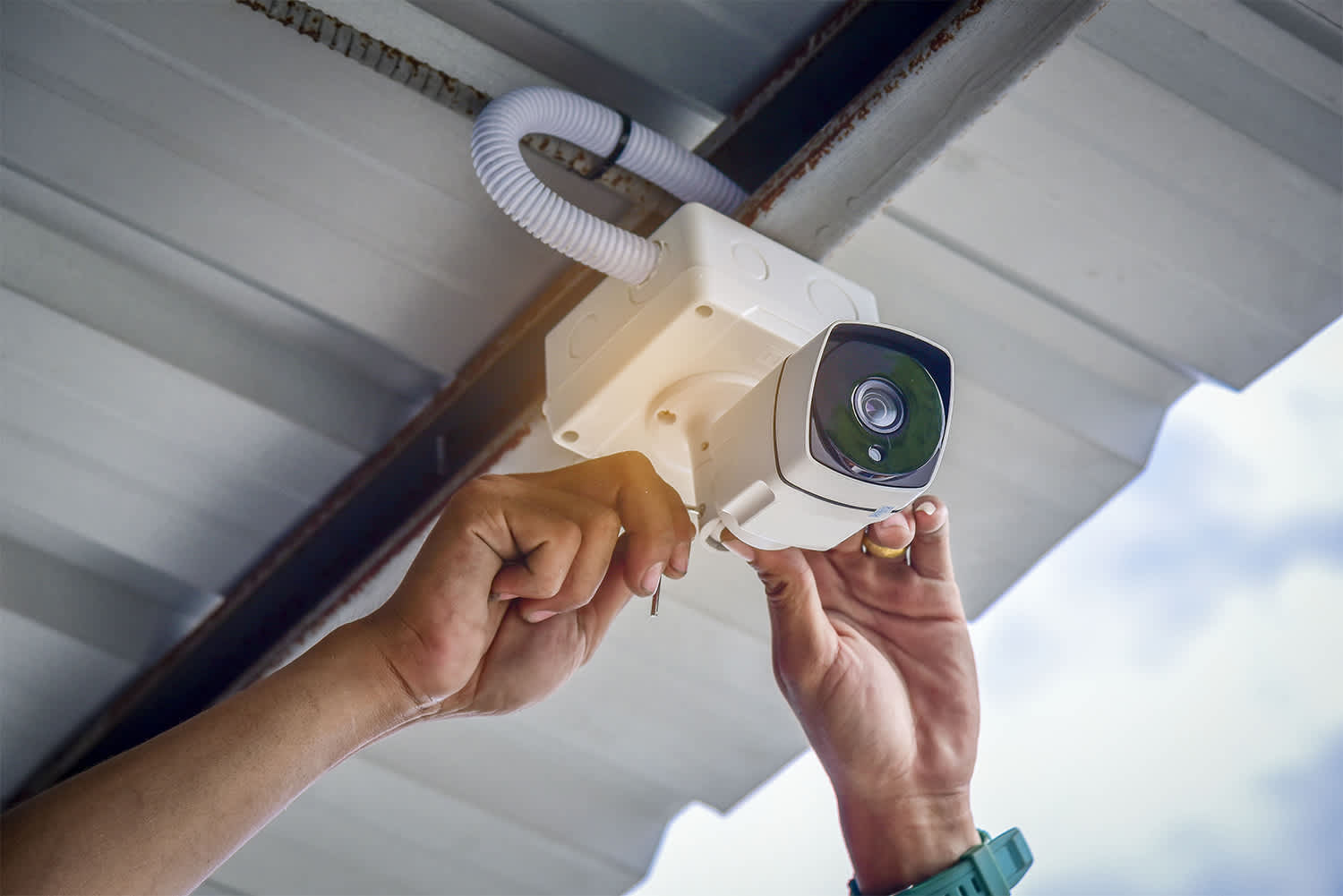


Top-rated landline phone service providers.

Best landline phone service providers near Node, WY

Enter your zip and get matched with up to 5 pros

Need a pro for your landline phone service project in Node, WY?

Select your specific project to find the pro for you.

Top-Rated Landline phone service providers in Node - Updated Nov 2026

Avatar for My Computer Works, Inc.
My Computer Works, Inc.
4.0(
630
)
Telephone Jacks and Wiring - Install - For Business

Serving Node, WY and surrounding areas

In business since 2005

Free estimates

Credit card accepted

"They were able to retrieve all of my photos and that was my biggest concern. I signed up for a monthly maintenance plan for all electronic devices in my house which puts my mind at ease. It covers all computers, pads, and smart phones."

Training and Support
Recommended by86%of homeowners
Avatar for TechDrive Support Inc
TechDrive Support Inc
New to Angi
Telephone System - RepairTelephone System - Repair - For Business

Serving Node, WY and surrounding areas

In business since 2022

Free estimates

Credit card accepted

TechDrive Support is a tech company that provides customer support for any issues pertaining to your computer, printer & other devices. We offers industry-leading remote technical support for software and hardware issues. We aim to simplify technology by providing end-to-end technical customer support and solutions for all your gadgets. Our Tech Advisors can remotely assist you in setting up a new computer or printer, upgrading or restoring your software and operating system, diagnosing hardware issues, and much more.\n\n24*7 remote support\nQuick resolutions\nAffordable prices\n100% customer satisfaction

Landline Phone Service FAQs, answered by experts

Make sure the tree roots soak around a day before you dig the tree up for the transplant. Keep the roots wet while the tree is above ground. After the transplant is finished, provide consistent water every day for the first month or so. You don’t want to overwater the tree, but you do want to keep the roots wet so they can thrive in their new environment.

A tree growing close to a house can pose several risks, but removal isn't always the only or best solution. Potential problems include roots growing into the foundation and causing structural cracks, branches damaging the roof or promoting moss growth, and debris clogging gutters, which can lead to water damage. Trees can also provide access for pests and encourage mold. However, a small, healthy tree may not be a problem, and for larger, established trees, strategic trimming can be a cheaper and more beneficial alternative to removal. It is generally recommended to take action for trees within 10 to 20 feet of your home, especially if they are unhealthy or encroaching. Your best bet is to consult a professional arborist who can assess the specific situation and provide expert advice.

All of the tree root removal methods mentioned above are effective on any kind of root, whether it’s still growing or simply needs a gentle nudge to finish decomposing. The only difference is that larger roots tend to be harder to remove and may require multiple chemical treatments as well as manual labor to eradicate.

If you want to take your tree-planting hobby beyond your outdoor space, here are a few great ways to do it:

  • Encourage your neighbors to participate in the Arbor Day Foundation’s Tree City USA program, which has a four-step framework that helps communities grow and maintain their own tree cover.

  • Support businesses that plant trees. 

  • Lobby your local government to plant more trees around your community.

  • Donate to a tree-planting charity.

The best time to transplant a tree is when it is dormant. For many trees, this means either in the fall after the leaves have dropped (around October or November) or in early spring before new growth begins (around March). The ideal timing can depend on the type of tree. Deciduous trees do well when moved in early spring or fall, while evergreens are best transplanted in early spring or late summer. For example, pine trees are best moved in early fall, but maples prefer late fall. Avoid transplanting in winter, as the frozen or hard, cold soil poses a significant risk to the roots and prevents the tree from acclimating properly.

The Node, WY homeowners’ guide to landline phone services

From average costs to expert advice, get all the answers you need to get your job done.