
Top-rated masons.

Get matched with top masons in Natrona County, WY

Enter your zip and get matched with up to 5 pros

Need a pro for your masonry work project in Natrona County, WY?

Select your specific project to find the pro for you.

Find Masons in Natrona County

Avatar for Foundation Support Systems of Wyoming
Foundation Support Systems of Wyoming
5.0(
1
)
Concrete Foundation - RepairConcrete Foundation - Raise

Serving Natrona County, WY and surrounding areas

Approved

In business since 2013

Free estimates

Warranties offered

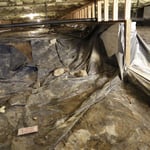
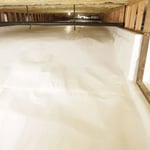
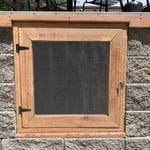
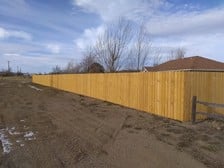
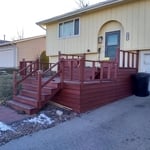
Foundation Support Systems of Wyoming offers services such as foundation repair, concrete leveling, basement encapsulation, waterproofing/ sump pumps, and other services. They service the entire state of Wyoming.

7 neighbors recently requested a quote
Recommended by100%of homeowners
Showing 1-10 of 37
Masonry questions, answered by experts

Two types of masonry are veneer masonry and solid masonry. Veneer masonry is thin brick or stone material attached to the face of a building. With veneer masonry, the walls support the weight of the masonry products rather than the masonry being built on a concrete footing. Solid masonry is a wall or other brick or stone structure built on a concrete footing, and the masonry supports itself.

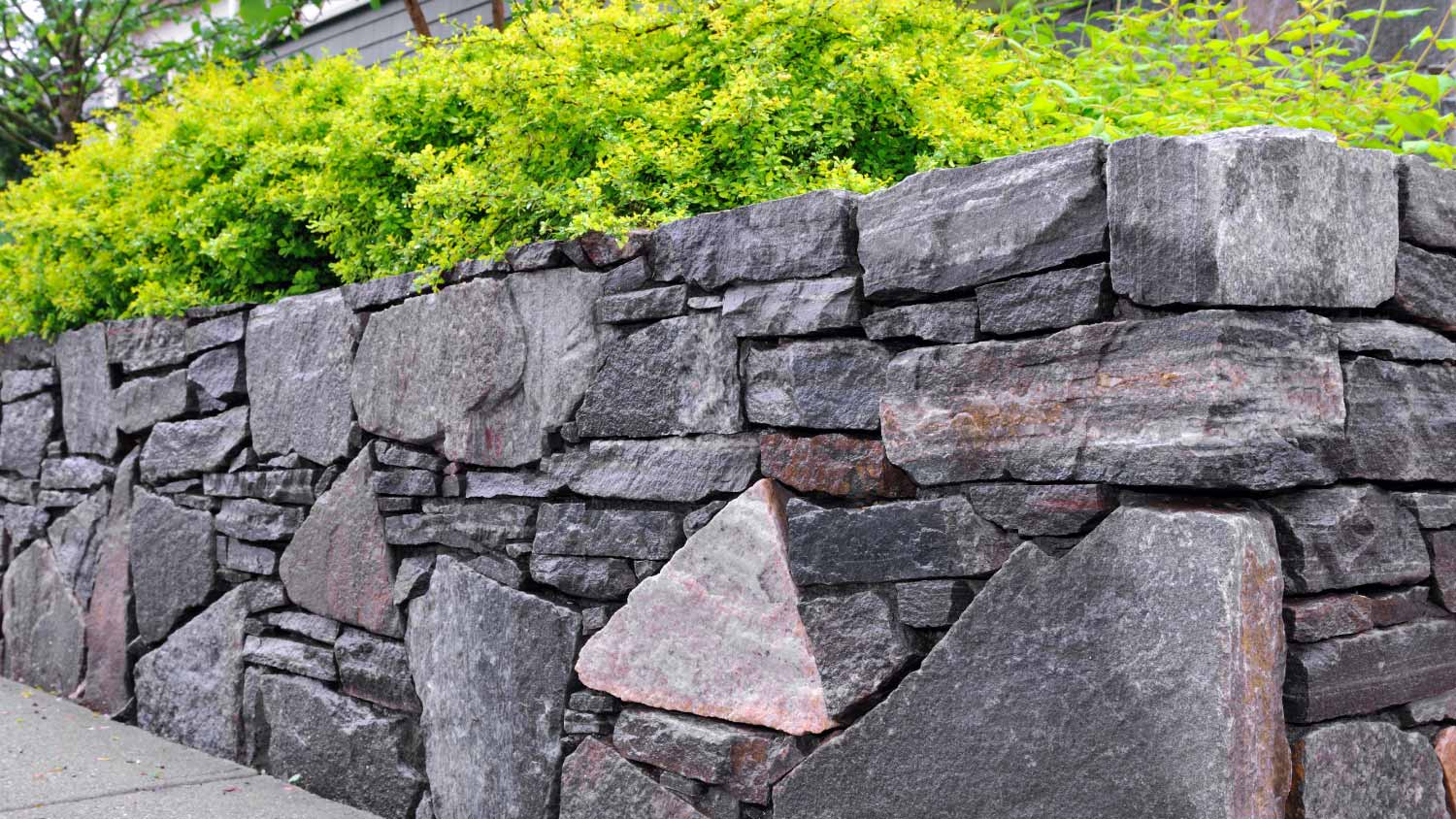
A mason lays brick or stone together, sometimes with mortar in between the bricks and stones, and sometimes without mortar, also called a dry-stack or surface bonding. Examples of work masons do include:

  • Brick, stone, or cement block houses and buildings

  • Freestanding stone or brick walls

  • Chimneys with wood-burning fireplaces

  • Cement block basement or crawl space walls

You can use a regular drill to make pilot holes for gutter brackets in the wooden fascia board around the top of your house, but it’s not the best tool for brick. Instead, you’ll need a heavy-duty power tool like a hammer drill with a carbide tip bit.

Depending on the amount of soot present, you can vacuum some of it using a brush attachment on your vacuum cleaner. Then, remove the leftovers with a mild cleaner, such as dish soap or vinegar mixed with water. Before applying a cleaning solution, saturate the bricks with clean water to prevent the cleaner from penetrating beyond the surface and causing structural damage to the bricks.

When painting brick, each application method has distinct advantages and disadvantages. Spraying is significantly faster but may not penetrate deeply beyond the surface layer. Rolling is effective for working paint into the brick's texture but can be less effective on mortar joints. If you opt for a roller, choose a thick nap of at least a half-inch to ensure paint gets into all the crevices for even coverage. Using a brush is generally not recommended as it is very time-consuming and provides poor surface penetration. Ultimately, a combination of spraying followed by back-rolling is often the best strategy for a durable and even finish.

The Natrona County, WY homeowners’ guide to masonry services

From average costs to expert advice, get all the answers you need to get your job done.