
Top-rated radon detection and reduction specialists.

Get matched with top radon detection and reduction specialists in Kemmerer, WY

Enter your zip and get matched with up to 5 pros

Need a pro for your radon detection and reduction project in Kemmerer, WY?

Select your specific project to find the pro for you.

Find Radon detection and reduction specialists in Kemmerer

Avatar for Radon Be Gone
Radon Be Gone
New to Angi
Radon Gas - AbatementRadon Gas - Testing

Serving Kemmerer, WY and surrounding areas

In business since 2019

Free estimates

Warranties offered

We are a locally owned and operated company that values honesty and integrity and\ntreats your home as if it were our own. We offer radon testing and mitigation services\nthat are customizable to each individual project. You will find us to be competitively\npriced, paying close attention to the details of each and every project that we are involved with. We look forward to building lasting relationships and guarantee your satisfaction!

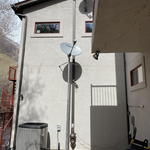
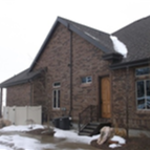
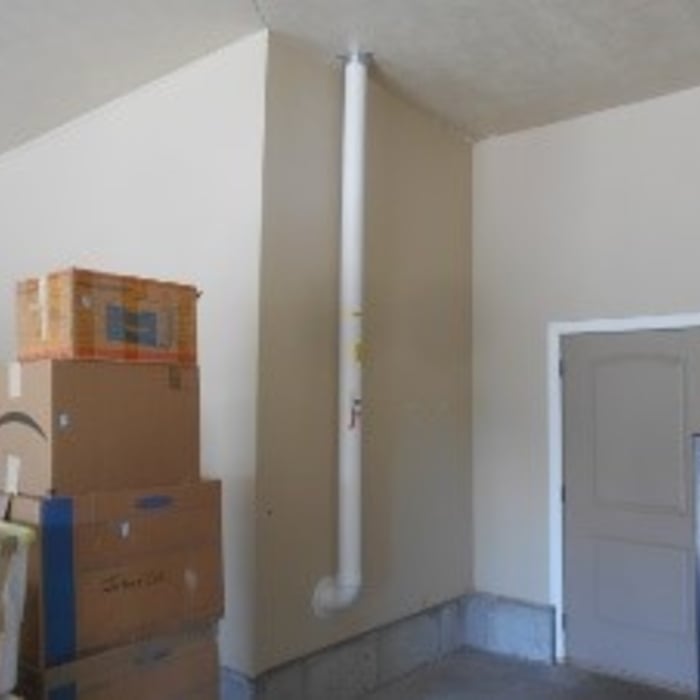
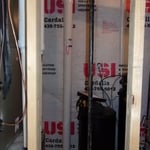
Radon Mitiagation
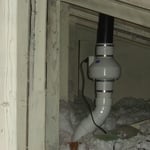
Interior System
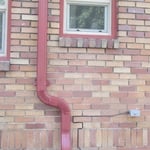
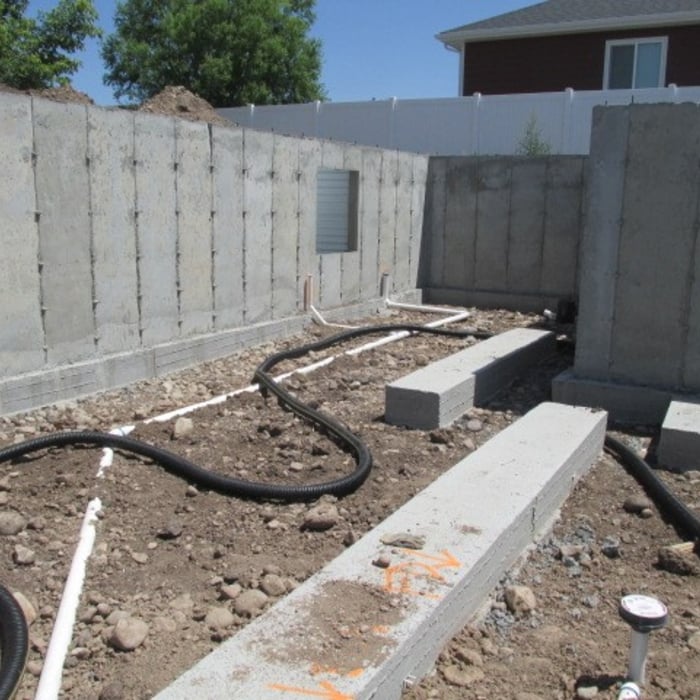
RRNC Mitigation
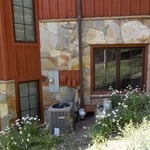
Radon Mitigation
RRNC Mitigation

+6

Radon Detection and Reduction questions, answered by experts

The lifespan of a radon mitigation system depends on the type of system and its maintenance. With proper care, a system can last for many decades. Passive systems tend to last longer as they have fewer components that require replacement. Active systems, which have more moving parts like fans, generally have a shorter lifespan. For instance, water filtration devices and active pressurization systems require more frequent maintenance. While the system as a whole is durable, the radon fan in an active system typically has a lifespan of 5 to 10 years and will need to be replaced. As long as the fan is working, the mitigation system should function correctly.

You'll need to test your home for radon after installing the mitigation system, then again every two years. If radon remains elevated, contact a licensed radon professional, either the contractor who installed the system or a different one, and have them evaluate the system. They may need to make some changes to improve its effectiveness and performance.

The soil beneath your house is most likely what’s causing an increased level of radon. This is because soil holds radioactivity for a long time and it’s also what most buildings are built on. Another common source of radon is water from a source that hasn’t been through periodic radon tests, such as well water. Over time, the radon from the soil can inhabit other parts of your house like the foundation or plumbing.

The natural breakdown of uranium in soil, rock, and water can cause radon to appear in a home. The gas seeps into homes through cracks in foundations, walls, or floors, as well as through gaps around pipes or construction joints. Radon levels are influenced by soil composition, building materials, and ventilation. Poorly sealed or airtight homes can trap radon, allowing it to accumulate.

The cost to replace a radon fan ranges from $300 to $600 for the fan itself, with installation adding an additional $200 to $500. Overall, the total cost for replacement can range from $500 to $1,100, depending on factors such as the fan model, home size, and local labor rates. If the fan is part of a larger radon mitigation system, the price may be higher.

The Kemmerer, WY homeowners’ guide to radon detection and reduction services

From average costs to expert advice, get all the answers you need to get your job done.