

Top-rated radon detection and reduction specialists.

Get matched with top radon detection and reduction specialists in Evanston, WY

Enter your zip and get matched with up to 5 pros

Need a pro for your radon detection and reduction project in Evanston, WY?

Select your specific project to find the pro for you.

Find Radon detection and reduction specialists in Evanston

Avatar for Radon Be Gone
Radon Be Gone
New to Angi
Radon Gas - AbatementRadon Gas - Testing

Serving Evanston, WY and surrounding areas

In business since 2019

Free estimates

Warranties offered

We are a locally owned and operated company that values honesty and integrity and\ntreats your home as if it were our own. We offer radon testing and mitigation services\nthat are customizable to each individual project. You will find us to be competitively\npriced, paying close attention to the details of each and every project that we are involved with. We look forward to building lasting relationships and guarantee your satisfaction!

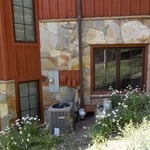
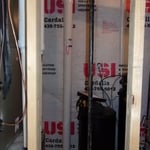
Radon Mitiagation
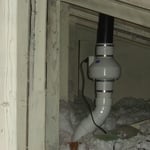
Interior System
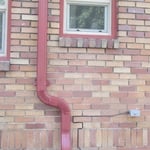
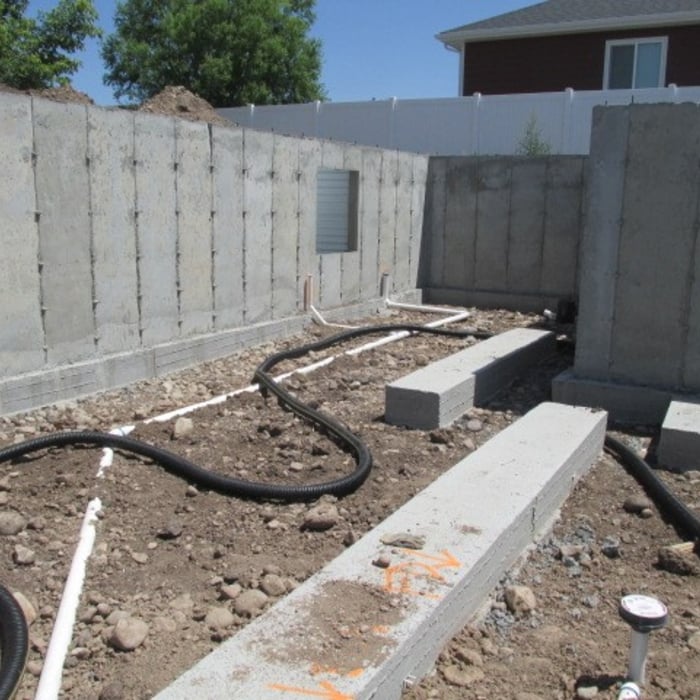
RRNC Mitigation
Radon Mitigation
RRNC Mitigation

+6

Avatar for Utah Mold Pros
Utah Mold Pros
New to Angi
Radon Gas - Testing

Serving Evanston, WY and surrounding areas

Free estimates

Small jobs welcome

Credit card accepted

At UMP (Utah Mold Pros), we specialize in helping families and homeowners create healthier indoor environments through precise, science-backed testing. Our work goes beyond basic mold and air quality assessments—we identify hidden contaminants that can silently impact your health and home.

Mold/IAQ Testing
Radon Detection and Reduction questions, answered by experts

The lifespan of a radon mitigation system depends on the type of system and its maintenance. With proper care, a system can last for many decades. Passive systems tend to last longer as they have fewer components that require replacement. Active systems, which have more moving parts like fans, generally have a shorter lifespan. For instance, water filtration devices and active pressurization systems require more frequent maintenance. While the system as a whole is durable, the radon fan in an active system typically has a lifespan of 5 to 10 years and will need to be replaced. As long as the fan is working, the mitigation system should function correctly.

Abatement includes sealing entry points and venting with systems that reduce radon levels below recommended EPA limits. It is handled by certified professionals.

Ideally, no one will live in a house with elevated radon levels, as prolonged exposure increases the risk of serious health issues like lung cancer. However, homes with radon can be made safe through mitigation systems, such as active soil depressurization. Testing for radon regularly and addressing high levels helps ensure a safe living environment.

The average radon mitigation system uses about 876 kWh of electricity per year, although the exact amount of electricity used will vary depending on the size of the radon fan. Once the system is installed, the annual increase to your energy bill could range from $30 to $300 per year, again depending on the size of the fan.

If your home has a sump pit, you can integrate it with a radon mitigation system. You can accomplish this by sealing the pump cover with an airtight lid that accommodates radon vent pipes and sump pump hoses. This allows the vent pipe to redirect the radon gas outside of your home.

The Evanston, WY homeowners’ guide to radon detection and reduction services

From average costs to expert advice, get all the answers you need to get your job done.