


Top-rated concrete mudjacking pros.

Get matched with top concrete mudjacking pros in Hoback Junction, WY

Enter your zip and get matched with up to 5 pros

Need a pro for your concrete mudjacking project in Hoback Junction, WY?

Select your specific project to find the pro for you.

Find Concrete mudjacking pros in Hoback Junction

Avatar for Groundworks
Groundworks
4.3(
28
)
Concrete - Injection Leveling - MudjackingConcrete - Injection Leveling - Mudjacking - For Business

Serving Hoback Junction, WY and surrounding areas

Approved (Corporate)

In business since 2010

Free estimates

Warranties offered

"we had concrete pads added after home construction. One pad had a 2 inch settlement on one corner. Complicating this was a stone wall sitting atop the pad. Excellent restoration was done by Groundworks From Bozeman. After a thorough evaluation by Ben, Chelsea and Tyler were prompt, educational and successful. I Highly recommend this company for your concrete/foundation needs."
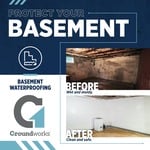
Basement
Basement
Basement
Basement
Foundation

+16

Response time2 days
54 neighbors recently requested a quote
Recommended by72%of homeowners
Concrete Mudjacking questions, answered by experts

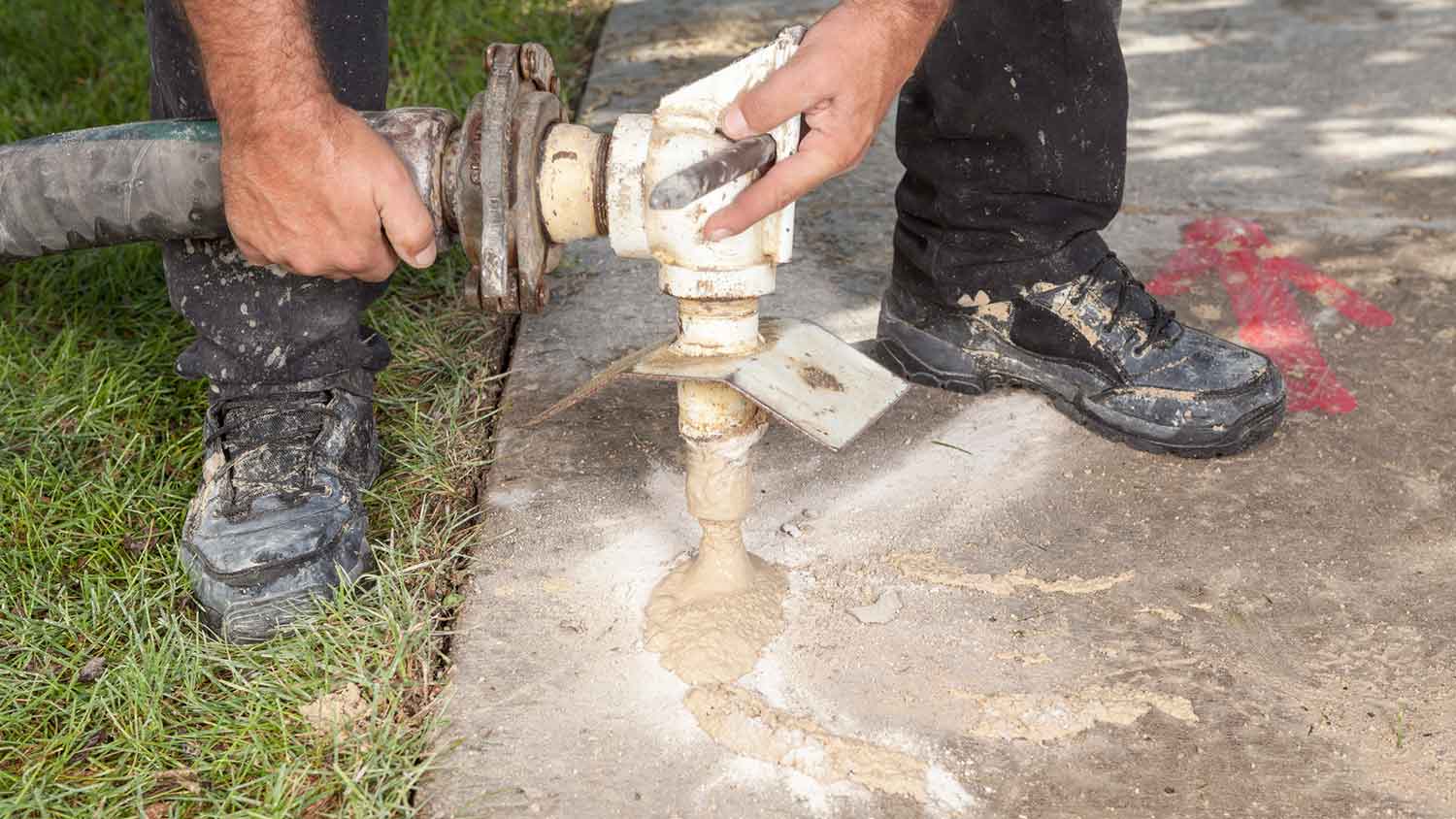
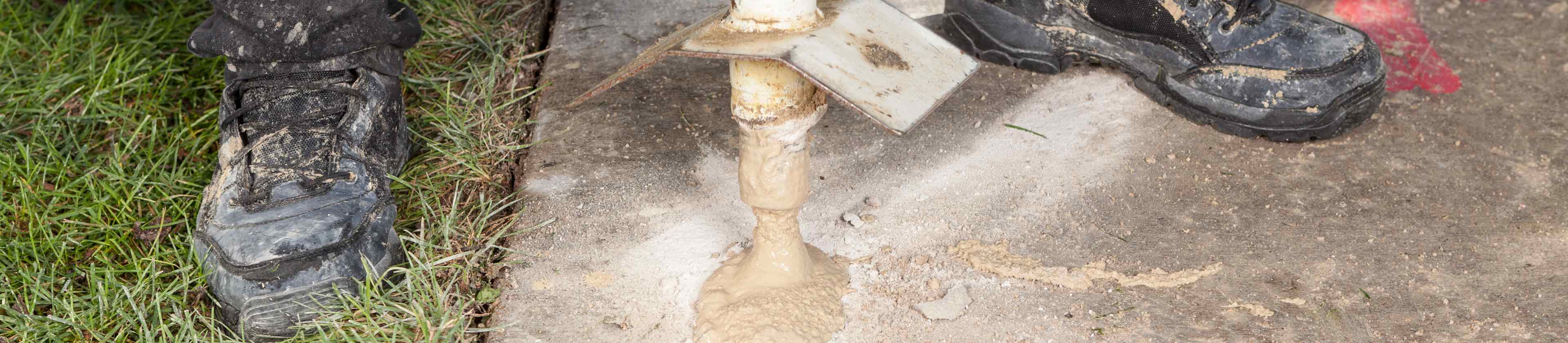
Yes, you can mudjack cracked concrete, but the cracks will need to be repaired once the concrete has been leveled. If the concrete is severely cracked in multiple places, replacement may be a better option, but for less severe cracking, mudjacking is a good solution as long as cracks are correctly caulked and sealed.

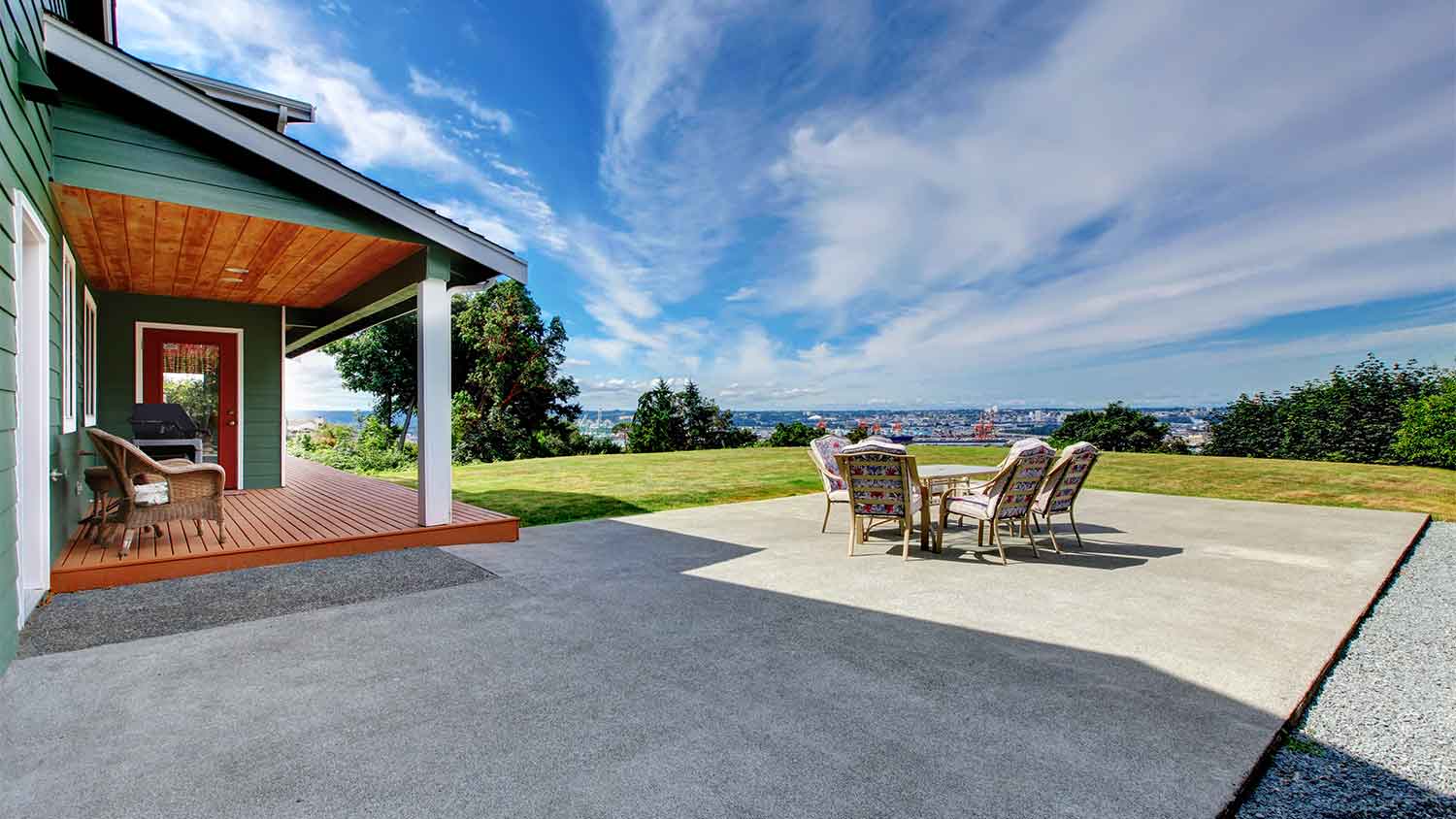
Polyjacking and mudjacking can both be effective solutions for sinking concrete, but they have key differences. Polyjacking, which uses expanding polyurethane foam, is often considered a better option because the foam is significantly lighter than the cementitious material used for mudjacking. This reduced weight puts less pressure on the underlying soil and lowers the risk of future sinking. Polyjacking is suitable for any sinking concrete slab, while mudjacking is typically only recommended for non-structural concrete, such as sidewalks, patios, pool decks, and driveways. The primary drawback of polyjacking is its cost, which can be up to four times higher than mudjacking—as much as $25 per square foot compared to a maximum of about $6 per square foot for mudjacking.

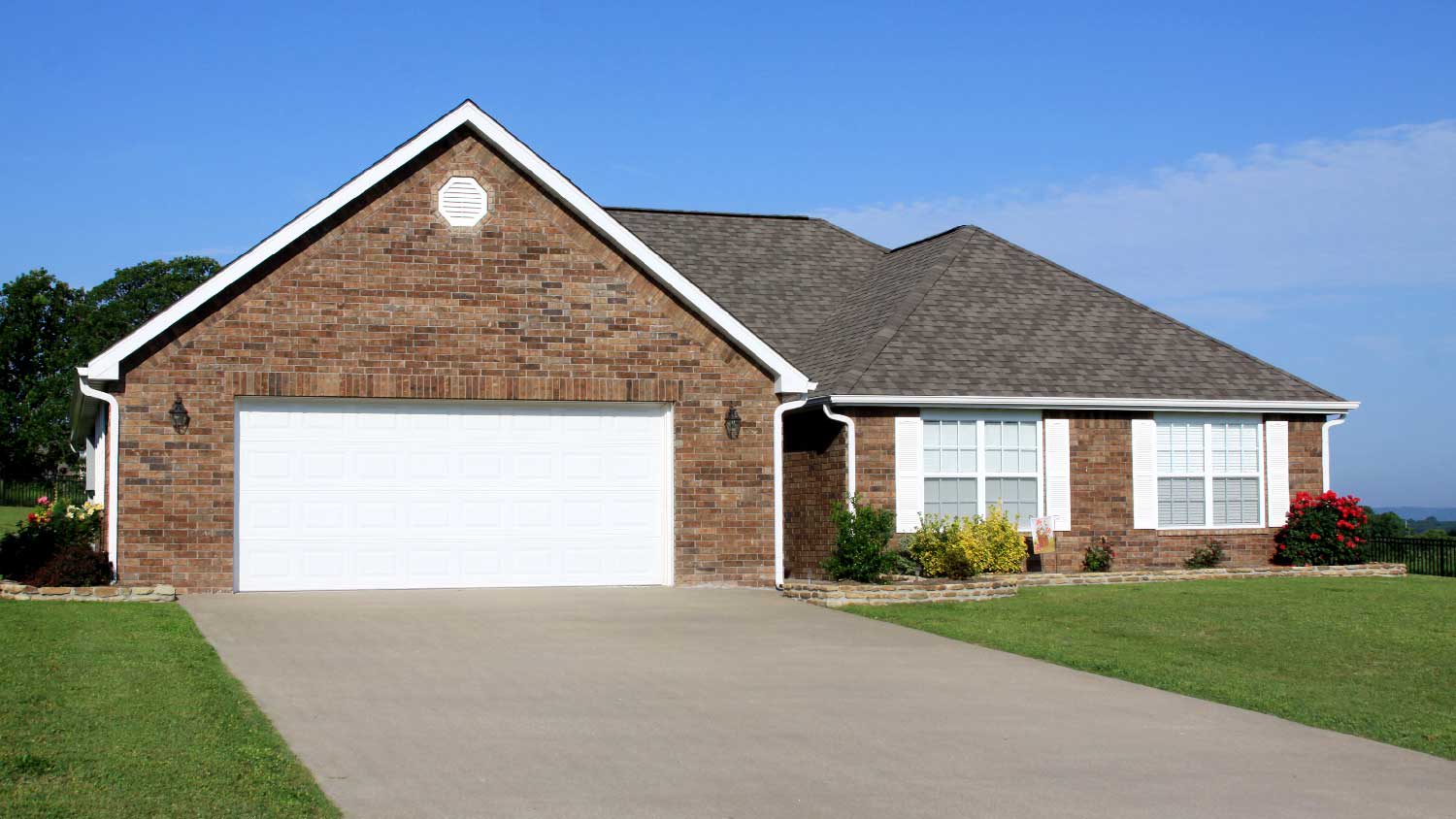
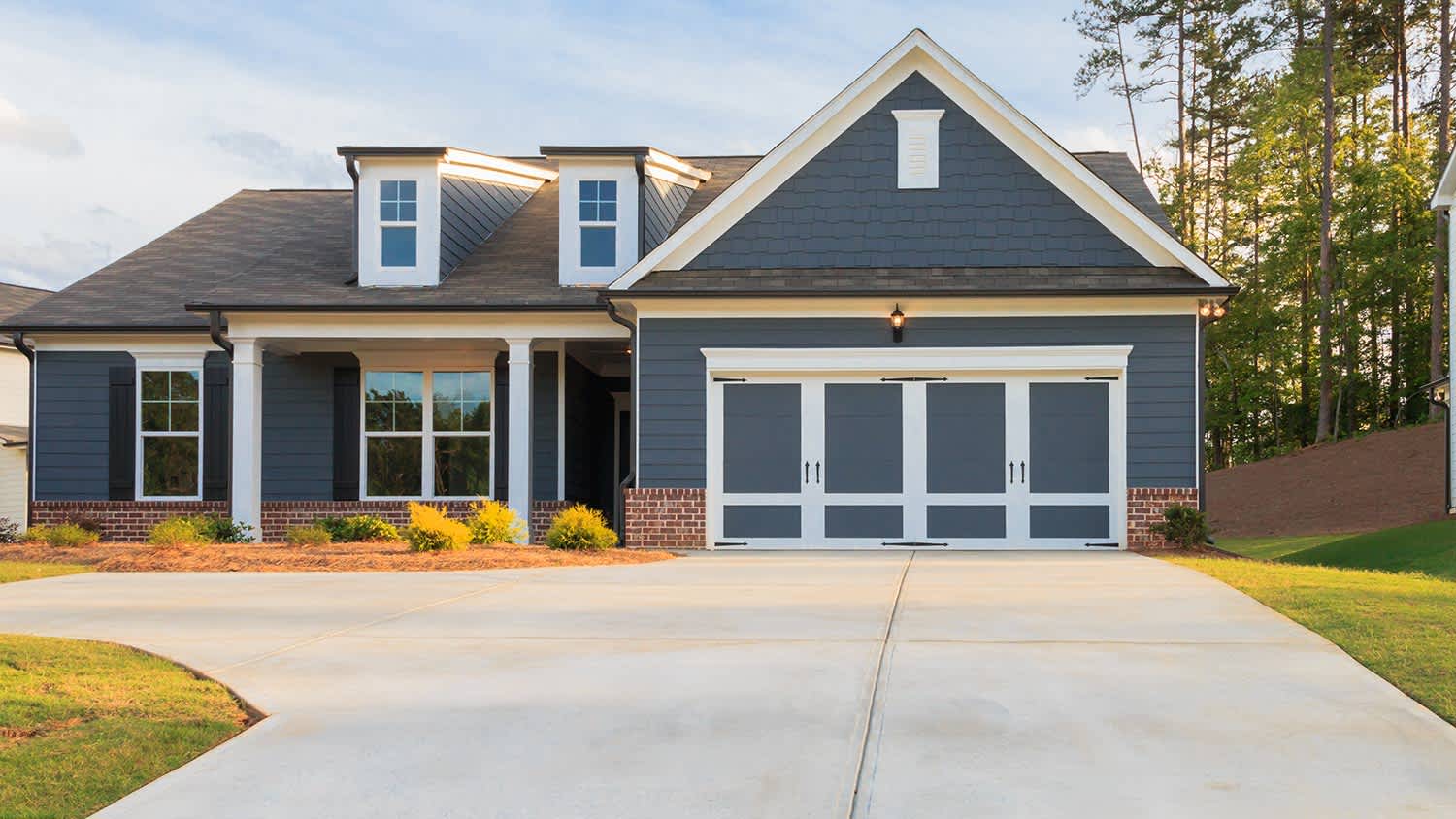
Mudjacking is usually reserved for light-duty slabs, like patios, driveways, and sidewalks. However, it can be an effective way to lift garage slabs and concrete around the perimeter of the home, which could harm your foundation if it’s not done properly. The risk of damage is why having a professional mudjacking company carry out the work is important. This type of slab or foundation repair is relatively inexpensive, especially if you consider that a DIY job requires that you pay to rent the necessary equipment.

Trenching and boring are two distinct methods for installing underground utilities. Trenching involves digging a channel using equipment like an excavator, trencher, backhoe, or shovel. While it is a simpler process, it causes significant disruption to the surface, landscaping, and surrounding ecosystems.

Boring, also known as directional boring, is a less invasive alternative that uses a drill to create a tunnel for utility lines without disturbing the surface. This method is more precise and is ideal for installations that need to go underneath buildings, roads, or bodies of water. Although boring is less disruptive, it is generally more expensive than trenching.

Charges correlate with surface size, settlement depth, and access, often yielding significant savings over concrete replacement.

The Hoback Junction, WY homeowners’ guide to concrete mudjacking services

From average costs to expert advice, get all the answers you need to get your job done.