
Get matched with top radon detection and reduction specialists in Rupert, WV
Top-rated radon detection and reduction specialists.

Need a pro for your radon detection and reduction project in Rupert, WV?

Select your specific project to find the pro for you.

Find Radon detection and reduction specialists in Rupert

Avatar for SWAT Environmental, Inc.
SWAT Environmental, Inc.
5.0(
2
)

Serving Rupert, WV and surrounding areas

In business since 1988

Free estimates

Credit card accepted

SWAT Environmental has keeping homeowners safe from Radon Gas since 1988. We are the nation's largest Radon Mitigation company but we are local operated and give each customer personal, high class service! Installing over 150,000 mitigation systems, SWAT is the industry leader in Radon Awareness and Mitigation. Call us today to schedule your radon mitigation system installation for less than the cost of most major home appliances!

Response time12 hrs
Recommended by100%of homeowners

Radon Detection and Reduction questions, answered by experts

Radon detection is crucial as prolonged exposure to radon gas, a leading cause of lung cancer, poses significant health risks in residential environments.

Radon is present almost everywhere but, like sunlight, the concentration levels and how often you are exposed to it have a large part to play in just how dangerous it is. There are levels of radon that are acceptable inside a house, but above a certain limit, radon becomes a serious radioactive hazard that is a known cause of lung cancer. In fact, radon exposure is the number two leading cause of lung cancer (after smoking).

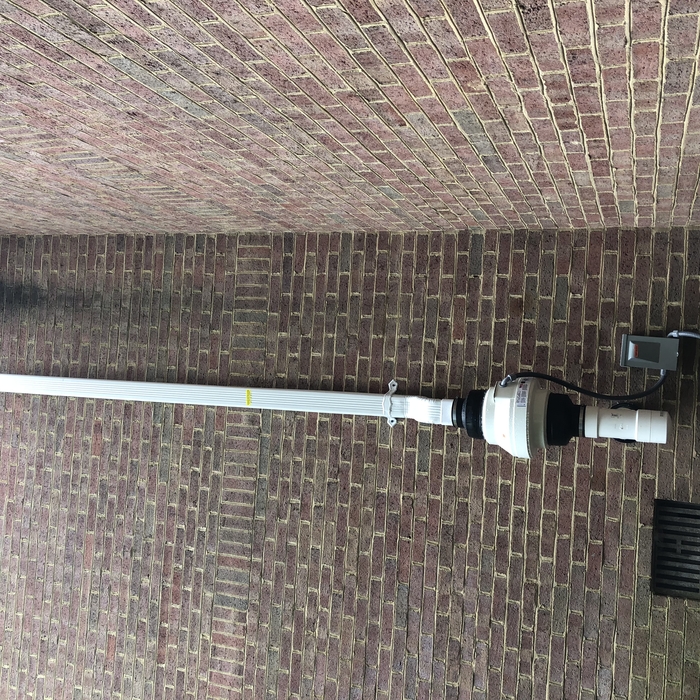
Many radon fans carry a five-year manufacturer's warranty. That said, your radon fan should last between five and ten years. Regular inspections will ensure the fan is operating properly. Unusual or exceptional noise coming from the fan or indications on your manometer or system monitor can immediately tell you that something is amiss.

No level of radon is technically safe, but since it is present everywhere, complete avoidance is impossible. The average radon level in homes across the United States is 1.3 picocuries per liter (pCi/L). The Environmental Protection Agency (EPA) recommends taking preventative measures if your home's radon levels are between 2 and 4 pCi/L or higher.

Keeping radon from getting into your home is much better than having to get rid of it once it's already indoors. While there may not be a way to fully prevent radon from getting into your home, there are things you can do to reduce the gas's ability to enter. 

Sealing foundation cracks and openings can help keep the gas from seeping inside. Improving air flow, such as by opening windows, can also be helpful. If you're building your home from scratch, talk to your contractor about using radon-resistant construction to keep the gas out.

The Rupert, WV homeowners’ guide to radon detection and reduction services

From average costs to expert advice, get all the answers you need to get your job done.