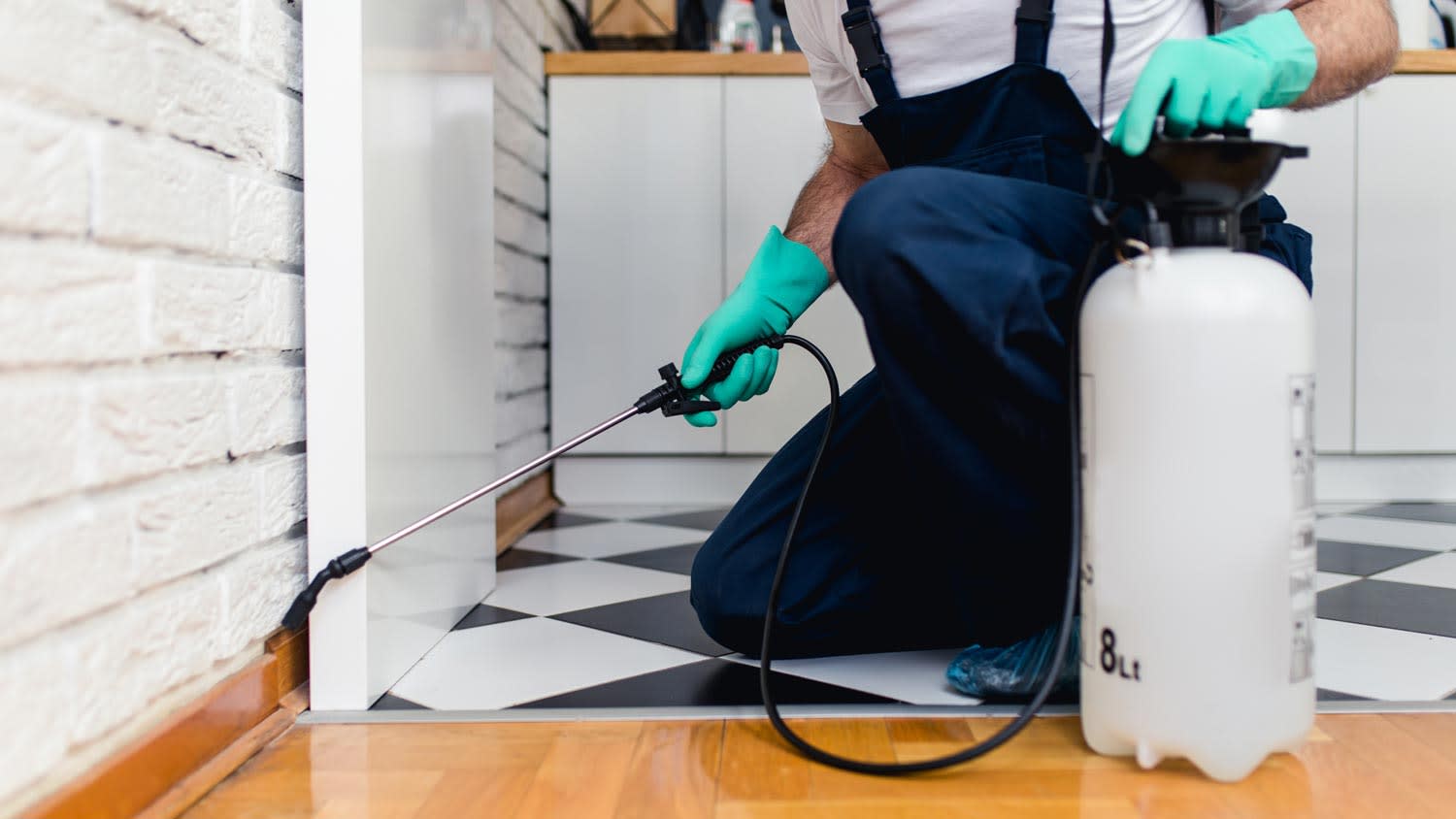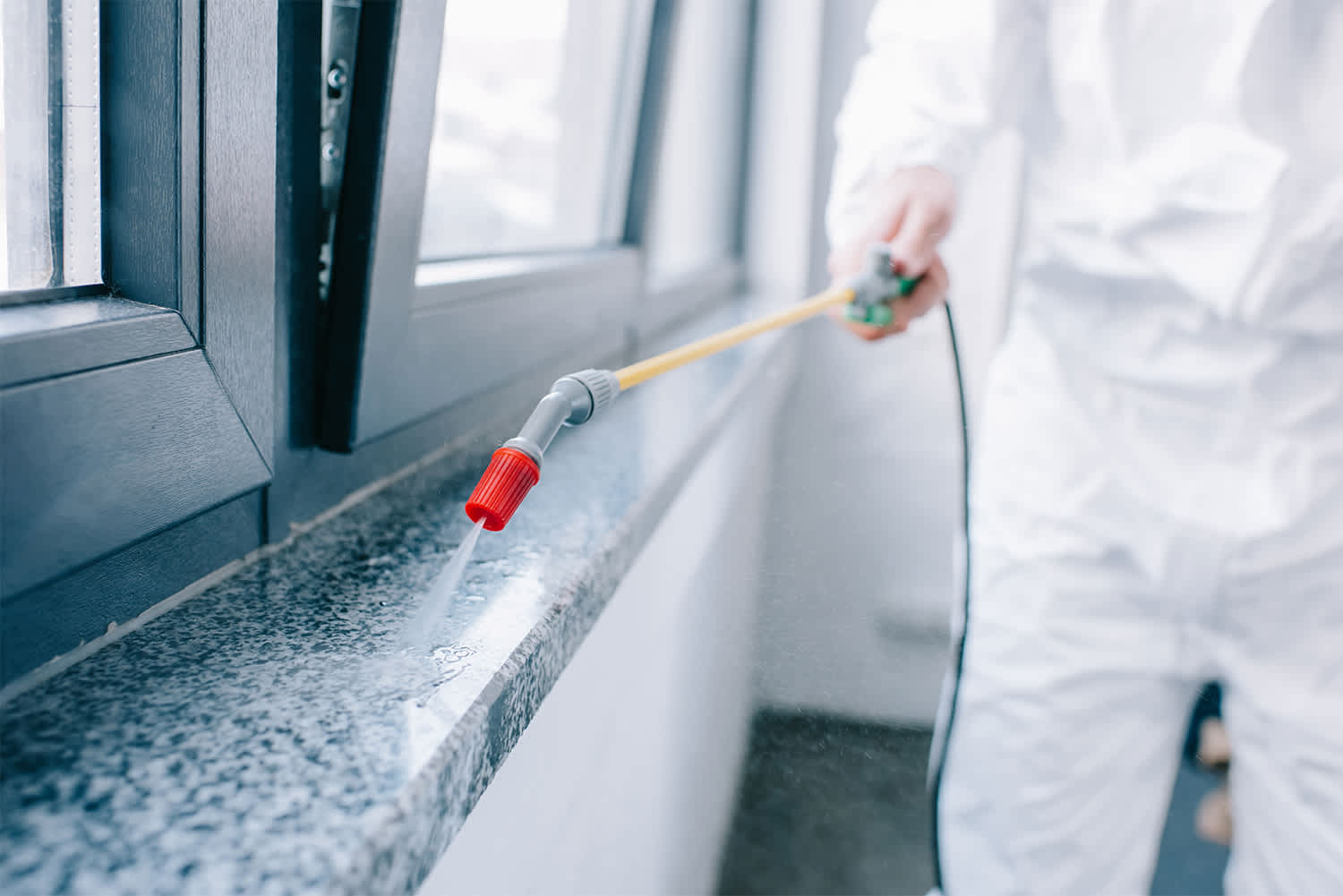




When pests show up, so do we.\n\nFor nearly a century, Terminix® has been one of America's most trusted names in pest control. Every day, our exterminators serve thousands of homes and businesses nationwide, combining national service with local knowledge to provide best-in-class, proactive pest management solutions. We stop problems before they start and respond quickly if issues arise, keeping your property protected.\n\nAnd for extra peace of mind, if pests come back, so do we‐guaranteed.\n\nThe Terminix It Guarantee means that if pests come back, so do we to re-treat at no additional cost. No excuses, just a commitment to care for your home like it's our own with protection you can trust.3
"Very friendly tech came to examine our house. He was really late, but this did not matter - lost his way. The cost was way beyond what we are willing to pay for pest control (over $1000) but we do have a fairly problematic carpenter bee problem."
When it comes to protecting homes, Terminix has satisfied more customers than any other insect and pest control company in the industry, with more than 15 million service visits annually.
"I have a contract with them so I have to use them again. It pays for itself eventually if you get good repair people. You don't control who they send."
Spiders are tiny creatures that can squeeze through the smallest cracks, so it’s impossible to guarantee eradication of every one within a home. However, understanding how to get rid of house spiders helps you be proactive with preventatives, minimizing the chance of an infestation taking hold. And if you do end up with a spider colony, thankfully, there are effective strategies for controlling the numbers.
It can be difficult to know what type of animal is in your attic until you see it. But several clues can help you narrow down the suspects:
Sounds: Smaller animals like rats and mice make scurrying and tapping/gnawing sounds. Larger animals like raccoons and opossums make louder clambering noises. Also, note when animals are noisy: Squirrels are active during the day, while rats are busiest at night.
Droppings: Rats and mice leave small, rice-shaped droppings (the rat’s version is significantly larger). Bigger droppings belong to larger critters like raccoons. As long as you’re not squeamish, an image search can help you identify what you’re seeing in your attic.
When in doubt, take photos of damage or other evidence and show them to an experienced pest control pro.
Not necessarily. If you see a swarm of flying insects, it could be flying ants or termites, but not always both. However, since these winged pests are attracted to moist and rotting wood, there’s a chance that both species are present at the same time.
False chinch bugs are generally smaller and somewhat paler than true chinch bugs, although they otherwise look similar. The name is a bit of a misnomer: They act very similarly and both feed on plants by sucking out their juices. However, chinch bug feeding tends to be very destructive to the plant, while strangely the false chinch bug does relatively little damage.
No, wasps only attack when they feel threatened. A sting may seem unprovoked to us, but we likely got too close to a nest. Threatened wasps do, however, send out a strong pheromone that instantly attracts any other wasps in the area.
The Rupert, WV homeowners’ guide to pest control services
From average costs to expert advice, get all the answers you need to get your job done.