


Top-rated energy efficiency auditors.

Get matched with top energy efficiency auditors in Rand, WV

Enter your zip and get matched with up to 5 pros

Need a pro for your energy efficiency auditing project in Rand, WV?

Select your specific project to find the pro for you.

Find Energy efficiency auditors in Rand

Avatar for Mr. Handyman of Kanawha Valley
Mr. Handyman of Kanawha Valley
3.7(
94
)
Home Energy Audit

Serving Rand, WV and surrounding areas

Approved

In business since 2009

Warranties offered

Small jobs welcome

"Service, quality of work and professionalism were excellent! I would highly recommend the men who installed my new attic steps to anyone! They were prompt, courteous and the workmanship was perfect. Price was a little high BUT you get what you pay for and I am very pleased with what I paid for. Highly recommend and will definitely use again."
Mr. Handyman Service Van
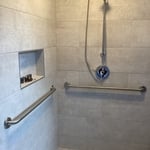
Shower
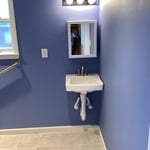
Sink
Grab bars
hangar

+9

3 neighbors recently requested a quote
Recommended by91%of homeowners
Capital City Construction, LLC
New to Angi
Energy Audit - For BusinessHome Energy Audit

Serving Rand, WV and surrounding areas

In business since 2009

Free estimates

Do you want to lower your energy bills? Increase your homes resale value? Protect your health? Or just Go Green? We can help! Capital City Construction is your all-inclusive solution to a green home and energy savings. We will thoroughly test your home using specialized testing equipment such as the Blower Door, Duct Blaster and Infrared Camera to create a plan that will protect your family and your wallet. From the Home Energy Audit, to completing the home improvements, to filling out the rebates forms, Capital City Construction will ensure your transition into an energy saving home is as effortless and affordable as possible. Capital City Construction specializes in energy audits of home and commercial buildings. Recommendations can range from improved energy-savings practices, structural improvements, and systems retrofits to energy conservation behavior changes among building occupants. Not sure if you need your home inspected right now? We can help you!!!

Energy Efficiency Auditing questions, answered by experts

STC (Sound Transmission Class) is a rating that describes how well a building material or assembly blocks airborne sound. A higher STC rating means less noise will pass through the material, providing better sound reduction. This rating system applies to various building components, including windows, doors, flooring, drywall, and insulation.

For context, a typical single-pane window has an STC rating of around 25 (where normal conversations are audible), while a well-sealed, double-pane window can exceed STC 45 (blocking loud speech and most music). It is important to note that for some products, like soundproofing drywall, the STC rating refers to the entire wall system, not just the individual panel.

Additionally, STC ratings are most effective for measuring sound reduction at mid-to-high frequencies, such as human speech, and may not accurately reflect how well a material blocks low-frequency sounds like bass music or thunder. Because of these factors, it is recommended to consult a professional to determine the right STC-rated materials for your specific soundproofing needs.

The extra insulation helps reduce energy costs by minimizing drafts and temperature exchange between indoors and outdoors.

If your AC runs constantly, it could be due to a number of things, including a faulty thermostat, incorrect temperature settings, or broken equipment. Alternatively, you might have an airflow problem (for example, blocked vents or leaky ductwork). Either way, an HVAC pro can identify the specific problem and fix it for you.

Dehumidifiers typically use 300 to 700 watts of electricity per hour, whereas portable dehumidifiers use about 40 watts per hour. The exact amount of electricity your dehumidifier will generate depends on its capacity and energy efficiency. Generally, higher-capacity dehumidifiers generate more electricity than lower-capacity units, but they also usually have better energy efficiency over the long run.

Thankfully, LED lights use less electricity than incandescent lights, meaning you won’t spend as much on utility bills by using these light strips. Each 5-meter LED light strip will cost about $3 per year on your energy bill.

The Rand, WV homeowners’ guide to energy efficiency auditing services

From average costs to expert advice, get all the answers you need to get your job done.