





Top-rated energy efficiency auditors.

Get matched with top energy efficiency auditors in Nitro, WV

Enter your zip and get matched with up to 5 pros

Need a pro for your energy efficiency auditing project in Nitro, WV?

Select your specific project to find the pro for you.

Find Energy efficiency auditors in Nitro

Capital City Construction, LLC
New to Angi
Energy Audit - For BusinessHome Energy Audit

Serving Nitro, WV and surrounding areas

In business since 2009

Free estimates

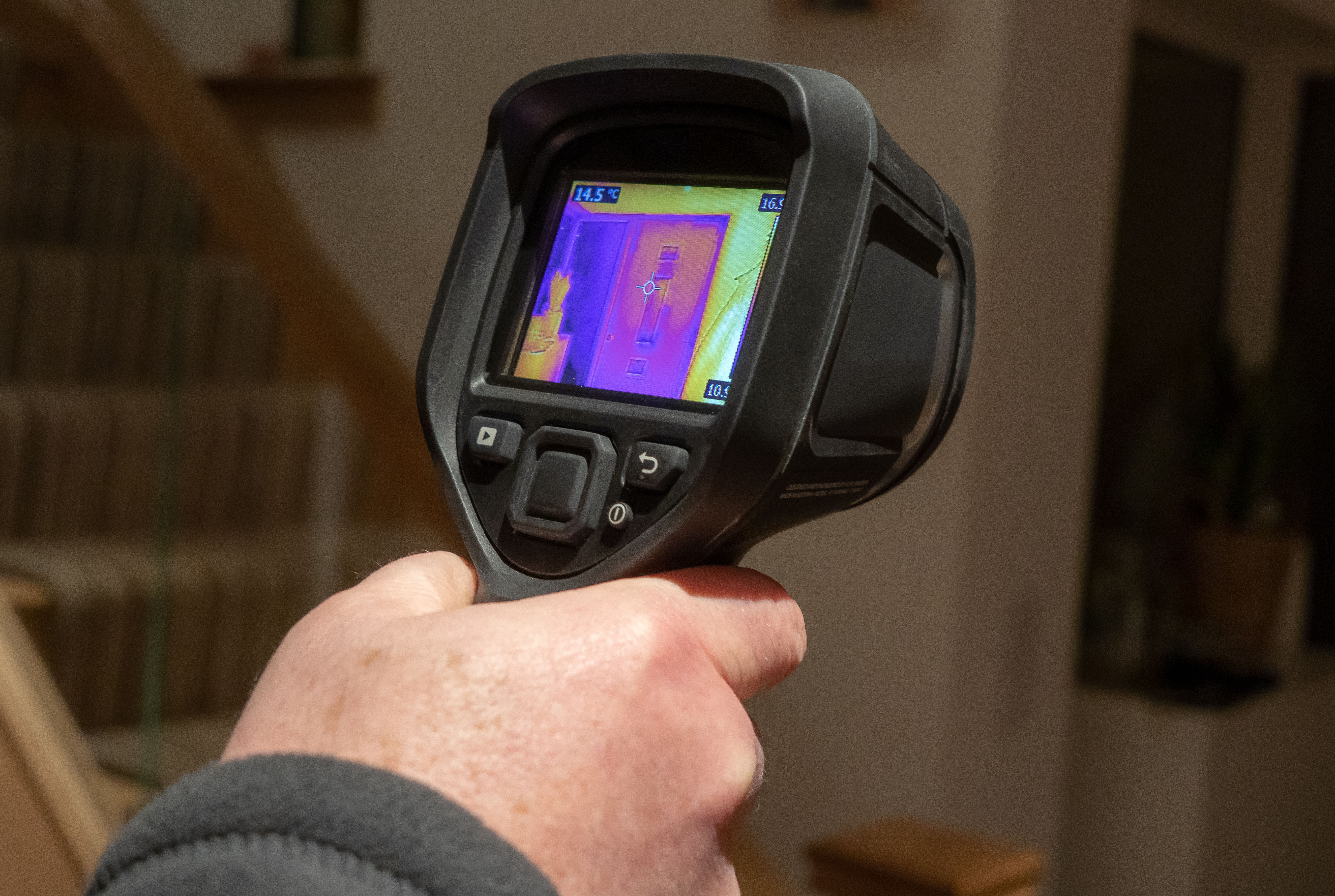
Do you want to lower your energy bills? Increase your homes resale value? Protect your health? Or just Go Green? We can help! Capital City Construction is your all-inclusive solution to a green home and energy savings. We will thoroughly test your home using specialized testing equipment such as the Blower Door, Duct Blaster and Infrared Camera to create a plan that will protect your family and your wallet. From the Home Energy Audit, to completing the home improvements, to filling out the rebates forms, Capital City Construction will ensure your transition into an energy saving home is as effortless and affordable as possible. Capital City Construction specializes in energy audits of home and commercial buildings. Recommendations can range from improved energy-savings practices, structural improvements, and systems retrofits to energy conservation behavior changes among building occupants. Not sure if you need your home inspected right now? We can help you!!!

Energy Efficiency Auditing questions, answered by experts

To determine the right size generator for your house, you should calculate the total wattage of the appliances and devices you want to power during an outage. List all essential items, note their start-up wattages, and add them together.

Here are some typical wattage requirements for common appliances:

  • Refrigerator: 600 watts

  • Large dehumidifier: 700 watts

  • Large window air conditioner: 1,400 watts

  • Water heater: 3,000 to 4,500 watts

  • Electric furnace: 5,000 to 25,000 watts

A 7,500-watt generator might be sufficient for essentials like a refrigerator, freezer, well pump, and lighting circuits. However, for high-demand items like a water heater or furnace, a whole-home generator is a better choice. A portable generator may be enough if you only need to power a few critical items.

While home square footage can offer a rough estimate, it is not always a reliable indicator. For reference, here are some typical generator sizes based on square footage:

  • 1,000 sq ft: 6–9 kW

  • 1,500 sq ft: 7–10 kW

  • 2,000 sq ft: 10–14 kW

  • 2,500 sq ft: 12–16 kW

  • 3,000 sq ft: 16–20 kW+

For the most accurate sizing, consult a professional who can calculate your home's peak and average power consumption and recommend the optimal generator.

There are several signs that your house might have poor ventilation, including lingering odors, condensation on your windows, or mold and mildew. Your home may also feel stale and stuffy, or you might have trouble maintaining a comfortable temperature in your home. On top of that, you might develop allergy symptoms, such as sneezing, coughing, or headaches.

Modern windows provide enhanced UV protection, improved heat retention, and cooling efficiency, contributing to overall household energy savings.

HVAC systems use the most household electricity. This major and essential system is responsible for heating and cooling your home all year round. Since they operate for a significant amount during the day, it consumes more energy than other appliances. 

Dryers are designed to use as little electricity as possible, but power is still required to run the motor that turns the drum and to heat an element that pumps hot air. Eco devices are available and may lead to cost savings in the long term, but you should run the figures before committing to an eco-friendly device as they are often much more expensive to purchase.

The Nitro, WV homeowners’ guide to energy efficiency auditing services

From average costs to expert advice, get all the answers you need to get your job done.