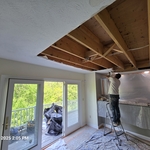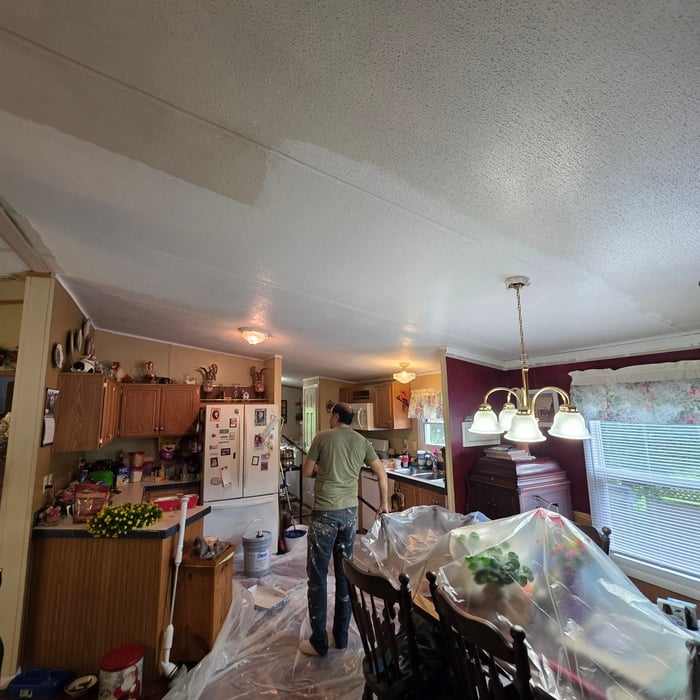
Top-rated drywall pros.

Best drywall pros near Masontown, WV

Enter your zip and get matched with up to 5 pros

Need a pro for your drywall service project in Masontown, WV?

Select your specific project to find the pro for you.

TRUSTED BY MASONTOWN, WV HOMEOWNERS

  • Average homeowner rating star icon4.8
    Average homeowner rating
  • Verified reviews icon37
    Verified drywall services reviews

Top-Rated Drywall pros in Masontown - Updated Nov 2026

Kodiak Drywall
4.6(
46
)
Drywall - Repair

Serving Masontown, WV and surrounding areas

Approved

In business since 1980

Emergency services offered

Small jobs welcome

"Duane did a fantastic job repairing drywall damage by basement flooding. He also finished drywall on a bathroom project that we had never finished. Duane provided an explanation of the work he would be doing and kept us updated on progress. He arrived promptly as scheduled, and quietly went about his work. This finished product was perfection. He even smoothed out some dings and scratches from years of moving furniture, etc. Duane left the area better than he found it, since it needed a thorough cleaning from the high water before he arrived. The finished walls are absolutely seamless."
drywall
drywall
drywall
drywall
drywall

+4

Response time4 hrs
Response rate89%
11 neighbors recently requested a quote
Avatar for Pro K Contracting LLC
Pro K Contracting LLC
4.9(
9
)
Drywall - Repair

Serving Masontown, WV and surrounding areas

Approved

In business since 2021

Free estimates

Offers commercial services

"The bug companies didn't even return phone call when the area had heavy rain/flooding. Pro k came out next day to remove the water then took out the carpet next da and haul it away. Very satisfied with work. Would highly recommend and will use again."
Response time2 days
Recommended by100%of homeowners
Avatar for C&K Handyman LLC
C&K Handyman LLC
4.9(
13
)
Drywall - RepairDrywall - Repair - For Business

Serving Masontown, WV and surrounding areas

In business since 2025

Free estimates

Small jobs welcome

"He did exactly what he said he would in a timely manner. His work was excellent and the ceiling repair looked better than before the water damage to the ceiling. I would highly recommend him for any type of drywall work. He was very nice to work with and at a very reasonable price.."
Handyman
Handyman
Handyman
Handyman
Response time3 hrs
Response rate97%
...
Showing 1-10 of 80
Drywall FAQs, answered by experts

The two most common drywall thicknesses for ceilings are 1/2-inch and 5/8-inch. For most standard residential applications, 1/2-inch drywall is sufficient and widely used. It provides adequate support and is lighter and easier to handle during installation compared to thicker sheets. However, 5/8-inch drywall is often used for specific cases where additional benefits are needed. It is heavier but provides superior sound dampening and fire resistance. You should consider using 5/8-inch drywall for ceilings in commercial buildings, between a garage and a living space, or above a finished basement to meet building codes or for enhanced soundproofing.

Drywall can get wet and dry out without sustaining permanent damage, but only if the water damage is minor. If you have a small leak and are quick to correct the issue and set up blower fans and dehumidifiers, your drywall should dry out. If the leak is persistent, the drywall becomes totally waterlogged, or mold begins forming on the drywall, you should remove and replace it.

Although they have similar applications, spackle and joint compound are not the same. Their primary differences lie in their composition, consistency, and ideal use cases.

Spackle is composed of gypsum and binding agents, making it thicker than joint compound. It dries quickly and is easy to sand, which makes it ideal for small wall repair projects like filling nail holes or patching minor damage.

Joint compound, also known as drywall mud, consists of limestone and gypsum. It is primarily used for large-scale projects, such as taping and finishing the seams on newly installed drywall. It tends to shrink more than spackle and can be more difficult to spread.

While both products can be used to fill small depressions and cracks, spackle cannot replace joint compound for taping and mudding new drywall. Conversely, you can often use joint compound for small patching jobs typically done with spackle.

Most load-bearing walls are exterior, though they can also be interior.

Certain drywall textures, like sand and sometimes popcorn, can be smoothed by applying skim coats, sanding the walls, or chipping away the texture. However, it’s worth considering removing the texture and starting with a blank canvas. Smoothing textured walls requires a lot of sandpaper and elbow grease and can take longer than just outright removing the texture.

The Masontown, WV homeowners’ guide to drywall services

From average costs to expert advice, get all the answers you need to get your job done.