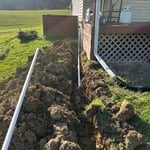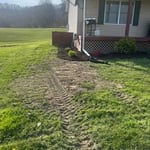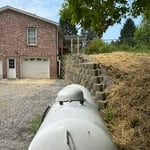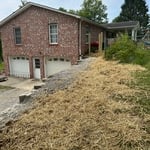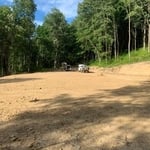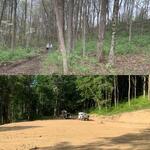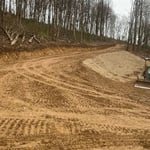









Top-rated excavation pros.

Best excavation pros near Grafton, WV

Enter your zip and get matched with up to 5 pros

Need a pro for your excavation project in Grafton, WV?

Select your specific project to find the pro for you.

Top-Rated Excavation pros in Grafton - Updated Nov 2026

Avatar for B&K Land Works
B&K Land Works
5.0(
10
)
Landscape - Minor Grading or ReslopingBuilding Site - Preparation and ClearingExcavation - Major Grading or Resloping+2 more

Serving Grafton, WV and surrounding areas

Approved

In business since 2015

Free estimates

Small jobs welcome

"Communication with B and K / Hoffman Excavating was excellent from the beginning. The contact person was Jeremy- he was focused, friendly and professional as I explained the project and my goals for completing it. The discussion was straightforward and constructive- then the agreed scope of the project was clearly listed in the contract. That transparency was unlike other contracts presented to us in our search for a professional. Many of those were so vague that we couldn't sign them. Jeremy worked with all groups needing to issue permits for the work to be done, including the HOA for the gated community where the project would be done. Once the physical work started, they remained in daily contact, supplying pictures and videos since we couldn't be there to see progress. Changes were only made after we both understood and agreed. Upon completion, the workers did a FaceTime video so I was comfortable submitting final payment, I don't have a single complaint! I would hire them again."
Rock Removal
Response time1 day
Response rate98%
8 neighbors recently requested a quote

Avatar for C & A Construction
C & A Construction
5.0(
6
)
Building Site - Preparation and ClearingExcavation - Major Grading or ReslopingLandscape - Minor Grading or Resloping
Serving Grafton, WV and surrounding areas

In business since 2007

"We needed it done quickly. Brock drove from Buckannon area to Bridgeport area on a Saturday morning. He drove his excavator 2/10the of a mile up a narrow drive that was solid ice. He got the job done, site cleaned up and his price was very reasonable. I would recommend him without hesitation. Integrity and responsive to our needs. Good outfit."
Response time6 hrs
Response rate100%
Recommended by16%of homeowners
...
Showing 1-10 of 52
Excavating FAQs, answered by experts

To determine whether your homeowners' insurance will cover crawl space repair, consider the cause of the issue. Repair may be covered if the problems were caused by an event that the insurance covers, such as vandalism or a windstorm. However, companies won't cover the repair if the issues are caused by neglect or wear and tear.

Downspouts should be buried at least 5 to 10 feet away from your foundation. This can vary depending on your local building codes, soil type, and property slope. The main goal is to ensure water is directed away from your foundation.

No, a ditch isn’t a trench. A ditch is an open, relatively shallow channel that’s carved out of the ground and used for drainage purposes. In contrast, a trench is a deeper excavation that’s entirely underground. Trenches have many uses, including gas lines, sewage systems, and electrical wiring. Unlike trenches, ditches don’t get filled back in with dirt after they’re dug.

There is no standard depth for burying a septic tank; they are typically buried anywhere from 4 inches to 4 feet underground. The final depth depends on several factors, including the depth of your main sewer line, the height of the bedrock, soil type, local regulations, and the property's landscape. If you plan to grow grass or plants over the tank, a depth of at least 4 to 6 inches is recommended. Deeper tanks can be more difficult to locate, but a septic professional can help find it for you.

There are several methods to hollow out a tree stump, and the best one depends on your tools, experience, and priorities. Common methods include using a chisel and hammer, a chainsaw, or burning.

  • Chisel and Hammer: This is often considered the easiest approach for those with limited tools or experience, though it is the most time-consuming.

  • Chainsaw: Using a chainsaw is the fastest method, but it comes with significant safety risks, especially for inexperienced users.

  • Burning: This can be an effective method, but it is not recommended unless you can first drill holes into the stump. Without holes, the stump will be difficult to light and may not burn completely through.

A power drill with at least a ⅜-inch diameter bit can make the job quicker and easier, regardless of the primary method. While you can use a chisel or chainsaw without a drill, it will require more time and effort. Always wear protective goggles and thick gloves, as splinters are an inevitable risk.

The Grafton, WV homeowners’ guide to excavation services

From average costs to expert advice, get all the answers you need to get your job done.