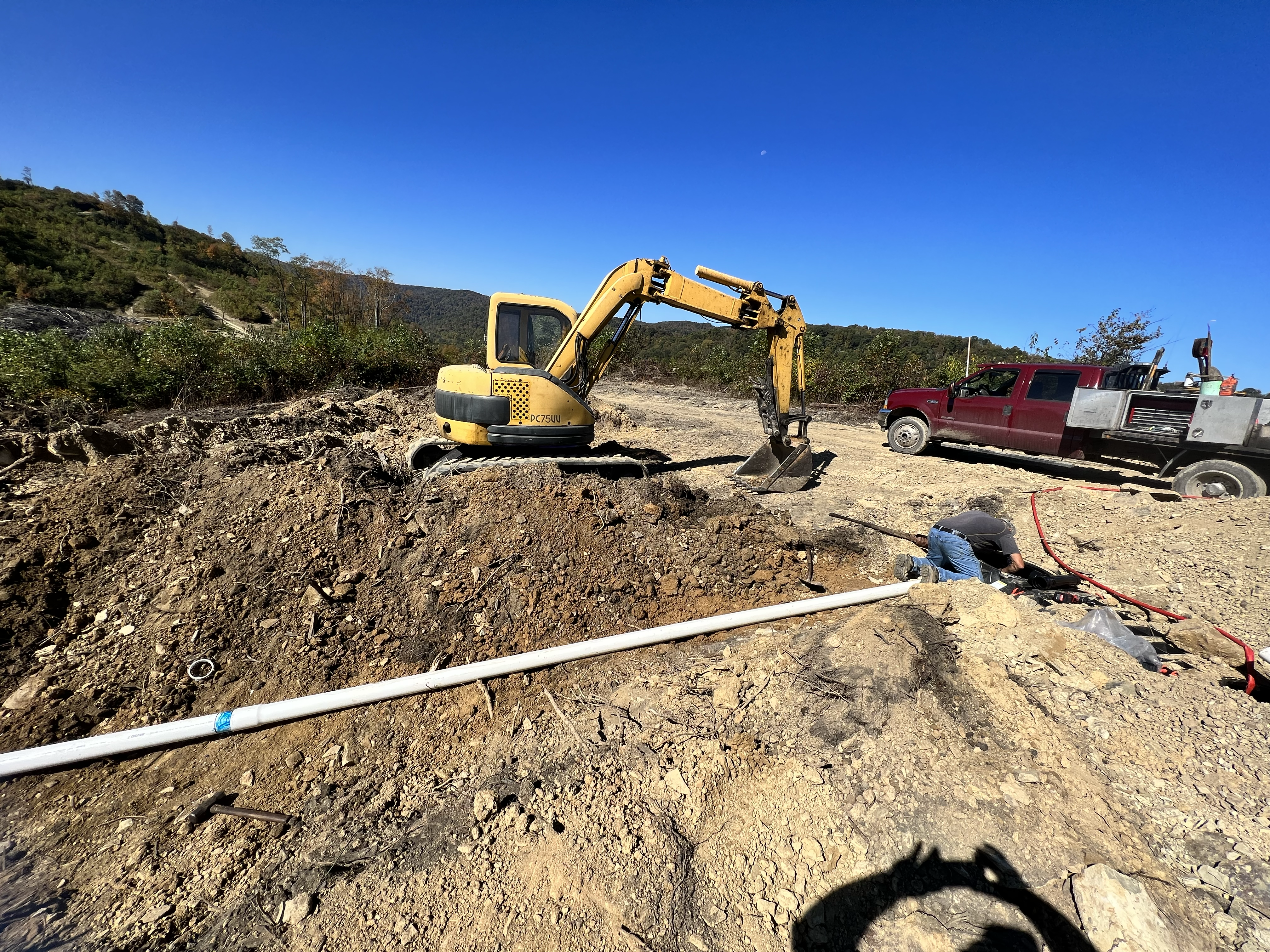
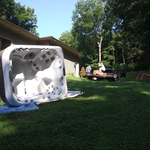
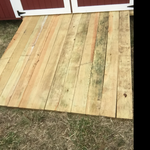
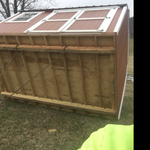
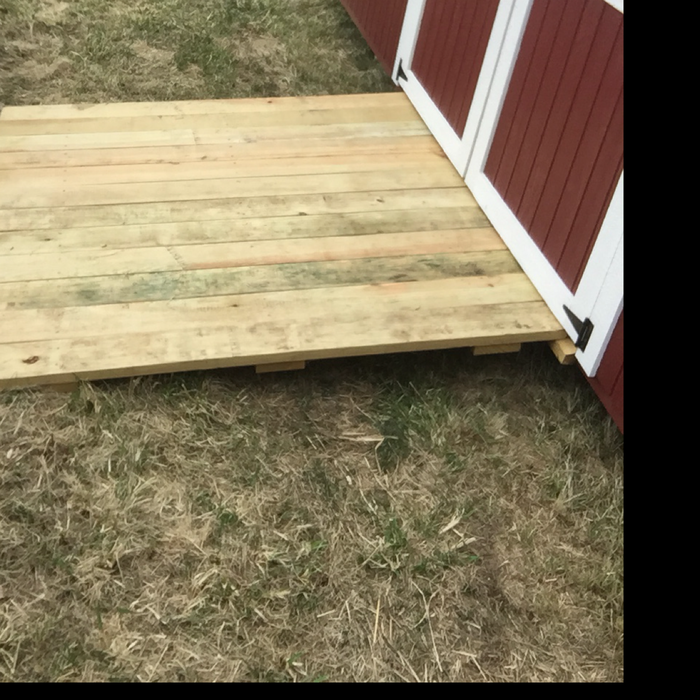
"Diggers Construction was very excellent and professional. They put in a driveway and cleared/leveled ground for my house to be put in. They worked quickly and had the job done when said it would be and they didn’t leave a mess behind. They definitely went above and beyond for me and my family."
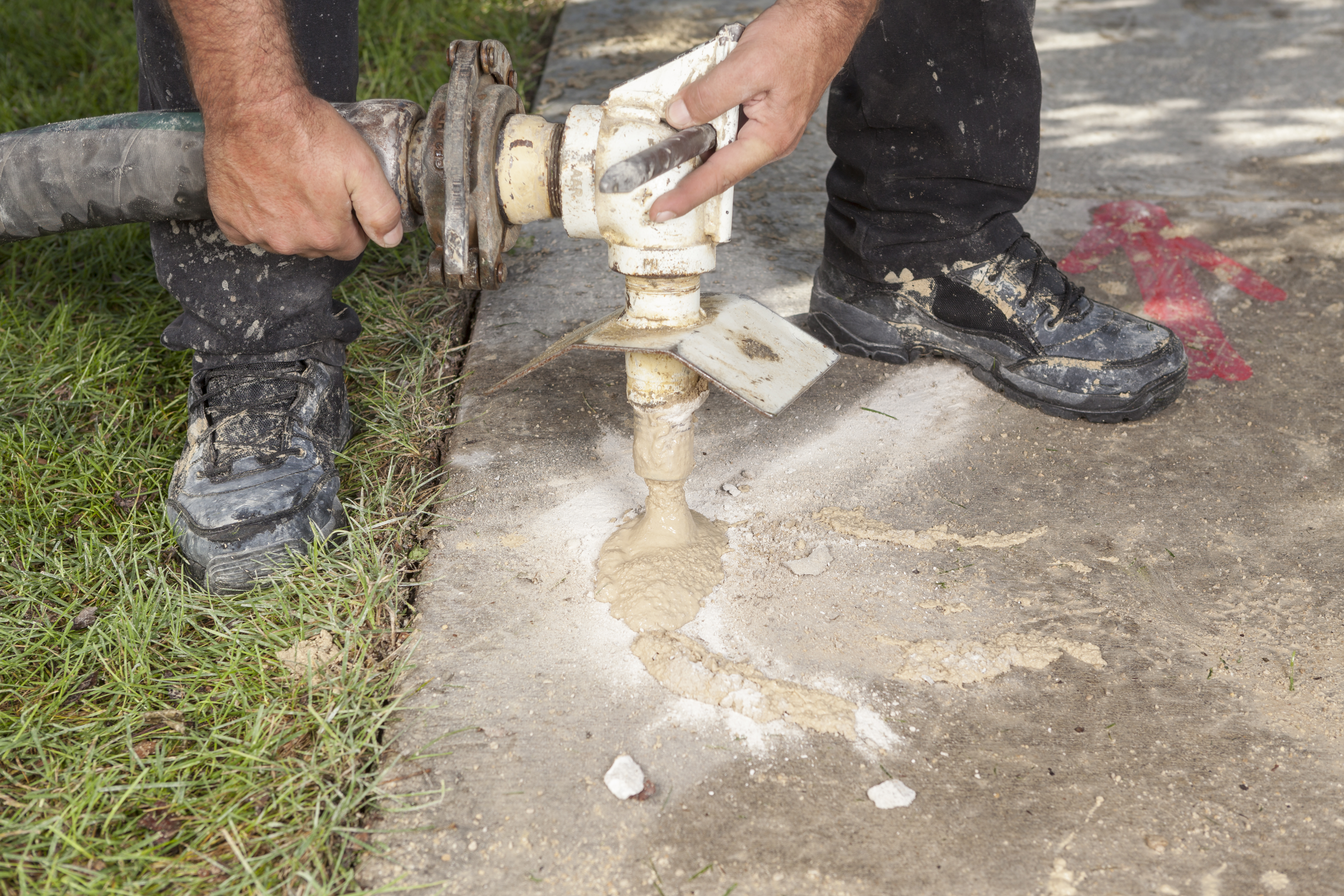
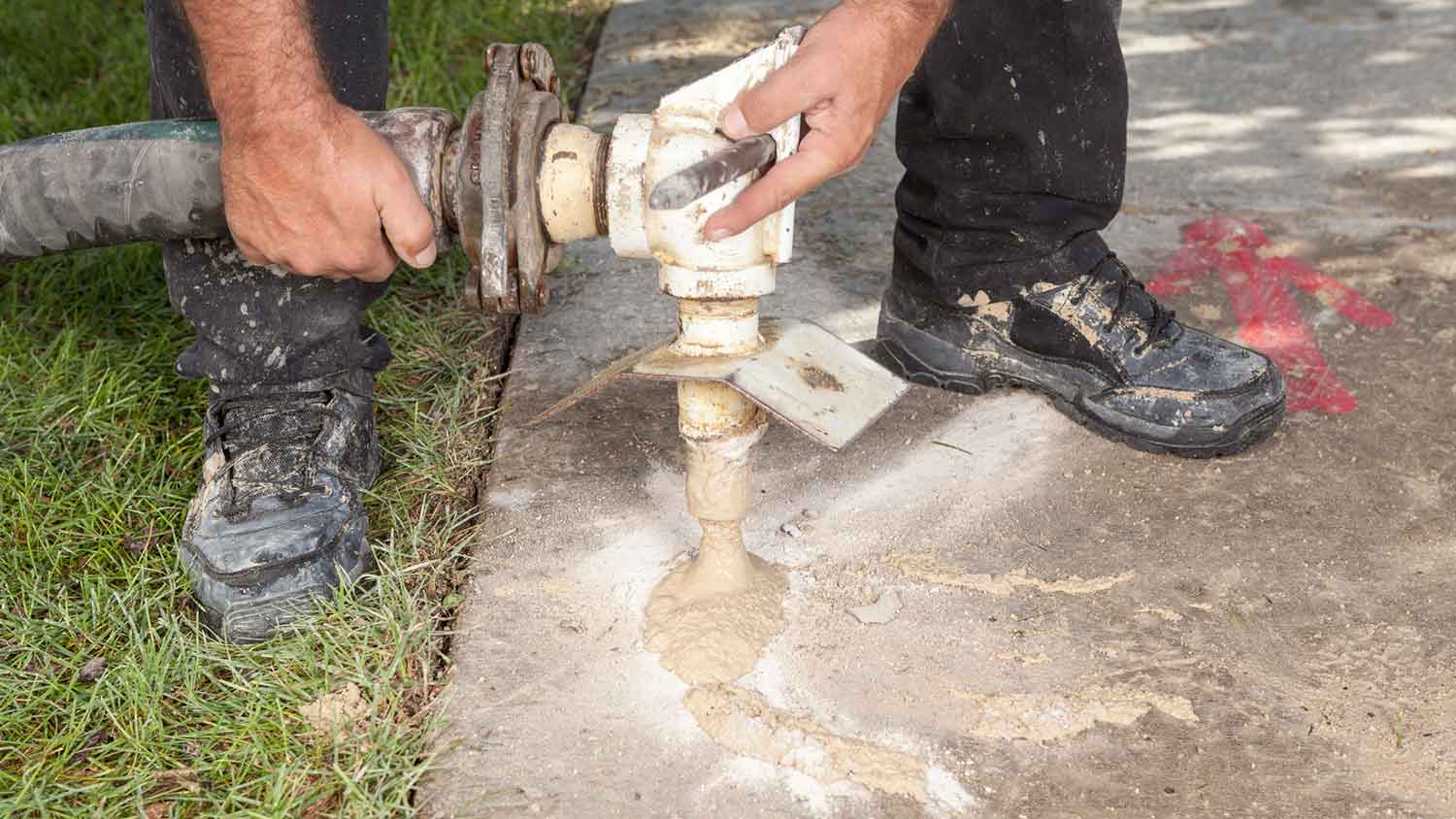
Mudjacking restores level surfaces, prevents further damage, and is more cost-effective than a full replacement.
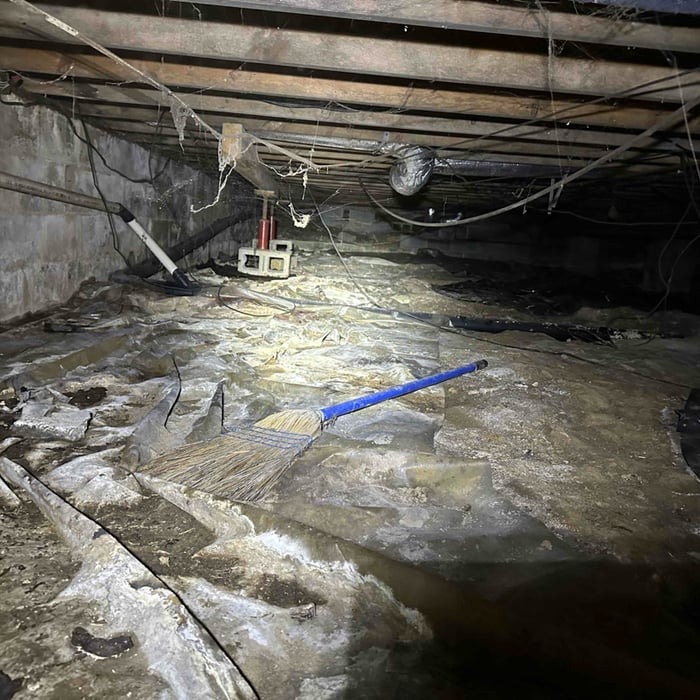
Generally speaking, push piers—or steel piers—are the best option for underpinning, as they reach down to solid bedrock to find support for your foundation rather than relying on soil, which could be subject to the same issues as the soil directly below your foundation. However, the best underpinning method for your home depends on your location, how far down the bedrock is, and the type of soil in your area. Helical piers are usually the best option for sandy soil or in areas where the bedrock is too deep to use steel piers.
The timeframe is generally a few hours, allowing for immediate use post-hydration, ensuring minimal disruption to surrounding activities.
There is no real alternative to underpinning, although mudjacking and polyjacking are other repair methods that can add support from underneath your foundation. Rather than placing supportive piers under your structure, these involve pumping a material under your slab to lift a sunken section back into its original position. Polyjacking, in particular, is sometimes a suitable solution for stabilization issues under slab foundations, but underpinning is often accepted as the best and most permanent solution.
A slurry of cement, sand, and water is injected beneath the concrete to lift and stabilize it.
The Elkins, WV homeowners’ guide to concrete leveling services
From average costs to expert advice, get all the answers you need to get your job done.
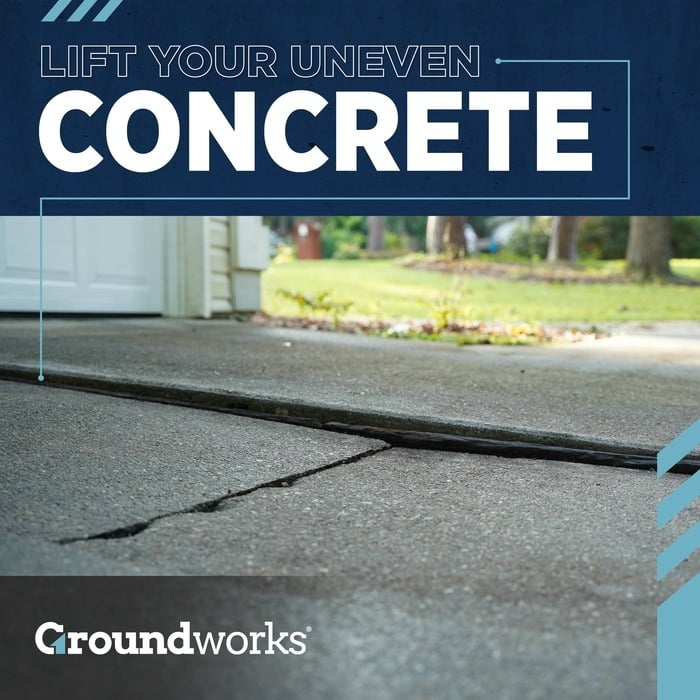
Learn about concrete leveling and how it can fix uneven surfaces, from sunken sidewalks to uneven driveways, and boost your home’s safety and curb appeal.