




Top-rated generator install pros.

Best generator install pros near Clendenin, WV

Enter your zip and get matched with up to 5 pros

Need a pro for your generator install project in Clendenin, WV?

Select your specific project to find the pro for you.

Top-Rated Generator install pros in Clendenin - Updated Nov 2026

Avatar for SON LIGHT ELECTRIC LLC
SON LIGHT ELECTRIC LLC
5.0(
10
)
Fixed Generator - InstallFixed Generator - Repair

Serving Clendenin, WV and surrounding areas

Approved

In business since 2022

Free estimates

Small jobs welcome

"Yes, serviced my Generac and found the oil cap was loose and had been leaking. Fixed it all up and now ready for winter. Also had a burned out wall socket and found the problem right away and fixed it and all the other wall sockets started working. So happy it wasnt a major wiring problem. Very pleasant and polite and kept us informed the whole time."
20 neighbors recently requested a quote
Recommended by60%of homeowners
Avatar for Montani Mechanical Group Llc
Montani Mechanical Group Llc
4.4(
48
)
Fixed Generator - InstallFixed Generator - Repair

Serving Clendenin, WV and surrounding areas

Approved

In business since 2016

Free estimates

Credit card accepted

Montani Mechanical Group, LLC is a locally owned York Certified Comfort Expert serving Charleston, Teays Valley, and Hurricane. Our licensed techs handle heating, cooling, plumbing, electrical, and Generac generators — we install and service all brands. 24/7 emergency service. Customer satisfaction is our top priority. Voted Charleston Gazette-Mail Best in the Valley 6 years running, including 2026.

Additional Photos
Additional Photos
Additional Photos
Additional Photos
Additional Photos

+38

40 neighbors recently requested a quote
Recommended by71%of homeowners
Avatar for John Templeton
John Templeton
4.8(
20
)
Fixed Generator - InstallGenerator - Install - For BusinessPortable Generator - Install

Serving Clendenin, WV and surrounding areas

In business since 2020

Free estimates

Emergency services offered

"John came when he said he would come and did what he said he would do. This in itself is amazing. He was courteous and worked extremely hard to finish the job on time. The price was very fair. I would highly recommend John Templeton for your electrical work."
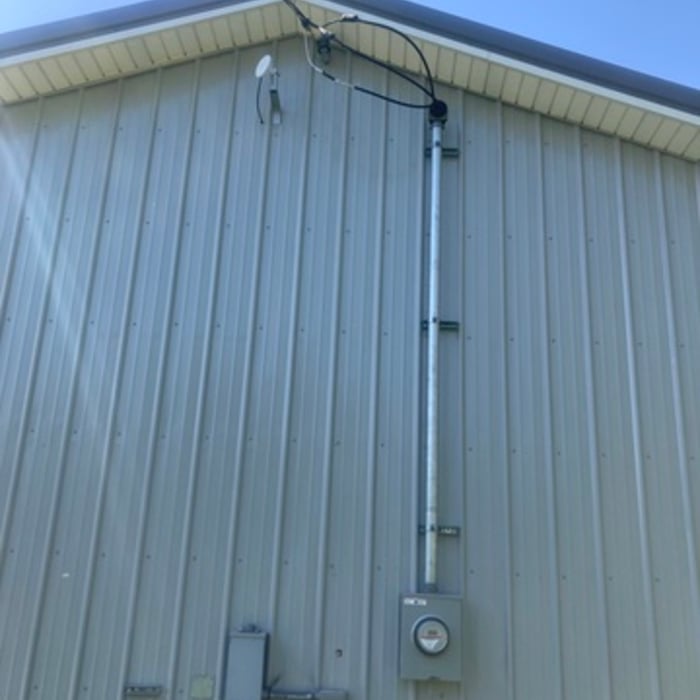
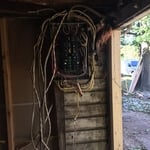
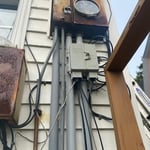
Old farmhouse panel before
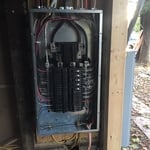
New Farmhouse panel after
Old Meter
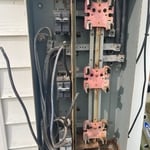
Inside old Meter
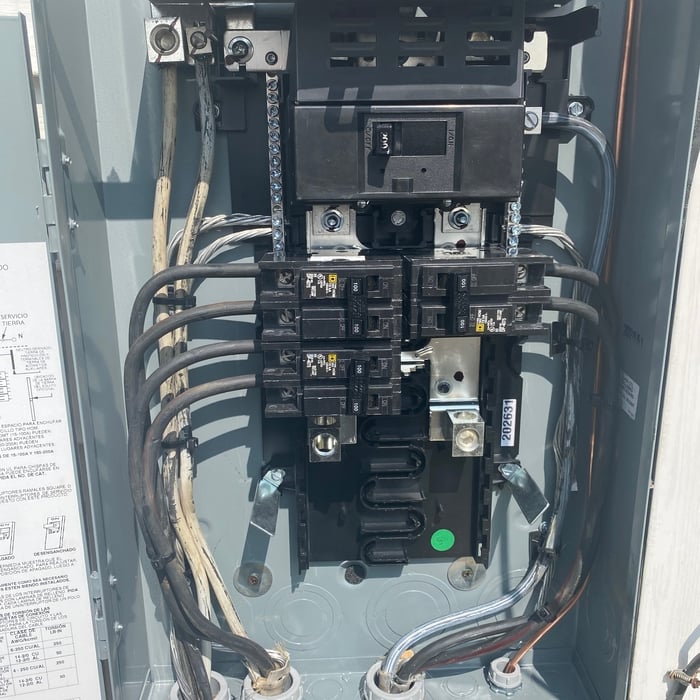
Inside New Meter Box after Upgrade

+21

Response time5 hrs
Recommended by100%of homeowners
Showing 1-10 of 36
Generator Install FAQs, answered by experts

To determine the right size generator for your house, you should calculate the total wattage of the appliances and devices you want to power during an outage. List all essential items, note their start-up wattages, and add them together.

Here are some typical wattage requirements for common appliances:

  • Refrigerator: 600 watts

  • Large dehumidifier: 700 watts

  • Large window air conditioner: 1,400 watts

  • Water heater: 3,000 to 4,500 watts

  • Electric furnace: 5,000 to 25,000 watts

A 7,500-watt generator might be sufficient for essentials like a refrigerator, freezer, well pump, and lighting circuits. However, for high-demand items like a water heater or furnace, a whole-home generator is a better choice. A portable generator may be enough if you only need to power a few critical items.

While home square footage can offer a rough estimate, it is not always a reliable indicator. For reference, here are some typical generator sizes based on square footage:

  • 1,000 sq ft: 6–9 kW

  • 1,500 sq ft: 7–10 kW

  • 2,000 sq ft: 10–14 kW

  • 2,500 sq ft: 12–16 kW

  • 3,000 sq ft: 16–20 kW+

For the most accurate sizing, consult a professional who can calculate your home's peak and average power consumption and recommend the optimal generator.

Yes, natural gas generators can work without electricity. Natural gas generators are a common type of backup or whole-house generator that operates when the electrical grid isn’t working. The trick is using a transfer switch (which usually needs to be installed with the generator) that safely switches the home electrical system from the power grid to generator power when needed.

You may need a permit for a portable generator if you’ll be installing a transfer switch for your primary residence or similar work. Otherwise, a permit for other uses may not be necessary. Check your local building codes or ask a local generator installer for more information about your local regulations.

Generally, you’ll want to keep between 60 and 70 feet between the generator and the transfer switch. There are a few reasons for this, including:

  • The distance reduces the noise coming from the generator into your home.

  • It increases efficiency because you won’t have a voltage drop from this short of a distance.

  • Prevents carbon monoxide poisoning: keep at least 15 feet between your generator and an open window. 

In most cases, there are no tax credits available for home generators. However, that’s a general statement that applies to federal tax credits, so you might have access to state or local tax incentives. You can check the Database of State Incentives for Renewables & Efficiency (DSIRE) for more information about your area. If you hire a reliable home generator installer, they should also know if there are any state or local perks you can use to reduce your installation costs, including tax breaks and rebates.

The Clendenin, WV homeowners’ guide to generator installs

From average costs to expert advice, get all the answers you need to get your job done.