

Top-rated generator install pros.

Best generator install pros near Spencer, WV

Enter your zip and get matched with up to 5 pros

Need a pro for your generator install project in Spencer, WV?

Select your specific project to find the pro for you.

Top-Rated Generator install pros in Spencer - Updated Nov 2026

Avatar for SON LIGHT ELECTRIC LLC
SON LIGHT ELECTRIC LLC
5.0(
10
)
Fixed Generator - InstallFixed Generator - Repair

Serving Spencer, WV and surrounding areas

Approved

In business since 2022

Free estimates

Small jobs welcome

"Yes, serviced my Generac and found the oil cap was loose and had been leaking. Fixed it all up and now ready for winter. Also had a burned out wall socket and found the problem right away and fixed it and all the other wall sockets started working. So happy it wasnt a major wiring problem. Very pleasant and polite and kept us informed the whole time."
17 neighbors recently requested a quote
Recommended by60%of homeowners

Avatar for SON LIGHT ELECTRIC LLC
SON LIGHT ELECTRIC LLC
5.0(
8
)
Fixed Generator - InstallFixed Generator - Repair

Serving Spencer, WV and surrounding areas

Approved

In business since 2022

Free estimates

Credit card accepted

"Very professional and kind, answered all questions. Jamey did a fabulous job, and was very quick. We would recommend him to anyone. Very impressed and such a nice person. We were having a whole kitchen remodel and are contractors were very impressed with Son Light Electrics work."
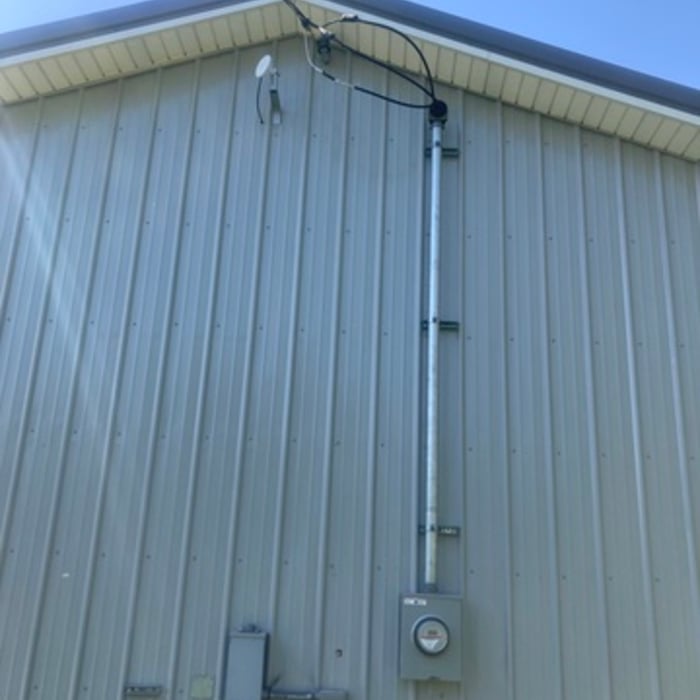
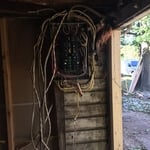
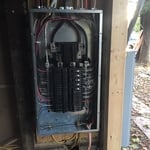
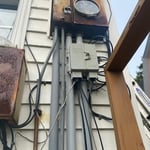
photos of my work
photos of my work
photos of my work
photos of my work
photos of my work

+4

Response time6 hrs
Response rate94%
43 neighbors recently requested a quote
Showing 1-10 of 22
Generator Install FAQs, answered by experts

To determine the right size generator for your house, you should calculate the total wattage of the appliances and devices you want to power during an outage. List all essential items, note their start-up wattages, and add them together.

Here are some typical wattage requirements for common appliances:

  • Refrigerator: 600 watts

  • Large dehumidifier: 700 watts

  • Large window air conditioner: 1,400 watts

  • Water heater: 3,000 to 4,500 watts

  • Electric furnace: 5,000 to 25,000 watts

A 7,500-watt generator might be sufficient for essentials like a refrigerator, freezer, well pump, and lighting circuits. However, for high-demand items like a water heater or furnace, a whole-home generator is a better choice. A portable generator may be enough if you only need to power a few critical items.

While home square footage can offer a rough estimate, it is not always a reliable indicator. For reference, here are some typical generator sizes based on square footage:

  • 1,000 sq ft: 6–9 kW

  • 1,500 sq ft: 7–10 kW

  • 2,000 sq ft: 10–14 kW

  • 2,500 sq ft: 12–16 kW

  • 3,000 sq ft: 16–20 kW+

For the most accurate sizing, consult a professional who can calculate your home's peak and average power consumption and recommend the optimal generator.

A home that is 2,500 square feet will likely need a 20kW to 25kW generator. Consult your local generator installer to confirm the generator size needed to power your home before purchasing a new one. Be sure to consider how much power your necessary devices need to run.

With proper maintenance, a whole-house generator can last between 20 and 40 years. The specific lifespan depends on how often and for how long the generator is used, and some models may have their life expectancy rated in hours of operation. To maximize its lifespan, expect to spend around $150 to $300 per year for annual maintenance checks from a qualified technician. During these checks, a technician will inspect the engine filter, starting mechanism, fuel, lubrication, and coolant levels. Consulting your installer and choosing a low-impact fuel like natural gas or diesel can also help ensure your generator lasts as long as possible.

To reduce AC startup power for a whole-house generator, install a soft start kit or hard start capacitor, which lowers the initial surge by gradually ramping up the compressor. Using a smart load manager can also help by staggering startup loads, preventing a system overload and future costly repairs.

If you’re wondering if you can use your electric vehicle as a backup battery, it depends on whether your EV is compatible with bidirectional charging. This technology allows energy to flow both ways, enabling vehicle-to-home (V2H) backup power, vehicle-to-load (V2L) for appliances and camping, and vehicle-to-grid (V2G) to support the power grid. Compatible EVs convert stored DC energy into usable AC power, helping reduce energy costs and enhance grid stability while providing emergency backup power.

The Spencer, WV homeowners’ guide to generator installs

From average costs to expert advice, get all the answers you need to get your job done.