






Top-rated radon detection and reduction specialists.

Get matched with top radon detection and reduction specialists in Three Lakes, WI

Enter your zip and get matched with up to 5 pros

Need a pro for your radon detection and reduction project in Three Lakes, WI?

Select your specific project to find the pro for you.

Find Radon detection and reduction specialists in Three Lakes

Avatar for Fox Valley Radon LLC
Fox Valley Radon LLC
4.9(
15
)

Serving Three Lakes, WI and surrounding areas

Approved

Super Service Award Winner

In business since 2023

Warranties offered

Small jobs welcome

"Mike did an awesome job. Very professional very personable. I applaud him as a professional and yes I would use him again and I would recommend him."
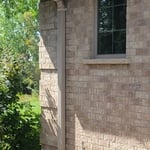
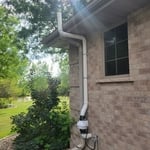
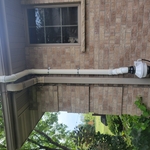
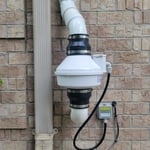
Brick Exterior Radon Mitigation
Exterior Radon Mitigation
Brick Exterior Mitigation
Exterior Radon Mitigation

+8

Response time2 days
5 neighbors recently requested a quote
Recommended by85%of homeowners

Radon Detection and Reduction questions, answered by experts

The natural breakdown of uranium in soil, rock, and water can cause radon to appear in a home. The gas seeps into homes through cracks in foundations, walls, or floors, as well as through gaps around pipes or construction joints. Radon levels are influenced by soil composition, building materials, and ventilation. Poorly sealed or airtight homes can trap radon, allowing it to accumulate.

Options include sub-slab depressurization, crawlspace ventilation, and sealing cracks. Choose based on home construction and radon levels.

Installing a mitigation system reduces radon levels, which can cause lung cancer, providing peace of mind and long-term health benefits. It can also increase your home’s value, as many buyers prefer properties with radon safety measures in place. The investment is relatively low compared to the potential health risks associated with prolonged radon exposure.

The soil beneath your house is most likely what’s causing an increased level of radon. This is because soil holds radioactivity for a long time and it’s also what most buildings are built on. Another common source of radon is water from a source that hasn’t been through periodic radon tests, such as well water. Over time, the radon from the soil can inhabit other parts of your house like the foundation or plumbing.

No level of radon is technically safe, but since it is present everywhere, complete avoidance is impossible. The average radon level in homes across the United States is 1.3 picocuries per liter (pCi/L). The Environmental Protection Agency (EPA) recommends taking preventative measures if your home's radon levels are between 2 and 4 pCi/L or higher.

The Three Lakes, WI homeowners’ guide to radon detection and reduction services

From average costs to expert advice, get all the answers you need to get your job done.